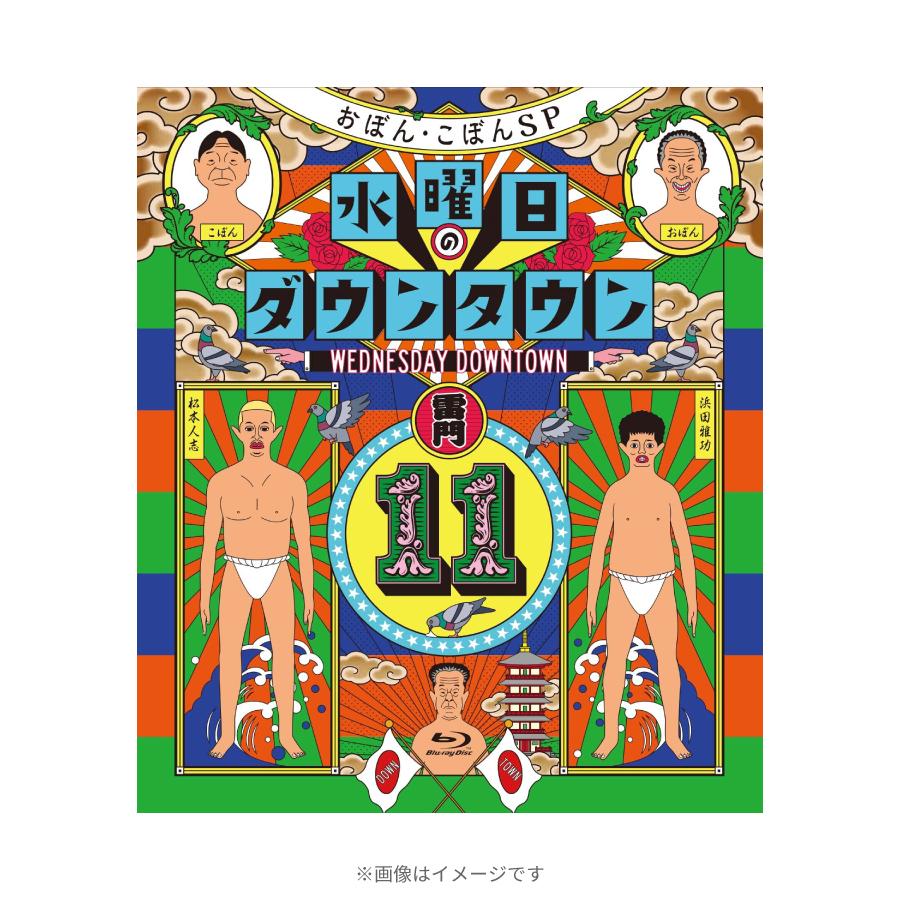
Suiyoubi no Downtown Final Announcement Shocks Fans: The Truth Behind the Broadcast Break
When the credits rolled on the September 9 broadcast of TBS's flagship variety program Suiyoubi no Downtown, viewers braced for the standard comedic punchline that typically caps the show's weekly theory verifications. Instead, the screen delivered an abrupt logistical jolt: the next original episode would not air until October 7. As documented by a livedoor ニュース Report covering the broadcast, social media immediately erupted into confusion, with thousands of fans flooding X with panicked queries questioning whether the boundary-pushing program was facing disciplinary action or outright cancellation.
The four-week blackout triggered an intense wave of speculation across Japanese television forums. For a show famous for staging elaborate deceptions, testing outrageous social hypotheses, and occasionally running afoul of broadcast standards, an unannounced month-long disappearance looked suspicious. The reality, however, stems from corporate sports scheduling, seasonal programming transitions, and a deliberate digital pivot orchestrated by the network and the show's eccentric director.
📌 Key Takeaways:
- The Broadcast Hiatus: TBS confirmed Suiyoubi no Downtown entered an unannounced multi-week suspension following its September 9 episode, locking in October 7 for its official return.
- The Preemption Cause: The temporary removal is driven by TBS's extensive live broadcast commitments for the Asian Games, which seized primary weeknight variety slots across the network.
- The Director's Side Move: Lead director Kentaro Fujii paired the television downtime with the surprise reveal of THE FIRST ZOMBIE, an indie game published by Phoenixx for Steam and Nintendo Switch.
The September 9 Theory Verification and the Sudden On-Screen Verdict
The episode preceding the break delivered the exact brand of calculated absurdity that defines the series. Comedians were dispatched to verify whether an individual could walk from suburban Honshu all the way to Shikoku by collecting discarded convenience store receipts from roadsides, then stitch those receipts into a makeshift white pilgrim shroud to embark on the sacred 88-temple pilgrimage. The segment offered punishing physical comedy, meticulous crafting, and deadpan social observation.
Then came the final title card. Rather than teasing the following week's theories, the production team dropped a brief, unceremonious notice stating that the next regular broadcast would air nearly a month later, on October 7. Viewers accustomed to weekly updates expressed disbelief. Within minutes, phrases like "Sui-dau break" and "Next month" surged to the top of trending topics in Japan, fueled by past incidents where controversial variety pranks had landed the production team in hot water with broadcast ethics monitors.
Asian Games Sports Preemption Clears the TBS Prime Time Lineup
The disruption was entirely procedural. TBS holds primary commercial terrestrial broadcast rights for the Asian Games, an extensive multi-sport continental tournament requiring massive windows of live, prime-time airtime. Covering track and field finals, swimming heats, and team ball sports demands rolling evening schedules that directly overtake regular 10:00 PM programming.
The preemptions hit more than just Wednesday nights. TBS restructured several tentpole properties during the late September block, clearing airtime normally occupied by high-budget dramas and weekday variety fixtures. Japanese television networks operate on rigid quarterly cycles known as kaihenki, where late September and early October see seasonal finales, three-hour retrospectives, and sports takeovers. For Suiyoubi no Downtown, yielding four consecutive Wednesdays allowed TBS to present unbroken evening coverage of marquee athletic events without truncating the show's intricate multi-part theory formats.
Network Scheduling Shifts and Program Impacts
To grasp the scale of the preemption window, examine how the broadcast network shifted resources from entertainment to live athletic coverage across early fall.
| Date Window | Scheduled Time Slot | Programming Replacement | Status on TVer / Digital |
|---|---|---|---|
| Sept 9 | 10:00 PM, 10:57 PM | Regular Episode (Pilgrim Receipt Theory) | Free catch-up stream active |
| Sept 16, Sept 30 | 10:00 PM, 10:57 PM | Asian Games Live Multi-Sport Broadcasts | Archive vault unlocked for free viewing |
| Oct 7 | 10:00 PM, 10:57 PM | Regular Broadcast Resumption | Standard post-broadcast rollout |
Kentaro Fujii Unveils THE FIRST ZOMBIE for Steam and Switch
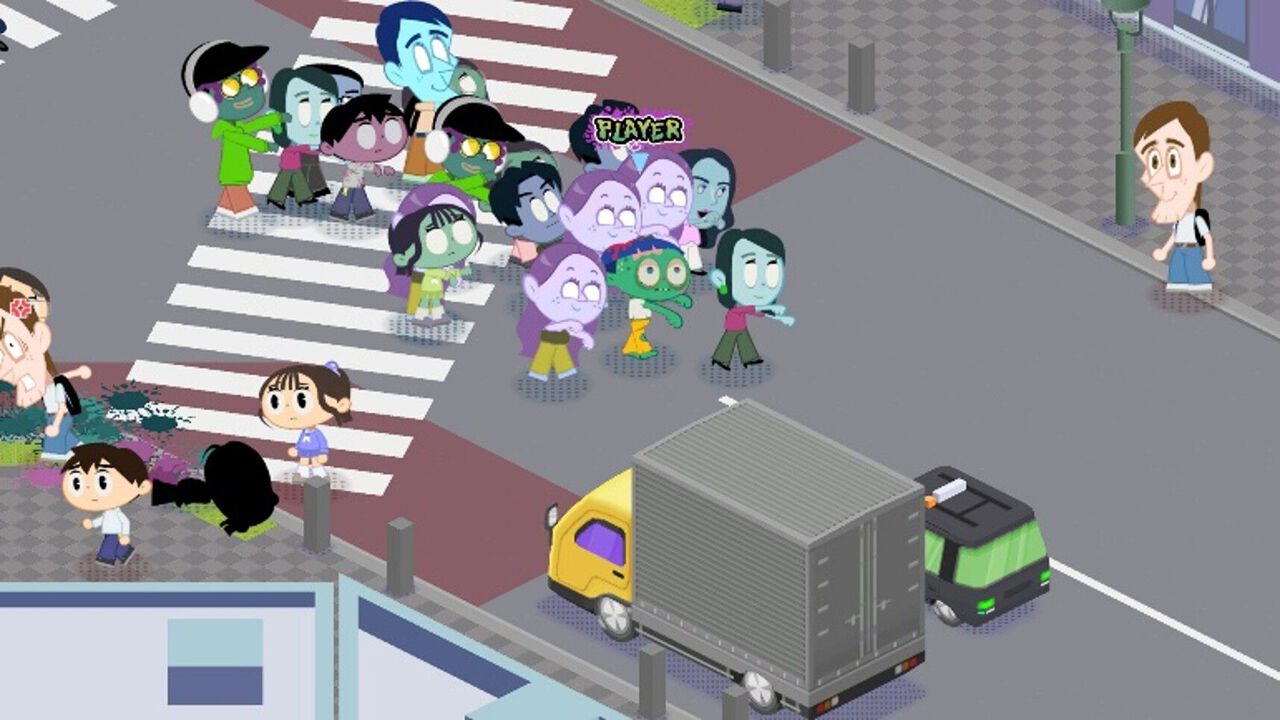
While the television production went dark, creative mastermind Kentaro Fujii chose that exact window to unveil an unexpected side project. Working alongside indie publisher Phoenixx, Fujii announced THE FIRST ZOMBIE, an original title in development for PC via Steam and the Nintendo Switch. A public Steam store listing went live immediately following the announcement, detailing a complete inversion of traditional horror action mechanics.
Instead of tasking players with surviving a mutant outbreak, THE FIRST ZOMBIE casts the player as patient zero: an ordinary citizen transformed into an undead creature who must systematically infect city residents to build an unstoppable army. The core loop reflects Fujii’s television sensibility. His shows often place unwitting comedians into surreal, tightly controlled simulations where human panic produces dark humor. Turning an infection simulator into a playful reverse-action game carries the identical subversive DNA that made Suiyoubi no Downtown a staple of Japanese pop culture.
Digital Countermeasures: TVer Archiving and Audience Retention
Networks risk losing viewer habits when a high-profile series vanishes for a month. TBS counteracted audience drift by heavily deploying its official social channels and the commercial streaming service TVer. The network's production team published updates emphasizing that the program had not been canceled, directing disoriented viewers toward free digital archives.
TVer unlocked classic, highly requested theory verifications, allowing audiences to stream fan favorites without subscription fees during the break. The selection highlighted physical challenges, long-running running gags involving underground comedians like Kuro-chan, and sensory deprivation experiments. The strategy succeeded in preserving viewer engagement. By keeping older segments circulating on streaming devices while the terrestrial network hosted swimming and track coverage, TBS maintained the brand's cultural presence while collecting ad revenue from two separate audiences simultaneously.
Frequently Asked Questions (FAQ)
Q1: Why was Suiyoubi no Downtown taken off the air in September?
A1: The show went on a planned four-week break because TBS held commercial broadcast rights for the Asian Games, requiring the network to dedicate Wednesday prime-time slots to live sporting events.
Q2: When will regular episodes return to TBS?
A2: The series resumes its weekly Wednesday 10:00 PM schedule on October 7, returning with its standard hour-long format and theory verifications.
Q3: What is the new video game produced by the show's director?
A3: Director Kentaro Fujii teamed up with publisher Phoenixx to release THE FIRST ZOMBIE, a reverse zombie simulation coming to PC (Steam) and Nintendo Switch where players must infect citizens rather than defeat monsters.
The Resilient Logic Behind Japanese Prime Time Shuffles
The panic surrounding the brief absence of Suiyoubi no Downtown demonstrates the delicate relationship between traditional networks and their core audiences. today viewers consume media on demand, arbitrary multi-week terrestrial preemptions can feel jarring. When an uncompromising comedy program disappears without an elaborate on-screen justification, audiences immediately jump to regulatory intervention.
TBS navigated the situation by treating the hiatus not as dead air, but as an opportunity to cross-pollinate formats. Live sports captured casual television viewers on Wednesday nights, while social media updates, TVer archives, and a Steam store reveal kept comedy fans engaged across digital screens. Far from fading, the program preserved its cultural footprint, ready to resume testing absurd theories the moment the stadium lights dim.