Summer Heat Triggers Spores Surge: Proper Bottle Gasket Care Explained
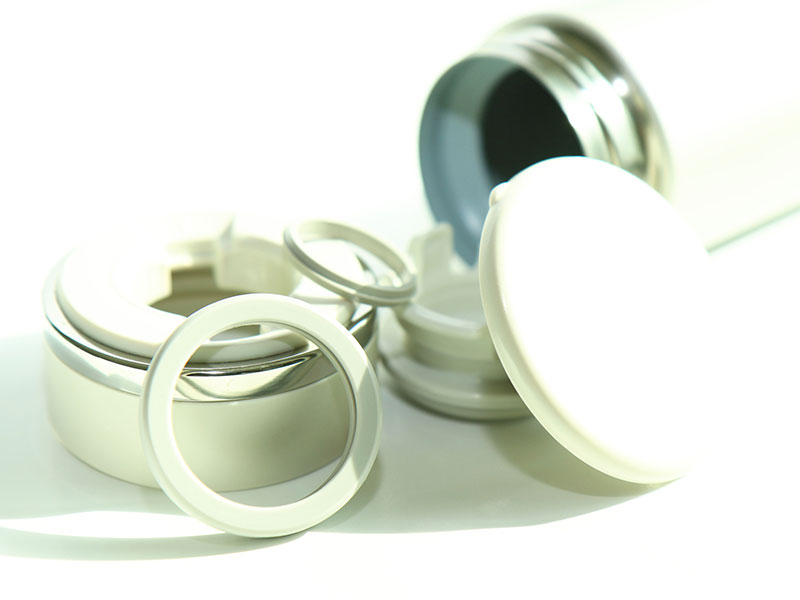
Triple-digit afternoon temperatures and soaring indoor humidity across the Northern Hemisphere have triggered an aggressive spike in household microbial growth. The primary battleground is not the bathroom tile or kitchen sink, but the insulated tumbler resting on office desks and car cup holders. According to consumer tracking detailed in a huffingtonpost Report, a Weathernews nationwide survey revealed that 48% of respondents have discovered fungal colonies festering inside their personal drinkware seals. For millions carrying daily hydration vessels, the dark speckling hidden along the lid perimeter is an active bio-hazard waiting to be inhaled or swallowed.
What begins as a faint gray film quickly hardens into stubborn water bottle rubber gasket mold. Ambient summer heat turns the dark, damp crevices beneath flexible lid rings into miniature incubators. Rinsing the cap under tap water removes superficial drink residue, but it leaves underlying spores entirely intact. Restoring these vessels to aseptic conditions requires understanding how fungal hyphae anchor into polymers and applying targeted chemical oxidation to neutralize them at the root.
📌 Key Takeaways:
- The Infection Rate: Industry tracking reveals that 48% of daily bottle users carry active or dormant mold colonies inside their lid mechanisms.
- The Structural Vulnerability: Porous food-grade silicone absorbs organic starches and sugars, allowing black fungal mycelia to tunnel beneath the surface.
- The Correct Remediation: Sodium percarbonate (oxygen bleach) dissolved in 104°F, 122°F (40°C, 50°C) water eradicates rooted spores without degrading silicone elasticity.
The Invisible Reservoir Inside Reusable Drinkware
Every reusable bottle design relies on tight mechanical compression. Manufacturers mold flexible rings out of food-grade silicone to seal the junction between threaded caps and stainless steel walls. This barrier withstands drops and horizontal bag storage, but it also locks in microscopic puddles. Coffee with oat milk, electrolyte powders, and natural fruit teas leave carbohydrate residues that seep into the microscopic gaps between the gasket and lid channels.
Once trapped, organic residues combine with backwash saliva and ambient heat. Temperatures between 77°F and 95°F (25°C to 35°C) accelerate spore germination cycles from days to mere hours. A commuter who tops off their water tumbler on Monday morning may host an established fungal ecosystem by Wednesday afternoon. Because the gasket sits recessed inside an inverted groove, users drink directly past these thriving colonies without noticing the gradual buildup of microbial mass.
Why Surface Wiping Fails Against Infiltrating Fungi
Standard dish soap cleans through surfactants that trap loose surface grease. It does nothing to penetrate cellular membranes once fungi establish an anchor. Silicone is an elastomer composed of siloxane polymer chains. While chemically inert and temperature-resistant, silicone features micro-pores that expand when exposed to warm dishwater. Fungal hyphae, the root structures of species like Cladosporium and Aspergillus niger, physically branch into these microscopic voids.
Running a soapy sponge across an assembled lid only cleans the exterior lip. The underside of the ring remains packed with bio-contaminants. Wiping down the exterior merely shears off the spore caps while leaving the roots embedded in the silicone matrix. Within forty-eight hours, the colony blooms again. Achieving genuine food-grade silicone mold removal requires users to physically pull the seal from its seating groove, exposing both faces of the elastomer to sanitizing solutions.
Tested Decontamination Protocols and Soak Benchmarks
Different sanitizing agents interact with flexible polymers in radically different ways. While many turn to harsh industrial bleaches out of frustration, strong chlorine compounds oxidize and embrittle silicone, leaving microscopic cracks where future spores latch with greater tenacity. The following benchmark highlights the efficacy, material safety, and turnaround time of standard household treatments.
| Sanitation Method | Optimal Temperature & Duration | Spore Eradication Rate | Polymer Compatibility |
|---|---|---|---|
| Standard Dish Detergent | Warm tap water (100°F, 110°F), 2-minute scrub | (Surface-level only) | Safe; zero material wear |
| Vinegar Soak (5% Acetic Acid) | Ambient room temp, 60, 120 minutes | 70%, 82% (Kills mild mildew) | Safe; can leave transient acidic scent |
| Sodium Percarbonate (Oxygen Bleach) | 104°F, 122°F (40°C, 50°C), 30, 45 minutes | 98%, 99.5% (Destroys deep roots) | Optimal; preserves structural elasticity |
| Sodium Hypochlorite (Chlorine Bleach) | Cold water bath, 15, 30 minutes | 99.9% (Complete surface kill) | Poor; causes brittleness, leaching, and odor |

Step-by-Step Field Guide to Dismantling and Sanitizing Lids
Restoring a contaminated lid requires deliberate mechanical disassembly. Never use sharp steel paring knives or needles to pry loose components, as micro-punctures ruin airtight vacuums. Use a dull silicone pick, a flat wooden toothpick, or a purpose-built gasket lever to ease the band out of its retention trench.
To sanitize water bottle rubber ring hardware thoroughly, fill a small glass bowl with water heated between 104°F and 122°F. Dissolve one teaspoon of oxygen bleach powder per two cups of water. Submerge the seal completely alongside the plastic lid assembly. As the oxygen bleach silicone gasket bath bubbles, active oxygen micro-fizzes through the crevices, oxidizing melanin pigments and lysing spore wall structures.
After a 30-minute soak, extract the components. Take a narrow crevice cleaning brush for lids, outfitted with stiff nylon bristles, and scour the underside channel where the gasket rests. This trench typically harbors a slick biofilm that re-inoculates clean seals if left untouched. Rinse all hardware thoroughly under high-pressure running water to flush away loosened debris.
Deep Cleaning Insulated Tumblers Without Ruining Seals
Modern lifestyle tumblers require distinct maintenance routines compared to standard sports bottles. Broad-mouth insulated designs feature thick silicone pressure bands, sliding sip-gates, and pressure-equalization vents. When dealing with black mold in thermos lid apparatuses, contaminants colonize the sliding hinge track just as rapidly as the base seal.
To deep clean hydro flask gasket seals and multi-piece tumbler tops, disassemble every articulated part. If tackling persistent sour odors alongside mold, execute a preparatory vinegar soak for bottle gaskets. Submerging the ring in undiluted 5% white distilled vinegar for one hour strips trapped aromatic compounds without swelling the synthetic rubber.
Rinse away the acid before attempting an oxygen bath; combining acidic vinegar with alkaline oxygen bleach neutralizes both agents, rendering the wash useless. When brushing the internal threading, avoid abrasive wire pads that scratch stainless steel necks. Scratched metal provides raw footholds for bacterial colonization, accelerating the return of foul tastes.
When Cleaning Is Futile: Spotting the Replacement Threshold
Silicone resilience is remarkably durable, but it does not last indefinitely. Heavy mold infestations that sit undisturbed for months often cause permanent pigment binding and structural degradation. If an oxygen bleach soak fails to remove deep gray discoloration after two successive treatments, fungal melanins have chemically bound with the siloxane matrix.
Inspect the seal under bright directional light. Pinch the band and bend it back on itself. If you notice micro-fissuring, surface tackiness, or a loss of rebound memory, the material has degraded past the safety threshold. At this stage, ordering a replacement water bottle gasket is the only reliable hygienic solution. Authentic replacement seals typically cost between $4 and $9, saving consumers the expense of discarding a premium $40, $50 insulated flask.
Daily Rituals to Prevent Mold Growth in Reusable Bottles
Eradicating an established colony solves the immediate problem; altering environmental conditions prevents the cycle from restarting. Fungi require three vectors to thrive: sustained moisture, darkness, and an organic food source. Denying them moisture is the most effective operational defense.
At the end of every day, dump standing liquids immediately. Disassemble the lid, pop out the silicone seal, and rinse both parts under warm water. Never reassemble a damp bottle and seal it shut in a dark cabinet overnight. Set the gasket, the lid, and the inverted vessel across an elevated wire drying rack where ambient airflow can reach every surface.
Those who pack dairy beverages, protein smoothies, or sweetened coffees should keep two interchangeable gaskets on hand. Swapping seals on alternate days ensures that each ring experiences a mandatory 24-hour drying cycle. Complete desiccation kills developing spore clusters before they take root.
Frequently Asked Questions (FAQ)
Q1: Can ingesting water from a moldy bottle gasket cause acute illness?
A1: While small amounts of common mold species like Cladosporium rarely cause systemic poisoning in individuals with intact immune systems, daily exposure frequently triggers allergic reactions, throat irritation, chronic digestive upset, and respiratory coughing fits. Ingesting mycotoxins over extended periods is a documented health hazard.
Q2: Why is household chlorine bleach discouraged for silicone seals?
A2: Liquid chlorine bleach is an aggressive oxidizer that strips curing agents from food-grade elastomers. Over repeated uses, it causes silicone to harden, leach chemical odors into drinking water, and lose the flexibility required to maintain a leakproof vacuum.
Q3: How often should I perform a deep soak on my bottle parts?
A3: Daily washing with standard soap and water keeps bacteria in check, but a deep decontamination soak using sodium percarbonate or white vinegar should occur once every 7 to 14 days during peak summer heat, especially if the bottle carries sugary, milky, or acidic drinks.
Maintaining Safe Hydration Across Peak Heatwaves
Summer heat turns hydration gear into rapid-growth microbial environments if left unchecked. Reusable drinkware only serves personal health when maintenance standards match environmental realities. Daily disassembly, consistent air-drying on open racks, and bi-weekly oxygen oxidation ensure that hydration remain pure, refreshing, and free of airborne contaminants throughout the hottest months of the year.