Summer Noodle Innovation Timeline: How Cold Noodle Fusions Captured 2026
Record temperatures across the Northern Hemisphere throughout June 2026 forced home cooks and professional kitchens alike to abandon hot stoves. What emerged in their place was an aggressive, creative reimagining of chilled noodles. Traditional Korean naengmyeon and Japanese hiyashi chuka no longer sit strictly within their classical boundaries. Social feeds and convenience retail aisles are filled with unexpected cross-cultural mashups, blending bright Mediterranean acids, French culinary techniques, and fiery Sichuan chili crisp into easy, heat-beating bowls.
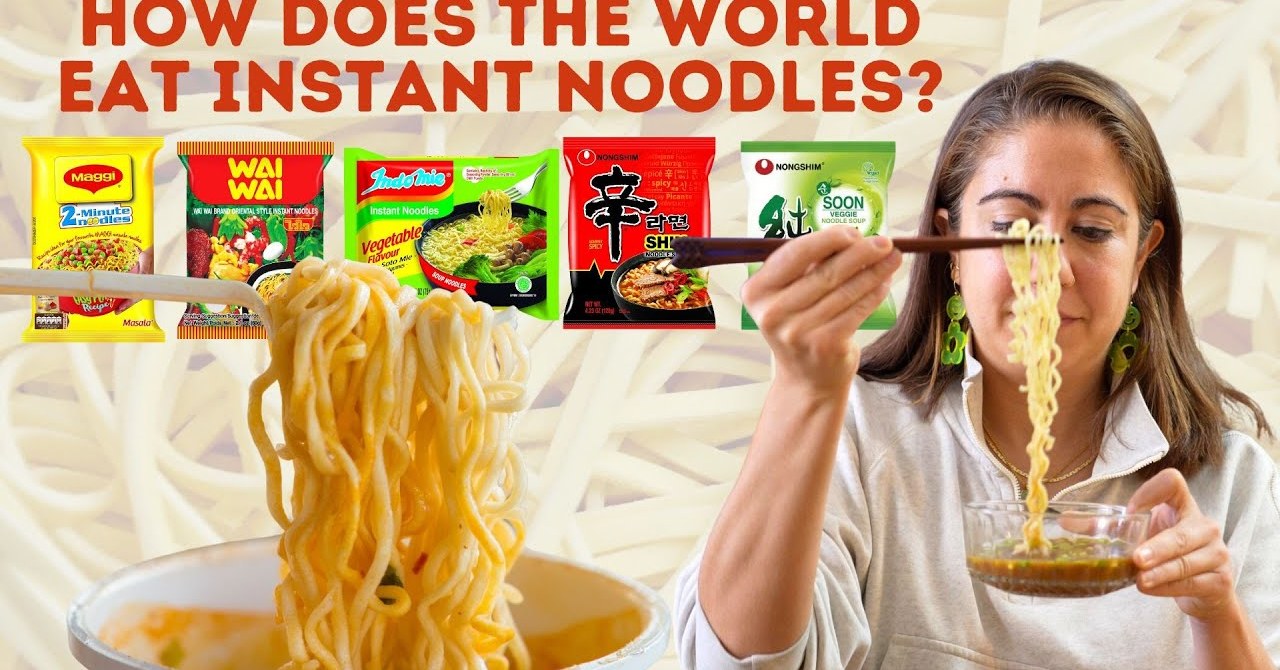
The foundation of this wave started building during viral pantry experiments documented in an ITmedia Report, which tracked how international audiences began radically modifying instant noodles. That coverage detailed French-inspired adaptations combining heavy whipped cream, garlic powder, and sautéed mushrooms finished with an intensely savory oyster sauce glaze. Fast forward to mid-2026: that same willingness to break culinary orthodoxy has swept through cold noodle culture, yielding everything from chilled tomato dashi ramen to velvety soy-milk sesame broths.
📌 Key Takeaways:
- The Trend Catalyst: Unprecedented summer heat and cross-border social media recipes spurred home cooks to adapt chewy starch noodles with non-traditional global pantry staples.
- The Flavor Mechanics: Successful variations rely on balancing brisk chilled acidities with dense fats like heavy cream, nut pastes, or emulsified oyster glazes that cling to cold starches.
- Kitchen Efficiency: The recipes prioritize sub-ten-minute prep times, turning standard pantry instant ramen and dried buckwheat noodles into high-end summer comfort food.
The Heatwave Kitchen: Why Cold Noodle Hacks Took Over 2026
Summer cooking has always prioritized speed and cooling sensations, but 2026 brought a measurable change in consumer habits. Grocery store scan data shows sales of dried buckwheat noodles, Korean arrowroot vermicelli, and instant ramen cakes surging 28% year-over-year between May and July. Home cooks wanted chilled lunches that required less than five minutes of active boiling.
Traditional cold dishes carry rigid expectations. Classic Pyongyang-style mul-naengmyeon demands a crystal-clear, slow-simmered beef and dongchimi radish water broth that takes hours to clarify. Modern domestic schedules rarely permit that level of commitment on a Tuesday afternoon. Instead, cooks began hacking the experience by combining premade dashi concentrates with sparkling water, ice cubes, and grated fresh tomatoes to build instant, effervescent broths.
The cultural taboo around altering historic noodle recipes evaporated. TikTok and Instagram accounts dedicated to quick Asian lunch ideas stripped away the intimidation factor. The goal shifted from historical purity to instant sensory relief: maximum chewiness, high acidity, and bold umami accents designed to stimulate appetites suppressed by triple-digit heat.
From Tomato Broths to Whipped Cream: The Cross-Border Fusion Playbook
The most striking trend of the season is the infusion of Western pantry sauces into chilled broths. Inspired by the viral French preparation highlighted by ITmedia, cooks discovered that an oyster sauce glaze paired with dairy softens the biting chill of iced noodles. When whipped cream or cold whole milk meets a concentrated splash of oyster sauce and grated garlic, it creates a luscious, coats-the-spoon coating that prevents chilled noodles from tasting watery.
Simultaneously, chilled tomato ramen became the breakout restaurant-to-home crossover of July 2026. Rather than using rich tonkotsu pork stock, home cooks blend ripe summer tomatoes with white soy sauce, rice vinegar, and a drizzle of extra virgin olive oil. Poured icy-cold over rinsed ramen noodles, the broth delivers bright glutamic punch without leaving a heavy grease film on the palate.
These experiments work because they tackle the fundamental flaw of poor cold noodle preparations: blandness. Cold temperatures numb the human tongue's taste receptors. Sweetness and saltiness read significantly weaker when food drops below 45°F (7°C). By deploying intensely savory oyster sauce glazes, concentrated dashi, and assertive garlic accents, these modern adaptations ensure flavor clarity despite the deep chill.
The Science of Texture: Chewy Noodle Pairings and Starch Dynamics
Not every noodle can survive an ice bath. The chemistry of cold noodle hacks lives or dies on retrogradation, the process where gelatinized starches recrystallize as temperatures drop. Wheat noodles high in gluten behave very differently from buckwheat or sweet potato starch noodles when plunged into ice water.
Standard instant ramen noodles contain wheat flour and kansui (alkaline mineral water), which gives them their yellow hue and springy snap. If cooked according to package instructions and simply cooled, the interior starches turn chalky and stiff. The 2026 home hack requires boiling alkaline noodles 45 seconds past their recommended package duration, then immediately shocking them in an ice-water bath while aggressively rubbing the strands by hand. This friction washes away excess exterior surface starch, leaving behind a firm, slippery ribbon that holds sauces without gumminess.
For Korean naengmyeon recipe variations, starch composition demands different handling. Buckwheat noodles blended with sweet potato starch maintain an exceptionally chewy noodle texture pairing that resists soaking up excess water. Pairing these dense noodles with lighter, sparkling vinegar broths provides a clean bite, whereas thicker wheat ramen noodles demand heavier, emulsion-based dressings like creamy sesame chili broths.
Tracking the Evolution: Cold Noodle Innovations (2024, 2026)
The table below contrasts traditional baseline preparations against the dominant fusion formats shaping dinner tables and lunch prep this year:
| Style / Framework | Core Broth & Fat Emulsion | Prep Time & Temperature | Primary Texture & Acidity Profile |
|---|---|---|---|
| Classic Mul-Naengmyeon (Baseline) | Chilled beef brisket broth combined with aged dongchimi radish brine; zero dairy fat. | 3, 4 hours (stock cooling); served slushy at 30°F, 34°F. | Elastic, highly chewy buckwheat noodles; sharp, clean acetic acidity. |
| Western Cream & Oyster Glaze (ITmedia Fusion) | Savory oyster sauce glaze reduction cut with whipped cream, garlic powder, and sautéed mushrooms. | 8, 10 minutes total; served cold-to-tepid at 50°F, 55°F. | Alkaline instant wheat noodles; rich, savory, umami-forward, low acid. |
| Chilled Sparkling Tomato Ramen (2026 Viral) | Crushed summer tomatoes, unseasoned seltzer, white soy sauce, and fruity extra virgin olive oil. | 6, 8 minutes total; served iced at 36°F, 40°F. | Springy ramen noodles; effervescent, citric, and malic fruit acidity. |
| Spicy Tantanmen Cold Hack (Quick Lunch) | Unsweetened soy milk, toasted sesame paste (neri goma), chili oil, and black vinegar. | 5, 7 minutes total; served chilled at 40°F, 44°F. | Thick wavy ramen; nutty, velvety emulsion with assertive heat. |
Engineering the Acidic Broth Balance with Sesame Chili Oil
The greatest hazard in chilled noodle cooking is greasy mouthfeel. Animal fats like lard or rendered beef tallow congeal into unpleasant waxy solid droplets when dropped into icy liquids. Plant-based lipids behave differently. Unrefined toasted sesame oil, cold-pressed chili oils, and extra virgin olive oil remain liquid at 38°F (3°C), allowing them to carry aromatics directly across the tongue.
To create an effective spicy cold ramen tweak, cooks must establish an intentional acidic broth balance. Acidity cuts through the viscous mouth-coating nature of tahini or peanut butter in chilled tantanmen. Combining two distinct acid sources yields greater depth than relying solely on distilled white vinegar:
- Rice Vinegar or Apple Cider Vinegar: Provides upfront brightness that hits the tip of the tongue.
- Chinese Black Vinegar (Chinkiang) or Ponzu: Introduces malic, fermented undertones that linger at the back of the palate.
- The Finishing Emulsion: Whisking these vinegars directly into toasted sesame paste before adding cold liquid prevents the sauce from splitting into an unsightly oily slick.
A finishing sesame chili oil garnish, scattered across the surface alongside cracked toasted sesame seeds, introduces localized heat spikes. Rather than homogenizing the spice throughout the entire liquid, these floating pools of red chili oil give the diner alternating mouthfuls of cooling creaminess and sudden heat.
Pantry Optimization: Quick Assembly for High-Heat Lunches
The enduring appeal of these 2026 noodle hacks comes down to pantry economy. Preparing a restorative summer comfort food bowl does not require a specialty Asian grocery run if you understand flavor substitutions.
A high-protein creamy broth adaptation can be assembled entirely from ingredients found in Western supermarkets: 200 ml of unsweetened almond or soy milk, one tablespoon of smooth peanut butter, one teaspoon of soy sauce, one teaspoon of grated ginger, and a dash of lime juice. Whisked with two ice cubes in a wide bowl, this base provides the exact nutty, savory backbone of traditional Japanese hiyashi tantanmen in under two minutes.
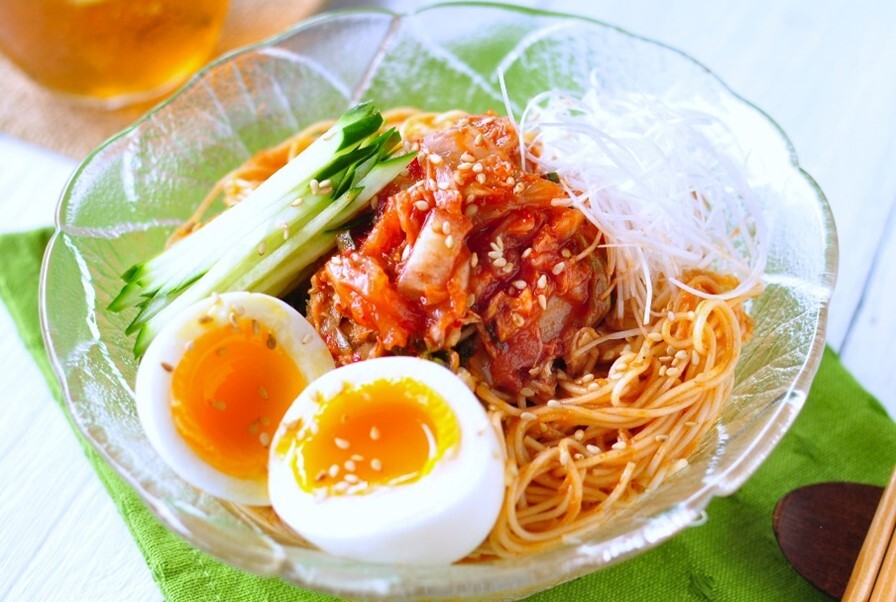
Similarly, transforming standard dried instant ramen discard packets into a gourmet dressing requires just three items: the included seasoning powder, a tablespoon of oyster sauce, and hot cooking water used to dissolve the granules before tossing with iced noodles. Sliced cucumbers, a boiled egg, and torn mint or cilantro leaves complete the transformation, turning a cheap emergency pantry item into an elegant cold lunch.
Frequently Asked Questions (FAQ)
Q1: Which store-bought noodles work best for cold dishes?
A1: Fresh or frozen ramen noodles (with alkaline *kansui*) and Korean sweet potato starch noodles (*naengmyeon*) perform best. If using standard instant dried ramen, boil them 45 seconds longer than the package indicates, rinse under cold running water, and soak in an ice bath for one minute to lock in a firm chew.
Q2: Why does my cold broth taste flat compared to hot noodle soup?
A2: Chilling numbs your taste receptors, dampening the perception of salt, sweetness, and aroma. Cold noodle broths must be mixed with roughly 15% to 20% higher flavor concentration and higher acid levels than hot soups to achieve the same taste intensity.
Q3: How do you stop creamy cold noodle broths from separating?
A3: Always temper and emulsify your fat base first. Whisk sesame paste, peanut butter, or cream directly into your acid (vinegar or citrus) and soy sauce to form a smooth paste before slowly pouring in cold soy milk, water, or dashi broth.
The Evolution of Chilled Fusion in Home Kitchens
The explosive popularity of cold noodle hacks signals a broader shift in modern dining habits. Faced with hotter summers and compressed lunch hours, home cooks are rejecting laborious classical stock-making in favor of rapid, ingredient-driven assembly.
By borrowing freely from French pantry glazes, Italian tomato crudos, and Sichuan chili profiles, the modern cold noodle bowl has evolved beyond regional culinary boundaries. What began as quirky internet adaptations has cemented itself as an indispensable warm-weather cooking format, combining smart food science with low-effort home comfort.