Tales of the Bizarre Grandma Episodes: Unpacking the Creepiest Folk Horrors and Family Secrets
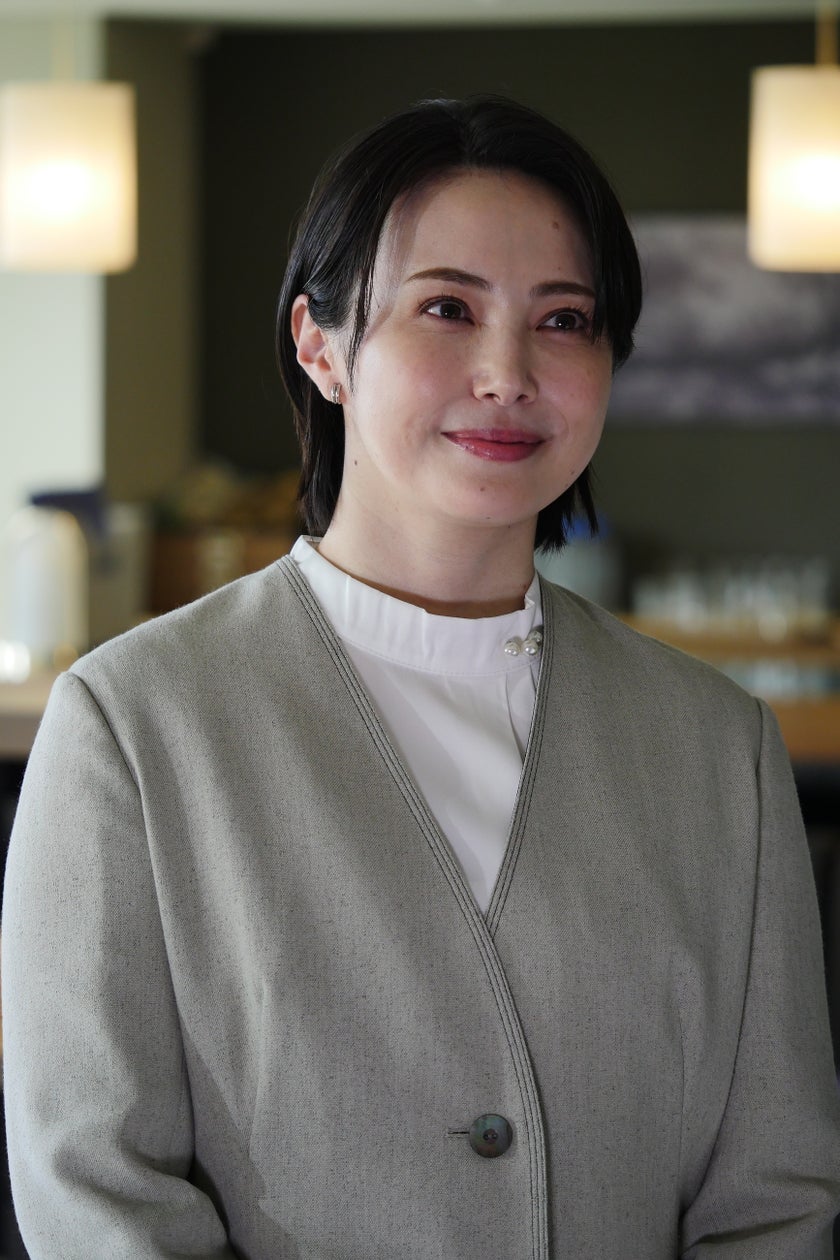
When Fuji TV launched Tales of the Bizarre (Yonimo Kimyō na Monogatari) in April 1990, Japanese television acquired its premier venue for domestic uncanny storytelling. Hosted by the sunglasses-clad storyteller Tamori, the long-running anthology has spent over three decades dissecting societal anxiety through bite-sized speculative fiction. As confirmed by a recent ナタリー Report detailing the broadcast of the Summer 2026 Special starring Yuno Nagao and Satoru Matsuo, alongside Shuri's haunting parental home-clearing drama and a brand-new monthly streaming expansion on Fuji TV On Demand (FOD), the franchise remains a cultural mainstay. Yet across hundreds of broadcast segments, few recurring motifs elicit as much primal unease as the sinister grandmother figure.
The creepy elderly matriarch sits at the intersection of rural superstition, domestic claustrophobia, and the unspoken psychological guilt of an aging society. Rather than portraying benign matriarchs serving tea and sweet bean paste, these celebrated psychological thriller shorts invert Confucian filial piety. They turn grandmotherly affection into an instrument of terror, using urban legend adaptations, body horror, and crushing plot twists that linger long after Tamori delivers his closing philosophical monologue.
📌 Key Takeaways:
- The Subversive Trope: Tales of the Bizarre systematically subverts traditional reverence for elders, turning the grandmother archetype into a vessel for ancient curses, parasitic survival, and domestic gaslighting.
- Societal Anxiety: Stories featuring unsettling matriarchs reflect real post-bubble and contemporary Japanese anxieties surrounding elder care, isolated rural depopulation, and generational friction.
- Enduring Legacy in 2026: With the franchise marking 36 years of broadcast and expanding to monthly FOD releases, its exploration of rural folklore and fractured domestic spaces continues to influence contemporary J-horror suspense.
How Fuji TV Transformed the Venerable Matriarch into Pure Dread
Traditional Japanese folk culture holds contradictory views of aging women. On one side sits the benevolent obaasan, the hearth-keeper who binds three generations under a single roof. On the other lurks the yama-uba (mountain hag), an ancient figure born of rural poverty, abandonment traditions like ubasute, and untamed wilderness. Tales of the Bizarre bridges this divide by pulling the folk witch straight into modern apartments and suburban living rooms.
In standard J-horror staples like Ju-On or Ringu, malevolent ghosts are typically young, wronged women seeking vengeful catharsis. Tales of the Bizarre diverges sharply by keeping its terror physical, domestic, and elderly. The terror does not stem from an ethereal spirit crawling across the ceiling; it emerges from an old woman sitting quietly at the kitchen table, watching her descendants with an unblinking, predatory gaze. Viewers are forced to question whether the frail grandmother struggling to walk is genuinely incapacitated or orchestrating a calculating psychological trap.
The 2001 Masterpiece "Obaachan": Psychological Gaslighting at Its Peak
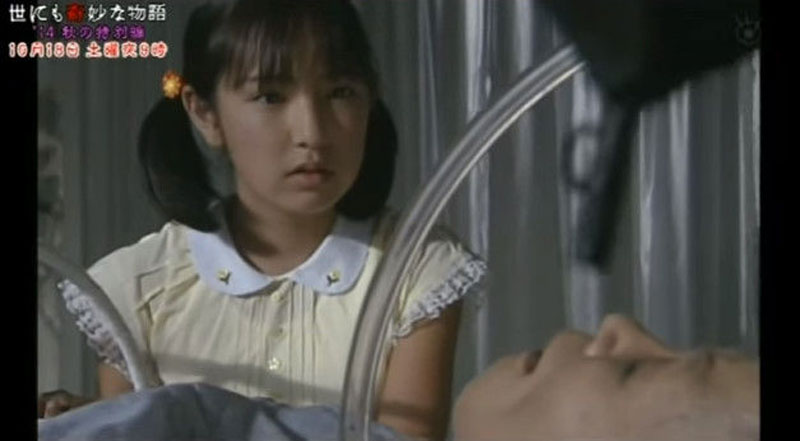
The definitive benchmark for this subgenre remains the legendary Autumn 2001 short titled simply "Obaachan" (Grandmother), directed by Masayuki Ochiai and starring veteran actress Yoshiko Kuga. The plot follows a young girl visiting her bedridden, ostensibly mute grandmother in an imposing traditional house. While the rest of the family dismisses the girl's unease as childish imagination, the grandmother engages in escalating, sadistic psychological torment whenever adults leave the room.
What makes the installment unforgettable is its manipulation of generational credibility. The child screams for help, but her parents see only a fragile octogenarian who cannot even feed herself. The episode builds excruciating tension through tight framing and subtle physical shifts, a sudden malicious grin, a deliberate hand squeeze, an unnatural burst of speed when no one else is watching. The climactic twist upends the balance of sympathy entirely, revealing that survival instinct in the elderly can outstrip every moral boundary of kinship.
Evolution of Elderly Horror in Tales of the Bizarre (1990, 2026)
Over thirty-six years of broadcasting, the anthology's treatment of elderly characters evolved alongside shifting demographics in Japan. Early episodes leaned heavily on traditional urban myths and ghost stories, while later iterations engaged with biological decline, technology, and economic isolation.
| Broadcast Era | Dominant Thematic Trope | Underlying Social Tension |
|---|---|---|
| 1990, 1999 (Early Show Era) | Rural curses, vengeful spirits, folk magic, ubasute folklore | Rapid urbanization erasing ancestral rural customs and ties |
| 2000, 2012 (Golden Anthology Era) | Domestic gaslighting, hidden physical malice, parasitic bodysnatching | Nuclear family breakdown and the rising friction of in-home caregiving |
| 2013, 2026 (Modern Digital Era) | Inherited home cleanouts (jikka jimai), algorithmic hauntings, memory swaps | Super-aging demographics, solitary deaths (kodokushi), inherited domestic debt |
The progression visible in television archives mirrors national reality. In 1990, when Tamori first walked across the fog-drenched stage to introduce the series, Japan was at the end of its bubble economy. By the mid-2020s, demographic decline and rural ghost towns (genkai shūraku) turned inherited family houses into literal and metaphorical sites of dread.
Rural Folklore and the Terror of the Countryside Return
A recurring storytelling structure within Tales of the Bizarre involves the urban protagonist returning to an ancestral countryside home. Tokyo-based salarymen or university students step off a desolate train platform to find an elderly grandmother waiting on the gravel road. The setup immediately establishes an atmospheric trap.
In these shorts, the grandmother serves as the gatekeeper to an insular community governed by obscure, non-rational rules. The horror relies heavily on acoustic cues: the scraping of sliding fusuma doors in the dead of night, the repetitive clicking of rosary beads, or muttering in unintelligible rural dialects. Directors exploit the spatial architecture of traditional wooden Japanese homes, long, dimly lit corridors where floorboards groan under unseen weight. The visiting protagonist discovers that the grandmother's affectionate cooking or insistence that they stay indoors after sundown is not protective care, but preparation for a ritual sacrifice designed to ensure village longevity.
Why the Unsettling Elderly Trope Commands Japanese Horror
The enduring dread of the grandmother figure operates on deep-seated cultural vulnerabilities. In Japan, filial piety dictates absolute respect and care for aging parents and grandparents. Exhibiting fear, disgust, or impatience toward a frail relative carries immense social guilt. Horror screenwriters exploit this psychological deadlock brilliantly.
When an elderly character behaves bizarrely on screen, the protagonist cannot simply flee or fight back without violating the core social contract. If an old woman blocks the doorway or brandishes kitchen shears while muttering nonsense, the younger protagonist hesitates. That hesitation is fatal. The terror functions because the monster wears the face of someone society insists you must protect at all costs. The viewer shares the protagonist's paralyzed confusion: is this dementia, cruelty, or an ancient parasitic entity claiming an old body?
Frequently Asked Questions (FAQ)
Q1: What is the most famous grandmother episode in Tales of the Bizarre?
A1: The Autumn 2001 segment titled "Obaachan" (おばあちゃん), starring Yoshiko Kuga and directed by Masayuki Ochiai, is widely regarded as the most terrifying entry. It focuses on a supposedly bedridden, silent grandmother who terrorizes her young granddaughter whenever adult family members are out of sight, culminating in a grim twist ending.
Q2: Why does Tamori always introduce these stories?
A2: Tamori has served as the series storyteller since its 1990 debut. Dressed in a black suit with signature sunglasses, his role mirrors that of Rod Serling in The Twilight Zone, framing each urban legend or psychological horror short with dry, witty, and unsettling commentary on human nature.
Q3: Where can international viewers watch classic episodes like Obaachan?
A3: While vintage rights across 36 years remain complex due to talent contracts, Fuji TV regularly packages selected classics for its Japanese streaming platform FOD. Broadcast specials continue to air biannually on terrestrial television, with occasional catalog licensing on international Asian drama services.
What Lies Ahead for the Anthology
The upcoming Fuji TV Summer 2026 Special and its transition to regular monthly streaming drops on FOD confirm that public appetite for localized, twist-driven dread remains potent. As veteran performers pass the torch to young talents like Yuno Nagao and grounded dramatic actors like Shuri, the narrative lens continues to sharpen around domestic guilt and fractured family lineages.
The creepy grandmother figure will not disappear from Japanese speculative fiction. As rural family homes empty out and the divide between aging prefectures and urban metropolises widens, the image of an ancient relative waiting alone in a sprawling, silent wooden house becomes more uncanny with each passing year. Tales of the Bizarre demonstrated decades ago that the most enduring monsters do not arrive from outer space or deep underground. They sit quietly in the back room, smiling gently, waiting for you to come home.