Tales of the Unusual 2026 Broadcast Timeline: From Fuji TV Special to FOD Streaming
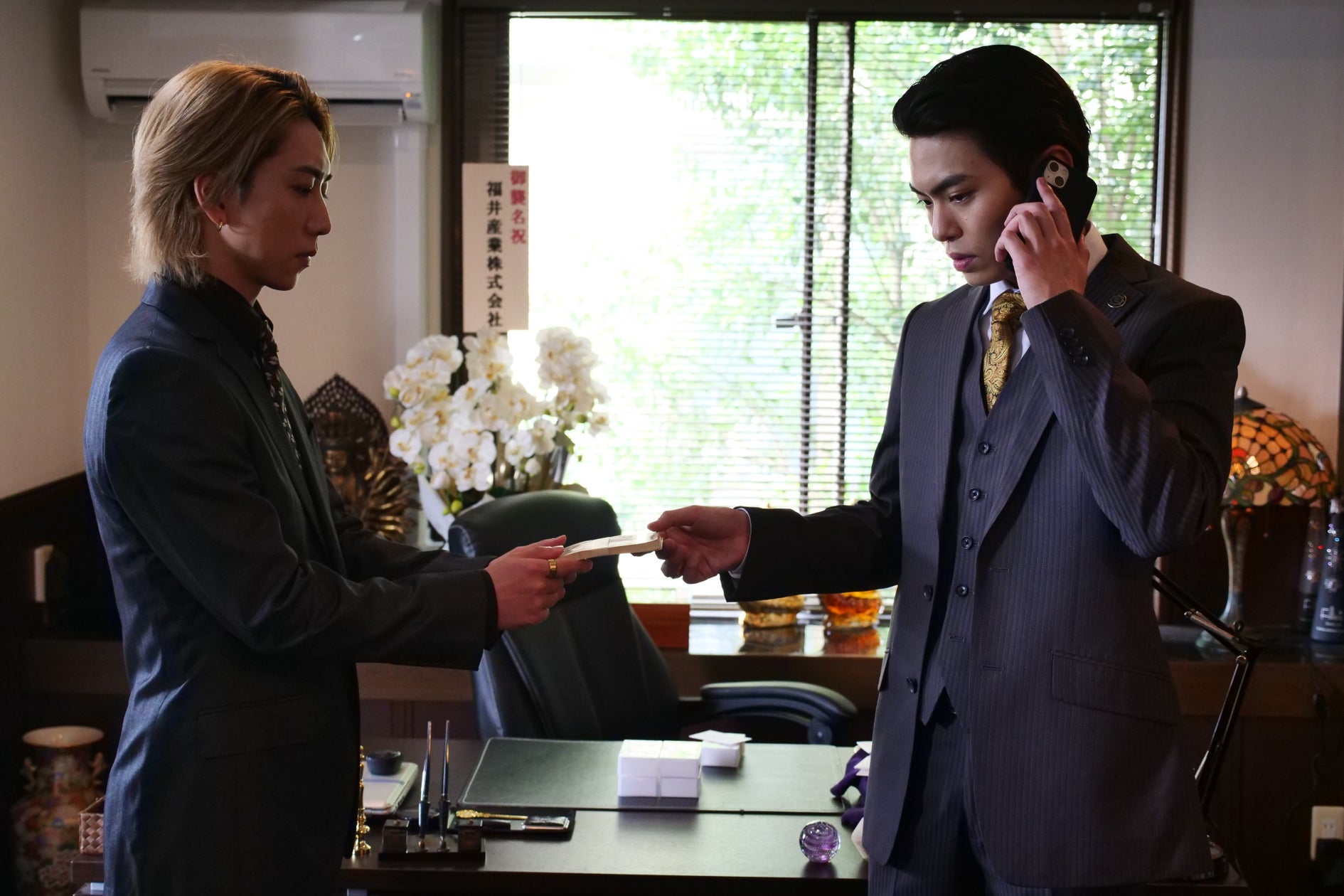
Fuji Television is reviving its longest-running anthology franchise for the summer of 2026, pairing prime-time terrestrial television with an aggressive monthly streaming rollout. As confirmed by an ORICON NEWS Report, Tales of the Unusual ’26 Summer Special (Yonimo Kimyou na Monogatari) airs June 27 at 9:00 PM JST under the network's flagship Saturday Premium block. The summer edition marks 36 years since the series debuted in April 1990, delivering four original short stories fronted by Shuri and Takaya Kamikawa before expanding into exclusive digital territory on Fuji TV On Demand (FOD).
For decades, few pop-culture motifs have haunted Japanese television quite like the cursed videotape. Long before viral internet creepypasta, Tales of the Unusual built its reputation on grainy magnetic tape, static-drenched television screens, and unsolved twist endings that lingered long after the credits rolled. The 2026 slate leans directly into that psychological heritage, confronting characters with the physical debris of the late Showa and early Heisei eras.
📌 Key Takeaways:
- Terrestrial Premiere: The two-hour summer special airs Saturday, June 27, 2026, at 9:00 PM JST on Fuji TV's Saturday Premium, featuring four standalone stories.
- Headlining Debuts: Award-winning actor Shuri makes her franchise debut starring in a family-estate psychological drama, alongside veteran actor Takaya Kamikawa in a separate leading segment.
- FOD Streaming Rollout: Uncut, platform-exclusive episodes drop on the FOD streaming service starting June 27 at 11:10 PM JST, moving to regular monthly releases on the final Saturday of each month.
The Cursed Videotape Heritage of Yonimo Kimyou na Monogatari
The magnetic tape holds a sacred, terrifying place in Japanese psychological horror. When Tales of the Unusual first arrived on television screens in the spring of 1990, the VCR sat at the center of the Japanese living room. Black VHS cassettes, unlabeled home recordings, and flickering tracking lines served as everyday conduits for urban legends. Unlike western slashers that rely on physical stalkers, J-horror treated the videotape as an invasive psychic presence. If you pressed play on the wrong cassette, the room around you began to unravel.
The franchise spent three and a half decades refining this dread. Classic episodes from the 1990s television archives turned security camera footage, answering machine tapes, and rented video cassettes into instruments of existential doom. The mechanical clunk of a tape loading into a deck signaled that an ordinary salaryman or student had crossed into Tamori's twilight zone. The format succeeded because magnetic tape degrades over time. It warps, buzzes, and preserves ghostly double-exposures that feel accidental, intimate, and distinctly haunted.
Online horror communities still treat early 1990s VHS recordings of the show as legendary artifacts. Uncut television broadcasts from that era, complete with long-forgotten commercial breaks, emergency earthquake tickers, and raw Tamori monologues, circulate across video preservation forums. The analog imperfections elevate the horror. As modern displays grew crisper, the franchise found that nothing chills an audience quite like the harsh static of an obsolete format.
Shuri and Takaya Kamikawa Lead the 2026 Terrestrial Slate
The June 27 Saturday Premium broadcast centers on two major franchise debuts. Shuri stars in a story grounded in a distinctly contemporary Japanese anxiety: jikka-jimai, the exhausting process of clearing out and shuttering an aging parental home. Fresh from her mother's funeral, her character must sift through decades of accumulated family possessions in an empty house. The drama takes a sharp supernatural turn when forgotten physical media reveals recordings that contradict her memories of her family's past.
The production taps into raw emotional realism. Sorting through cardboard boxes of obsolete media in a quiet provincial home produces an isolating, disquieting atmosphere. Takaya Kamikawa headlines a parallel segment that explores the moral disorientation typical of prime Tales of the Unusual writing. Kamikawa plays a meticulous professional caught inside an inescapable bureaucratic puzzle where minor decisions produce wildly disproportionate reality shifts.
Both segments rely on grounded psychological tension rather than creature effects. Storyteller Tamori returns in his signature sunglasses and morning coat, delivering deadpan philosophical framing sequences between each segment. At 80 years old, Tamori remains the sole constant in the anthology's 36-year run, serving as the bridge between late-twentieth-century television traditions and modern Japanese screen acting.
Broadcast and Streaming Schedule: Summer 2026 Lineup
Fuji TV is splitting the 2026 summer release across two distinct platforms. Terrestrial viewers receive the traditional curated four-story special, while digital subscribers gain access to serialized standalone content that continues through the autumn.
| Release Window | Platform | Featured Cast & Format |
|---|---|---|
| June 27, 2026 (9:00 PM JST) | Fuji TV (Saturday Premium) | Shuri, Takaya Kamikawa (4-segment terrestrial special) |
| June 27, 2026 (11:10 PM JST) | FOD (Streaming Exclusive) | FOD Original Episode 1 (Post-broadcast streaming launch) |
| July 25, 2026 (9:00 PM JST) | FOD (Streaming Exclusive) | IMP. (FOD Original Episode 2) |
| Final Saturday Monthly (Fall 2026) | FOD (Streaming Exclusive) | Monthly standalone original episodes (21:00 JST drops) |
The network designed the schedule to prevent viewer drop-off. The terrestrial Saturday Premium broadcast concludes at 11:10 PM JST, triggering an immediate call-to-action that directs audiences to FOD for the first streaming-only narrative. Subsequent streaming installments will drop on the final Saturday of each month at 9:00 PM JST, beginning with the July 25 episode led by the pop group IMP.

FOD Digital Expansion: Why the Anthology Broke Its Biannual Format
Since shifting away from weekly serialized episodes in the early 1990s, Tales of the Unusual relied almost entirely on a biannual rhythm: one spring/summer special and one autumn special. That model protected production values and turned each broadcast into an event. In 2026, domestic streaming competition forced Fuji TV to modernize that strategy.
By establishing a monthly digital installment through FOD, the production team gains creative flexibility. Broadcast television in Japan operates under strict standards regarding violence, existential dread, and pacing. Streaming-first episodes can indulge in slower burns, bleaker conclusions, and experimental visual storytelling reminiscent of late-night independent horror. The monthly cadence also keeps younger audiences subscribed to FOD between major terrestrial event windows.
The July 25 episode starring IMP. highlights this demographic targeting. Casting a rising seven-member boy band within a claustrophobic psychological narrative introduces an audience segment that did not grow up watching the 1990s originals. It bridges generational viewing habits: older viewers tune in for Saturday Premium nostalgia, while younger fans follow their favorite performers directly to the streaming app.
The Persistent Power of Unsolved Twist Endings
Most modern horror cinema insists on total explanation. Monsters get origins, curses get ancestral backstories, and protagonists uncover ritualistic ways to survive. Tales of the Unusual became an enduring institution specifically because it refused to grant those comforts. The franchise operates on dream logic. An elevator button leads to an impossible floor, a rented apartment traps a tenant in a temporal loop, or a videotape reveals tomorrow's obituary, and nobody comes to rescue the victim.
This commitment to unresolved endings directly reflects Japanese storytelling principles like ma (negative space) and psychological ambiguity. When Shuri's character sorts through her family archives, the terror does not come from a jump scare. It comes from the realization that human memory is fragile, subjective, and completely defenseless against recorded evidence. The show leaves the audience suspended in discomfort, offering no cathartic resolution before cutting directly back to Tamori standing alone in an empty corridor.
Frequently Asked Questions (FAQ)
Q1: Where can international viewers watch the 2026 Summer Special?
A1: Fuji TV's terrestrial broadcast airs across Japanese domestic networks via Saturday Premium. International access to FOD requires a regional subscription and Japanese payment methods, though select historical episodes occasionally license to Asian regional platforms. Global distribution rights for the 2026 specials have not yet been announced.
Q2: Why is the series so closely associated with videotapes and retro tech?
A2: The series debuted in April 1990 during the peak of home video culture. Many of its most celebrated early episodes used magnetic tape, static-heavy monitors, and hidden cameras as core narrative devices, establishing visual motifs that helped define modern J-horror aesthetics.
Q3: How many episodes are included in the FOD monthly streaming release?
A3: Following the initial premiere on June 27, 2026, FOD releases one new standalone episode on the final Saturday of each month at 9:00 PM JST, including the confirmed July 25 episode starring IMP.
The Enduring Power of Analog Dread in Japanese Horror
Three decades of digital transformation have not erased the unease created by obsolete technology. High-definition screens make everything legible, predictable, and clean. That pristine clarity is why audiences still crave the murky, untrustworthy world of magnetic tape and forgotten archives. When a story presents a battered cassette discovered at the back of a deceased parent's closet, the viewer understands instinctively that the recording contains something that was never meant to be preserved.
By pairing traditional Saturday night appointment viewing with targeted monthly streaming episodes, Fuji TV ensures that Tales of the Unusual remains an active cultural mirror rather than a museum piece. Tamori's quiet introductions continue to remind audiences of a simple truth: ordinary life sits on an exceptionally thin crust of certainty. Scratch the surface, press play on the wrong tape, and the world you recognize disappears entirely.