The Complete Beginner's Manual: How to Draw Charming, Loose Girls in Minutes
In the sketchbooks of Tokyo art students and across digital drawing communities worldwide, hyper-detailed anatomical rendering has quietly yielded ground to a softer, more deliberate minimalism. Known throughout Japan as yuru-kawa, a compound of yurui (loose, relaxed) and kawaii (cute), this illustration style strips away hyper-dense line work in favor of rounded silhouettes, expressive shorthand, and unpretentious character designs. What began as a domestic publishing niche has expanded into a global drawing movement, driven by artists seeking warmth over technical intimidation.
The commercial momentum behind the trend is staggering. As detailed in an Excite エキサイト Report, Tokyo-based publisher Seitosha saw its flagship beginner drawing guide, Miracle Happiness Yuru-Kawa Illustration & Lettering Guide, propel their signature series past 4.2 million copies in September 2022. By November 2023, subsequent interactive editions pushed that figure beyond 4.5 million copies, underscoring an enduring consumer appetite for accessible creative expression.
📌 Quick Summary:
- The Commercial Scale: Japanese publishers have logged over 4.5 million sales in yuru-kawa instructional manuals alone, marking a structural industry pivot toward casual, low-barrier drawing guides.
- The Core Aesthetic: The style replaces rigid muscular and skeletal rules with two-to-three-head proportions, soft facial features, and relaxed everyday gestures.
- The Creative Takeaway: Anyone with a pencil or digital tablet can construct charming character silhouettes in under five minutes by mastering basic shapes, loose hair groupings, and minimalist stroke work.
The Commercial Explosion of the Yuru-Kawa Sketch Aesthetic
The cultural transition toward relaxed drafting is documented across Japan’s largest publishing houses. For decades, instructional manga manuals emphasized rigid perspective grids, dynamic musculature, and elaborate eye cross-hatching. However, between 2022 and 2024, legacy brands orchestrated a clear strategic pivot toward casual creators.
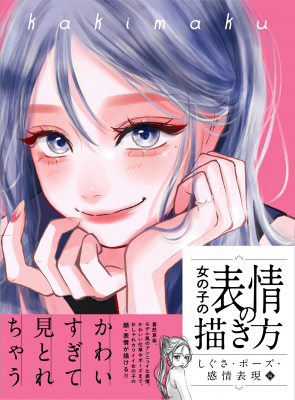
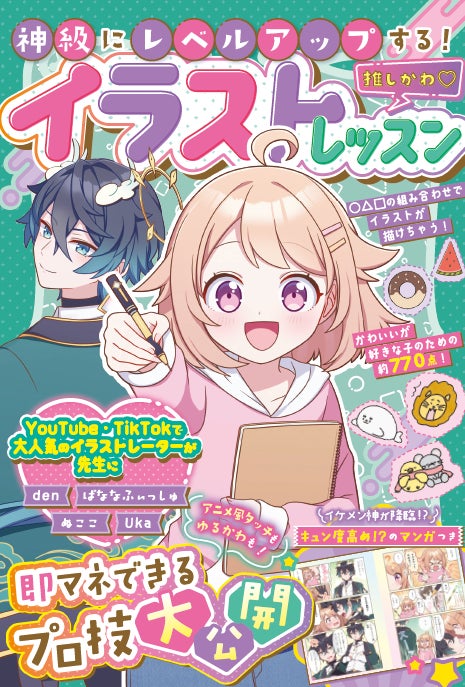
Under chief executive Kazunori Wakamatsu, Seitosha recognized that younger creators on YouTube and TikTok preferred charming, low-effort character sketches over academic drawing formulas. Other major media houses moved swiftly to capture this audience. On September 10, 2024, Hobby Japan, led by president Daisuke Matsushita, launched How to Draw Girls' Facial Expressions: Gestures, Poses, and Emotional Expressions, treating relaxed character acting with the nuance of high-end fashion styling. Two months later, on November 7, 2024, travel and lifestyle powerhouse JTB Publishing entered the arena under president Hiroyuki Morisaki, releasing Level Up to God-Tier! Oshi-Kawa Illustration Lessons.
This institutional shift highlights a fundamental realization: modern illustrators do not want clinical precision; they want emotive storytelling that can be executed quickly on a screen or notebook margin.
Chibi Girl Proportions and the Anatomy of Relaxation
Traditional character drafting demands five to seven head units of height. The yuru-kawa drawing style compresses the figure down to an accessible two-to-three-head ratio, shifting structural focus from structural realism to expressive gesture.
[ Head ] <- 1.0 Unit (Wide, rounded oval)
[ Torso ] <- 0.8 Unit (Soft trapeze / bean shape)
[ Legs ] <- 1.2 Units (Curved cylinders, soft taper)
To establish this base, draw a wide, slightly flattened circle for the skull. Instead of carving out an angular anime jawline, keep the lower cheeks curved and plump, echoing a toddler’s soft facial profile. The torso drops directly beneath the chin, eliminating elongated neck tendons. Think of the torso as a soft kidney bean or rounded trapezoid that naturally droops into a relaxed posture.
Limbs in this minimalist character design do not require complex joints, elbow notches, or detailed finger knuckles. Draft arms and legs as gently curved cylinders. Keeping the wrists and ankles smooth prevents the figure from looking stiff, while oversized boots or rounded sneaker silhouettes ground the body effortlessly.
The Evolution of Japan’s Casual Drawing Manuals
The sustained commercial demand for relaxed illustration tutorials reveals a major consumer shift across both print retail and digital workflows.
| Release Period | Publisher & Key Title | Primary Technique Focus | Market Impact |
|---|---|---|---|
| September 2022 | Seitosha (Miracle Happiness Series) | Loose doodle aesthetic and decorative typography | Surpassed 4.2 million cumulative copies sold |
| November 2023 | Seitosha (Fill-in-the-Blank Lessons) | Step-by-step sketch guide for daily social media art | Pushed series sales past 4.5 million copies |
| September 2024 | Hobby Japan (Facial Expressions Guide) | Nuanced emotional gestures and lifestyle poses | Bridged fashion design and beginner manga drafting |
| November 2024 | JTB Publishing (Oshi-Kawa Lessons) | Chibi proportions and short-form video creator workflows | Captured cross-platform YouTube and TikTok fan bases |
Expressive Eye Drawing and Simple Facial Expressions in Four Strokes
A common beginner pitfall is overworking the face with iris gradients, glossy highlight dots, and complex lash lines. Loose illustrations communicate clearer emotion when the facial features are simplified.
Place the eyes along a low horizontal guide line running straight through the lower third of the head circle. Placing the eyes this low widens the forehead, instantly generating a youthful, calm disposition. For basic expressive eye drawing, a pair of solid dots, downward-curving arcs (for a gentle smile), or horizontal dashes (for a quiet, deadpan look) convey emotion far faster than high-render eyes.
Classic Dot Pleased Smile Sleepy / Chill
( • • ) ( ⌒ ⌒ ) ( ─ ─ )
Add two soft circular blush patches directly beneath the outer corners of each eye. In this aesthetic, the blush communicates mood more effectively than the mouth. For the mouth itself, a tiny upward tick, a simple triangle, or a small dot creates an understated smile. By limiting facial features to three or four deliberate brush strokes, the character maintains an inviting warmth.
Cozy Anime Hairstyle Drawing and Everyday Wardrobe Doodles
Rendering individual hair strands destroys the soft, pillowy quality of this style. Instead, view hair as large, cohesive volumes that drape over the skull like plush felt.
Begin by sketching a soft contour floating slightly above the baseline of the head to establish natural volume. Divide bangs into two or three blunt chunks rather than countless feathered points. For short bobs or loose, low ponytails, let the ends curve inward with soft, unbroken strokes. Add a stray hair clump or a small, off-center cowlick (ahoge) at the crown to introduce asymmetry and playfulness.
Extend this simplicity to wardrobe choices. Loose-style illustrations thrive on everyday, comfortable clothing:
- Dropped shoulder seams, extra-long sleeves covering the hands, and a wide collar that gently bunches around the neck.
- Wide-leg trousers and soft knit cardigans that fold around the body without hard creases.
- Chunky over-ear headphones, a canvas tote bag, or a steaming ceramic mug that effortlessly establishes character lifestyle.
Line Art Techniques for Lo-Fi Aesthetic Illustration
Clean, razor-sharp digital vector lines often work against this aesthetic. The goal is to recreate the tactile, organic texture of an analog sketchbook.
When working in digital illustration programs like Procreate, Clip Studio Paint, or Photoshop, select a textured pencil, chalk brush, or mono-weight felt pen. Turn the brush stabilization (streamline) down slightly. A tiny amount of hand wobble gives the linework its characteristic human quality. Resist the temptation to constantly hit undo to achieve a mathematically perfect curve.
For color, stay away from high-saturation neon tones. Build your palette around muted, cozy earth tones, desaturated pastels, and soft creams. A light sepia or charcoal line color feels noticeably friendlier on the canvas than pure digital black (`#000000`). Applying a subtle paper-grain overlay on the final canvas gives the piece an inviting, published-booklet feel.
Frequently Asked Questions (FAQ)
Q1: What is the main difference between standard anime style and the yuru-kawa aesthetic?
Standard anime illustration emphasizes realistic body proportions, dramatic lighting, and sharp, angular lines. The yuru-kawa style prioritizes loose, rounded forms, two-to-three-head chibi scale, minimal facial features, and a relaxed, unhurried mood.
Q2: Do I need an expensive graphics tablet to draw loose girl illustrations?
Not at all. The foundational appeal of this aesthetic is its accessibility. A standard gel pen, a plain sheet of printer paper, or an entry-level stylus on an everyday tablet is more than enough to create authentic, expressive artwork.
Q3: How do I stop my characters from looking flat and lifeless when using so few lines?
Focus on dynamic tilt and silhouette rather than interior details. Slightly tilting the head, shifting weight to one side, or varying the curve of the body introduces personality immediately. In minimal styles, posture and silhouette carry the weight of expression.
The Creative Freedom of Imperfection
The rapid international adoption of the yuru-kawa aesthetic signals a refreshing shift in how visual art is produced and enjoyed. By intentionally walking away from hyper-technical demands, creators make room for quiet storytelling, humor, and charm.
The core lesson from Japan’s millions of manual readers is simple: illustration does not need to be intimidating or anatomically exhaustive to move an audience. By leaning into loose outlines, simplified features, and cozy silhouettes, you give your characters a welcoming voice, one unhurried sketch at a time.