The Complete Boy Birthday Cake Checklist: Creative Themes and Safe Bakery Picks
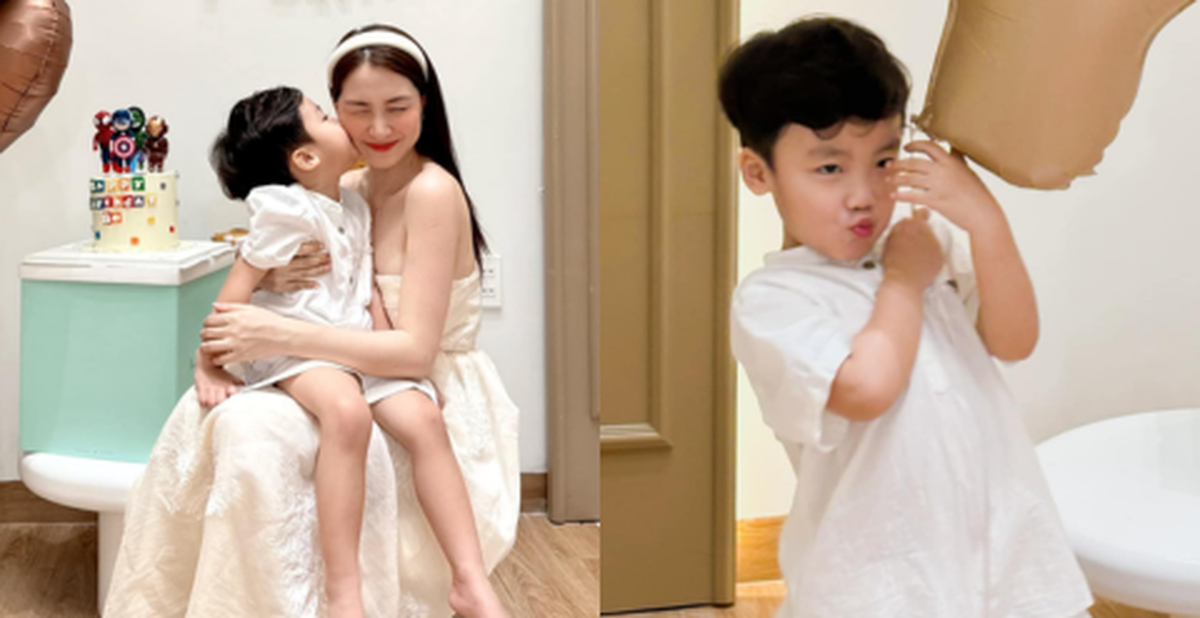
Every parent remembers the moment the candles flicker on their child's birthday cake. When Vietnamese pop star Hòa Minzy celebrated her son Bo turning four years old, her candid family photos sparked widespread delight across social media, as documented by a Kenh14 report detailing the toddler's animated reactions in front of his custom cake. Yet beneath the vibrant frosting, curated themes, and picture-perfect centerpieces lies an unforgiving logistical challenge. What parents purchase as an artistic centerpiece is also a perishable food item subject to bacterial contamination, structural collapse, and ingredient hazards.
Selecting the right cake involves far more than picking an eye-catching design from an online gallery. The market for custom boy birthday cake designs ranges from modest home-kitchen operations to commercial artisanal studios commanding premium fees. Navigating this space requires balancing visual flair with rigorous safety standards, from structural support integrity to microbiological hygiene.
📌 Quick Summary:
- Design Innovation: Modern celebrations balance bold visual storytelling, ranging from rustic dinosaur excavations to hyper-detailed construction sites, with tailored nutritional formulas.
- Critical Safety Margins: The divide between licensed production facilities and unregulated ghost bakeries directly determines baseline food safety, ingredient integrity, and allergen controls.
- Logistical Realities: From extreme thermal instability during transit to heavy artificial dye concentrations, decorative ambition often conflicts directly with perishable pastry science.
Trending Concepts in Boy Birthday Cake Designs
The visual language of custom celebration cakes has shifted dramatically away from flat sheet cakes with printed sugar paper toward multi-dimensional, narrative centerpieces. Parents planning milestone events increasingly seek concepts that mirror their child's specific developmental stages and imaginative worlds. For toddlers entering preschool, vehicle and construction themes dominate order boards. These arrangements regularly feature edible biscuit-crumb gravel, chocolate rock mounds, miniature excavator toys, and dark chocolate ganache roadways that give the confection a tactile, playful dimension.
Prehistoric adventures present another evergreen design current. Rather than generic cartoon reptiles, modern dinosaur cake toppers frequently lean toward naturalistic prehistoric landscapes. Bakers build these using textured matcha sponge moss, fractured chocolate boulders, and airbrushed jungle canopies. For older boys aged five to ten, dynamic superhero theme cakes command attention. These builds often rely on gravity-defying cantilevered tiers, edible comic-panel prints, and bold silhouette cutouts suspended on food-safe acrylic rods.
First birthday celebrations introduce distinct design requirements centered on sensory play. The first birthday smash cake, typically an individual four-inch or five-inch personal cake placed directly in front of the infant, prioritizes soft textures and minimal structural resistance over elaborate architecture. Because infants crush and ingest these cakes with bare hands, bakers omit internal structural dowels and heavy sugar coatings, opting instead for whipped fruit purees and light dairy creams that photograph cleanly while remaining easy on developing digestive tracts.
The Structural Showdown: Fondant vs Buttercream
Every cake commission hinges on a fundamental material choice: whether to finish the exterior with rolled sugar paste or whipped fat emulsion. This choice dictates how the cake looks, how long it holds up in warm weather, and whether guests actually eat the outer layer or push it aside.
Fondant delivers unmatched sculptural versatility. It creates razor-sharp edges, smooth porcelain finishes, and complex three-dimensional figurines that hold their shape for hours without slumping. However, rolled fondant is essentially pure confectioners' sugar bound with gelatin, glycerin, and vegetable shortening. Most party guests find its cloying sweetness unpalatable and peel it off before eating the sponge beneath. Furthermore, fondant behaves terribly in humid climates; moisture condenses along the surface, dissolving fine details into a gummy sheen unless stored in strictly air-conditioned environments.
Buttercream offers superior flavor and mouthfeel, but it trades away structural rigidity. Swiss meringue buttercream and Italian meringue buttercream provide silky textures and manageable sweetness, yet they melt rapidly at temperatures above 72°F (22°C). While modern cake artists can achieve remarkably crisp edges using stainless-steel scrapers and acrylic disks, a buttercream exterior cannot support heavy external figures without concealed armature.
| Feature | Rolled Fondant | Meringue Buttercream | Whipped Dairy / Fresh Cream |
|---|---|---|---|
| Visual Fidelity | Sleek, porcelain finish; supports complex 3D shaping | Textured or smooth; organic, modern aesthetic | Soft, rounded edges; prone to bleeding dyes |
| Thermal Stability | High structural integrity; sensitive to humidity | Moderate; softens above 72°F (22°C) | Extremely poor; separates rapidly at room temperature |
| Smash Suitability | Unusable (tough skin, choking hazard for babies) | Ideal; breaks apart cleanly for photography | Excellent; extremely soft, safe consistency |
| Base Price Range | $120, $350+ (Labor-intensive modeling) | $65, $180 (Standard custom assembly) | $40, $90 (Common supermarket baseline) |
Hidden Risks in Custom Bakeries: The Perils of Inadequate Hygiene
Behind the glossy social media videos of spinning turntables and edible gold leaf lurks a serious regulatory blind spot. The rise of unlicensed "ghost bakeries" operating through digital storefronts without formal inspections poses acute consumer risks. Baking involves hazardous ingredients like raw eggs, animal milks, and unpasteurized fillings that can easily harbor pathogens if handled improperly.
The human cost of neglected food safety standards became painfully visible in October 2024. As reported by Vietnamese news daily 24h, a 10-year-old girl named Manvi in Punjab, India, died suddenly from acute food poisoning after eating her own birthday cake, which had been ordered online from a local facility that failed basic sanitation standards. Several other family members who consumed the contaminated confection fell violently ill. Forensic investigations into similar outbreaks consistently isolate toxic strains of Salmonella enterica, Staphylococcus aureus, or Bacillus cereus, bacteria that thrive in rich dairy creams, moist custards, and improperly chilled pastry sponges.
Preventing these catastrophes starts with demanding verifiable proof of a local commercial bakery hygiene certification. Licensed establishments must pass regular public health inspections, verify that staff hold food-handler credentials, and maintain strict separation between raw ingredients and finished goods. Choosing an unregulated home hobbyist to save $30 introduces genuine risks to a gathering filled with vulnerable young children.
Perishable Fillings and the Thermal Chain of Custody
When selecting cake profiles, parents often focus on flavor combinations without evaluating how filling stability changes over time. Modern party planning frequently leaves cakes sitting out on display tables for three to five hours in direct sunlight or warm venue lighting before anyone cuts into them.
Perishable fillings safety requires strict adherence to the two-hour threshold. Pastry creams, mousses, cooked curds, fresh fruit slices, and cream cheese frostings represent volatile microbiological environments. When fresh strawberries or cut bananas sit trapped in moist sponge cake, they weep juices, altering the water activity and creating an ideal medium for bacteria. Stable alternatives include shelf-stable fruit compotes with balanced sugar-acid profiles, emulsified chocolate ganache, or traditional Swiss meringue buttercreams that remain safe across standard ambient temperature ranges.
The safety chain also relies on reliable temperature-controlled delivery. Transporting a custom cake on the passenger seat of an ordinary vehicle invites disaster. Standard courier cars lack the mechanical refrigeration needed to keep rich fats firm and microbial counts suppressed. Professional cake delivery services utilize insulated thermal carrying systems, non-slip friction mats, and calibrated interior air conditioning maintained below 65°F (18°C) throughout the journey.
Chemicals, Allergens, and Ingredient Transparency
A cake's interior composition demands the same scrutiny as its structural durability. Children's themed cakes rely heavily on saturated colors: deep ocean blues, midnight superhero blacks, and vivid primary reds. Achieving these shades requires massive concentrations of synthetic food dyes. High doses of petroleum-derived synthetic colorants like Allura Red (Red 40) and Tartrazine (Yellow 5) can impart a bitter, metallic flavor to the frosting, stain children's teeth, and spark behavioral sensitivities in prone individuals. Transparent bakeries utilize high-purity food-grade coloring derived from plant pigments, such as spirulina extract for blues, beetroot powder for reds, and activated charcoal for deep grays.
Equally critical is strict allergen management. Birthday parties bring together diverse groups of young children, several of whom may manage life-threatening hypersensitivities to peanuts, tree nuts, dairy, soy, or gluten. Sourcing your cake through a certified allergen-free bakery ensures strict equipment isolation. True allergy-safe kitchens maintain dedicated preparation spaces and run routine protein-swab tests, preventing trace cross-contamination that can easily trigger pediatric anaphylaxis.
The Client Intake Checklist: How to Vet a Commercial Bakery
Commissioning an elaborate custom cake requires systematic due diligence. Avoid settling for vague social media reassurances by running through this non-negotiable vetting protocol before sending your deposit:
Begin by asking for their business entity license and their latest local health inspection score. Any commercial baker reluctant to share their municipal hygiene rating should raise immediate red flags. Clarify ingredient sourcing, especially regarding unpasteurized egg whites in meringues and the specific origin of their internal structural armatures. Ensure that all internal dowels, cake boards, and support tiers consist of food-safe polypropylene or dowel-grade birch rather than untreated construction lumber or industrial hardware.
Conduct a thorough freshness inspection the moment your cake arrives at the venue. Touch the base cake board to confirm the entire tier is cold to the touch. Examine the seams where the cake meets the board for any weeping moisture, sour dairy odors, or slumping structural walls. If the cake arrived in an unchilled vehicle or exhibits signs of thermal breakdown, contact the venue management and bakery immediately to address the safety risk before serving it to guests.
Frequently Asked Questions (FAQ)
Q1: How far in advance should I book a custom boy birthday cake?
A1: Top-tier bespoke cake studios routinely book their production calendars 4 to 8 weeks ahead, particularly for weekend deliveries during peak spring and autumn event cycles. Ordering early allows the baker to source custom food-grade coloring, plan custom acrylic toppers, and schedule proper structural curing time for multi-tier assemblies.
Q2: How much cake do I actually need per guest?
A2: Calculate based on standard catering portion sizes. A standard party slice measures approximately 1.5 inches by 2 inches, while an event-style wedding slice measures 1 inch by 2 inches. For a children's party of twenty kids and fifteen adults, a two-tier cake sized at 8 inches and 6 inches yields roughly thirty-five to forty generous servings without generating excessive food waste.
Q3: Can a smash cake be made without refined sugar for a one-year-old?
A3: Yes. Many specialty pastry chefs construct smash cakes using natural fruit purees, such as mashed bananas, unsweetened applesauce, or date paste, for sweetness. These bases pair with whipped coconut cream or lightly sweetened cream cheese frosting, minimizing digestive upset for infants experiencing rich fats and sugars for the first time.
A Balanced Approach to Birthday Cake Planning
A memorable birthday centerpiece should celebrate childhood imagination without compromising food safety. Striking that balance means stepping away from unvetted online vendors and prioritizing licensed, transparent bakeries that hold verified hygiene credentials. Treat the centerpiece not merely as an art installation, but as a perishable food product consumed by the people you care about most. Confirm their temperature controls, scrutinize their ingredient labels, and establish clear delivery protocols early. Approached with a critical eye, your custom celebration cake will provide an unforgettable culinary memory, for all the right reasons.