The Complete Green Ume Soy Sauce Pickling Guide: Beginner Recipe and FAQs
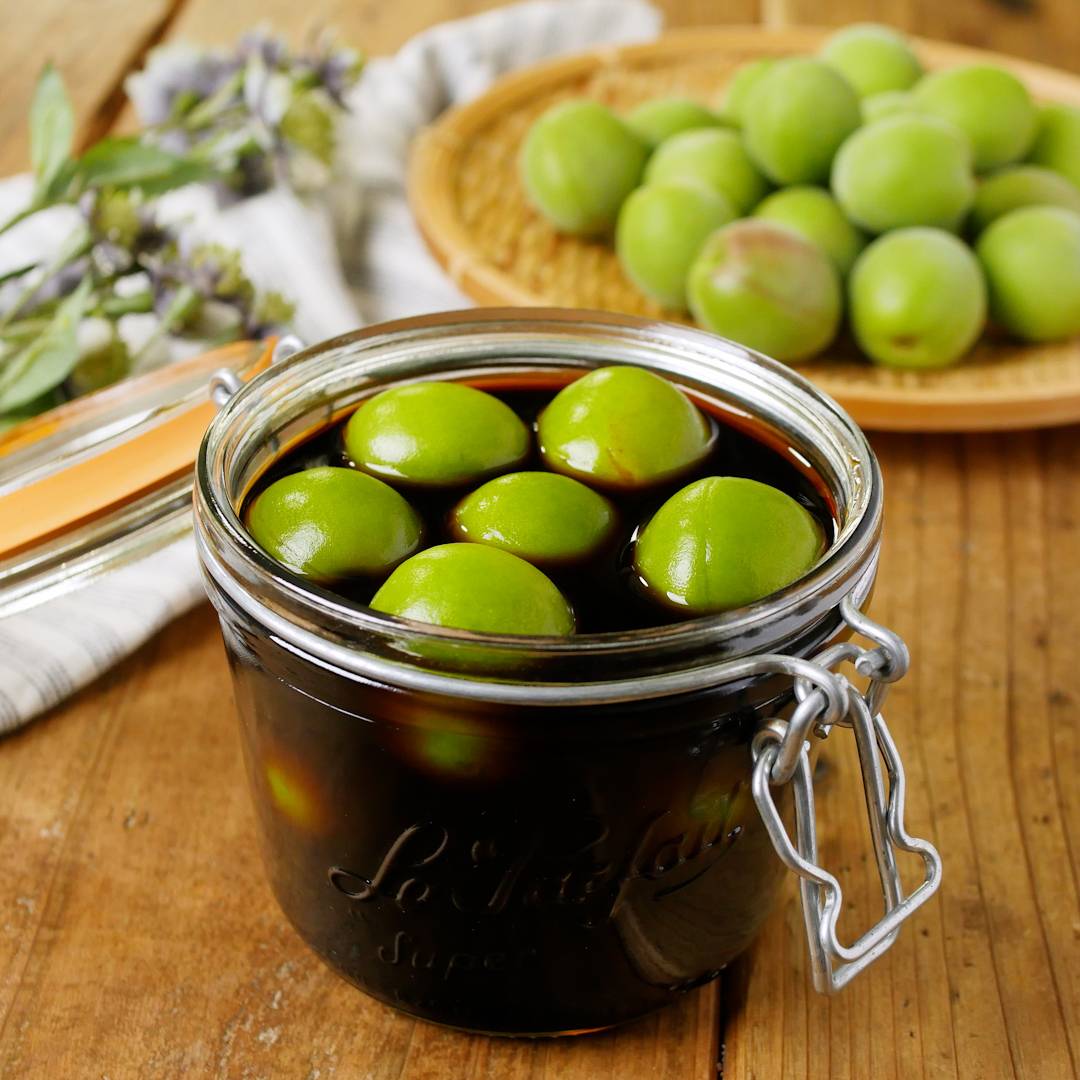
Every year between late May and late June, grocery stores across Japan fill their produce aisles with crates of rock-hard, jade-colored unripe plums. This brief arrival marks the opening of the Japanese ume season, a cultural ritual known as umeshigoto ("ume plum work") where households preserve the early summer harvest into liqueurs, syrups, and pickles. While traditional salt-cured umeboshi require weeks of drying in the humid monsoon air, one preservation method delivers immediate, high-impact culinary rewards with minimal effort: shoyu zuke pickling, or green ume submerged in dark soy sauce.
Home cooks are increasingly turning away from sugary syrups in favor of savory preparations that transform ordinary pantry staples into complex condiments. As highlighted in an MSN report on seasonal umeshigoto techniques, steeping firm green plums in soy sauce yields an all-purpose seasoning packed with malic and citric acids, producing an intensely fragrant umami soy infusion. The process yields two distinct kitchen assets: an aromatic, tart sauce for drizzling and a crisp, salty-sour pickled fruit that enhances summer meals.
📌 Key Takeaways:
- The Essential Formula: A strict 1:1 weight ratio of fresh green ume plums to regular dark soy sauce creates the baseline balance, with optional additions of mirin or kombu to soften acidity.
- The Prep Safeguard: Meticulous stem removal technique and alcohol sterilization prevent mold contamination, while soaking mitigates bitter polyphenols.
- The Dual Payoff: The resulting liquid functions as an elevated dipping sauce, while the preserved plum flesh serves as a crunchy garnish for grilled fish, cold noodles, and eggs.
Why Green Ume Soy Sauce Pickling Dominates Early Summer Kitchens
Traditional ume preservation carries a reputation for being finicky. Pickling red umeboshi demands salt weights, precise humidity management, and sunny July afternoons to sun-dry the fruit on bamboo trays. A single mold spore can ruin kilograms of fruit. In contrast, green ume shoyu zuke requires roughly 30 minutes of hands-on prep and can be stored directly inside an ordinary refrigerator.
The culinary magic relies on osmotic pressure. As the dark soy sauce surrounds the firm fruit, it extracts the plum's natural moisture, organic acids, and volatile fruity aromatics. In exchange, sodium and fermented glutamates penetrate the fruit's cell walls. The resulting liquid sheds the one-dimensional saltiness of industrial soy sauce, taking on a crisp, mouthwatering tang reminiscent of high-end ponzu, but without added citrus juice or refined sugars.
Culinary practitioners prize the preparation because it wastes nothing. The seasoned soy sauce acts as a ready marinade for raw beef, seared tuna, and steamed chicken. Meanwhile, the submerged plums retain a pleasant snap for months, ready to be minced into rice balls or simmered with fatty cuts of pork.
Essential Ingredients and Ratios for Umami Soy Infusion
Building a successful batch starts with fresh, unblemished fruit. You want green ume plums (aoume) harvested early in the season, firm, deeply green, and completely free of soft spots or yellow blushes. Ripe plums contain higher sugar and soften too quickly, turning the brine muddy.
The standard benchmark uses equal weights of fruit and soy sauce:
- 500 grams fresh green ume plums: Select firm, unbruised fruit, ideally medium to large sizes like the Nanko variety from Wakayama Prefecture.
- 500 milliliters Japanese dark soy sauce (koikuchi shoyu): Choose a naturally brewed soy sauce containing only water, soybeans, wheat, and salt. Avoid chemically hydrolyzed varieties with high-fructose corn syrup.
- 50 milliliters mirin (optional): Added by cooks who want to blunt the sharp raw edge of the plum's acidity.
- 1 strip dried kelp (kombu, approx. 5 grams): Wiped clean with a damp cloth, added to provide underlying glutamic depth.
- High-proof alcohol (shochu or 35% white liquor): Used exclusively for surface sterilization, not for flavor.
Step-by-Step Preparation: Soaking, Stem Removal, and Sterilization
Executing the basic method properly prevents spoilage and eliminates astringency. While modern cultivated ume varieties possess less bitterness than heritage cultivars, careful prep remains vital.
First comes bitterness extraction, known in Japanese kitchens as aku nuki. Place the unwashed plums in a large basin of cold tap water. Let them soak for 2 to 4 hours. Do not leave firm green ume submerged overnight; prolonged soaking waterlogs the flesh and causes the skin to turn brown. If your plums show slight yellow tones, skip this soaking step entirely, as softer plums absorb too much water.
Next, lift the plums from the water and dry each one thoroughly using a clean cotton towel. Moisture is the primary catalyst for surface mold. Inspect the small indented stem cavity at the top of each fruit. Using a wooden toothpick or bamboo skewer, gently pry out the tiny black stem cap. This stem removal technique takes seconds per fruit. Leaving the hard woody cap attached introduces trapped dirt and imparts an unpleasant tannic bitterness to the infusion.
Once dried and destemmed, mist the plums with 35% ABV white liquor or culinary-grade shochu to kill wild airborne yeasts. Wash your glass storage container with hot soapy water, dry it thoroughly, and wipe the interior walls with an alcohol-soaked paper towel. Place the plums into the jar, drop in the optional kombu strip, and pour the dark soy sauce over the top until the fruit is completely submerged. Seal the lid tightly.
Fresh vs. Frozen Plum Infusions: Extraction Timelines and Textures
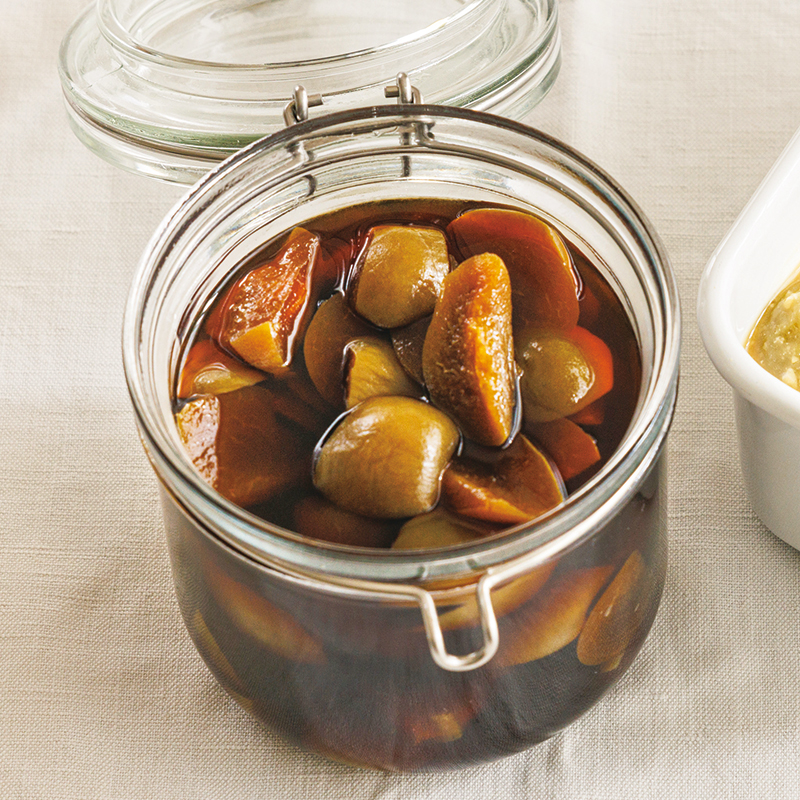
Home cooks face a technical choice between steeping fresh fruit at room temperature or freezing the plums solid before pouring the soy sauce. As documented by Japanese culinary writer Kinniku Ryourinin, freezing collapses the cellular structure of the plum, causing ice crystals to puncture the internal walls. This structural change radically speeds up juice extraction.
| Method | Ready to Consume | Plum Texture | Best Culinary Application |
|---|---|---|---|
| Fresh Ume Steep | 14, 21 days | Crunchy, taut, firm bite | Slicing for salads, stir-fries, and table pickles |
| Frozen Ume Method | 3, 5 days | Soft, wrinkled, pliable | Mashing into pastes, glazes, and dipping sauces |
| Blanched/Pricked Skin | 7, 10 days | Semi-firm, tender skin | Quick seasonal condiment, braising bases |
The fresh method produces superior texture if you enjoy snacking directly on the pickled plums. The plums shrink slowly as water leaches out, retaining a snappy, crunchy texture similar to commercial karikari ume. Conversely, the frozen method extracts juices within 72 to 96 hours, making it the ideal path if you missed the early June rush or want immediate sauce for weekend grilling.
Kitchen Troubleshooting: Shelf Life, Storage, and Common Pitfalls
Because soy sauce has a high salt content, typically hovering around 14% to 16% salinity, spoilage is rare if basic sanitization rules are observed. Even so, novice picklers encounter a few recurring issues.
During the first week, green plums float to the surface due to internal air pockets. Plums exposed to ambient air inside the headspace of the jar can develop white surface yeast. Swirl the jar once daily for the first 7 to 10 days. Coating the tops of the plums with the salty brine keeps microbes from establishing a foothold. After two weeks, the fruit absorbs enough salt and liquid to sink naturally.
Store the steeping jar in a cool, dark cupboard during initial maceration. Once opened, move the container directly to the refrigerator. When kept chilled at temperatures below 5°C (41°F), the infused soy sauce has an estimated shelf life of up to 12 months, maturing and deepening in complexity like vintage wine. The fruit itself remains pristine for 6 to 8 months before becoming excessively salty.
Should you spot white, fuzzy mold on the liquid's surface, discard the batch. However, do not confuse white kahm yeast, a harmless, thin, flat powdery film caused by air exposure, with true mold. If kahm yeast appears, skim it off immediately with a sanitized spoon and store the jar in the refrigerator to suppress further growth.
Pairing and Applications: From Dashimaki Tamago to Summer Noodles
Green ume soy sauce is an exceptional replacement for standard table condiments across warm-weather dishes. Its balance of tart acidity and roasted soy notes cuts through animal fats cleanly.
One classic pairing highlighted by food reporters at Asahi Shimbun is the dashimaki tamago accompaniment. Finely dice one or two pickled green plums and fold them directly into beaten eggs laced with dashi before rolling the omelet in a tamagoyaki pan. The tart, crisp plum pieces punctuate the soft, savory egg curd. Alternatively, grate fresh daikon radish onto a plate, spoon diced ume shoyu zuke over the mound, and serve it alongside the finished omelet.
The infused soy sauce also acts as a primary seasoning for cold somen noodles and hiyashi chuka. Whisk two tablespoons of the ume soy sauce with cold dashi broth and a splash of toasted sesame oil for a fast dipping broth. Brush it over skewered chicken thighs (yakitori) during the final minute on the grill; the natural fruit sugars caramelize against the charcoal while the plum acid balances the chicken fat.
Frequently Asked Questions (FAQ)
Q1: Can I make this recipe with ripe yellow ume plums?
A1: Yes, but the outcome will differ. Yellow ume plums are softer and have lower acidity. They break down quickly in the soy sauce, resulting in a cloudier sauce and mushy fruit rather than a crisp table pickle. If using ripe ume, strain the sauce through fine cheesecloth after 10 days and use it primarily as a meat glaze.
Q2: Why do I need to soak the plums in cold water before pickling?
A2: Soaking extracts excess tannins and bitter polyphenols (aku) from unripe green fruit. Soaking for 2 to 4 hours softens these harsh notes. Skipping this step with very raw plums can leave an astringent coating on the tongue.
Q3: Is the liquid safe to consume without boiling?
A3: Yes. Naturally brewed soy sauce contains enough salt to inhibit pathogenic bacterial growth, provided your plums were thoroughly dried and your utensils sterilized. Boiling the finished infusion is unnecessary and would destroy the fresh, fragrant aroma of the raw fruit.
Seasonal Preservation for Year-Round Kitchen Flavor
Green plum soy sauce pickling demonstrates how simple ancestral preservation techniques remain indispensable in modern home kitchens. By combining seasonal fruit with standard pantry staples, you create an acidic, savory seasoning that elevates everyday cooking with little active labor. Prepare a jar during the brief June window, store it safely in the refrigerator, and enjoy its vibrant, sun-drenched brightness straight through the winter months.