The Complete Guide to Silence Idioms: Meanings, Mottos, and Exam Quiz Mastery
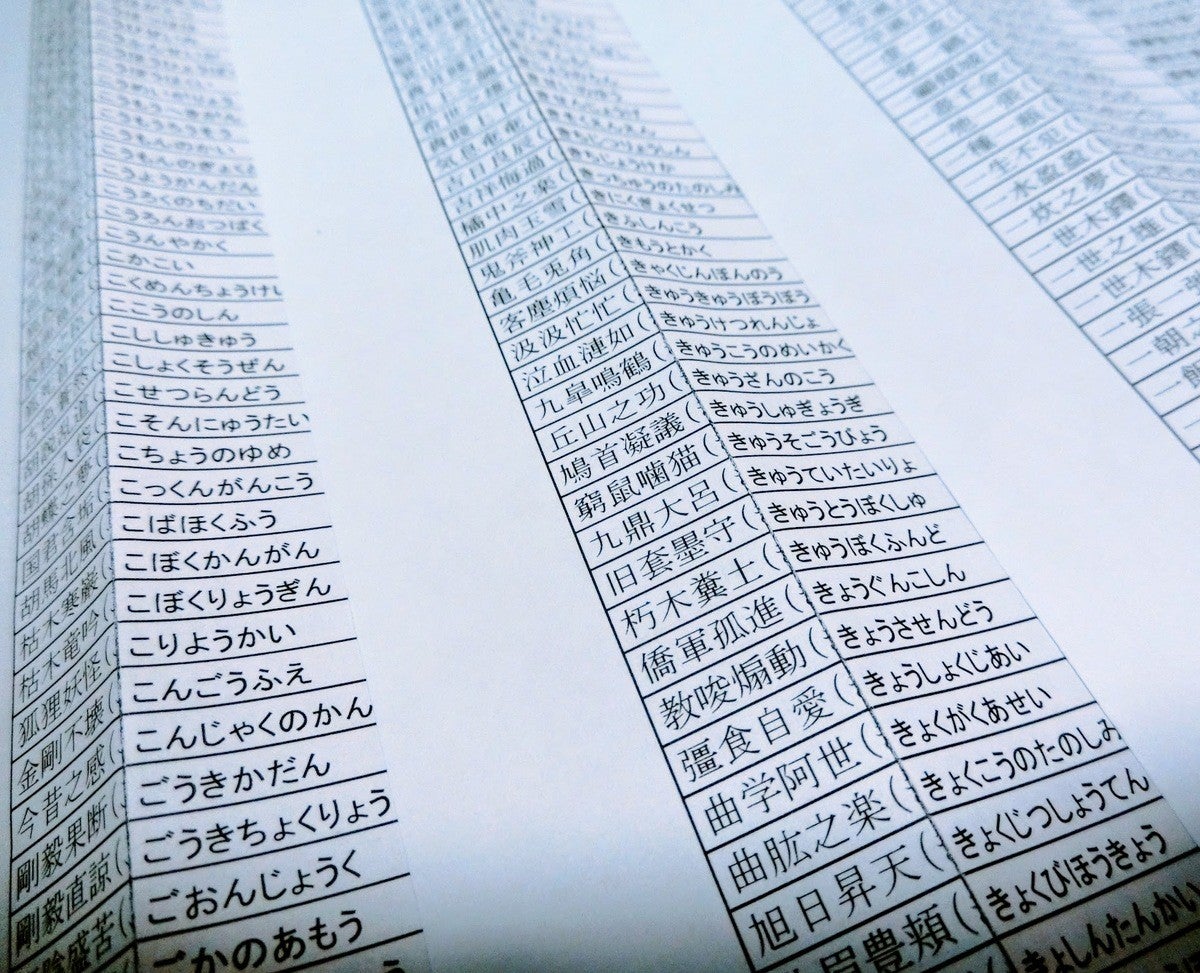
Words can mislead. In classical Japanese rhetoric, silence rarely represents mere absence; it signals disciplined restraint, internal resolve, and unspoken mutual understanding. This cultural ethos crystalizes within yojijukugo (四字熟語), four-character idiomatic compounds that compress centuries of literature, philosophy, and historical observation into four kanji. As highlighted in a マイナビニュース Report on how idiomatic cadence shapes linguistic perception, Japanese idioms carry distinct acoustic and structural weight, with silence-focused expressions remaining among the most revered across classrooms, boardrooms, and personal journals.
For students facing high-stakes Japanese language exams and professionals seeking personal mottos (zayuu no mei), mastering these idioms requires understanding the precise boundary between passive muteness and deliberate, quiet action. The difference between speaking too little and speaking through deeds defines some of the most tested expressions in modern Japanese education.
📌 Key Takeaways:
- Core Principle: Japanese silence idioms prioritize quiet execution over hollow promises, contrasting performative speech with undeniable results.
- Exam Priority: Middle school entrance exams regularly test compounds like 不言実行 (*fugen jikkou*) and 以心伝心 (*ishin denshin*) as essential vocabulary benchmarks.
- Strategic Application: Selecting a silence-based motto requires distinguishing between tactical non-verbal communication and resolute, self-contained effort.
The Cultural Weight of Restraint in Japanese Four-Character Idioms
The preference for quiet action roots itself deep within Buddhist thought, bushido treatises, and agrarian community norms. Speech was historically viewed with caution. Excessive verbal justification often suggested insincerity or a lack of emotional self-control. Within this framework, yojijukugo for silence evolved not to praise fear-driven muteness, but to elevate dignity and purposeful discretion.
Linguistically, these four-character idioms typically follow a balanced "two-plus-two" syntactic structure. Two kanji establish a condition or posture, while the subsequent pair delivers the action or outcome. When applied to expressions of silence, this structure creates tension. The first half demands verbal withdrawal, while the second demands physical execution or heightened spiritual intuition. Silence becomes the launchpad for action.
Essential Silence Idioms: From Fugen Jikkou to Ishin Denshin
A select group of silence-related compounds commands universal recognition in contemporary Japanese. Each carries a subtle psychological shade:
1. 不言実行 (Fugen Jikkou)
This idiom translates directly as "silent action over words" or "acting without speaking." It describes a person who refuses to boast, complain, or outline grand intentions in advance. Instead, they produce finished outcomes. It serves as the opposite of 有言実行 (yuugen jikkou, declaring an intention publicly to enforce self-accountability). In traditional trades, sports, and technical disciplines, fugen jikkou represents the highest standard of professional modesty.
2. 以心伝心 (Ishin Denshin)
Drawn from Zen Buddhist teaching, ishin denshin refers to unspoken communication, the direct transmission of thought, feeling, or intent from one mind to another without spoken dialogue or written scripts. While modern colloquial usage occasionally treats it like casual intuition between close friends or partners, formal prose uses it to describe profound, shared understanding built through mutual trust and long association.
3. 沈思黙考 (Chinsi Mokkou)
Constructed from the characters for sinking, thinking, muteness, and contemplating, chinsi mokkou signifies deep, undisturbed deliberation. It describes the absolute quietude required before making momentous life decisions. Unlike reactive hesitation, this compound points to deliberate, structured silence where external noise is eliminated to achieve strategic clarity.
4. 閑話休題 (Kanwa Kyuudai)
While often deployed as a transition phrase equivalent to "setting quiet chatter aside" or "returning to the main subject," this idiom reflects editorial discipline. It halts peripheral, noisy discussions to redirect collective attention toward critical business.
Academic Benchmarks: Silence and Action in Entrance Exams
In Japan's competitive testing ecosystem, four-character idioms form a core pillar of the Japanese language (kokugo) section. Analysis published by test-prep specialists on the educational platform note in July 2024 underscores that vocabulary sections for middle school entrance exams rely heavily on these compounds to separate average performers from top percentile candidates.
Cram school instructors, including veteran prep tutor RK, who released an automated testing engine for entrance prep in February 2025, frequently group fugen jikkou alongside idioms like 独立独歩 (dokuritsu doppo, standing completely on one's own) and 用意周到 (youi shuutou, thorough preparation). These words appear repeatedly because they test both kanji orthography and contextual comprehension.
The following comparison details how prominent silence-related and action-focused idioms function on academic exams and in professional usage:
| Idiom (Kanji & Reading) | Core Definition | Exam Frequency & Context | Common Trap / Orthography Error |
|---|---|---|---|
| 不言実行(ふげんじっこう) | Carrying out tasks silently without bragging or preaching beforehand. | Extremely High (Junior & Senior High entrance exams; antonym matching). | Mistaking 行 with 効 (実効), or substituting 有言実行 where modesty is required. |
| 以心伝心(いしんでんしん) | Direct tacit understanding without relying on verbal explanations. | High (Reading passages on human relationships and cultural sociology). | Writing 電 (electricity) instead of 伝 (transmit), confusing it with telecommunications. |
| 沈思黙考(ちんしもっこう) | Deep, silent contemplation before executing critical judgments. | Moderate to High (Descriptive writing and essay prompts). | Incorrect radical choice on 沈 (using wood radical instead of water radical 氵). |
| 雪中松柏(せっちゅうしょうはく) | Unchanging integrity; remaining steadfast like pine needles under heavy snow. | Moderate (Classical text comprehension and motto analysis). | Confusing 柏 (oak/cypress) with 伯 (chief/earl) due to identical phonetic readings. |
As educational portals like Benesse have pointed out in their family learning series, children often struggle with four-character compounds when they try to memorize them through rote mechanical repetition. Long-term mastery happens when students unpack the narrative history behind the characters, recognizing how two complementary pairs merge into a singular philosophical stance.
Selecting a Quiet Determination Motto for Personal and Professional Life
Beyond academic examinations, silence-focused idioms remain top candidates for personal mottos (zayuu no mei). In professional Japanese settings, personal mottos are routinely requested on job entry sheets, university admission statements, and corporate executive biographies.
A report published by Mynavi News analyzing aesthetically striking idioms notes that compounds reflecting resilience, such as 雪中松柏 (setchuu shouhaku), appeal to individuals who prefer their actions to speak louder than their declarations. Pine and cypress needles keep their green hue even under suffocating snowdrifts. The metaphor is clear: the person does not shout about their principles; they simply endure without deviation.
When adopting an idiom for a personal motto, context matters:
- For engineers, researchers, and solo operators: 不言実行 (fugen jikkou) conveys competence without self-aggrandizement. It tells prospective partners that projects will be delivered quietly, cleanly, and on schedule.
- For team leaders and cross-functional managers: 以心伝心 (ishin denshin) highlights empathy and seamless interpersonal harmony, though it must be balanced with explicit operational communication to avoid misunderstandings.
- For strategists and creative directors: 沈思黙考 (chinsi mokkou) emphasizes thorough critical thinking before product launches or capital allocation.
Common Traps and Contextual Kanji Quiz Mastery
Scoring well on vocabulary tests requires spotting near-homophones and subtle visual lookalikes. Exam boards frequently design multiple-choice distractors around characters that share identical on-yomi readings but possess conflicting meanings.
Consider the idiom 以心伝心. Test makers regularly swap the third character 伝 (convey) for 電 (electric), playing on the modern association with digital communication. An untrained student might instinctively accept "以心電心" as a plausible phrase. It is entirely incorrect.
Another persistent trap occurs with 不言実行. Students sometimes write 不言実効, swapping the character for "execution/action" (行) with the character for "efficacy/validity" (効). While jikkou sounds identical in both forms, fugen jikko demands the character of movement and practice.
To secure consistent marks, students should test themselves with contextual sentence substitution rather than isolated flashcards. Inserting the idiom into an authentic narrative sentence, identifying whether a character is reflecting in solitude or leading a community through quiet labor, solidifies retention far better than simple stroke drill sheets.
Frequently Asked Questions (FAQ)
Q1: What is the exact difference between 不言実行 (fugen jikkou) and 有言実行 (yuugen jikkou)?
A1: 不言実行 means acting without making public declarations, letting results speak for themselves. 有言実行 means openly declaring a goal before starting, using public commitment as psychological leverage to force follow-through. Both are respected, but the former represents traditional modesty while the latter reflects modern goal-setting techniques.
Q2: Is 以心伝心 appropriate to use in a formal Japanese business context?
A2: It is acceptable when describing long-term client trust or cohesive teamwork in speeches or casual networking. However, relying on ishin denshin as an operational management strategy is often criticized in modern business, where explicit documentation and clarity are necessary to prevent procedural errors.
Q3: Which silence idiom is most effective for an entrance exam essay or job interview?
A3: 不言実行 remains the most effective choice. It demonstrates humility, reliable work ethic, and focus on tangible execution. Pair it with a concrete personal example, such as maintaining an uninterrupted morning study habit for two years, to substantiate the claim.
The Lasting Power of Silent Resolve in Modern Japanese
Modern communication leans heavily toward relentless self-broadcasting, personal brand visibility, and immediate social reactions. In that environment, the quiet weight of classical Japanese idioms carries renewed appeal. Compounds that honor silence, deliberate thought, and quiet execution continue to offer a compelling counterweight.
Whether preparing for entrance examinations, studying Japanese literary forms, or choosing a governing motto for professional life, these idioms prove that the most persuasive statement is rarely the loudest one. The deepest intent needs very few characters to leave a permanent mark.