The Complete Kidori Ueno Dining Guide: Reservations, Best Dishes, and Pro Tips
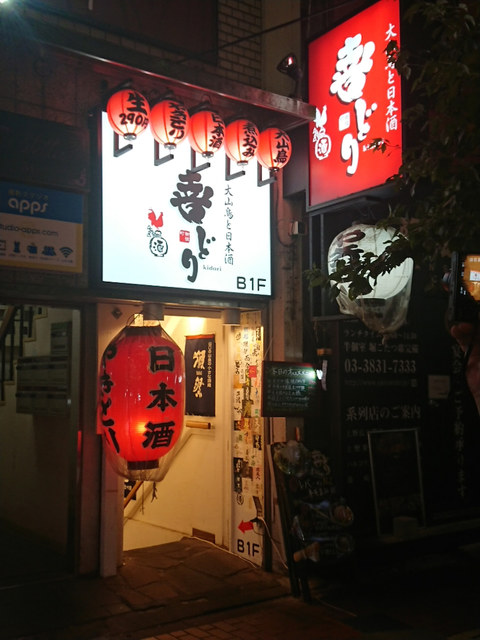
Thick clouds of fragrant binchotan charcoal smoke billow into the alleyways between Ueno and Okachimachi, drawing hungry commuters into the district's dense network of drinking establishments. Among the sea of neon signs and folding plastic tables sits 喜どり 上野店 (Kidori Ueno), an unpretentious yakitori shop known for its precise grilling, affordable chicken skewers, and lively salaryman atmosphere. While neighboring Ameyoko often overwhelms foreign visitors with tourist-heavy seafood stands, this dining room remains anchored to genuine Tokyo after-work culture.
Securing a counter stool here requires an understanding of how local izakayas operate. With rising international travel across Tokyo through 2026, finding an authentic Tokyo salaryman bar that balances accessible service with traditional charcoal mastery has become increasingly rare. Whether you plan an evening around rare offal skewers or seek a solid starting point for an Okachimachi izakaya crawl, Kidori provides an undiluted look at neighborhood dining.
📌 Key Takeaways:
- The Dining Reality: Kidori operates as a compact, smoky yakitori counter where charcoal-grilled chicken skewers take center stage over modern fusion flair.
- Peak Times and Entry: Prime dining hours run between 18:30 and 20:30; securing seats during this window requires a phone booking or visiting outside peak shifts.
- Expected Spend: A complete dinner with skewered meats, side dishes, and multiple drinks averages between ¥3,500 and ¥5,000 per person.
Behind the Smoke at Ueno’s Authentic Charcoal Counter
Stepping into Kidori puts you shoulder-to-shoulder with Tokyo office workers loosening neckties over foaming mugs of draft beer. The interior makes no concessions to minimalism: walls display handwritten wooden placards, the air carries the rich scent of caramelized soy glaze, and the grill master works continuously over open coals. This sensory density defines the traditional Tokyo local yakitori spot.
The kitchen relies on high-heat charcoal grilling to sear skewered meats instantly, sealing moisture inside while imparting a subtle smokiness that gas grills cannot replicate. The rhythm of service moves fast. Skewers arrive at your table two or three at a time directly off the grate, ensuring each piece stays piping hot. Seating is deliberately compact, maximizing capacity across counter stools and a few low tables.
Essential Kushiyaki Cuts and Must-Order Skewers
The heart of the menu revolves around classic chicken cuts alongside regional kushiyaki variations. First-time visitors should prioritize the house-ground tsukune (chicken meatball), which arrives glazed in sweet-savory tare and exhibits a tender, lightly textured bite from finely chopped cartilage. The negima (chicken thigh alternated with scallion) demonstrates the kitchen's heat control, crisping the chicken skin without scorching the sweet leek centers.
When ordering, the staff will ask whether you prefer tare (sweet soy reduction) or shio (sea salt). As a rule of thumb, delicate cuts like sasami (chicken tenderloin) and skin-on cuts like tebasaki (wings) shine brightest with salt. Richer organ meats such as reba (liver) and hatsu (heart) benefit from the depth of the house glaze. Offal cuts at Kidori maintain high rotation, meaning the liver stays creamy rather than metallic, a hallmark noted frequently across verified customer logs.
Budget Breakdown, Cover Charges, and Menu Pricing
Izakaya dining in Tokyo remains relatively cost-effective despite broader inflation trends. At Kidori, single skewers range from roughly ¥160 to ¥320, allowing diners to build an extensive tasting progression without spending excessively. Draft beers and shochu highballs sit comfortably between ¥480 and ¥680.
Every seated guest receives an otoshi (small seasonal appetizer) upon sitting down, which serves as the nominal seating charge. This fee typically adds ¥300 to ¥450 to your final bill. Payment at the register is straightforward, though carrying cash remains prudent as smaller downtown operations periodically encounter processing limits on foreign credit cards during rush periods.
| Menu Item / Category | Average Price (JPY) | Seasoning Style | Recommended Drink Pairing |
|---|---|---|---|
| Tsukune (Chicken Meatball) | ¥220, ¥280 | Tare (Sweet Soy) | Dry Pilsner or Junmai Sake |
| Negima (Thigh & Scallion) | ¥190, ¥240 | Shio (Salt) | Kaku Highball |
| Reba (Chicken Liver) | ¥180, ¥230 | Tare (Sweet Soy) | Earthy Honjozo Sake |
| Kawa (Crisp Chicken Skin) | ¥170, ¥220 | Shio (Salt) | Lemon Sour |
| Draft Beer / Highball | ¥480, ¥650 | N/A | House Pickles / Edamame |
Securing a Seat: Reservation Strategy and Peak Windows
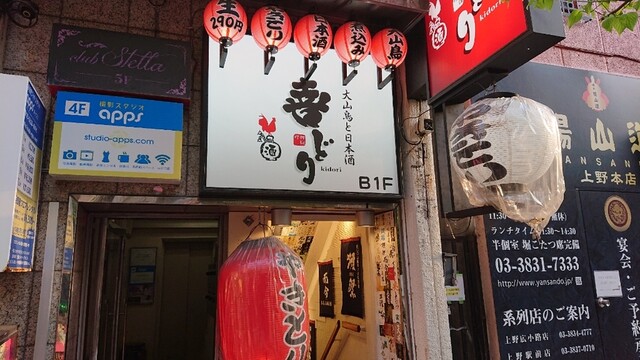
Scoring space at Kidori requires realistic timing. The venue does not maintain elaborate multilingual booking software. Domestic review aggregators like Tabelog track consistent user traffic, with ratings hovering in the solid local range of 3.15 to 3.35 stars, a bracket that typically denotes a dependable everyday haunt favored by locals rather than an inflated tourist destination.
To lock down entry:
- Book by Phone in Advance: Call several days ahead if dining with three or more people. English proficiency among floor staff varies, so having a hotel concierge call on your behalf remains the most reliable route.
- Target Off-Peak Hours: Arrive right at opening, generally **17:00**, or slip in after **21:00** once the initial wave of corporate diners heads toward Ueno Station trains.
- Solo Dining Flexibility: Single diners can frequently grab an open stool between larger parties even during busy stretches.
Pairing Local Sake and Japanese Craft Beer with Kushiyaki
Yakitori demands drinks that cut through rendered chicken fat and savory glaze. The standard opening order across Tokyo counters is nama-biiru (chilled draft lager), which provides crisp carbonation against salty chicken skin. However, Kidori's drink list also provides access to dry regional sake (karakuchi nihonshu) served by the glass or in traditional wooden measuring cups (masu).
A bone-dry Junmai balances the richness of tsukune and sweet glaze, while a sharp shochu highball flavored with fresh lemon cleanses the palate between rounds of roasted gizzard (sunagimo). Diners seeking lighter options can opt for oolong-hai (shochu with unsweetened iced tea), an everyday Tokyo staple that pairs cleanly with grilled poultry without dulling the taste buds.
Mapping the Okachimachi Izakaya Crawl Around Kidori
Kidori sits along the vibrant commercial corridor running parallel to the JR railway tracks between Ueno and Okachimachi stations. The location places visitors within minutes of some of Tokyo's most historic drinking alleys. Navigating this corridor effectively means treating Kidori as the centerpiece of an evening crawl rather than a solitary stop.
Start your night walking through the bustling outdoor markets of Ameyoko before the retail stalls pull down their metal shutters. Shift into Kidori for an hour of focused skewer dining, then drift south toward Okachimachi's standing bars (tachinomi). The walk from the restaurant back to the central ticket gates of Ueno Station takes less than seven minutes, giving diners reliable access to late-night trains on the Yamanote, Ginza, or Hibiya lines.
Frequently Asked Questions (FAQ)
Q1: Do I need to speak fluent Japanese to order at Kidori Ueno?
A1: Fluent Japanese is not mandatory. Many skewered items can be pointed out on paper menus or ordered using basic words like *shio* (salt), *tare* (sauce), and *omakase* (chef’s selection).
Q2: Is smoking permitted inside the dining area?
A2: Tokyo smoking ordinances prohibit indoor cigarette smoking in most eateries, though compact independent izakayas with small floor plans occasionally hold exemptions or offer designated outdoor smoking points. Expect nearby street smoke regardless.
Q3: What should I budget for two diners having dinner and drinks?
A3: Expect to spend between **¥7,000 and ¥9,500 total** for two diners enjoying a dozen skewers, two shared sides, and four to five drinks combined.
Navigating Tokyo's Changing Izakaya Scene in 2026
Tokyo's dining landscape moves at a staggering pace, with polished reservation platforms and social-media-driven hotspots constantly competing for traveler attention. Establishments like Kidori preserve the older, unvarnished pulse of shitamachi (downtown) hospitality. There are no bespoke dining rooms or choreographed theatrical presentations here. Instead, you get red-hot coals, sizzling chicken skewers seasoned with practiced precision, and the hum of conversation flowing across a shared counter. Timing your visit to miss the corporate rush lets you experience an authentic slice of Ueno nightlife at its best.