The Complete Men's Guide to Milk Tea Pink Hair: Salon Orders to Daily Care
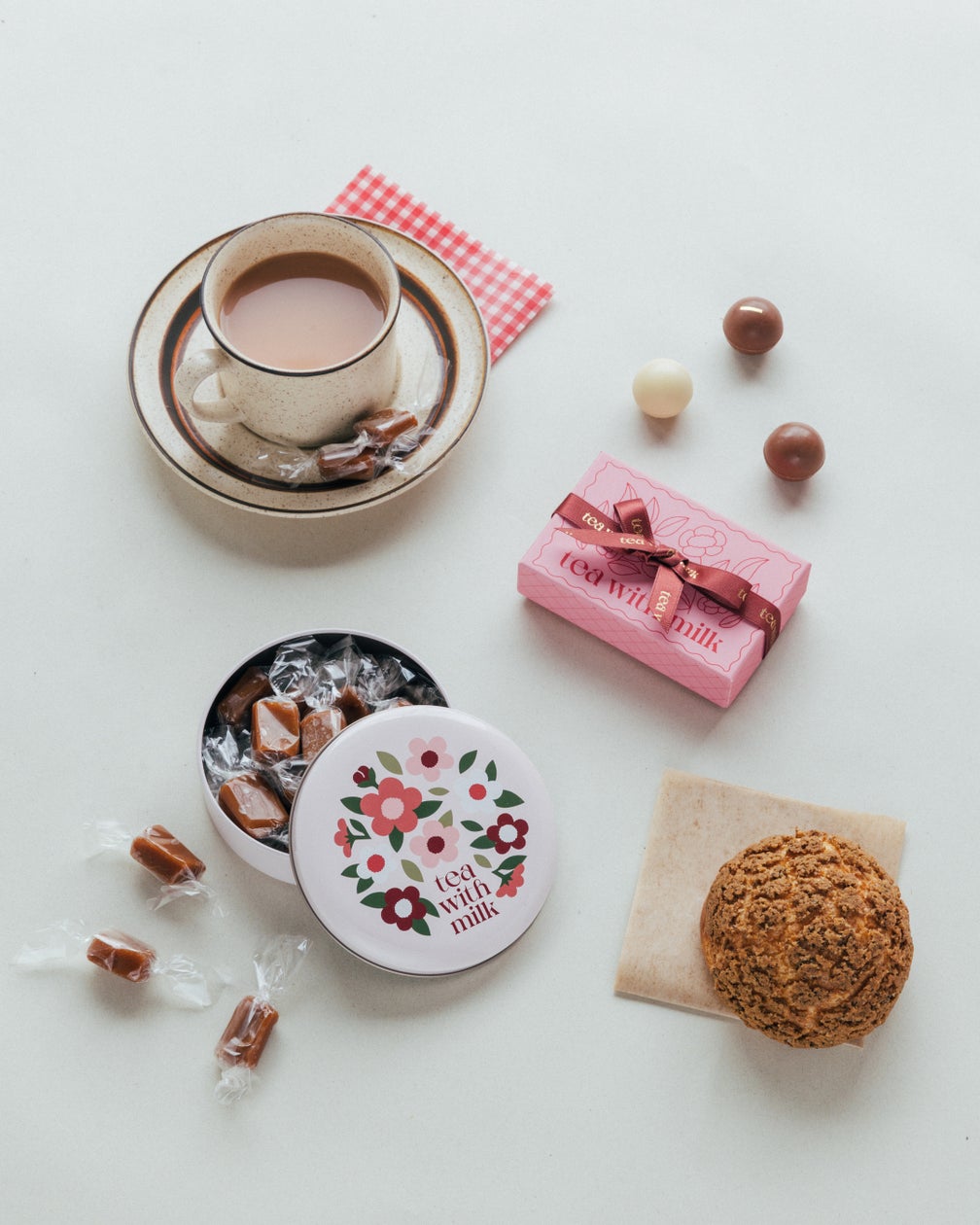
Tokyo's salon corridors in Daikanyama and Harajuku have spent the opening months of 2026 standardizing one of the most technical color trends in modern men's grooming: milk tea pink hair. The broader cultural appetite for creamy, neutral warmth, mirrored across Tokyo's lifestyle scene from artisan confectionery launches documented in a recent PR TIMES Report on tea with milk's Shibuya pop-up expansions to minimalist streetwear palettes, has fundamentally rewritten salon demand. Male clients are no longer asking for raw platinum or saturated neon magenta. They want a translucent, muted hybrid that marries milky beige softness with a dusty rose cast.
Executing this shade requires high-level chemical precision. Milk tea pink is an unforgiving pastel formulation that leaves no room for uneven lifting or lazy maintenance. When done incorrectly, it degrades into muddy orange or washed-out strawberry blonde within forty-eight hours. Achieving the look demands an exacting double process bleach, an intentional salon formula, and a disciplined post-service regimen that protects structural hair integrity.
📌 Key Takeaways:
- The Canvas Requirement: Reaching authentic milk tea pink requires a clean Level 17 to Level 18 pale yellow base, virtually always necessitating a double process bleach.
- The Formula Logic: Top colorists balance warm pink beige undertones with a violet-gray ash pink toner to suppress raw yellow undertones while avoiding artificial hot pink vibrancy.
- The Maintenance Tax: The tone holds its peak saturation for approximately 7 to 10 days; stretching it past four weeks requires alternating purple color shampoo with a weekly damage repair hair mask.
The Aesthetic Shift Driving Men's Pastel Hair Trends
For decades, men's creative hair color swung between extreme high-visibility punks and conservative ash browns. The current surge in men's pastel hair trends marks a decisive break from both extremes. Influenced by East Asian visual culture, runway collections, and refined street styling, milk tea pink functions as a soft neutral rather than a loud visual disruption.
The shade relies on an optical illusion. By diffusing a whisper of red and violet through a milky, taupe-beige vehicle, the final tone complements natural skin undertones instead of fighting them. Japanese salons refer to this as toumeikan, a quality of airiness, translucence, and clean light reflection. It softens facial angles, blends seamlessly into both casual tailoring and oversized silhouettes, and subverts traditional men's grooming without looking chaotic.
However, that visual softness hides an aggressive chemical reality. Unlike dark blues or forest greens that can deposit over uneven warmth, pastel milk tea exposes every flaw in the underlying canvas. If your natural hair sits at a Level 2 or 3 dark brown, getting to this look requires patience, structural discipline, and substantial chair time.
Lifting the Canvas: Double Process Bleaching Protocol
You cannot tone your way to milk tea pink over an orange or copper base. The core prerequisite is a clean, uniform Level 17 to Level 18 pale yellow canvas, which looks almost like the inside of a banana peel. Skipping steps here causes the pink toner to turn into a muddy salmon or brassy peach.
For virgin Asian or naturally dark hair, this almost universally mandates a double process bleaching session. The initial lift breaks through dense pheomelanin (red pigment), taking the hair to a brassy Level 14 or 15. The second pass gently targets remaining yellow pigments. Skilled colorists keep developer volume low, typically 20-volume (6%) on the mid-lengths and dropping to 10-volume (3%) or 15-volume near the scalp, to lift cleanly without blowing out the hair's protective cuticle layer.
Bond builders such as Olaplex No.1 or b3 Brazilian Bond Builder must be mixed directly into the bleach slurry. Because pastel toners lack heavy pigments to mechanically coat the hair shaft, any fried cuticles will shed tone instantly under warm tap water. If your hair has previous dark box dye or heavy metallic salt buildup, your stylist will need a standalone clarifying and strand-test session before attempting this lift.
The Precise Salon Order Formula
Walking into a salon and simply asking for "pink hair" is an invitation to disaster. You will likely walk out looking like a highlighter. Stylists need clear technical instructions emphasizing milk tea beige undertones with a muted pink cast.
Top Tokyo and Seoul colorists build milk tea pink using a three-part toner matrix:
1. The Sheer Pink Base: A soft, sheer pink or rose gold deposit that provides the primary hue without neon brightness.
- The Milk Tea Neutralizer: A beige or nude tone that injects creamy opacity, preventing the color from reading like plain bleached hair stained with dye.
- The Brassiness Neutralizer: A micro-dose of violet-ash or pearl gray (typically at a 10:1 ratio against the pink) to cancel residual yellow in the bleached base.
When communicating with your stylist, show high-resolution references in natural indirect daylight, not filtered social media video stills. Request an ash pink toner balanced over a milky beige base. Explicitly instruct them to dial back magenta pigments in favor of smoky, desaturated pink beige undertones.
Fade Progression and Weekly Maintenance Milestones
Pastel colors are inherently transient. The dye molecules sit largely in the outer cortex and wash out with every encounter with surfactant-heavy water. Understanding the lifecycle of milk tea pink helps you manage expectations and adjust your products week by week.
| Phase | Visual Tone | Core Action & Care Focus |
|---|---|---|
| Days 1, 5 | High-saturation milky rose with soft beige depth | Zero washing for 48 hours; rinse strictly with lukewarm or cool water |
| Days 6, 14 | Subtle antique milk tea pink; ideal visual peak | Introduce sulfate-free shampoo; apply a damage repair hair mask weekly |
| Days 15, 28 | Creamy ivory-beige with faint rose quartz highlights | Use purple color shampoo once weekly to block yellow brassiness |
| Week 5+ | Neutral pale wheat blonde (clean bleached base) | Book an in-salon gloss/toner refresh or apply a pink color-depositing butter |
During the first fortnight, water temperature is your greatest enemy. Hot water expands the cuticle layer, letting fragile pink pigments escape down the drain in seconds. Lowering your shower temperature to lukewarm saves days of saturation. When the pink fades, a properly lifted canvas transitions gracefully into a refined milk tea blonde, bypassing the harsh orange look common in poorly executed bleaches.
Haircut Pairing: Two-Block Haircut Styling and Contrast
Color rarely succeeds in a vacuum. On men, full-head bleached pastels can easily look spherical or shapeless without deliberate structural cutting. The gold standard pairing remains the two-block haircut styling framework, alongside modern textured tapers.
In a classic two-block configuration, the sides and nape are clipped tight (between 6mm and 9mm) while the crown and fringe remain longer and disconnected. Many men choose to leave the undercut sections natural black or dark brown while bleaching only the top canopy. This creates high-contrast visual framing that anchors the softness of the milk tea pink, giving the face a sharper, more masculine outline.
Because bleached hair loses elasticity and moisture, standard high-hold water-based pomades will make the strands look crunchy and dry. Switch instead to lightweight styling balms, matte styling creams, or hair oils formulated with squalane and argan oil. Emulsify a dime-sized amount in your hands and work it through towel-dried hair to separate piecey fringe textures without stripping shine.
Skin Tone Color Matching: Warm vs. Cool Complexions
The secret to keeping milk tea pink from washing you out lies in calibration. Pink is a flexible shade; its temperature can be dialed up or down depending on your baseline skin undertone.
Men with cool undertones (pink, rosy, or blue venous complexions) should pull the shade slightly cooler. Ask your colorist to emphasize the ash pink toner and lilac-smoke base. This prevents the color from exaggerating flush or redness in your skin, creating a balanced, porcelain effect.
Men with warm or olive complexions need a formula biased toward beige-apricot and creamy champagne. Over-toning with ash or silver on warm skin turns the overall look lifeless and gray. Adding a touch of neutral nude-beige ensures the hair reflects enough warmth to complement golden skin tones naturally.
Frequently Asked Questions (FAQ)
Q1: How do I stop milk tea pink from turning brassy yellow within the first week?
A1: Avoid daily washing, lower your shower water temperature, and introduce a diluted purple color shampoo once every seven days. If your hair starts leaning orange rather than pale yellow, the initial double process bleach did not lift your hair cleanly to Level 17, and an in-salon toner gloss is required.
Q2: Can I get milk tea pink if I currently have a digital perm or relaxer?
A2: Colorists strongly advise against this. Double process bleaching over chemically re-bonded or permed hair causes severe disulfide bond collapse, leading to extreme breakage and gummy texture. Choose either structural texture or high-lift pastel coloring; attempting both usually results in chemical haircuts.
Q3: What does the upkeep cost look like over a 3-month window?
A3: Initial double-process bleach and bespoke toning sessions at top metropolitan salons typically run $200 to $450. Root touch-ups must occur every 4 to 6 weeks (before root growth exceeds 1.5 cm to prevent banding), which costs roughly $120 to $220 per appointment, alongside essential home-care bond treatments.
Styling Longevity and Upkeep Realities for 2026
Milk tea pink is not a low-maintenance color choice. It is an intentional aesthetic investment that trades permanent durability for exceptional, muted refinement. Success depends entirely on the initial lift: take the time to find an experienced colorist who understands how to lift dark hair past copper without melting the cuticle.
Commit to a strict home-care routine centered on sulfate-free cleansers, weekly damage repair hair masks, and cool-water washes. When the pink eventually gives way after a few weeks, you will be left with a clean, milky beige base that looks just as deliberate as the day you walked out of the salon.