The Complete Oi Racetrack Dining Guide: Stalls, Menus, and Seating Hacks

Floodlights wash over the dirt track at Shinagawa’s Tokyo City Keiba (TCK) as the thundering hooves of thoroughbreds round the final bend. For decades, night races, widely known as Twinkle Races, drew crowds primarily focused on betting slips and paddock forms. Today, an entirely different demographic floods through the gates of Oi Racetrack: food lovers hunting down regional street eats, craft beer pairings, and venue-exclusive menus unavailable anywhere else in Tokyo.
The racetrack food scene has undergone a sharp upgrade. Modernized grandstands sit alongside historic food corridors, and franchise giants create hyper-limited items specifically for trackside visitors. As detailed in a マイナビニュース Report, casual food powerhouse Tsukiji Gindaco rolled out a venue-only "Rich Double Cheese & Bacon" takoyaki at its Oi Racetrack location, capping production at just 100 servings per day for ¥880. Between rare stadium collabs and heritage stew cauldrons bubbling since the Showa era, navigating dinner here requires as much strategy as reading the odds board.
📌 Key Takeaways:
- Exclusive Drops: Major concessions like Tsukiji Gindaco run location-locked menus capped at 100 daily portions, making an early arrival essential for specialty eats.
- The Dual Atmosphere: Dining splits sharply between fast-casual grandstand food courts serving legacy motsu stew and reserved dining rooms like the Diamond Turn all-you-can-eat buffet.
- Major Event Surges: Premium race nights, including the 2026 Dirt Triple Crown second leg (Tokyo Derby), trigger massive lines, making early food runs critical between post-parade betting cycles.
Night Racing and the Rise of Twinkle Race Night Gourmet
Tokyo City Keiba launched night racing in 1986. That single operational shift transformed the grounds from a pure wagering facility into a post-work entertainment hub for central Tokyo. The culinary infrastructure adapted accordingly. Instead of quick, utilitarian bites meant to be swallowed down between races, vendors began curating food meant for extended evenings under the stadium lights.
The aroma hits immediately past the North Gate. Skewered meats sizzle over charcoal, steam billows from giant cauldrons of simmered beef offal, and mobile craft beer carts pour locally brewed pale ales. The layout pairs open-air plaza stalls with multi-tiered indoor grandstands. Visitors can pick up street-style takeout foods along the concourse and carry them directly to the trackside railings, watching races kick up sand just yards away.
Food culture here operates on rhythm. Crowds line up at concessions the moment horses enter the paddock for inspection. The concourse empties during the actual running, then swarms again seconds after the finish line camera flashes. Mastering the evening means timing orders while the horses warm up behind the starting gates.
Venue Exclusives: Tsukiji Gindaco and Specialty Concessions
National chains operate across Japan's sporting venues, but TCK holds exclusive recipes engineered for trackside grazing. The headliner remains Tsukiji Gindaco's Oi outpost, situated in the high-traffic grandstand zone. While standard Gindaco stands serve their signature piping-hot octopus balls with standard mayo and brown sauce, the Oi kitchen developed the "Rich Double Cheese & Bacon" boat.
The dish layers sharp cheddar and melted mozzarella over crispy takoyaki shells, finished with thick-cut bacon lardons. Selling at ¥880 for 6 pieces, the kitchen strictly enforces a 100-serving daily cap. On weekend cards and night meetings, allocations vanish before the fifth race.
Other national vendors follow suit. Soft-serve stands incorporate seasonal fruit sauces exclusive to racing meets, while fried chicken purveyors package extra-large, shareable party buckets intended for paddock picnic tables. These fast-moving items provide high-fat, high-sodium fuel tailored to pair with draft lagers in open-air stadium seating.
The Classic B-Grade Showdown: Motsu Stew Stalls and Trackside Takeout
Long before national brands set up shop, Oi built its reputation on classic Japanese racecourse B-grade gourmet (B-kyu gurume). The undisputed pillar of this culture is motsu nikomi, tender simmered pork and beef entrails cooked down with daikon radish, konjac, and sweet red miso.
Walk beneath the older grandstand wings to find stalls that have operated across generations. Vendors like Kashiwaya and Matsui simmer their master stocks continuously throughout race weeks. A bowl of rich, collagen-heavy stew paired with a cold cup of draft beer remains the definitive TCK culinary experience. The texture is meltingly soft, deeply savory, and built for brisk spring and autumn evenings.
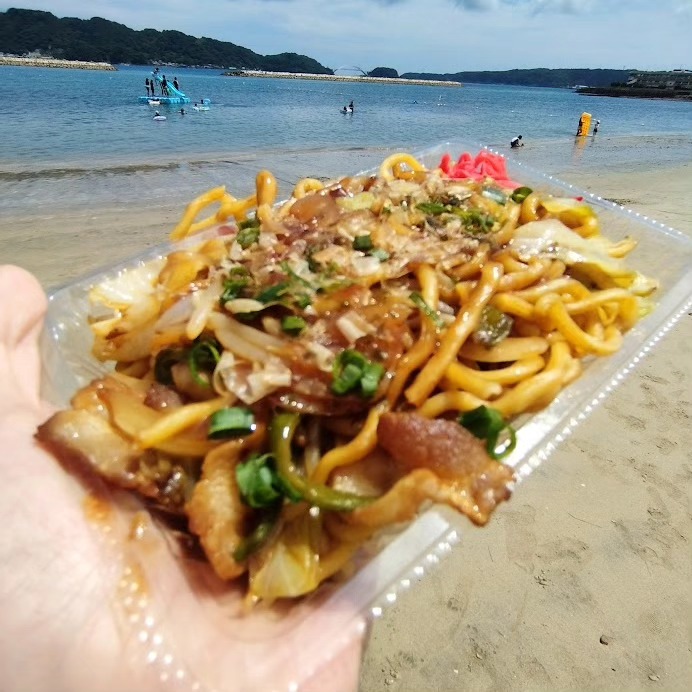
Beyond stew, the trackside food stalls serve yakisoba piled high with pickled red ginger, bone-in fried chicken thighs, and frankfurters grilled over open flattops. The options vary drastically by price, comfort, and service style across the facility.
| Dining Style | Location & Core Dishes | Price Range | Best For |
|---|---|---|---|
| Heritage B-Grade Stalls | Ground level concourse; Motsu stew, yakitori, yakisoba | ¥500, ¥900 | Solo racegoers, quick bites, budget drinking |
| Modern Food Court & Kiosks | Grandstand Level 1, 2; Limited Gindaco, karaage, craft beer | ¥800, ¥1,500 | Casual visitors, families, takeaway grazing |
| L-WING Reserved Seating | L-WING Stand (upper floors); Bento boxes, specialty noodle bowls | ¥1,500, ¥3,500 (incl. seat) | Comfortable viewing, small groups, work outings |
| Diamond Turn Restaurant | Stand 4 (Level 4); Full buffet, carving stations, open bar tiers | ¥5,000, ¥10,000+ | Date nights, private parties, full evening dining |
Local craft beer adds another dimension. The track pours its own branded house brews, including the Star Light Craft Ale, rotating seasonal wheat and IPA recipes. Grabbing a pint with a paper carton of fresh gyoza delivers a distinct street-party vibe found nowhere else on Tokyo’s sports map.
L-WING Grandstand vs. Diamond Turn: Navigating Premium Restaurant Seating
Casual concourses can get crowded on busy race nights. Visitors seeking dedicated tables face a clear choice: the modern L-WING stand or the Diamond Turn buffet hall.
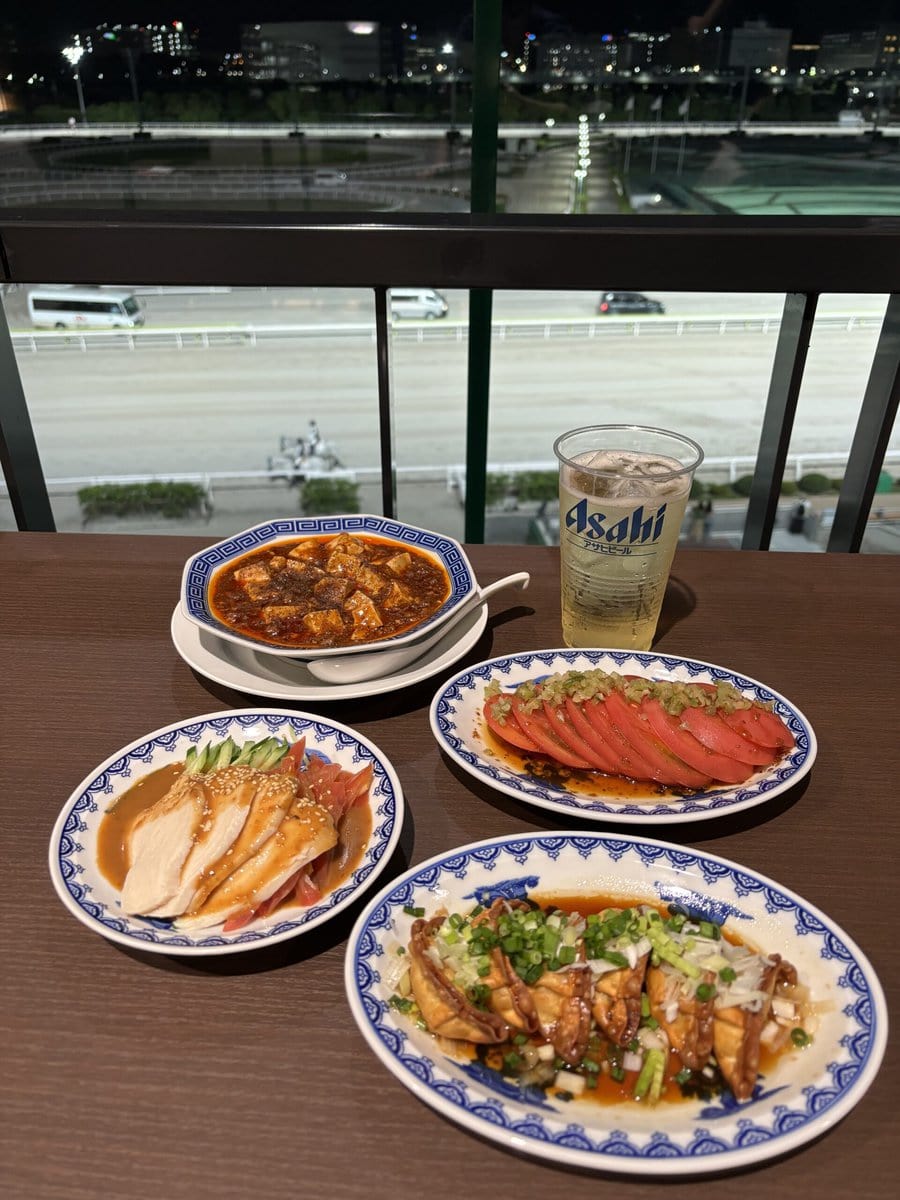
The L-WING building represents Oi’s major modernization drive. Its upper decks feature assigned stadium seating fitted with private betting monitors, drink holders, and wide counter tables. Food stalls tucked directly behind the seating sections serve upgraded fare: roast beef rice bowls, tonkatsu cutlet sandwiches, and premium draft beers. You buy your ticket, claim your seat, and pop out into the concourse for food runs without risking your trackside vantage point.
For an all-inclusive evening, Diamond Turn occupies the fourth floor of Stand 4. This is a dedicated restaurant-theater hybrid. Ticket prices cover track admission, reserved indoor table seating overlooking the final turn, and an extensive buffet.
The buffet spread spans Western, Japanese, and Chinese cuisine, including roast beef carving boards, seasonal pasta, dumplings, salad bars, and desserts. Optional packages unlock free-flowing draft beer, wine, and highballs. Every booth features built-in betting terminals, letting diners analyze race forms over dinner without standing in line at ticket machines. Booking requires online reservations weeks in advance, particularly for Friday night fixtures.
Tokyo Derby Event Dining: Managing Peak Crowds and Pop-Up Stalls
Normal weekday twilight meetings feel relaxed, but high-stakes race fixtures completely alter the venue's logistics. The premier example is the Tokyo Derby (JpnI), the centerpiece of the 3-Year-Old Dirt Triple Crown held in early June. During this flagship meeting, attendance surges with tens of thousands of racegoers pouring into the stands.
TCK counters massive crowds by opening dedicated festival food plazas across the open-air grounds. Fleets of gourmet kitchen trucks park along the paddock apron, bringing regional cuisines:
- Okinawan taco rice bowls and fried churros
- Hokkaido buttered corn potatoes and grilled beef skewers
- Specialty craft cider and localized gin highball stands
The operational challenge during the Tokyo Derby is timing. Queues at premier stalls swell past 40 people between the seventh and tenth races. The smartest play on major cards is grabbing dinner early. Arrive between 4:30 PM and 5:30 PM, order your headline meals, especially allocation-limited items like Gindaco's double-cheese takoyaki, and secure stadium seating before racecourse concourses reach capacity.
Frequently Asked Questions (FAQ)
Q1: Do food stalls at Oi Racetrack accept electronic payments, or is cash required?
A1: Most major counter stalls and chain outlets accept standard Japanese transit IC cards (Suica, Pasmo) along with major credit cards and Pay-Pay. However, several traditional B-grade stew stalls operating out of older concourses still rely strictly on Japanese yen cash. Carry at least ¥2,000, ¥3,000 in physical currency to avoid missing out on legacy vendors.
Q2: Can I enter Oi Racetrack purely to eat and drink without betting on horses?
A2: Yes. Track admission costs just **¥100** (free during select promotional periods), granting full access to all open-air concourses, food stalls, and public grandstand food courts. Wagering is entirely optional, and many groups visit during twilight hours strictly for the street food, craft beer, and evening atmosphere.
Q3: How do I book reservations for the Diamond Turn buffet?
A3: Diamond Turn tickets must be booked online in advance via the official Tokyo City Keiba ticketing portal. Seats are sold as combined admission-and-buffet packages. They typically go on sale one month before each racing meet starts and sell out rapidly for Friday evenings and major championship race cards.
Mastering the Oi Dining Circuit in 2026
Oi Racetrack functions as one of Tokyo’s most engaging open-air food destinations, blending high-end reserved restaurant buffets with blue-collar culinary heritage. The sweet spot for an ideal visit involves combining both worlds.
Begin your evening downstairs at the legacy stalls with a bowl of miso-simmered motsu stew and a cold draft ale as the early horses warm up. From there, move toward the L-WING or the central grandstand to hunt down venue-limited specials before their allocations run dry. Finish the night along the outside rails, paper box of hot takoyaki in hand, watching thoroughbreds charge through the illuminated dirt under the Shinagawa night sky.