The Costly Etiquette Mistake: How Writing on the Back of a Shugi-bukuro Can Go Wrong
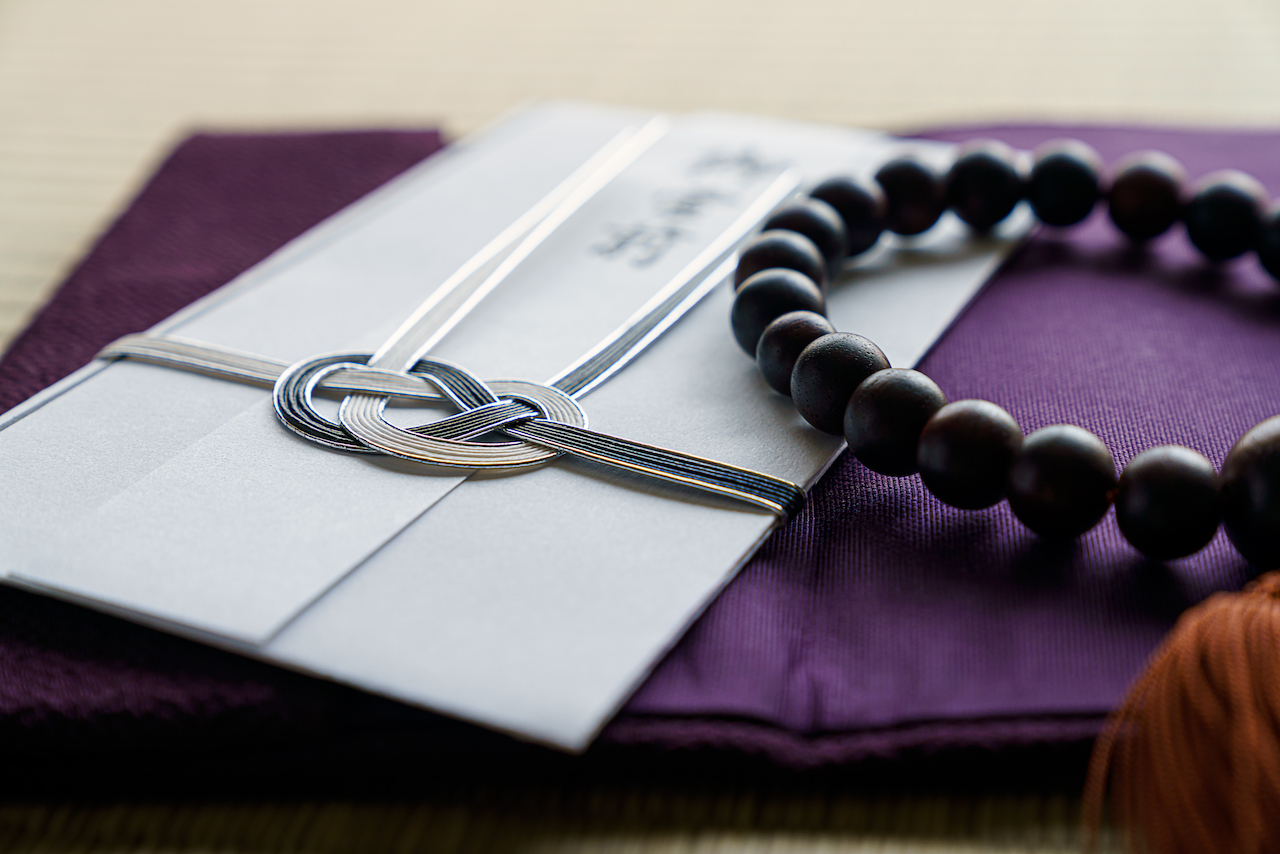
At high-end banquet halls in Tokyo and Kyoto, receptionists quietly sort through stacks of crisp paper packages known as shugi-bukuro. These ceremonial envelopes hold substantial cash gifts intended to celebrate weddings, births, or milestones. Yet every season, couples and ceremonial staff encounter the same preventable blunder: an address scribbled across the wrong quadrant, an informal number format that exposes the gift to accounting confusion, or an ink shade that inadvertently signals mourning rather than joy. As ceremonial etiquette manuals published by 楽天Infoseek Report emphasize, Japanese monetary gift presentation hinges on rigid spatial and grammatical rules that leave zero margin for casual improvisation.
When international professionals and bicultural families navigate these formal events, the reverse side of the envelope, the ura (裏), is where confidence unravels. It is rarely the decorative red-and-white cord (mizuhiki) that causes social friction. The embarrassment almost always traces back to what is written, or improperly omitted, on the back of the inner packet.
📌 Key Takeaways:
- The Back Panel Mandate: The reverse side of the inner envelope (*nakabukuro*) must carry the sender’s full postal address and full name aligned strictly to the lower-left corner to ensure proper gift registry bookkeeping.
- Outer vs. Inner Distinction: Writing personal details directly on the decorative outer fold (*uwa-tsutsumi*) ruins the presentation; all accounting information belongs on the plain inner sleeve.
- The Kanji Trap: Financial figures require legal *daiji* characters rather than everyday standard numerals to protect against clerical alterations and maintain ceremonial dignity.
Why the Back of the Envelope Generates Immediate Social Friction
A ceremonial envelope is not merely decorative stationery; it operates as an audited financial document. Following a Japanese wedding, the newly married couple, often assisted by their parents, spends hours unsealing gifts, cross-referencing cash amounts against the seating chart, and preparing return gifts (uchiiwai). When a guest omits their name or address from the inner sleeve, the recipients face a logistical headache. They must pause, compare handwriting, or awkwardly ask mutual acquaintances to verify who gave which parcel.
The reverse side acts as the administrative engine of formal Japanese wedding etiquette. If a guest writes their address across the center or uses ballpoint pen, the presentation clashes with centuries of ritual aesthetics. If they write on the outer decorative paper instead of the designated inner sleeve, the envelope looks soiled. The tension is subtle: hosts will never reprimand a guest publicly, but the clerical burden placed on the family creates quiet discomfort behind the scenes.
The Anatomy of the Nakabukuro: Where Names and Addresses Belong
Most celebratory cash envelope manners revolve around two components: the outer decorative wrap (uwa-tsutsumi) and the plain white inner envelope (nakabukuro). The outer wrap bears the celebratory heading (Kotobuki) and the guest’s name on the front bottom center. It should never feature return addresses or currency figures on its back folds.
Japanese gift envelope address placement belongs exclusively on the reverse of the nakabukuro. Position the envelope with the seal flap facing up. Mentally divide the lower-left vertical half into two vertical columns. The right-hand column within that lower-left sector takes the postal code and full street address. The column immediately to its left takes the sender’s full name.
Alignment matters immensely:
The top edge of the address text should start roughly midway down the vertical height of the envelope, never at the very top seam. Keeping the writing strictly within the bottom-left third ensures that when the envelope is handled by receptionists, their thumbs do not smudge fresh ink.
| Location on Envelope | Correct Information Displayed | Writing Tool & Style Rules |
|---|---|---|
| Nakabukuro (Front) | Cash amount centered vertically (e.g., 金 参萬圓) | Dark black ink, formal brush pen, daiji numerals |
| Nakabukuro (Back Left) | Full postal code, residential address, sender full name | Vertical script, bottom-left quadrant alignment |
| Outer Wrap (Front) | Occasion title above knot, sender name below knot | Thick fude brush script, perfectly centered vertically |
| Outer Wrap (Back) | Blank; lower flap folded upward overlapping top flap | No ink permitted; fold direction signals celebration |
If purchasing a mass-market envelope from a stationery store or convenience store, examine the back of the inner sleeve closely. Many modern envelopes come pre-printed with faint vertical grey boxes for postal numbers and street names. If those printed guidelines exist, follow them directly instead of writing freehand.
The Mechanics of Daiji: Writing Monetary Values Without Error
While the return address sits on the back left, the financial figure dominates the front center of the nakabukuro. Here lies the most frequent linguistic mistake made by non-native speakers: using standard schoolhouse kanji.
Ceremonial etiquette relies on daiji (大字), an archaic system of complex kanji characters historically adopted in legal and financial records to prevent fraud. Because a simple stroke could turn the kanji for one (一) into two (二) or ten (十), legal documents required complex alternatives.
For cash gifts:
Thirty thousand yen, the baseline gift for a single guest attending a peer's wedding, is written as 金 参萬圓 (Kin San-man En), not 金 三万円. Fifty thousand yen, standard for senior executives or close relatives, becomes 金 伍萬圓. Ten thousand yen requires 金 壱萬圓.
Failing to write the prefix Kin (金) before the number or using Arabic numerals (such as "30,000円") breaks formal protocol. The only acceptable scenario for Arabic numerals or horizontal writing is when the pre-manufactured envelope contains explicit horizontal printed lines on the reverse side designated for financial tracking.
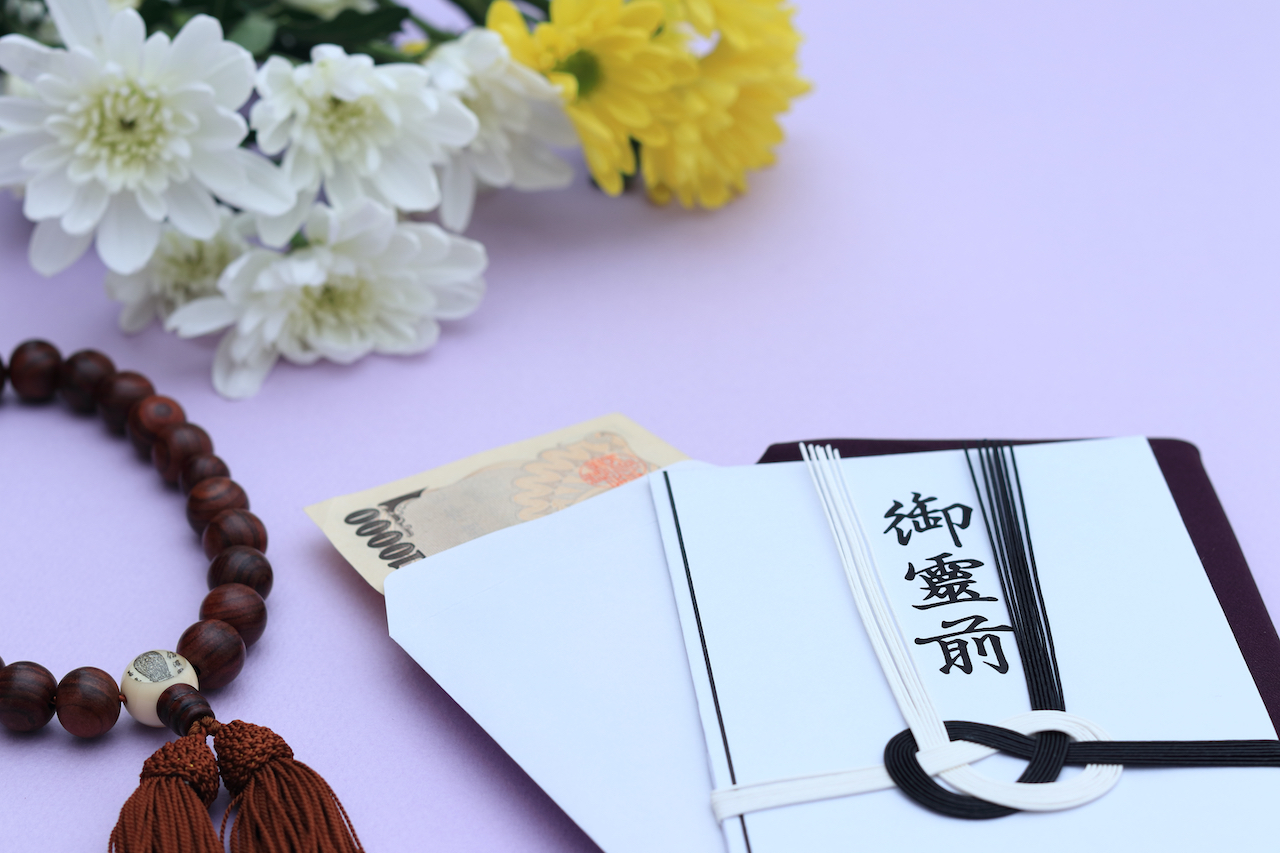
Ink Tone and Tool Selection: Avoiding Funeral Associations
The utensil chosen to mark the back of the envelope carries symbolic weight. Under fude brush pen writing rules, you must use rich, deep black pigment (kokuboku).
Pale grey ink (usuzumi) is reserved strictly for fushugi-bukuro condolence differences. In Buddhist and Shinto funeral traditions, pale ink signifies that tears have diluted the inkwell, or that the sender rushed to the side of the bereaved without taking time to properly grind the ink stone. Bringing an envelope marked with pale ink to a wedding reception signals grief and catastrophe.
Modern felt-tip calligraphy pens (fudepen) sold in stationery shops come in both celebratory pitch-black and funeral pale-grey varieties. Picking up the wrong pen from an office drawer is a catastrophic error. Furthermore, avoid standard blue or black ballpoint pens whenever possible. If your calligraphy skills make using a soft brush pen impossible, opt for a dense, dark felt-tip marker or dark pigment sign pen rather than an oily rollerball.
The Physics of the Final Fold: Why Direction Dictates Meaning
Once the nakabukuro is inscribed, money inserted facing forward with portraits on top, and placed inside the outer wrap, the final fold must be secured. The envelope flap folding direction represents the final test of ceremonial literacy.
The decorative outer paper folds inward from left and right, followed by the top and bottom flaps:
For weddings and celebrations, the bottom flap must fold up over the top flap. This upward-facing fold forms a small shelf, signifying that the envelope catches good fortune and holds incoming happiness.
Reversing this fold, placing the top flap over the bottom flap so the fold points down, is the mandatory method for funerals and memorial gifts, symbolizing that sorrow should slide away and fall to the ground. Arriving at a festive banquet with the top flap pinned over the bottom flap immediately inverts the meaning of the entire presentation, converting an expensive gesture of congratulations into an omen of mourning.
Frequently Asked Questions (FAQ)
Q1: What should I do if I misspell a kanji character on the inner sleeve?
A1: Discard the inner envelope and replace it. Never use correction fluid, correction tape, or strikethrough marks on a ceremonial gift envelope. If you do not have a spare printed *nakabukuro*, a standard, high-quality plain white Japanese envelope without an adhesive strip can serve as an acceptable substitute.
Q2: Is it mandatory to include my postal address if the hosts already know me well?
A2: Yes. The hosts rarely process the envelopes immediately; they often pass the collected envelopes to wedding planners, accountants, or elder family members compiling the formal gift ledger (*kakitome*). Omitting your address forces the family to cross-reference personal address books during an exhausting post-event administrative process.
Q3: Can I write the monetary amount on the back of the inner envelope?
A3: Only if the envelope specifically features pre-printed horizontal lines on the back left designed for that purpose. If the envelope is blank, standard Japanese ceremonial gift customs mandate placing the amount vertically on the front center of the *nakabukuro*, reserving the back solely for your personal address and name.
Navigating Japanese Gift Traditions with Confidence
The intricate rules surrounding celebratory cash gifts can seem unforgiving, but they reflect a culture that values mutual consideration, clarity, and structural respect. Each stroke of dark ink, each chosen daiji character, and each folded edge functions as non-verbal communication. By keeping the outer wrap pristine, writing your full address in the lower-left sector of the inner sleeve, and checking the direction of the final fold, you honor both the occasion and the hosts who invited you to share it.