The Death of Spare Change: Why Cities Are Abruptly Banning Coin Meters
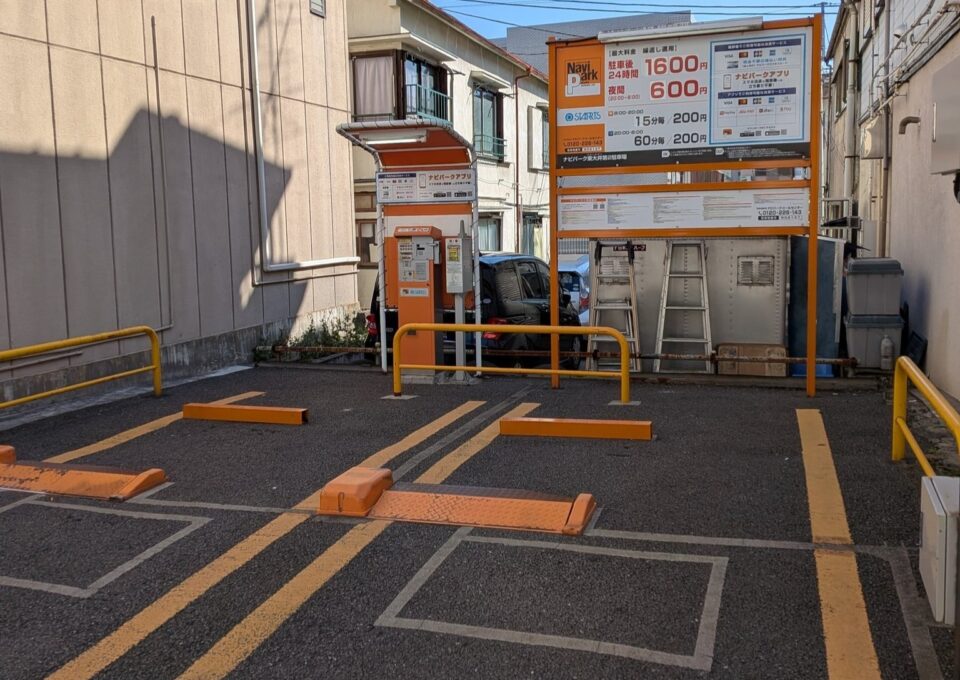
Drivers circling downtown blocks with a cupholder full of nickels and quarters are hitting a sudden dead end. Across American metropolitan centers, the familiar sight of dual-headed mechanical parking meters has vanished, replaced by adhesive vinyl QR codes, high-resolution cameras, and solar-powered pay stations. Finding coin parking near you has shifted from an ordinary daily task to an exercise in urban archaeology as city halls aggressively retire physical coin mechanisms.
The tipping point arrived in mid-2026 when Florida's theme-park capital finalized its complete curbside transition. According to a detailed WKMG Report, the City of Orlando launched a fully digital on-street parking system that completely ditched physical coins on its downtown curbs. Similar shutdowns rolled out across the country weeks later: municipal parking authorities in Iowa City converted university-adjacent surface lots into mobile-only parking zones, removing legacy hardware altogether. The quiet retirement of loose change has reshaped the rules of downtown street parking, trading physical currency for app-driven ecosystems that carry steeper financial penalties and higher baseline costs.
📌 Key Takeaways:
- The Hardware Phaseout: Major municipalities are systematically removing physical coin meters to cut collection overhead, curb physical vandalism, and gather real-time curbside turnover metrics.
- The Driver Cost: Switching to digital on-street parking often exposes drivers to third-party convenience fees ($0.35, $0.50 per session) alongside soaring hourly parking rates that routinely clear $3.50 to $6.00 an hour.
- The Pushback: Downtown merchant associations from Maine to Florida are sounding alarms, warning that mobile-only payment barriers deter elderly visitors and trigger sudden citation surges.
Orlando and the Accelerated National Curbside Wipeout
Orlando's decision to strip mechanical coin acceptance from downtown street parking reflects an operational calculus sweeping city governments. For decades, emptying coin canisters required specialized, armored collection crews, manual sorting facilities, and constant mechanical repair budgets to clear jammed slots. By July 2026, Orlando municipal leaders determined that collecting coins cost nearly as much as the revenue the physical change generated.
The transition substituted analog posts with digital on-street parking infrastructure tied to plate recognition and centralized software providers. When drivers pull into spaces along Orange Avenue or Central Boulevard, physical interfaces no longer exist. Instead, drivers encounter curbside payment systems linked directly to mobile apps like ParkMobile or PayByPhone.
Iowa City followed an identical trajectory weeks later. In August 2026, transportation officials converted municipal surface lots into mobile-only parking zones, removing mechanical collection infrastructure entirely. City planners cited reduced hardware upkeep and faster vehicle turnover, but the operational pivot leaves zero margin for error: if you do not carry a connected smartphone or an active data plan, parking legally on public blacktop is functionally impossible.
Why You Can No Longer Find Mechanical Meters Nearby
The sudden scarcity of coin-operated meters stems from three structural realities: maintenance supply chain collapse, labor expenses, and municipal revenue goals.
First, legacy meter manufacturers have largely terminated assembly lines for mechanical gear-and-tumbler coin inserts. Sourcing replacement internal mechanisms for 1990s-era meters has become cost-prohibitive. When an old meter breaks, municipal parking transition programs do not fix it; they pull the pole from the concrete.
Second, the cost of human cash handling has skyrocketed. Armored transit runs, cash processing contracts, and worker compensation insurance for heavy coin bag collection run municipal budgets into hundreds of thousands of dollars annually. Cashless parking meters and app integrations transfer processing costs straight to the consumer or absorb them via frictionless digital banking clearinghouses.
Third, dynamic curbside pricing models require software. A coin meter is structurally static: it charges the same $1.50 per hour whether the street is dead at 10:00 AM on a Tuesday or gridlocked before an arena concert on Friday evening. Smart parking kiosks and pay-by-cell parking systems allow transportation departments to adjust hourly parking rates on demand, scaling rates upward during peak congestion hours to force curb turnover.
Curbside Payment Systems: A Side-by-Side Comparison
The shift away from coin-based infrastructure has fundamentally changed municipal cost models, driver privacy requirements, and enforcement velocity across the country:
| Payment Interface | Hardware Maintenance Cost | Average Hourly Rate Range | Driver Compliance Obstacles |
|---|---|---|---|
| Single-Space Coin Meters | $450, $800 annually per space (labor, cash pickup, physical jams) | $1.00, $2.50 / hr | Requires physical coinage; frequent mechanism jams result in invalid parking citations. |
| Multi-Space Smart Kiosks | $120, $250 annually per space (solar battery servicing, receipt paper) | $2.00, $4.50 / hr | Screen glare, credit card chip reader failures, lines forming on sidewalks during events. |
| Mobile App & QR Zones | $15, $40 annually per space (signage installation and software licensing) | $2.50, $6.00 / hr (+ platform processing fees) | Cellular dead zones, forced account creation, predatory third-party payment scams. |
Surging Hourly Rates and App Processing Friction
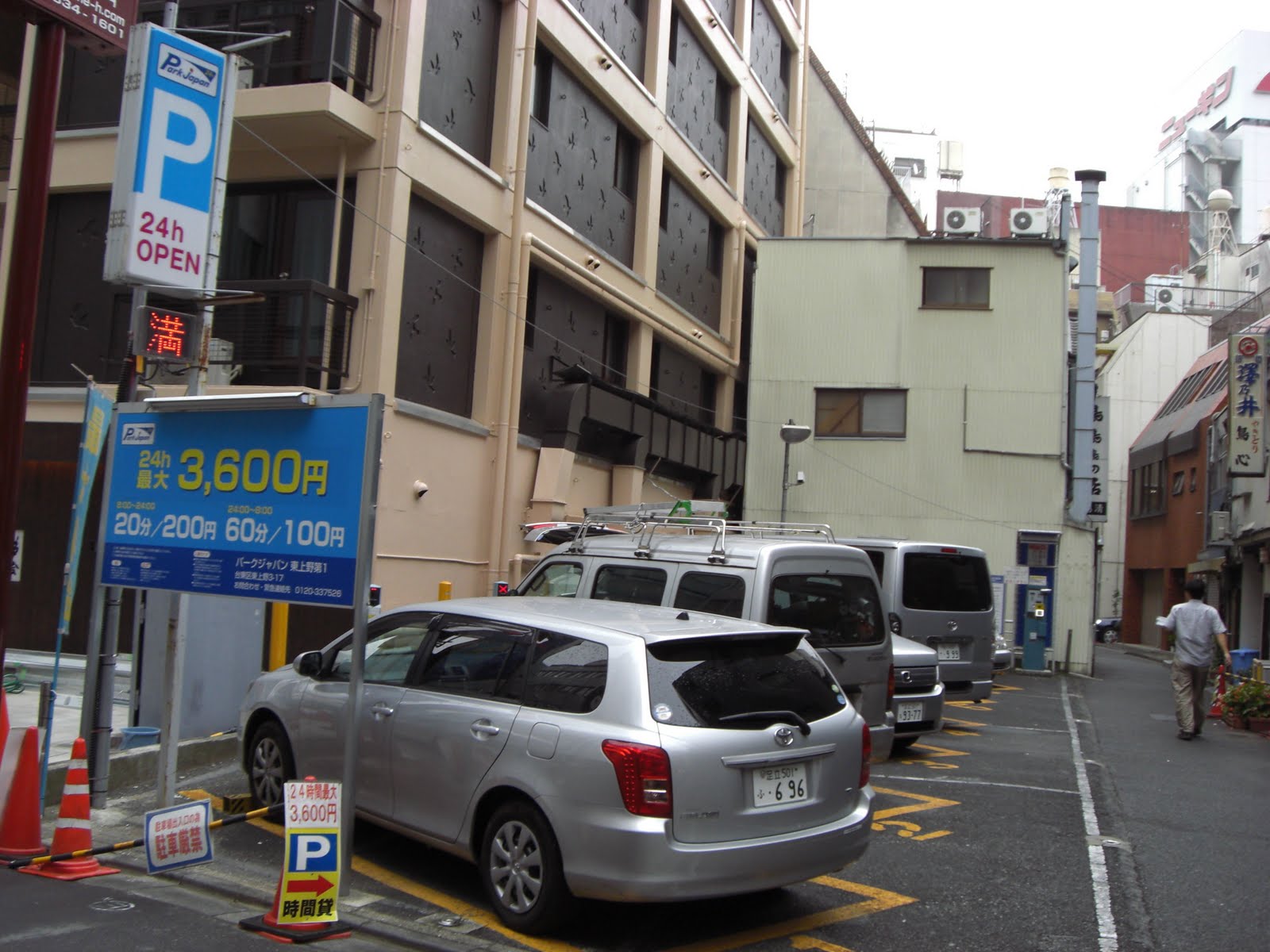
While city officials champion efficiency, consumers face escalating friction at the curb. The death of coin meters has quietly normalized transaction markups. When a driver feeds coins into a meter, one dollar equals one dollar of parking. When that same driver enters an on-street parking stall managed by a mobile parking app, the financial structure changes.
Nearly every major software vendor, from ParkMobile and Passport to Flowbird, adds a direct convenience fee ranging between $0.35 and $0.50 on top of municipal rates. If a commuter parks for a quick 15-minute errand that costs $0.75, the platform surcharge inflates the true cost of that visit by over 50%.
Compounding the problem, base hourly parking rates have climbed sharply. With digital rate adjustments controlled remotely via software dashboards, cities can quickly raise prices without dispatching public works crews to update physical signage. In several metropolitan corridors, hourly street rates that sat at $1.50 in 2021 have jumped past $4.00 per hour in 2026.
For occasional drivers, the user experience is equally combative. Arriving in a neighboring township often requires downloading an entirely new proprietary parking application, verifying an email address, registering license plates, and inputting credit card credentials while standing on a rain-soaked sidewalk.
Merchant Backlash and Curbside Friction from Camden to Orlando
The aggressive purge of physical payment options is igniting pushback from small business communities. In coastal Camden, Maine, commercial downtown businesses organized a formal petition in March 2026 demanding the complete elimination of the town's paid parking framework. Downtown business owners argued that confusing app requirements and punitive fines were driving shoppers straight to suburban strip malls with free surface lots.
Storefront owners point to an undeniable reality: digital-only systems alienate older demographics, non-smartphone users, and the unbanked. Requiring a linked debit card or Apple Pay account to access public streets creates an exclusionary barrier on municipal assets funded by general tax revenue.
Curbside stress is also spilling into raw public confrontations. As spaces grow scarcer and digital verification mechanisms compress grace periods, parking lots have become combustible environments. In September 2026, an extreme confrontation in a Florida retail lot resulted in a fatal altercation over a single parking stall, leading to a high-profile Stand Your Ground ruling. While an extreme scenario, the underlying tension is unmistakable. Navigating street-level parking has turned into a high-stakes, confusing interaction dominated by enforcement anxiety.
Enforcement Algorithms and the Vanishing Grace Period
Under the era of physical coin meters, enforcement was limited by human walking patrols. An enforcement officer had to physically spot an expired red flag. If a meter ran out of time, drivers frequently benefited from a lucky 10- or 20-minute operational cushion before a parking officer walked the block.
That grace period is gone. Modern parking meter enforcement relies heavily on automated license plate reader (ALPR) vehicles. Enforcement cruisers equipped with high-speed roof cameras roll through downtown corridors at 25 miles per hour, scanning up to 1,200 license plates per hour. The system cross-references scanned plates against live municipal databases instantly.
The second your app-based session lapses, your vehicle is flagged in real-time. There is no unspent coin time left over from the previous driver; every session resets the moment a car pulls away. The algorithmic curb leaves no room for human discretion, pushing ticket revenue to record highs even as municipal authorities maintain that the digital shift was designed strictly to improve vehicle circulation.
Frequently Asked Questions (FAQ)
Can I still find coin parking near me in major metropolitan areas?
Outside of legacy suburban town centers and select residential fringe zones, single-space coin meters are nearly extinct in major US cities. Most municipal programs have either migrated to multi-space contactless parking payment kiosks that accept credit cards, or abandoned on-street hardware altogether in favor of pay-by-cell parking systems.
How can I park legally if I do not have a smartphone or data access?
Most cities running mobile-only parking zones maintain an alternate toll-free interactive voice response (IVR) phone number posted on curb signs, allowing drivers to register via voice call. Additionally, municipalities using smart parking kiosks generally maintain a limited number of central cash-accepting pay stations within a 2- to 3-block walking radius.
Are parking app convenience fees legal?
Yes. Municipalities routinely negotiate software concessions that permit third-party app operators to charge non-refundable processing fees (typically $0.35, $0.50 per transaction). These fees are retained by the private software vendor to cover credit card interchange rates and software platform maintenance.
What Lies Ahead for Curbside Access in 2026
The mechanical coin meter is joining the phone booth as an artifact of twentieth-century transit. Driven by lower municipal operating costs and automated license plate scanning, the transition to digital-only parking corridors is effectively complete across metropolitan America.
Drivers seeking street spaces can no longer count on loose change stored in a center console. Navigating municipal parking now demands digital literacy, active mobile data, and an acceptance of recurring platform surcharges. As small business groups continue to push back against aggressive pay-by-cell zones, city halls face a difficult balancing act: managing curb turnover through digital tools without pricing their own residents off downtown streets.