The Definitive Guide to 'Arere, Okashii Zo': Translation, Pop Origins, and Internet Culture
When a Japanese spouse discovers that their partner’s smartphone location sharing abruptly stopped at 11:30 PM on a Friday, they rarely open a confrontation with an accusation. Instead, modern culture hands them a sharper scalpel: "Arere, ? Okashii zo, ?" (Huh? That's funny...). The sing-song, faux-innocent chirp, instantly recognizable to anyone who has consumed Japanese pop culture over the past three decades, signals that an elaborate trap has already snapped shut. As spotlighted by a viral livedoor ニュース Report, ordinary citizens now reflexively channel Japan’s most famous pint-sized detective whenever an alibi crumbles, transforming a juvenile vocal quirk into a cutting cultural reflex for exposing deceit.
The phrase traces its lineage directly to Gosho Aoyama’s sprawling mystery franchise Detective Conan (known internationally as Case Closed). Trapped inside the de-aged body of seven-year-old Conan Edogawa, teenage sleuth Shinichi Kudo quickly realized that Tokyo Metropolitan Police inspectors do not take forensic lectures from primary schoolers. To direct adult eyes toward a blood spatter, a misaligned coffee cup, or an anomalous digital timestamp without blowing his secret identity, Conan feigns infant clumsiness. Three decades later, that tactical performance of dim-witted innocence has migrated from the manga page to become one of the sharpest sarcastic social media reactions in the Japanese lexicon.
📌 Key Takeaways:
- Core Translation: Arere, okashii zo translates roughly to "Huh? That's weird!" or "Oh look, isn't that strange?", masking sharp forensic skepticism behind a facade of childish curiosity.
- The Fictional Mechanism: Conan Edogawa uses the line to point out fatal contradictions in a suspect's testimony without revealing his true identity as high school detective Shinichi Kudo.
- Modern Meme Culture: Japanese internet users deploy the phrase across social platforms, workplace chats, and marital disputes to expose lies, corporate hypocrisies, and logical absurdities without initiating direct conflict.
The Linguistic Anatomy of a Playful Accusation
To understand why the phrase carries such devastating rhetorical weight, one must unpack its precise grammatical construction. Japanese discourse relies heavily on sentence-ending particles and affective interjections to signal social hierarchy and intent. The phrase breaks down into three distinct operational components:
- Arere (あれれ): A doubled, elongated variant of are (an interjection expressing mild surprise or cognitive dissonance). Repeating the syllable creates a childish, singsong lilt that explicitly disarms the listener.
- Okashii (おかしい): An adjective bridging two meanings: "funny/amusing" and "strange/abnormal." In mystery settings, it specifically denotes a logical irregularity or forensic contradiction.
- Zo (ぞ): An emphatic, predominantly masculine sentence-ending particle that indicates personal assertion. When delivered in a high octave, it mimics the self-directed monologue of a small boy playing alone.
The magic of the catchphrase lies in the deliberate friction between its phonetics and its intent. Voice actress Minami Takayama perfected this performance across hundreds of television episodes. Takayama pitches Conan’s natural, cynical baritone up into an airy, nasal falsetto, stretching the vowels into “Arere, ? Okashii zo, o?” It sounds innocuous to bystanders. To the guilty party who knows precisely why that window latch was left unlocked, the sound lands like a courtroom gavel.
The Edogawa Conan Feigned Innocence Trope
Within the universe of Detective Conan, the catchphrase serves a strict tactical necessity. After criminal syndicates poison Shinichi Kudo with the experimental toxin APTX 4869, he shrinks into a primary school child. While his analytical mind remains intact, his legal and social authority vanishes. If a seven-year-old child stands over a corpse and rattles off chemical analysis regarding potassium cyanide, he invites immediate suspicion from the Black Organization tracking him.
[Suspect Alibi / False Clue]
│
▼
Conan Spots Inconsistency (Internal Monologue: Shinichi Kudo)
│
▼
Vocal Shift: "Arere, ? Okashii zo, ?" (Feigned Childlike Wonder)
│
▼
Adults (Inspector Megure / Kogoro Mouri) Look Closer
│
▼
Contradiction Exposed → Case Solved
The feigned innocence trope transforms Conan into an invisible puppeteer. By pointing his finger at an anomalous detail and exclaiming childish confusion, he prompts adults like Inspector Megure or Kogoro Mouri to examine the clue themselves. The adults believe they made the deduction on their own terms.
This dynamic mirrors classical detective tropes, most notably Peter Falk's bumbling routine in Columbo ("Just one more thing..."). Yet Conan’s spin introduces a uniquely Japanese layer of amae (presumed indulgence). A child is culturally allowed to ask inconvenient questions because a child supposedly lacks malice. Conan exploits this structural grace to dismantle premeditated murder alibis in front of rooms full of armed police.
Evolution from Shonen Deduction to Internet Sarcasm
As children who grew up watching the anime in the late 1990s entered the workforce, the phrase transitioned into digital discourse. On textboards like 2channel and across modern social networks, the line shed its fictional constraints to become a premier tool for digital callouts.
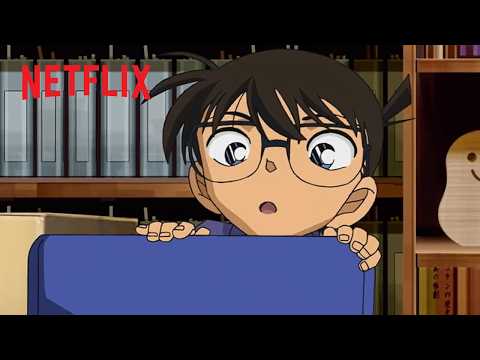
Whenever a politician asserts they have no memory of an illicit donation, a social media influencer gets caught using aggressive beauty filters, or an employer claims overtime hours dropped while employee output doubled, replies flood the thread with variations of the quote. Netizens do not post long debunking essays. They post a screenshot of Conan adjusting his glasses alongside six elongated Japanese characters.
| Era | Primary Medium | Operational Function |
|---|---|---|
| 1994, 2002 | Manga & Broadcast TV | Narrative device: Conan guides clumsy detectives to murder weapons without breaking character. |
| 2003, 2015 | 2channel & Early Social Platforms | Forum irony: Used in text-only debates to call out logical fallacies and forum trolls. |
| 2016, 2026 | X (Twitter), TikTok, Messaging Apps | Weaponized domestic & civic sarcasm: Exposing marital lies, bad infrastructure, and corporate PR blunders. |
The visual language around the meme has solidified over three decades. When used online, the phrase rarely appears in isolation. It is typically flanked by emojis representing oversized round spectacles, a red bow tie, or a single magnifying glass.
In everyday conversation, speakers often alter their physical posture when reciting the line. They cock their heads to one side, raise an index finger to their chin, and widen their eyes. The performance signals to everyone in the room that the speaker is not genuinely confused. They have spotted the lie, and they are granting the liar exactly five seconds to confess.
Real-World Catchphrase Clashes: Infidelity and Urban Absurdities
The phrase thrives because it fits real-life tensions that demand indirect exposure. The livedoor ニュース report highlights how modern domestic detectives use the quote during relational reckonings. When a partner claims to be stuck working late at a corporate desk, yet their shared phone tracking suddenly goes dead, the confrontation does not start with screams. The wronged party sends a screenshot of the greyed-out GPS pin captioned: “Arere, ? Okashii zo, ? Why would the location we agreed to share turn off right outside Shinjuku?” The perpetrator realizes immediately that their defense is shattered.
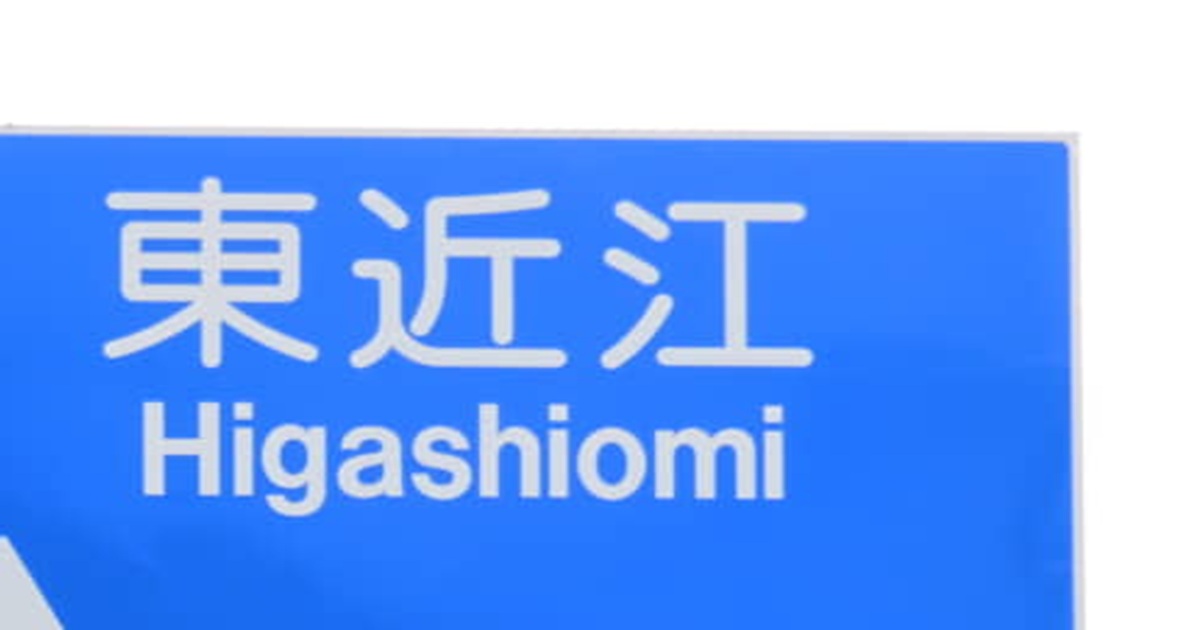
Beyond personal infidelity, civic absurdities trigger identical reactions across digital communities. In mid-2026, an ITmedia investigative report tracked an explosion of social media commentary surrounding a baffling road sign in Shiga Prefecture. Drivers navigating an intersection encountered contradictory directional arrows pointing toward impossible loops, earning the intersection the viral nickname "Crossroad of the Labyrinth", a direct homage to Conan’s seventh theatrical film, Crossroad in the Ancient Capital.
Motorists uploaded dashcam footage of the confusing infrastructure, layering audio snippets of Minami Takayama’s iconic line over the footage. The civic critique proved far more effective than an angry email to the local prefectural road bureau. By framing the municipal failure as a Conan mystery where the culprit is civic planning itself, the clip garnered millions of impressions and prompted local officials to review the signage.
Why Feigned Ignorance Cuts Deeper Than Direct Confrontation
The endurance of Arere, okashii zo speaks directly to the mechanics of high-context communication in Japan. Direct verbal confrontation (taiketsu) is culturally discouraged in polite society because it forces both parties into an immediate loss of face. An outright accusation demands either total surrender or open hostility.
Feigned ignorance offers an asymmetric tactical alternative. By using a phrase designed for a confused child, the speaker preserves an illusion of politeness while delivering ruthless factual damage:
- Deniable Aggression: The accuser never technically levies an accusation. They merely express bewilderment at an observable physical fact.
- Forced Confession: Because the contradiction is highlighted as an innocent puzzle, the burden shifts entirely to the target to resolve the impossible math of their own lie.
- Third-Party Mobilization: Just as Conan uses the phrase to catch the attention of Inspector Megure, a social media user uses it to flag an issue for onlookers without sounding overtly hysterical.
The psychological weight on the recipient is uniquely acute. When someone says, "You are lying to me," natural defensiveness takes over. Adrenaline surges; counter-arguments deploy. But when someone tilts their head and mutters, "Arere, ? Okashii zo, ?", the target realizes they have made a rookie mistake. The error was so obvious that even a child noticed it. The ego collapses inward.
Frequently Asked Questions (FAQ)
Q1: What does "Arere, okashii zo" mean in English?
A1: It literally translates to "Huh? That's weird!" or "Oh, isn't that strange?" In pop culture and internet discourse, it functions as sarcastic shorthand for pointing out an obvious contradiction, lie, or logical failure.
Q2: Who originally said the line?
A2: The phrase was popularized by Conan Edogawa (voiced by Minami Takayama), the alias of high school detective Shinichi Kudo in Gosho Aoyama's long-running manga and anime series Detective Conan (localized as Case Closed).
Q3: How is the catchphrase used on social media platforms like X and TikTok?
A3: Users post the phrase alongside images of Conan adjusting his glasses to mock hypocritical public statements, call out cheating partners, flag continuity errors in media, or highlight baffling municipal designs.
Q4: Is the phrase considered rude when spoken aloud in real life?
A4: Context dictates everything. If spoken among close friends or family, it is viewed as playful teasing. If directed toward a superior or stranger in a formal business setting, it is deeply insolent because it mocks the listener's competence through mock-baby talk.
The Enduring Cultural Power of Japan's Favorite Clue
Thirty years after Gosho Aoyama first sketched a de-aged detective pointing out misplaced footprints, Arere, okashii zo shows zero signs of fading into linguistic obsolescence. If anything, the saturation of digital surveillance, shared smartphone tracking, and public receipts has created an environment where inconsistencies multiply by the hour.
Human beings will always attempt clumsy deceptions. They will turn off their GPS signals, contradict their own public statements, and build road signs that direct traffic into circular cul-de-sacs. And as long as they do, someone nearby will adjust their glasses, pitch their voice into an innocent falsetto, and let them know that the game was lost before it even began.