The Evolution of Sodor Horror: How the Timothy Legend Resurged Across TikTok and YouTube

Late on an October night in 1913, an aging steam locomotive barreled past station signals onto an incomplete viaduct. Passengers screamed behind locked carriage doors. The driver fought the regulator, but the machine refused to stop. Breaking into an ear-splitting whistle, the engine supposedly yelled, "I'm going to send you all to the graveyard!" before plunging into the ravine below. For millions of viewers across YouTube and TikTok, that nightmare has a name: Timothy.
He never appeared in the books of the Reverend Wilbert Awdry. Britt Allcroft’s television producers never cast him in resin or brass. Yet within digital folklore, Timothy the Ghost Engine commands a following as rabid as any official character on the Island of Sodor. What started as an amateur creepypasta typed onto internet forums in the early 2010s has metastasized into a cornerstone of contemporary analog horror, pulling hundreds of millions of views across short-form video platforms and redefining how generations process the uncanny machinery of their childhoods.
📌 Key Takeaways:
- The Origin: Timothy began as a 2011, 2012 Thomas the Tank Engine creepypasta created by Kane Productions, centering on a fictional prototype locomotive that committed murder-suicide off a cliff in 1913.
- The Mechanical Hook: By anchoring the ghost to the real-world history of the London, Brighton and South Coast Railway (LBSCR) E2 tank engine, the myth exploited genuine historical gaps in Reverend Awdry's railway canon.
- The Modern Resurgence: The narrative migrated from amateur Train Simulator machinima to viral analog horror, fueled by TikTok VHS filters, sound bites, and an appetite for Sudrian horror lore.
The Anatomy of a Rail Myth: From Forum Text to Machinima Cult
The Timothy urban legend emerged during the golden age of internet horror fiction. Between 2011 and 2013, the Creepypasta fandom was obsessed with the lost episode mystery trope, cursed broadcast tapes of *SpongeBob SquarePants*, *Suicide Mouse*, or hacked Nintendo cartridges. Within the niche train-enthusiast corner of the web, creator Kane Productions published a video story that departed from the usual television-tape formula. Instead of an unreleased production reel, the story presented itself as suppressed railway history.
The premise was simple and gruesome. Long before Thomas arrived on Sodor in 1915, Sir Topham Hatt commissioned an experimental engine numbered 0. Built with a silver-gray coat and a standard crew, Timothy seemed reliable until a sudden, inexplicable madness seized him. Disregarding warning flags, he accelerated down a steep branch line and hurled his passengers and crew over a cliff edge. Years later, on the anniversary of the crash, phantom whistles and a gray silhouette would haunt the tracks.
Early video iterations relied on crude modifications within *Trainz Railroad Simulator 2006* and *Trainz 2009*. The production values were humble: basic 3D face replacements, distorted audio filters, and red-eyed editing software overlays. Yet the core narrative struck a chord. The Train Simulator community seized on the asset, creating custom downloadable engine skins, fan sequels, and spin-off storylines. Within three years, Timothy transitioned from a single creator's upload into collaborative open-source mythology.
Historical Realism: Why the Prototype E2 Anchor Worked
Most internet ghost stories collapse under scrutiny because their worldbuilding is completely detached from reality. The Timothy myth survived because its architects understood British locomotive design. The character was framed as an experimental prototype of the London, Brighton and South Coast Railway (LBSCR) Class E2 tank engine, the very class that Reverend Awdry chose for Thomas.
In actual rail history, the London, Brighton and South Coast Railway built ten E2 tank engines between 1913 and 1916 at Brighton Works under locomotive engineer Lawson Billinton. The first batch suffered from inadequate bunker capacity and rough riding qualities, requiring redesigns in the second series. Real-world railway historians know that the class had mechanical limitations; all ten engines were scrapped by British Railways between 1961 and 1963, leaving zero survivors in preservation.
The Timothy legend slipped directly into these historical seams. By claiming that an unrecorded prototype existed prior to the official 1913 build schedule, the creepypasta weaponized real industrial timelines. For young railway enthusiasts learning about locomotive design, the technical jargon made the fiction unnervingly plausible. The myth did not just borrow Thomas’s face; it co-opted the industrial grit of late-Edwardian rail engineering.
Tracing the Medium Shifts Across Fifteen Years of Sudrian Folklore
The transformation of Timothy from written text to cinematic analog horror reflects the wider evolution of internet media distribution. The table below outlines how community production tools, audience demographics, and formats shifted across three distinct digital eras.
| Era & Timeframe | Primary Production Medium | Distribution Platform | Core Narrative Format |
|---|---|---|---|
| The Text & Machinima Dawn(2011, 2014) | Creepypasta wikis; *Trainz 2006* / *2009* basic scripts; Windows Movie Maker | Creepypasta Wiki, YouTube forums | Campfire text narratives; simple 3D train simulations with red-filter jump scares |
| The Expanded Lore Wave(2015, 2019) | Blender custom models; *Trainz: A New Era*; voice-acted fan audio plays | YouTube, DeviantArt, Steam Community | Episodic sequels; crossover web series; debates over canon integration |
| The Analog Horror Resurgence(2020, 2026) | After Effects CRT trackers; analog synthesis; CapCut audio splicing; Unreal Engine 5 | TikTok, YouTube Shorts, Reddit | Found-footage VHS logs; archival accident reports; existential and cosmic horror |
The Latent Darkness of Awdry’s Original Universe
Why did an Island of Sodor horror story capture such a massive audience while ghost stories about other children's properties faded away? The answer lies in the source material. Wilbert Awdry's *The Railway Series* was never entirely gentle. It was an unforgiving industrial parable.
Generations of children grew up reading canonical books where real existential horror lurked just beneath the surface. In *The Sad Story of Henry*, an engine is bricked up alive in a brick tunnel, left to rust in darkness because he refused to get his paint wet. Smudger, a reckless locomotive on the Mid Sodor Railway, was stripped of his wheels and buried in the ground behind an engine shed to spend eternity as a stationary generator. In *The Mountain Engine*, Godred derails, falls down a cliff, and is quietly cannibalized for spare parts.
Awdry treated his machines as living beings completely beholden to economic utility. Fail to perform, and your reward is the cutter's torch at the scrap yard. This brutal corporate utilitarianism created an undercurrent of dread. When internet storytellers introduced the cliff suicide myth, they were not inventing horror out of whole cloth. They were simply removing the delicate comedic buffer that British television had placed around Awdry’s austere railway reality.
Algorithms, VHS Glitches, and the Analog Horror Sodor Boom
Between 2020 and 2024, online horror underwent a massive structural shift. The text creepypasta died; analog horror replaced it. Driven by breakout projects like *The Mandela Catalogue* and Kane Pixels' *The Backrooms*, creators abandoned clean high-definition rendering in favor of magnetic tape static, emergency alert systems, and grainy 4:3 aspect ratios.
The Timothy mythos adapted instantly. Younger creators who had never read the 2011 wiki entry discovered the ghost engine through TikTok edits and YouTube breakdowns. A broader wave of projects, including Tidmouth Sheds' *The Sodor Fallout*, proved that treating Sodor as a setting for nuclear contamination, biological corruption, and industrial catastrophe could yield viral gold. Clips showing Timothy’s dead-eyed, toothless wooden face fading in through VHS static racked up over 45 million collective impressions on TikTok under tags like #SudrianHorror and #GhostTrain.
The appeal leans heavily into the uncanny valley. A train with a human face is naturally surreal. When that face turns hollow, gray, and expressionless while mechanical rods continue to pump at eighty miles per hour, the brain reacts with immediate revulsion. Modern creators strip away the cheesy 2012 blood splatters. Instead, they give Timothy an unsettling silence, broken only by the scrape of steel wheels against ungreased rails and distant, looping dispatch whistles.
Frequently Asked Questions (FAQ)
Q1: Is Timothy the Ghost Engine an official Thomas & Friends character?
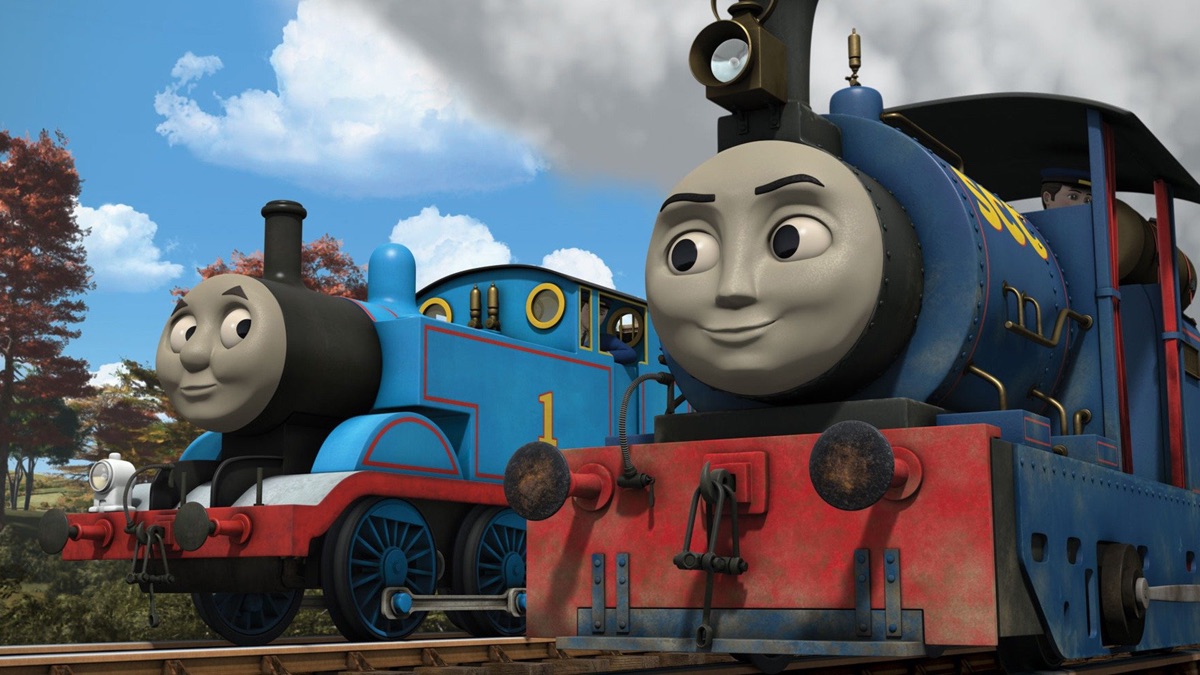
A1: No. Timothy is entirely fan-created, originating within the internet creepypasta community around 2011. While an official character named Timothy (an oil-burning tank engine) debuted in the 2014 CGI movie *Tale of the Brave*, that engine is a completely separate creation owned by Mattel and shares zero connection to the urban legend.
Q2: Who originally wrote the story of Timothy?
A2: The original narrative is credited to the YouTube creator known as Kane Productions. The creator uploaded the first prominent video retelling featuring *Trainz* gameplay and established the narrative details of the 1913 cliff crash and the engine's prototype status.
Q3: Why did the cliff suicide myth become the defining feature of the story?
A3: The cliff crash provided a definitive, shocking moment of violence that shattered the wholesome rules of the television series. It also played on real railway fears of runaway trains and brake failures, grounding the supernatural event in mechanical catastrophe.
Q4: How does Timothy fit into the broader "Sodor Analog Horror" subgenre?
A4: Timothy serves as the historical grandfather of Sudrian horror lore. While newer series explore bio-horror or nuclear accidents, Timothy represents the pure gothic ghost train tradition, making him the easiest character to integrate into historical mockumentaries and found-footage VHS shorts.
The Undying Track: Sodor as Modern Gothic Canvas
Internet folklore often burns hot and disappears within weeks. A meme explodes, saturates timelines, and vanishes into digital obscurity. The persistent survival of Timothy over nearly fifteen years points to something deeper than cheap nostalgia bait. The legend works because the Island of Sodor is, and always has been, ideal terrain for modern gothic storytelling.
Awdry built an isolated, fog-drenched island populated by sentient mechanical beings who live in constant terror of obsolescence, governed by an absolute industrial authority. When fans project digital hauntings into those misty valleys, they are engaging in a tradition as old as Victorian ghost literature. Steel, coal, steam, and mortality make potent narrative fuel. As long as short-form video algorithms crave striking, uncanny imagery, Timothy’s whistle will continue echoing through the digital dark.