The Evolution of the Voice Delay Gag: From Prime-Time TV to Viral TikToks
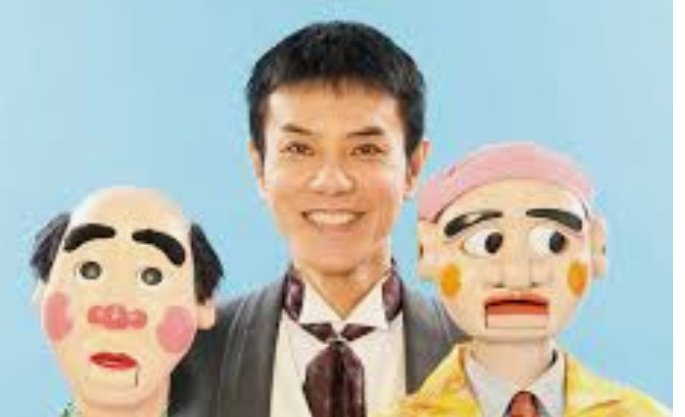
A performer opens his mouth, visibly forms syllables, and closes his lips into a relaxed smile. Nothing happens. One full beat passes, followed by a second. Then, without a millimeter of facial movement, the words suddenly ring out into the auditorium: "Are? Koe ga... okurete... kikoete kuru yo" ("Huh? My voice... is reaching you... on a delay"). In the spring of 1999, that five-second sequence on Japanese national television broke the traditional conventions of stage ventriloquism and permanently altered how pop culture treats the physical connection between sight and sound.
The routine belonged to ventriloquist Ikkokudo, born Ikko Tamamoto in Okinawa, whose precision turned what looked like a satellite broadcast error into an iconic comedy routine. Over the past quarter-century, that analog stage trick has expanded far beyond vintage variety television. The delayed voice gag migrated across continents and media platforms, evolving into modern video desync memes, Discord lag bits, and viral short-form audio trends that dominate platforms like TikTok and YouTube Shorts.
📌 Key Takeaways:
- The Origin: Ventriloquist Ikkokudo pioneered the delayed speech illusion in 1999, subverting classical puppet-based comedy by performing the trick solo and simulating broadcast latency purely through physiological vocal control.
- The Cognitive Trick: The performance exploits the human brain's temporal binding window, the natural 100-to-250 millisecond margin where the mind forces audio and visual stimuli to sync, by stretching that gap to several seconds.
- The Modern Rebirth: In 2026, the gag thrives as a core grammar of internet comedy, recycled by video creators and streamers parodying glitchy VoIP calls, bad Bluetooth sync, and viral lip-sync trends.
The 1999 Broadcast That Decoupled Sight From Sound
Stage ventriloquism in the late 1990s had settled into a predictable formula. Performers relied on colorful, fast-talking wooden puppets to distract the audience while tossing lines through barely parted lips. The craft was theatrical, loud, and tied to vaudeville traditions. Ikkokudo shattered that expectation by ditching the puppet entirely.
Appearing on nationwide Japanese variety showcases in 1999, he stood under single spotlights wearing tailored suits. Rather than deflecting attention, he directed the audience straight to his mouth. His setup mimicked the mundane reality of technical difficulties: international news broadcasts plagued by transpacific satellite lag. He pantomimed speaking without releasing air, locked his facial muscles, and then projected his voice through pure diaphragmatic control seconds later. The audience gasped before they laughed.
The gag transformed Ikkokudo into an overnight sensation. Japanese television producers booked him across major networks, from NHK specials to high-energy commercial variety panels. The signature line, "Koe ga okurete kikoete kuru yo", became a ubiquitous schoolyard catchphrase. He expanded the routine into three-dimensional audio illusions, throwing his voice so it appeared to travel left-to-right across stereo speakers or mimic reverberation inside a stadium tunnel. Yet the simple delayed speech illusion remained his masterpiece.
The Mechanics of the Ventriloquism Latency Trick
Behind the effortless comedic timing lies an extraordinary feat of physiological isolation. Standard ventriloquism requires substituting difficult consonant sounds, bilabials like B, P, and M, which naturally require lip contact, with modified dental or tongue-palate positions. Ikkokudo took this discipline and introduced a decoupled timing sequence.
The sequence functions in two distinct phases:
First comes the silent pantomime. The performer articulates the target sentence using exaggerated, natural lip shapes while quietly exhaling without engaging the vocal cords. This visual track establishes the premise in the viewer's visual cortex. The mouth must move with authentic pacing so the viewer subconsciously registers the exact rhythm of speech.
Second comes the delayed delivery. Once the lips return to a relaxed, neutral position, the performer delivers the audio using suppressed pharyngeal mechanics. Because bilabials cannot be hidden without mouth movement, Ikkokudo developed substitutions that rely entirely on the back of the throat and tongue-tip positioning against the upper alveolar ridge. Air pressure builds against the soft palate rather than the lips, releasing explosive consonants without triggering a flicker of the facial muscles.
The psychological friction creates the comedy. The spectator's brain expects audio to follow visual articulation immediately. When the sound is withheld, the mind experiences a momentary perceptual lag illusion. The delayed arrival feels uncanny, turning a physical limitation into an intentional punchline.
From Satellite Static to Algorithmic Audio Parody
The delayed voice gag has spent twenty-five years jumping platforms. What started as an analog stage parody of satellite technology adapted seamlessly to dial-up web video, early streaming, and modern algorithmic feeds.
| Era | Dominant Platform | Technical Execution | Cultural Parody Target |
|---|---|---|---|
| 1999, 2004 | Terrestrial Variety Television | Pure vocal acrobatics; zero software manipulation | Satellite television transmission delays |
| 2005, 2015 | Niconico & Early YouTube | MAD remix videos and amateur stage homages | Early video player buffering and low-bandwidth desync |
| 2016, 2021 | TikTok & Vine Iterations | In-app audio splicing, intentional lip-sync lag | Glitchy Bluetooth headphones and poor cellular calls |
| 2022, 2026 | TikTok, Twitch & Shorts | Live streaming packet drops and AI voice filter latency | Remote work software glitches and synthetic voice lag |
In the mid-2000s, video remix communities on Japan's Niconico Douga extracted the audio track of Ikkokudo's variety appearances, slicing it over anime clips and political press conferences. As smartphone culture exploded in the 2010s, the concept shed its specific Japanese cultural marker and turned into a universal internet gag.
Creators across Western social platforms began executing identical comedy audio sync bits without knowing the 1999 television origin. The setup changed from satellite relays to broken video-call software. The structural punchline, however, remained unchanged: human speech running out of sync with human lips.

Why Perceptual Lag Warps the Human Brain
The comedy of the delayed voice routine works because it weaponizes a hardwired neurological phenomenon. Human senses process light and sound at vastly different speeds. Light hits the retina almost instantaneously, while sound travels through the air at roughly 343 meters per second. Inside the skull, visual signals take roughly 50 milliseconds to process, while acoustic signals register in under 15 milliseconds.
To keep people from perceiving reality as a poorly dubbed film, the brain uses what neuroscientists call the temporal binding window. Within an interval of roughly 100 to 250 milliseconds, the brain recalibrates sensory inputs and forces sight and sound into a single perceptual event. When an audio-visual gap stays inside that window, you perceive perfect synchronicity.
Ikkokudo's routine expands that window to 1,500 to 3,000 milliseconds. When the human brain encounters an audio signal detached by several seconds from its corresponding visual gesture, cognitive dissonance occurs. The brain spends the first second attempting to resolve the missing audio, creates tension, and releases that tension in laughter when the delayed sound finally registers. The gag is not just clever acting; it is a live hack of the sensory cortex.
Digital Creators and the Audio-Sync Revival
On modern short-form feeds, intentional desynchronization has emerged as one of the most reliable comedic devices for video editors. Where Ikkokudo achieved the effect through brutal muscle control, digital creators produce it by slicing timeline tracks in video editors or abusing platform features.
The dominant modern variation is the lip-syncing comedy gag on TikTok. Creators record an expressive dialogue clip, offset the audio track forward or backward by half a second, and perform exaggerated physical reactions to their own mistimed speech. Another strain leverages live-streaming latency. Popular Twitch and YouTube streamers simulate technical issues by deliberately pantomiming dialogue while triggering delayed soundboard outputs, baffling live chats before revealing the bit.
Voice modulation performance has also integrated this timing logic. With the rise of real-time voice changers and AI filters, streamers frequently encounter actual processing latency. Instead of masking the 200-millisecond computational delay, content creators lean into it, mimicking Ikkokudo’s frozen expression while waiting for software to spit out their voice. The technical bug becomes the entertainment.
Frequently Asked Questions (FAQ)
Q1: Did Ikkokudo use any microphones or hidden audio playback tricks?
No. Sound technicians and veteran television directors in Japan have repeatedly verified that Ikkokudo performs the delayed speech illusion live using an unedited acoustic microphone. The trick is purely mechanical, relying on throat control, diaphragm support, and lip-immobilization techniques developed over years of vocal training.
Q2: How does the ventriloquism latency trick differ from delayed auditory feedback (DAF)?
Delayed auditory feedback is a psychoacoustic disruption that occurs when a speaker hears their own voice through headphones with a 150, 250 millisecond delay, usually causing them to stutter or stop speaking entirely. Ikkokudo's performance is the exact inverse: the speaker retains full control, intentionally decoupling the timing between silent lip pantomime and vocal output to trick the audience.
Q3: Why did the "delayed voice" gag become famous specifically in 1999?
The late 1990s marked the peak of satellite-dependent global broadcasting, where television viewers regularly saw reporters in foreign bureaus stare blankly into the camera for two seconds before responding to studio anchors. Ikkokudo drew inspiration directly from this real-world media phenomenon, packaging an annoying broadcast defect as a virtuosic variety act.
The Enduring Appeal of the Intentional Glitch
Technical glitches are normally frustrating. Video calls freeze, audio tracks drift, and poor Bluetooth codecs turn clean dialogue into disjointed noise. Yet when latency is performed intentionally with physical precision, it becomes magnetic.
Ikkokudo's breakthrough worked because it proved that human discipline could simulate the cold flaws of modern transmission equipment. Decades later, as algorithmic creators use editing software to mock network drops and delayed audio buffers, they operate within the exact comedic boundary established on Japanese television in 1999. Whenever sight and sound drift apart for a laugh, the ghost of that first deadpan delivery still echoes through the static.