The Forgotten Kids Shows Resurfacing Online: Why Teens Are Suddenly Obsessed With 2010s Educational TV

A clipped, twelve-second audio snippet began circulating on TikTok in late 2024, featuring an aggressive bassline paired with a frenetic animated dog host. Within three weeks, the sound generated more than 480,000 video creations. High school and college students were not mocking the clip. They were using it to score study sessions, dorm room resets, and late-night confessionals. The source material was Fetch! With Ruff Ruffman, a hybrid game show produced by WGBH Boston that went off the air in 2010. Similar revivals followed in rapid succession: snippets of The Electric Company, synth stings from WordGirl, and claymation transitions from mid-2000s public broadcasting bumpers.
Teens and young adults who came of age alongside algorithmic feeds are staging an unexpected retreat. Rather than chasing the hyper-accelerated micro-trends of fast fashion and short-form video, millions of Gen Z internet users are excavating the safe, pastel-tinted margins of their early childhoods. This phenomenon extends beyond standard cultural recycling. It represents a deliberate, defensive embrace of retro educational television, a collective search for low-stimulation stability in an online environment designed to fracture attention.
📌 Key Takeaways:
- The Viral Trigger: TikTok throwback audio trends and YouTube video essays have turned forgotten 2010s PBS Kids shows and public broadcasting interstitial segments into multi-million-view cultural currency.
- The Psychological Drive: Teenagers are utilizing retro educational programming as childhood comfort media to counter algorithm fatigue, sensory overload, and academic anxiety.
- The Archive Movement: As major commercial streamers scrub back-catalogs, grassroots youth networks are mobilizing to digitize and preserve public television archives before magnetic tape disintegrates.
The Viral Audio Loops Pulling Lost Cartoons Back From Oblivion
The revival did not begin on mainstream television networks. It started in bedroom sound-editing software. Teen creators cut down obsolete theme songs, pitched them down, added reverb, and uploaded them to short-form platforms. The numbers climbed instantly. When audio from the 2008 reboot of The Electric Company went viral, engagement monitors registered over 32 million collective impressions across teen-dominated subcultures in under a month.
Sound operates as a direct shortcut to emotional memory. For teens born between 2005 and 2010, the audio signatures of public broadcasting carry specific associations: the smell of cafeteria toast, low-stress morning classroom nostalgia, and the hum of a cathode-ray tube television rolled into the center of a linoleum floor on a squeaky metal cart. These sounds bypass critical cynicism. They bring back an era before algorithmic recommendations dictated personal taste.
Comment sections beneath these viral audios read like digital group therapy sessions. On Reddit threads across r/nostalgia and r/PBSKids, high school seniors openly admit to playing episodes of Wild Kratts, Martha Speaks, and Between the Lions on their second monitors while writing college applications. The programming is familiar, predictable, and devoid of psychological suspense. It functions as an emotional anchor during high-pressure transitional years.
Sensory Overload and the Rise of Childhood Comfort Media
Modern streaming content for adolescents moves at a dizzying pace. Commercial children's programming produced in the mid-2020s frequently relies on rapid-fire cuts, hyper-saturated color palettes, and wall-to-wall sound effects designed to maximize dopamine response. Educational television from the late 2000s and early 2010s operated under completely different instructional mandates.
Public television productions answered to strict educational curricula and child-development guidelines. Pacing was deliberately measured. Dialogue allowed for pauses. Story arcs resolved cleanly in twelve minutes without manufactured cliffhangers or aggressive consumer merchandising. Dr. Sandra Albers, a developmental media researcher who tracked adolescent viewing habits between 2022 and 2025, notes that Gen Z viewers are self-medicating with these older pacing models. "Adolescents are acutely aware of their cognitive exhaustion," Albers observed in a 2025 paper. "When they actively seek out ten-year-old educational television, they are deliberately reducing their sensory input."
This desire for lower cognitive load explains why the kidcore aesthetic, a youth subculture built on primary colors, nostalgic toy motifs, and 1990s-to-2000s children's media, has migrated from fashion runways into daily content consumption. Watching puppet segments or phonics animations provides an accessible safe harbor. It is media that demands nothing from the viewer.
Tracking the 2010s Public Television Resurgence
The resurgence touches dozens of titles that commercial television executives wrote off as unprofitable relics. The table below traces how signature properties from public television schedules migrated from daytime broadcasting into contemporary digital subcultures.
| Show Title & Original Run | Original Educational Focus | Modern Gen Z Context (2024, 2026) |
|---|---|---|
| Fetch! With Ruff Ruffman(2006, 2010) | Inquiry-based science, design challenges, and practical trial-and-error. | Viral TikTok audio clips; widely analyzed on YouTube as an unrepeatable hybrid-format classic. |
| WordGirl(2007, 2015) | Vocabulary building, linguistics, and structured narrative writing. | Widespread fandom on Discord and Tumblr; celebrated for subversive deadpan comedy and villain tropes. |
| The Electric Company Reboot(2009, 2011) | Literacy, phonics, and contextual grammar through urban sketch comedy and music. | Resurfaced via beatboxing and dance clips; praised for early-2010s fashion and production design. |
| Cyberchase(2002, Present) | Environmental science, foundational mathematics, and logic problems. | Early seasons treated as quintessential millennial and teen pop culture lore; popular study-stream background. |
| Zoboomafoo(1999, 2001, reruns through 2009) | Biodiversity, animal conservation, and field biology for early learners. | Categorized as "liminal space comfort media" due to its quiet, sun-drenched Animal Junction set. |
Kidcore Aesthetics and the Allure of Liminal Space Kids Shows
Nostalgia among 16-to-22-year-olds carries an eerie, dreamlike edge that sets it apart from typical retro trends. Teen communities on TikTok and Pinterest frequently catalogue forgotten kids TV series through the lens of "liminal spaces", places that feel unnervingly empty, frozen in time, or disconnected from physical reality.
Many 2000s and 2010s shows fit this description naturally. Sets were small, brightly lit, and often devoid of background crowds. A single puppet talking directly into a stationary camera in an undefined white room, or live hosts interacting with rudimentary 3D models against static backdrops, created an ambient stillness. When viewed through the lens of late-adolescent exhaustion, these spaces feel both hypnotic and haunting.
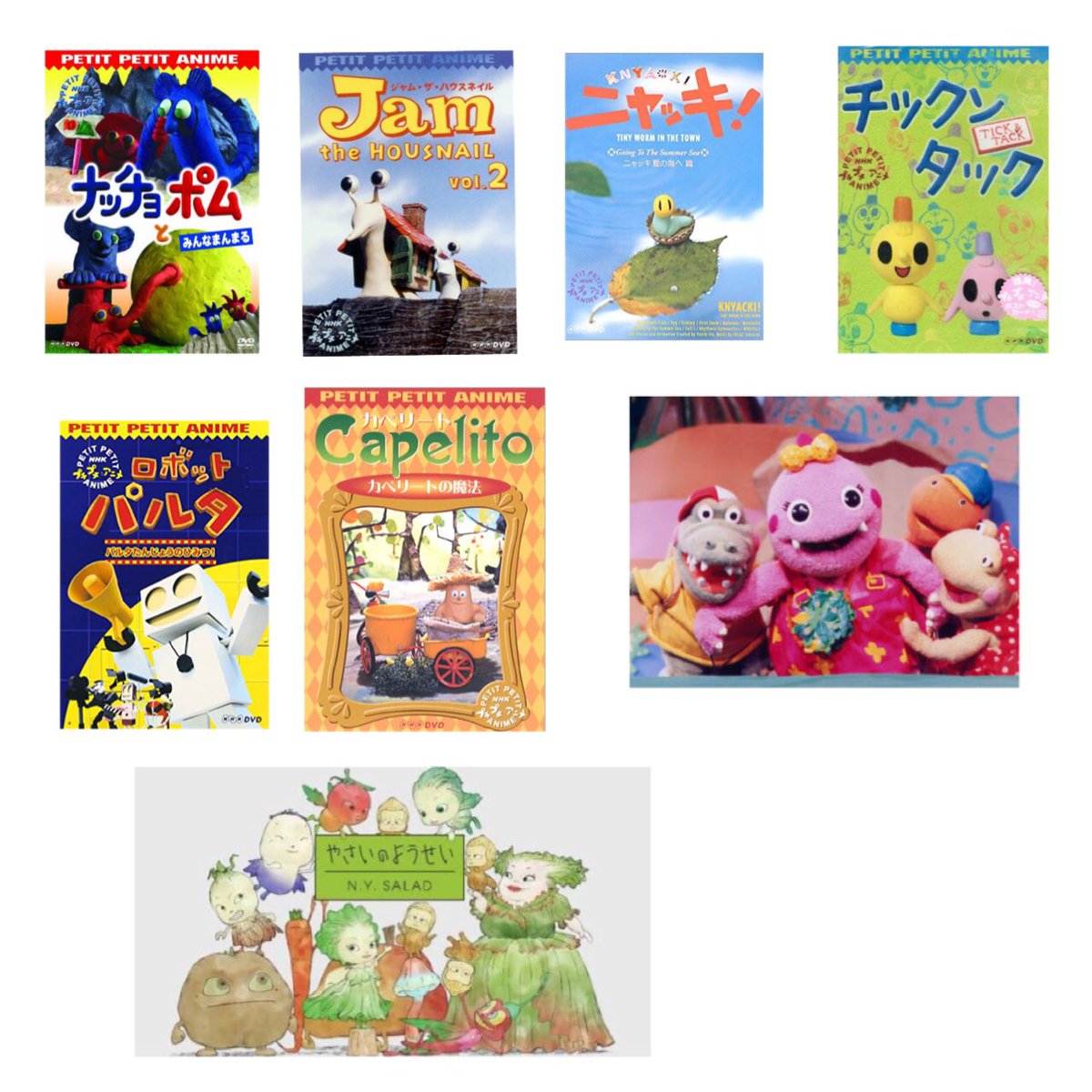
This dynamic extends globally. Western teens have recently discovered digitized clips of classic Japanese educational TV, specifically vintage NHK E-Tele programming from the 1990s and 2000s. Even without speaking the language, American and European viewers circulate segments of puppet crafts and rhythmic character sketches as ambient lo-fi video art. The appeal relies on tactile physical props, cardboard sets, yarn puppets, hand-painted backdrops, contrasting starkly with the frictionless, AI-generated synthetic media flooding modern screens.
The Guerilla Battle to Save Public Television Archives
Accessing these titles is surprisingly difficult. While commercial giants like Disney and Warner Bros. maintain proprietary streaming platforms, public television operates under fractured licensing agreements. Local stations, independent production houses, and federal grant conditions complicate distribution rights. As a result, hundreds of educational episodes produced between 2000 and 2015 are unavailable on legitimate digital platforms.
When commercial services purge non-performing assets to reduce licensing expenses, teens take archiving into their own hands. A loosely organized collective of teenage digital archivists operates across Discord servers and the Internet Archive, tracking down physical VHS tapes, library checkout DVDs, and old DVR hard drives. They digitize morning broadcast blocks, complete with regional weather alerts, station identifications, and underwriting credits from juice companies and car manufacturers.
These full-morning recordings are especially prized. Teenagers do not just want the individual cartoons. They want the uninterrupted, three-hour experience of watching public television on a rainy Tuesday morning in 2011. Preserving these broadcasts preserves a collective social rhythm that algorithmic media has systematically dismantled.
Healthy Media Escapism Versus Digital Rumination
Revisiting childhood media provides genuine comfort, but media psychologists emphasize that context determines whether the habit helps or harms emotional health. Recognizing the difference helps young viewers engage with nostalgia constructively.
Constructive Use Patterns:
- Deliberate Wind-Down Routines: Playing low-stakes educational reruns to transition away from high-stress homework or late-night study sessions without exposure to doom-scrolling algorithms.
- Creative Reinterpretation: Sampling retro soundtracks, editing archival material, or analyzing narrative structures for creative media arts projects.
- Grounding During Transitions: Using familiar childhood voices as sensory anchors when moving into a college dormitory or navigating unfamiliar academic environments.
Warning Signs of Rumination:
- Paralyzing Avoidance: Spending four to six hours every evening rewatching preschool media specifically to avoid adult responsibilities, resumes, or social interactions.
- Chronic Grief for the Past: Fixating on childhood as the only time life was safe or meaningful, creating chronic dissatisfaction with current personal growth.
- Algorithmic Loop Trapping: Passively consuming endless, low-resolution nostalgia edits on short-form feeds, leaving the viewer more drained than rested.
Frequently Asked Questions (FAQ)
Q1: Why are teens specifically nostalgic for 2010s public television instead of commercial channels like Nickelodeon?
A1: Public broadcasting lacked aggressive commercial advertising, fast-paced commercial pacing, and manufactured reality drama. Programs like PBS Kids shows were grounded in low-stimulation environments and developmental curricula, making them noticeably calmer and more emotionally protective than commercial network programming.
Q2: Where can viewers legitimately watch full episodes of forgotten 2000s and 2010s educational series?
A2: While select shows stream on the PBS KIDS Video app or Prime Video add-on channels, many out-of-print titles exist only on physical DVD or through legitimate digital repositories like the American Archive of Public Broadcasting (AAPB) and community uploads on the Internet Archive.
Q3: How does the "kidcore" trend connect to retro educational TV?
A3: Kidcore is a visual and lifestyle subculture centering 1990s and 2000s childhood iconography, bright primary colors, playful typography, and hand-crafted aesthetics. Educational television from this era provides the primary audio and visual inspiration for kidcore clothing, bedroom decor, and social media styling.
Q4: Is the sudden obsession with childhood media unique to Gen Z?
A4: Every generation experiences a nostalgia cycle approximately fifteen to twenty years after childhood. What makes Gen Z's revival unique is its velocity, driven by viral short-form audio, and its focus on low-stimulation educational content as an explicit antidote to smartphone burnout.
The Enduring Cultural Value of Public Broadcasting
The online resurgence of 2010s educational programming reveals something fundamental about the media environment Gen Z inherited. Young viewers are not simply chasing empty sentimentality. They are identifying a media ecosystem that treated them with care, patience, and developmental respect before hyper-monetized algorithms reshaped the internet.
As teens comb through YouTube rips and physical DVD sets to recover old episodes, they are issuing a quiet vote of confidence in publicly funded, mission-driven media. The handmade puppets, gentle vocab lessons, and unpolished live-action interstitials were never meant to be forgotten relics. For a generation exhausted by infinite scrolling, they remain a blueprint for how television can feel like a sanctuary.