The Hidden Dangers of Store-Bought Pet Kimonos—and Why Handcrafting Is Safer

Every summer, pet supply marketplaces fill with miniature Japanese kimonos. Featuring bold floral prints, stiff decorative bows, and low price tags, these novelty outfits dominate social media feeds during warm-weather festival seasons. Yet behind the viral photos lies a recurring veterinary hazard. Mass-produced dog clothes sold across major discount platforms routinely compromise canine health, trading thermal regulation and basic mobility for visual appeal.
Dogs possess fundamentally different cooling mechanics than humans. While people perspire across their skin, dogs rely almost exclusively on panting and minimal heat dissipation through their paw pads. Layering an animal in dense, non-breathable polyester halts radiative cooling, trapping ambient heat directly against the skin. Handcrafting a summer robe using traditional techniques solves this structural flaw. By working from a dedicated DIY dog yukata pattern, owners can bypass factory shortcuts, prioritize anatomical freedom, and keep pets comfortable during warm evening outings.
📌 Key Takeaways:
- The Thermal Threat: Commercial pet kimonos predominantly rely on 100% synthetic polyester and acrylic bindings that exacerbate heatstroke risks in pet apparel during humid summer outings.
- Textile Integrity: Drafting garments from non-toxic pet textiles, specifically breathable Japanese cotton fabric or repurposed tenugui, restores micro-ventilation across the dog’s chest and spine.
- Anatomical Patterning: A safe pet kimono sewing tutorial relies on a non-restrictive obi sash design and soft Velcro closure placement that releases instantly under physical tension.
The Thermal Trap of Mass-Produced Synthetic Pet Costumes
Commercial pet fashion operates on tight manufacturing margins. To keep retail prices between $8 and $15, overseas apparel factories rely heavily on woven polyester, synthetic satins, and rigid chemical stiffeners. These textiles act like greenhouse wraps. When a dog walks in 78°F (25.5°C) ambient temperatures with 70% humidity, synthetic weaves prevent moisture evaporation and block cooling airflow.
Veterinarians consistently warn that canine body temperatures run higher than human baselines, hovering between 101°F and 102.5°F (38.3°C to 39.1°C). Once core temperatures cross 104°F (40°C), cellular breakdown begins, quickly escalating into systemic heat exhaustion or fatal heatstroke. Thick factory linings, compounded by heavy decorative satin sashes sewn tightly around the lower ribcage, directly constrict the diaphragm. This restriction stops a dog from taking deep, rapid breaths, their primary mechanism for shedding excess heat.
Fast-fashion garments also ignore canine garment safety standards. Rough interior overlock stitching creates severe friction against delicate armpit and groin skin. Heavy metal snap buttons and rigid wire-reinforced bows add unnecessary weight and create dangerous ingestion risks if chewed off during walks.
Textile Selection: Why Tenugui and Breathable Cottons Matter
Traditional human yukata emerged during the Heian period as bathing robes, evolving into casual summer street wear made from airy, single-weave cotton. Recreating this garment for canines requires adopting the exact same material philosophy. Selecting non-toxic pet textiles ensures that chemical dyes, formaldehyde residues, and plastic softeners do not transfer to a dog’s damp fur.
Lightweight summer tenugui repurposing stands out as the most practical route for home sewing. Standard Japanese tenugui towels measure roughly 13 by 35 inches (34 by 90 cm) and feature unhemmed, plain-weave cotton. They dry exceptionally fast, soften with every wash, and provide superior cross-ventilation compared to standard quilting cotton. For larger breeds, alternative options include sarashi (bleached absorbent cotton) or shijira-ori, a crinkled cotton weave that naturally holds the fabric away from the skin to maintain air pockets.
Natural plant-based fibers also respond well to external cooling strategies. During sweltering outings, a light misting of cold water onto a pure cotton yukata triggers evaporative cooling without turning the garment into a heavy, soggy mess. Synthetics cannot replicate this reaction; they merely hold wet heat against the animal's coat.
Material and Construction Breakdown: Factory Kimonos vs. DIY Yukata
The functional differences between industrial fast fashion and mindful home tailoring reveal why commercial costumes frequently fail in the field.
| Structural Element | Commercial Factory Kimono | Handcrafted DIY Cotton Yukata |
|---|---|---|
| Base Fabric | 100% synthetic polyester or nylon satin blend | Breathable Japanese cotton fabric, gauze, or tenugui |
| Thermal Dissipation | Near-zero; traps humidity and raises core temperatures | High passive airflow; open plain-weave facilitates cooling |
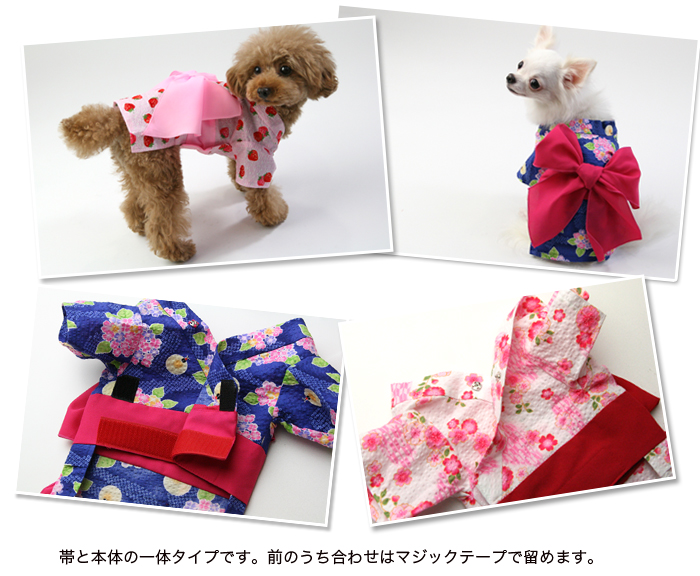
| Torso Fastening | Rigid plastic buttons or non-releasing metal snaps | Soft Velcro closure placement with panic-release capability |
| Obi (Sash) Design | Heavy, fully encircling polyester belt with dense padding | Non-restrictive obi sash design sewn flat to the dorsal panel |
| Estimated Cost | $8, $20 per retail unit | $6, $14 using repurposed tenugui and scrap notion trims |
Precision Drafting: The Canine Neck and Chest Measurement Guide
Poor fit ruins even the best materials. Ill-fitting garments drag on walking trails, catch dewclaws, or pinch the trachea. Successful step-by-step dog clothes drafting starts with a soft measuring tape and an unmoving pet standing on all four paws. Never measure a dog while they sit or lie down, as skeletal extension distorts true torso girth by up to 20%.
Accurate drafting requires three primary body measurements:
- Neck Circumference: Measure around the base of the neck where a flat collar naturally rests, adding a two-finger ease allowance (roughly 1 to 1.5 inches / 2.5 to 3.8 cm).
- Deepest Chest Girth: Locate the widest point of the ribcage, positioned immediately behind the front legs. This measurement dictates torso ease; add 1.5 to 2.5 inches (3.8 to 6.4 cm) to prevent chest compression when running.
- Back Length: Measure along the spine from the base of the neck (the withers) to roughly 2 inches forward of the tail base. For male dogs, truncate the ventral belly panel significantly to prevent urine contamination during walks.
Small breed custom sizing adjustments demand extra attention around the front armholes. Breeds like Dachshunds, French Bulldogs, and Toy Poodles display vastly different chest-to-leg proportions. A standard armhole cut often binds against low-set elbows or rubs the delicate skin of short-legged breeds. Scooping the ventral armhole curve an extra 0.5 inches downward eliminates this friction point without destabilizing the shoulder seam.
Assembling the Garment: Pattern Cutting and Construction Mechanics
A classic pet yukata avoids the complicated inner ties of human garments, substituting a streamlined three-panel configuration: one wide back panel (the dorsal piece) and two overlapping chest panels (the ventral pieces).
Begin by laundering the cotton fabric in warm water without fabric softeners. Preshrinking is essential; unwashed plain-weave cotton can shrink up to 8% during its initial wash, rendering a fitted custom garment unwearable.
Transfer your drafted measurements to paper before laying pieces onto the fabric. Fold your material along the straight grain. The dorsal panel should be cut on the fold to ensure symmetrical drape over the spine. For the front panels, extend each chest flap by 1.5 inches beyond the center line. This overlap creates a wide, secure landing zone for your closures while mimicking the traditional human wrap (eri) aesthetic.
When hemming the neckband, construct a flat-fold collar that finishes at roughly 0.75 inches (2 cm) wide. Traditional human kimono collars feature stiff canvas interfacings to hold an upright shape. Skip this step entirely for canine wear. An unlined, soft-folded cotton band lies flat against the scruff, eliminating throat irritation and allowing easy attachment to a standard walking harness.
Finish every raw internal edge with a clean French seam or a lightweight cotton bias tape. Overlock stitching using coarse polyester thread often causes chafing on hairless or short-coated breeds like Italian Greyhounds or Boston Terriers. Clean fabric seams eliminate this abrasive friction entirely.
Fastener Safety: Soft Closures and Non-Restrictive Obi Construction
The obi sash is visually defining, yet it represents the biggest design flaw in factory costumes. Commercial manufacturers wrap thick elastic or heavy bands entirely around the dog's waist, compressing internal organs and limiting natural diaphragm expansion.
To maintain historic visual appeal without compromising biomechanics, employ a purely decorative dorsal-only sash. Cut a contrasting piece of lightweight fabric, such as vintage chirimen crepe or printed cotton, measuring roughly 3 inches wide. Sew this decorative panel flat onto the back of the yukata, securing both sides into the side seams. The sash never wraps underneath the belly. It creates the illusion of a traditional knotted belt while leaving the underside free, open, and unrestricted.
For the ventral closure, reject metal snaps, zippers, and hard hooks. Zippers frequently snare fur, and metal snaps exert point-pressure against delicate breastbones. Instead, specify soft-loop thin Velcro cut into low-profile horizontal strips.
Position the soft loop tape facing inward toward the dog’s skin, while placing the scratchy hook tape on the outer-facing overlap flap. This orientation prevents stray hook filaments from snagging body hair. Horizontal placement allows for minor adjustments if the dog gains weight or develops a fuller seasonal coat. Most importantly, Velcro functions as an emergency release. If a branch or obstacle catches the yukata during an off-path walk, the fastener pulls apart immediately under modest strain, freeing the animal from entrapment.
Frequently Asked Questions (FAQ)
Q1: How many tenugui towels are needed to make a yukata for a medium-sized dog?
A1: A dog weighing between 15 and 25 pounds (such as a Shiba Inu or French Bulldog) typically requires two standard tenugui towels measuring roughly 13 by 35 inches each. One towel yields the main dorsal panel and collar band, while the second accommodates the two ventral chest wraps and decorative rear accents.
Q2: Can my dog safely wear a handmade yukata over an existing walking harness?
A2: Yes, provided you cut a reinforced harness leash portal directly into the upper back panel. Measure the distance from the base of your dog's neck to the D-ring of the harness, then sew a horizontal buttonhole (approx. 1 to 1.5 inches long) at that exact coordinate along the spine seam before finishing the collar.
Q3: How long can a dog wear a lightweight cotton yukata outdoors in the summer?
A3: Limit wear to roughly 20 to 30 minutes during warm daytime hours, even with pure cotton fabrics. Evening festival outings in cooler twilight temperatures allow for longer wear, but monitor your dog continually. If you observe excessive panting, sudden lethargy, or wide-eyed hesitation, remove the garment immediately and hydrate your pet.
Safer Standards for Summer Crafting
Making canine summer clothing requires shifting focus from visual novelty to anatomical comfort. Store-bought pet kimonos treat dogs like static mannequins, utilizing cheap, heat-trapping synthetics and restrictive closures that introduce unneeded medical risks.
Building a custom cotton yukata gives complete control over material performance and fit. By sourcing open-weave cottons, drafting to exact anatomical proportions, and substituting dangerous waist wraps for flat-sewn trims and safety-release fasteners, you create a summer festival garment that respects canine biology. Craftsmanship should never come at the expense of an animal's physical comfort; mindful material selection ensures tradition and pet welfare work together seamlessly.