The Hidden Heartbreak in Ruby no Yubiwa: Decoding the Unspoken Sorrow Behind Akira Terao's Masterpiece

When Akira Terao took the stage at the NHK Kohaku Uta Gassen for a special television milestone performance, his signature tinted sunglasses and low baritone instantly collapsed a four-decade gap in Japanese pop history. As recounted in an investigative livedoor ニュース Report, his televised reunion with legendary host Tetsuko Kuroyanagi sparked an immediate wave of cross-generational curiosity around his 1981 masterpiece, "Ruby no Yubiwa" (ルビーの指環). For younger listeners accustomed to modern Tokyo synth-pop, the track feels effortlessly cool. Yet beneath its smooth tempo lies a brutal, hushed study of adult heartbreak that redefined Japanese commercial songwriting.
The record is far from a standard romantic ballad. It is a psychological snapshot of an emotionally closed-off man trapped between pride and regret. At the height of Japan’s pre-bubble economic surge, lyricist Takashi Matsumoto and composer-performer Akira Terao turned away from dramatic melodrama. Instead, they focused on an unspoken parting in an urban cafe, leaving an indelible mark on Showa-era culture.
📌 Key Takeaways:
- The Lyrical Core: Takashi Matsumoto used tactile, visual imagery to depict a man whose stoic silence masks an agonizing realization that his relationship is permanently over.
- The Sonic Pivot: Arranger Akira Inoue stripped away the overwrought strings of traditional kayokyoku, crafting an airy, jazz-inflected foundation that heralded the golden age of City Pop.
- The Historic Sweep: Overcoming direct skepticism from Ishihara Promotion executives, the track sold more than 1.6 million physical copies and held the top spot on TBS's The Best Ten for 12 consecutive weeks.
The Frosted Glass and the Drifting Wind of Tokyo
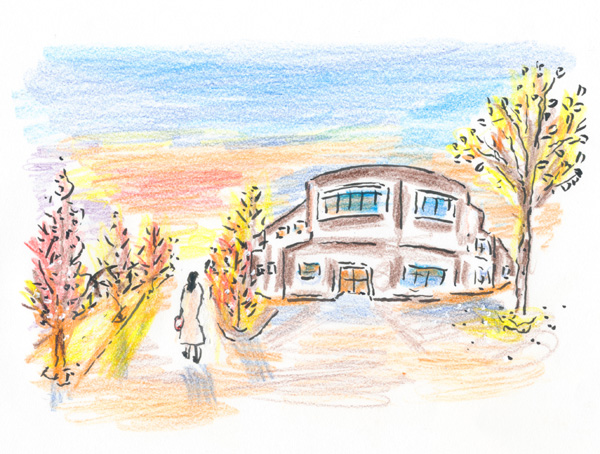
The brilliance of "Ruby no Yubiwa" begins with its very first phrase: "Kumori garasu no mukou wa kaze no machi" (Beyond the frosted glass lies the windy city). In nine Japanese syllables, Takashi Matsumoto constructs a vivid emotional barrier. The narrator sits inside a warm, dimly lit cafe, looking out at a cold, bustling street. The fogged window does not just obscure the outdoor scenery; it represents his inability to perceive what his partner was feeling before it was too late.
Matsumoto chose the image of the "windy city" as a metaphor for impermanence and urban detachment. In late Showa-era Tokyo, relationships had begun to reflect the brisk anonymity of modern metropolis life. The lovers do not fight. There are no screaming accusations or tearful pleas. Instead, the woman stands up, offers a casual remark about the weather, and walks out the door. The narrator watches her silhouette fade into the afternoon wind, maintaining a frozen composure that he immediately regrets.
This interior silence carries the song's weight. Terao sings with an understated, dry delivery that refuses theatrical vibrato. He captures the psychology of a partner who thought holding back his feelings was an act of strength, only to discover that his silence was interpreted as total indifference.
The Ruby Ring as an Instrument of Paralyzing Regret
The central motif of the track is the small piece of jewelry left behind: a ring set with a pigeon-blood ruby. In gemology and folklore, the ruby symbolizes deep passion, fidelity, and vitality. In Matsumoto’s lyrical world, however, the stone turns into an ironic relic. It sits on the cafe table or inside the narrator’s pocket, glowing red while the emotional life of the room has drained to gray.
The narrator repeats that he cannot bring himself to dispose of the ring, nor can he return it. Every glance at the stone forces him to replay the final exchange. Matsumoto writes of a "talkative silence", words left unsaid that now echo louder than any argument. The man realizes that the woman did not leave because of anger; she left because she was exhausted by his emotional unavailability.
By framing the ruby as an anchor of private shame rather than a token of romance, the song dismantled the standard posturing of early-1980s male performers. The narrator is neither an aggressive romantic hero nor a helpless victim. He is simply an ordinary adult who failed to communicate when it mattered most, left with a valuable gem that offers zero comfort.
The 1981 Cultural Phenomenon and Chart Domination
When Toshiba EMI shipped the single in December 1980, few expected it to dominate the national conversation. By spring 1981, "Ruby no Yubiwa" had become an absolute commercial juggernaut, pulling Terao's solo album Reflections along with it into the stratosphere.
| Milestone Category | Official 1981 Record | Industry Impact |
|---|---|---|
| TBS The Best Ten | 12 consecutive weeks at #1 | The show permanently dedicated a red sofa to Terao to commemorate his unbroken streak. |
| Physical Single Sales | Over 1.60 million copies | Became the best-selling single of 1981 across the entire Japanese recording market. |
| Japan Record Awards | Grand Prix, Lyricist, Arranger | Swept the 23rd awards, proving that adult contemporary pop could beat idol and enka acts. |
| Album Performance | Reflections: 1.65 million LPs | Set the record for the best-selling studio album in Japanese history at that time. |
The song crossed generational barriers in ways Japanese television producers had never seen. Salaried workers, college students, and homemakers bought the vinyl single simultaneously. On TBS's flagship chart show The Best Ten, Terao's run was so prolonged that the network installed a custom crimson chair on the stage, known across Japan as the "Terao Sofa," honoring a record that remains legendary in Japanese broadcast archives.
How Akira Inoue's Arrangement Sparked the City Pop Transition
The lyrical heartbreak hit hard because of the musical bed it rested on. In 1981, Japanese pop music was caught in a transition. The theatrical orchestrations of 1970s kayokyoku were losing ground to Western West Coast AOR, jazz fusion, and yacht rock. Akira Inoue’s arrangement of "Ruby no Yubiwa" served as the bridge that pulled mainstream listeners into this new sonic universe.
Inoue built the track around a driving, syncopated bassline paired with an electric piano that trades tension with muted electric guitars. Instead of building toward a dramatic orchestral climax, the arrangement stays disciplined. The rhythm keeps moving forward, mimicking the indifferent pace of city life while the narrator’s world quietly shatters.
This contrast between upbeat, relaxed instrumentation and gut-wrenching lyrical themes became the foundational formula for the broader City Pop movement. Inoue showed that a song about devastation did not need crying violins. It could be sophisticated, danceable, and dry, allowing the sadness to linger quietly in the listener's head long after the track faded out.
The Ishihara Promotion Backstory: Betting Against Corporate Skepticism
The song’s record-breaking triumph almost never happened. Terao was already an established screen presence, working under Ishihara Promotion, the powerhouse talent agency founded by screen icon Yujiro Ishihara. Known for gritty television police procedurals like Seibu Keisatsu, the agency built its reputation on rugged masculinity and booming cinematic bravado.
When Terao brought the demo of "Ruby no Yubiwa" to Ishihara Promotion, management was openly skeptical. The song did not sound like the tough-talking anthems associated with their brand. It was subtle, smoky, and admitted emotional defeat. Insiders feared it would confuse the agency's core audience and fall flat at retail.
Terao refused to back down. Having cut his teeth as a bassist and vocalist in the 1960s Group Sounds band The Savage, he had strong musical instincts. Ishihara eventually greenlit the release, trusting his actor's intuition. When the record surged to number one, it shattered industry assumptions about what male performers affiliated with hardboiled action dramas were allowed to sound like.
Frequently Asked Questions (FAQ)
Q1: What does the opening line about frosted glass actually signify in the song?
A1: The line "Kumori garasu no mukou wa kaze no machi" establishes both a physical barrier and an emotional disconnect. It portrays a narrator trapped behind his own cold detachment, watching his former partner walk away into an indifferent city while he remains immobilized by his inability to speak honestly.
Q2: Who were the primary creative figures behind "Ruby no Yubiwa"?
A2: The song was composed and sung by Akira Terao, with lyrics written by legendary poet Takashi Matsumoto and musical arrangement crafted by composer Akira Inoue. The trio swept the 23rd Japan Record Awards in 1981 for their work on the track.
Q3: How did the success of "Ruby no Yubiwa" affect the album Reflections?
A3: Driven by the single's runaway momentum, the parent album Reflections sold more than 1.65 million copies in 1981. It broke national sales records for a studio LP in Japan and established modern City Pop production values as a viable commercial force in the mainstream market.
The Enduring Quiet of a Broken Promise
Four decades after its release, "Ruby no Yubiwa" retains an unusual emotional potency. It does not lean on the dramatic nostalgia that often dates early Showa pop music. By anchoring its narrative to ordinary adult flaws, pride, hesitation, and the quiet horror of a door closing forever, Takashi Matsumoto and Akira Terao created a piece of music that continues to resonate with modern listeners worldwide.
The song endures because it tells the truth about regret. True heartbreak rarely arrives with loud declarations or theatrical tears. More often, it settles in quietly across a cafe table, captured in the cold light of a foggy window and the faint, mocking sparkle of a gemstone that was meant to mean forever.