The Hidden Verses of Ringo Korokoro: Why Everyone Sings Different Lyrics Today
Walk into any early childhood classroom across Japan at 11:15 AM, and you will witness an identical ritual executed with military precision and childlike glee. Dozens of toddlers sit cross-legged on tatami or foam mats, furiously rolling their small forearms over one another before pressing their index fingers to their lips in sudden, disciplined silence. They are performing Ringo Korokoro (りんごころころ), an iconic fixture of Japanese nursery school fingerplay. Yet, ask two childcare workers trained in different prefectures to sing the second stanza, and a fierce linguistic debate immediately erupts.
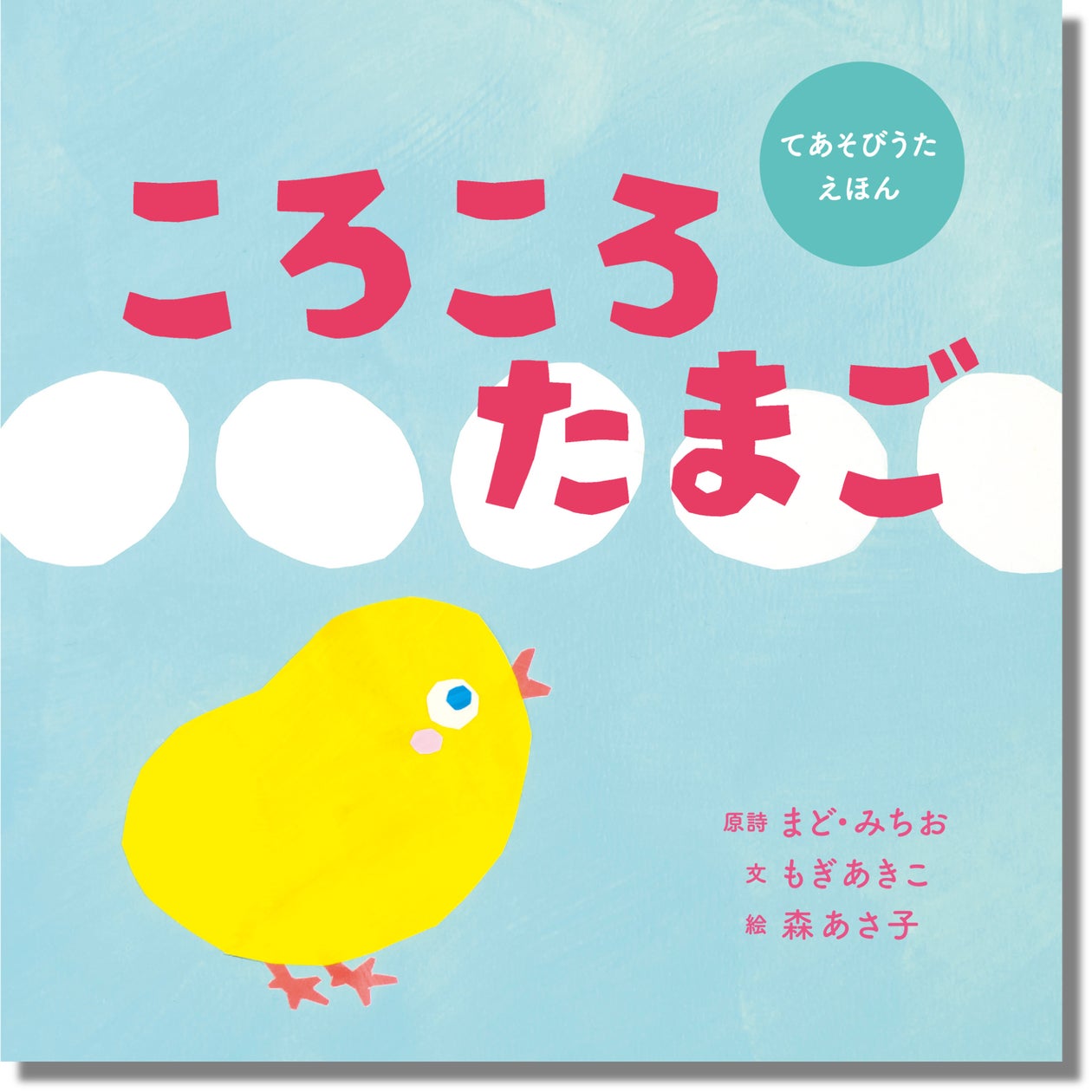
While one teacher insists that the orange goes kankan (steaming mad), another swears by a weeping green pepper or a dizzy cucumber wobbling across the floor. This fragmentation is not an accident of faulty memory. It represents the living, improvisational nature of Japanese hand-play songs (teasobi uta). As renewed national focus turns to early childhood oral heritage, highlighted by milestones like Sekai Bunka Publishing’s picture book release of the related staple Korokoro Tamago documented in a PR TIMES Report commemorating a decade since the passing of legendary children's poet Michio Mado, the regional variations of these rhyming songs reveal how classroom culture travels across generations without centralized textbooks.
📌 Key Takeaways:
- Melodic Roots: Ringo Korokoro adapts the melody of the American 18th-century tune "Yankee Doodle," pairing Western rhythmic meter with indigenous Japanese onomatopoeia.
- The Lyrical Split: Beyond the universal opening apple verse, teachers routinely rotate through more than a dozen seasonal fruits and vegetables, tailoring verses to daily lunch menus or behavioral management.
- Cognitive Function: Far from simple distraction, the hand gesture choreography trains fine motor control, rapid auditory processing, and social synchronization in children aged 1 to 4.
The Sonic Architecture of a Preschool Earworm
The structure of Ringo Korokoro relies on a musical trick familiar to nursery traditions worldwide: contrafactum, the practice of borrowing a preexisting melody and fitting it with new vernacular text. The song is sung entirely to the tune of "Yankee Doodle." For Japanese children, however, the fife-and-drum revolutionary march is stripped of its equestrian nonsense and reframed around market produce.
The core genius of the composition lies in its relentless use of gitaigo (mimetic words describing states) and giseigo (phonaesthetic words imitating sounds). The opening line establishes the pattern instantly: "Ringo korokoro" pairs the round, crisp apple with the rumbling roll of a sphere. The second line pairs the mandarin orange with an emotional shift: "Mikan kankan." In Japanese, kankan evokes furious anger or clanging metal, transformed here into a toddler puffing out their cheeks in mock frustration.
From there, the canonical song accelerates through produce-based emotional states:
Ringo korokoro, ringo korokoro (The rolling apple, rolling apple)
Mikan kankan, mikan kankan (The furious orange, furious orange)
Pīman pīpī, pīman pīpī (The weeping bell pepper, weeping bell pepper)
Kabetsu kyākyā, kabetsu kyākyā (The screaming cabbage, screaming cabbage)
The final line breaks the manic energy. The singer holds an index finger vertically over closed lips: "Shiitake shī" (The quiet shiitake mushroom whispers "shh"). With that single gesture, twenty screaming three-year-olds drop their voices to zero decibels. It is classroom management disguised as folk art.
Deconstructing the Kyuri Kurakura and Divergent Verses
Step outside metropolitan Tokyo, and the standard cabbage and pepper verses frequently vanish. In nursery schools throughout the Kansai region and rural Kyushu, teachers swap in local garden staples that demand entirely different physiological responses from young listeners.
One of the most persistent regional substitutions is the Kyuri kurakura gesture. Instead of screaming cabbage, the verse introduces a cucumber suffering from dramatic lightheadedness: "Kyūri kurakura." Children grasp their foreheads with both hands, swaying their torsos in exaggerated circles to mimic fainting spells. In daycare centers along the Seto Inland Sea, an alternate stanza introduces the giant white radish: "Daikon burabura," demanding that children dangle their arms loosely like laundry blowing in a gust of wind.
These vegetable and fruit song variations serve an adaptive nutritional purpose. Japanese preschool curriculum guidelines heavily prioritize shokuiku (food and nutrition education). When daycares introduce new or notoriously bitter vegetables during afternoon snack periods, teachers routinely invent topical rhymes on the spot. If lunch includes simmered pumpkin, the song expands to include "Kabocha bochabocha" (the splashing or heavy, plodding pumpkin). If purple grapes arrive in autumn, the stanza shifts to "Budō buranburan" (grapes swinging heavily from the vine).
Historical Shifts in Japanese Teasobi Uta Verses
The oral transmission of Japanese hand-play songs changed dramatically as institutional daycares formalized their training methods across the late 20th century. The table below traces how specific verses, linguistic goals, and physical choreography transformed from postwar nursery rooms to today’s digital-era preschools.
| Produce Verse | Associated Onomatopoeia | Physical Choreography | Developmental Focus |
|---|---|---|---|
| Ringo (Apple) | Koro-koro (Rolling) | Fists rotate rapidly around each other in front of chest | Bimanual coordination; rhythmic motor pacing |
| Mikan (Mandarin) | Kan-kan (Furious) | Puffed cheeks paired with clenched fists tapped on hips or head | Facial muscle expression; emotional labeling |
| Pīman (Bell Pepper) | Pī-pī (Crying/Whistling) | Fists rub teary eyes or mimic a high-pitched flute | Desensitization to bitter vegetables; sensory play |
| Kyūri (Cucumber) | Kura-kura (Dizzy) | Two hands held to temples; swaying head and upper torso | Vestibular balance awareness; gross-motor modulation |
| Shiitake (Mushroom) | Shī (Hush/Silence) | Single index finger placed vertically against closed lips | Inhibitory control; auditory sensory reset |

The Linguistic Lineage: From Michio Mado to Modern Play
The cultural persistence of these early childhood rhyming songs cannot be understood in isolation from the broader movement of postwar Japanese children’s literature. The linguistic architecture of songs like Ringo Korokoro shares deep structural DNA with the masterworks of Mado Michio (1909, 2014), the country’s premier nursery poet and winner of the 1994 Hans Christian Andersen Award.
Mado understood that very young children do not process language through grammatical syntax; they process it through somatic rhythm and phonetic texture. His seminal hand-play staple, Korokoro Tamago (The Rolling Egg), established the template for preschool kinesthetic learning. The song traces an egg that rolls (korokoro), cracks open (pachin), releases a chick (piyo-piyo), and transforms into a rooster (kokkekokkō).
The continued commercial vitality of these poems, illustrated by the summer 2024 picture book adaptation of Korokoro Tamago illustrated by Asako Mori, which pushed its accompanying early-learning series past 100,000 copies, demonstrates how deeply ingrained this rhythmic philosophy remains in Japanese homes. Where Korokoro Tamago emphasizes natural life cycles through sound, Ringo Korokoro adapts the same mimetic engine to cultivate social discipline and food literacy. Both works rely on the identical physiological trigger: hand-rolling motions that synchronize gross motor movement before resolving into a quiet, focused posture.
Neurodevelopmental Mechanics of Nursery School Fingerplay
Pediatric occupational therapists categorize hand-play fingerplay songs as critical multisensory integration drills rather than frivolous musical games. When a toddler engages in teasobi uta, their developing brain must coordinate several complex neurological pathways at once.
First, the rotational fist gesture of korokoro requires crossing the midline of the body, a developmental milestone that builds bilateral brain hemisphere communication. Children who struggle with midline integration frequently encounter difficulties with reading tracking and fine motor tasks like pencil grasping later in life.
Second, the rapid transitions between emotional mimes, from the rolling apple to the furious orange and the weeping pepper, demand cognitive flexibility. The child must abruptly brake one motor pattern, retrieve a different emotional schema from working memory, and execute a fresh gesture on the downbeat of the melody.
Finally, the concluding mushroom verse acts as a direct challenge to inhibitory control. In early childhood cognitive development, inhibitory control is the capacity to suppress a dominant, automated behavioral response. Forcing an excited room of twenty toddlers to stop screaming cabbage lyrics and instantly freeze on the shiitake verse trains the prefrontal cortex in real-time self-regulation. Experienced educators use this mechanic as a transitional bridge, deploying the song immediately before quiet book readings, naptime, or lunch services.
The Living Oral Tradition in a Digital Nursery Era
The rise of digital media has altered how these fingerplay rhymes travel. YouTube childcare channels like Hoikushisanka and animated nursery platforms now rack up tens of millions of views, standardizing certain variations while extinguishing hyper-local folklore. A child in Sendai can now easily learn a verse created by an instructor in Kagoshima simply because an algorithmic recommendation surfaced that particular daycare's performance.
Yet, the physical setting of the nursery room continues to protect the song from complete homogenization. Because children lose interest in rigid repetition, working nursery teachers deliberately tweak the lyrics to reflect their room’s immediate environment. A teacher noticing autumn leaves falling outside the window will discard the bell pepper and invent "Ochiba hirahira" (fluttering autumn leaves) on the fly, expecting the children to mirror the fluttering descent with their fingertips.
This endless adaptability explains why Ringo Korokoro shows no signs of obsolescence. It is a linguistic framework rather than a fixed, immutable text. As long as educators need an instant method to quiet a chaotic room while teaching toddlers the tactile joy of their native language, the little apple will keep rolling across the classroom floor.
Frequently Asked Questions (FAQ)
Q1: What is the official melody behind Ringo Korokoro?
A1: The song uses the exact melody of the traditional Western tune "Yankee Doodle." The fast-paced 2/4 march rhythm provides a natural, repetitive cadence for toddler motor activities.
Q2: Why do some schools sing "Kyūri kurakura" instead of "Kabetsu kyākyā"?
A2: There is no single authorized manuscript for Ringo Korokoro. Early childhood educators customize the intermediate vegetable verses based on regional produce, classroom nutrition goals, or specific physical motor actions they want the children to practice.
Q3: At what age do Japanese children typically learn this hand-play song?
A3: Daycares introduce the song to infants as young as 10 to 12 months, where teachers gently roll the baby's hands for them. Independent mastery of both the singing and hand gestures typically occurs between ages 2 and 4.
Q4: How does Ringo Korokoro relate to the work of poet Michio Mado?
A4: While Ringo Korokoro is an anonymous, evolving folk nursery rhyme, it belongs to the modern Japanese onomatopoeic tradition popularized by poets like Michio Mado. Mado's classic song Korokoro Tamago established the standard rhythm-and-gesture model that informs how educators teach teasobi uta nationwide.
The Enduring Rhythm of Classroom Folk Culture
The survival of Ringo Korokoro across decades of curriculum reforms highlights the fundamental strength of physical, shared play in an increasingly screen-dominated world. While educational apps attempt to gamify phonics and motor development, they cannot duplicate the collective resonance of an entire circle of toddlers freezing in unison on a quiet mushroom verse. The song thrives precisely because it resists rigid codification. In every classroom where a teacher invents a fresh rhyme to match a child's lunchbox, this century-old American melody and ancient Japanese wordplay continue to evolve together.