The Melプチ TikTok Strategy: Unpacking VAZ's Teen Influencer Ecosystem
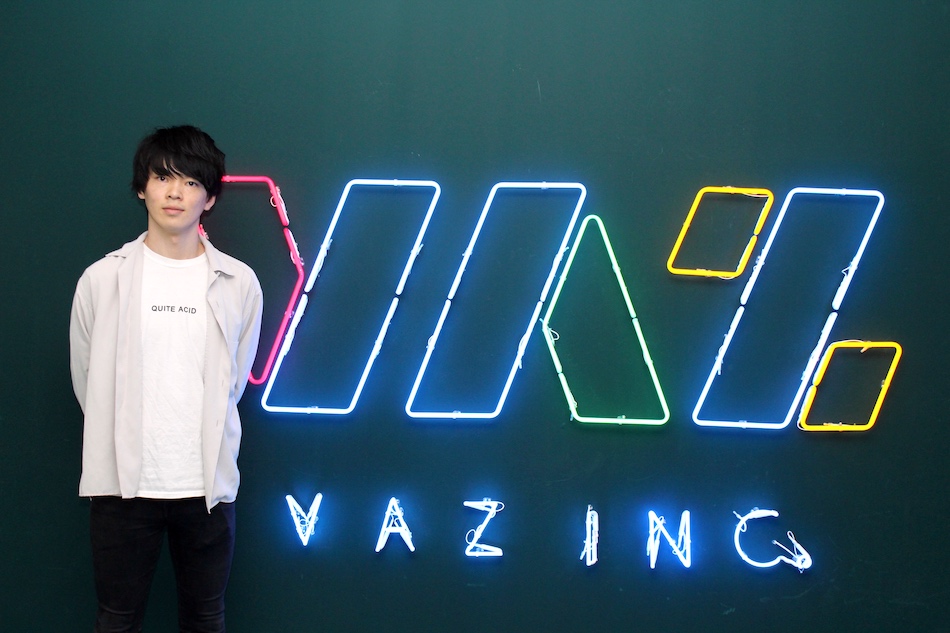
Inside Japan's Junior High Influencer Factory: How Melpuchi Built a TikTok Empire
Every weekday afternoon, millions of Japanese middle schoolers finish their classes, open TikTok, and watch girls their own age demonstrate hair-curling hacks, test budget drugstore lip tints, and execute synchronized dance challenges. At the center of this ritual sits Melプチ (Melpuchi), a youth talent property managed by Tokyo agency VAZ. The project turns junior high school students into household names before they are legally old enough to sign their own contracts, racking up hundreds of millions of impressions across short-form video platforms.
The system did not emerge by accident. When former VAZ executive Hiroki Watanabe outlined the expansion of the broader Mel media network in an interview with Real Sound, he pointed toward a structured vision: building dedicated female creator media that converts casual teen viewers into lifelong brand consumers. Melpuchi serves as the farm system for that apparatus. By operating a multi-tier audition process, systematic video production cycles, and aggressive algorithmic cross-pollination, VAZ established a self-sustaining teen creator incubator that commands unprecedented authority over Japanese youth culture trends.
📌 Key Takeaways:
- The Recruitment Pipeline: VAZ processes thousands of nationwide applicants annually through competitive multi-stage auditions, selecting middle schoolers who transition immediately into daily vertical video schedules.
- Strategic Genesis: Rooted in the corporate architecture detailed by Watanabe at Real Sound, the project acts as an early-stage feeder network for flagship female creator media properties like MelTV.
- The Monetization Engine: The brand matches adolescent creators with domestic beauty labels, fast-fashion retailers, and FMCG brands seeking authentic traction with Gen Z and Gen Alpha demographics.
From MelTV to Middle School: The Architecture of VAZ's Talent Incubator
VAZ launched MelTV in 2017 as a YouTube-first magazine channel targeting late teens and college women. It leaned heavily on established online personalities providing cosmetic tutorials and casual lifestyle vlogs. The channel gained rapid traction, but executive leadership recognized an impending retention bottleneck. Digital audiences age out of content quickly. To maintain long-term cultural relevance, the agency needed a mechanism to capture girls at an earlier developmental stage.
Enter Melpuchi. Formed as the younger sister unit, the project explicitly focused on junior high school influencers between the ages of 12 and 15. The strategic shift moved the core content from twenty-minute YouTube lifestyle vlogs to rapid, hyper-relatable vertical clips on TikTok. Rather than positioning creators as aspirational celebrities, the production team framed them as classmates. They wear standard school uniforms, experiment with school-compliant makeup techniques, and film in recreations of typical Japanese bedrooms.
This calculated accessibility fueled explosive subscriber growth. Middle school viewers saw their exact daily anxieties reflected on screen, while the agency retained complete architectural control over production, intellectual property, and commercial distribution.
Inside the Vetting Machine: Audition Ratios and Talent Scouting
Landing a spot on the Melpuchi roster involves a grueling, highly publicized corporate audition process. Each year, thousands of aspiring teenagers submit audition tapes through LINE and open web applications. The vetting process operates in three distinct phases designed to measure both camera presence and algorithmic resilience.
Phase one filters candidates based on basic presentation, aesthetic styling, and vocal clarity. Phase two moves the semi-finalists into public-facing trial periods, where candidates must produce original TikTok content under tight deadlines. Here, producers evaluate raw engagement metrics: view-through rates, share counts, and comment sentiment. The final phase places finalists in group production environments to test interpersonal chemistry, coachability, and stamina under studio lighting.
Acceptance rates routinely sit below 1% to 2% of the total applicant pool. Successful entrants sign exclusive agency representation contracts, entering a structured training program that includes vocal coaching, social media compliance training, and brand-safety seminars designed to prevent digital scandals.
The Production Engine: Comparing Eras of VAZ's Creator Pipeline
The operational framework of Japanese teen talent management transformed dramatically as short-form video displaced traditional multi-channel networks. The transition required structural changes across scouting, output volume, and audience monetization models.
| Operational Metric | Early Mel Era (2017, 2019) | TikTok-Driven Melpuchi Era (2020, 2026) |
|---|---|---|
| Target Creator Age | 16, 22 years old (High School / University) | 12, 15 years old (Junior High School) |
| Primary Format | 10, 20 minute horizontal YouTube videos | 15, 60 second vertical TikToks & Shorts |
| Publishing Velocity | 3, 4 uploads per week | 2, 5 daily uploads across unified handles |
| Talent Sourcing | Pre-existing solo digital creators | Multi-stage nationwide auditions |
| Monetization Structure | YouTube AdSense & occasional tie-ins | Brand integrations, live retail, merchandise |
Algorithmic Intimacy: The Mechanics of Melpuchi's TikTok Virality
The channel's success rests on a hyper-disciplined production formula. A typical video requires low cognitive load from the viewer while maximizing retention metrics. The choreography is intentionally easy to copy, encouraging school-aged fans to replicate the moves in their own posts using the official sound track.
Beauty content follows rigid utility guidelines. Rather than showcasing luxury cosmetics out of reach for a 13-year-old allowance, members evaluate items priced between ¥500 and ¥1,500 ($3.50 to $10.00). They test double-eyelid tapes, subtle lip stains that bypass strict Japanese school dress codes, and affordable hair styling tools. Viewers receive immediate value; corporate sponsors receive direct access to an otherwise elusive teenage consumer base.
VAZ runs an aggressive multi-channel creator management model. Individual cast members maintain personal accounts alongside the central Melpuchi brand channel. The team systematically cross-promotes individual handles, bouncing audience traffic between the ensemble hub and individual creators. If an individual creator takes a break or leaves the agency, the flagship channel maintains steady viewer numbers.
Commercial Power: How Japanese Brands Leverage Junior High Audiences
Major corporate brands frequently fail when attempting to market directly to Gen Z consumers. Traditional corporate jargon and glossy commercial production read as disingenuous to teenagers raised on algorithmic social feeds. Melpuchi provides an ideal commercial bridge for consumer product companies.
Domestic apparel brands, stationery makers, and cosmetic houses contract VAZ for integrated product placements. Rather than running traditional ad breaks, the cast embeds the sponsor's product directly into challenge videos or back-to-school routines. When a member casually explains how a particular face wash cleared her forehead breakouts before term exams, the conversion rate crushes conventional digital display ads. Industry marketing analysts estimate that structured tie-ins within youth creator collectives yield engagement rates three to five times higher than standard celebrity endorsements in the same demographic.
This monetization power extends offline. Fan meetings, limited-edition pop-up stores in Tokyo's Shibuya district, and printed photo books generate reliable direct-to-consumer revenue, demonstrating that short-form digital fame successfully drives physical retail sales.
Labor, Privacy, and Burnout in the Teen Creator Industry
Managing middle school creators carries immense ethical and regulatory responsibilities. Japanese labor standards regulate entertainment industry working hours for minors under 15, strictly capping late-night studio schedules. Production teams must organize filming blocks during weekends and school breaks to avoid disrupting mandatory academic attendance.
Digital privacy poses an even greater operational challenge. The intersection of young performers and open internet comments brings severe mental health risks, obsessive fan behaviors, and persistent stalking threats. VAZ implements strict operational guardrails: creators are prohibited from filming near their actual schools, transit routes, or home neighborhoods. Background details are scrubbed, and comment sections undergo automated moderation to filter inappropriate remarks.
Despite corporate precautions, the psychological pressure of maintaining an algorithmic persona while navigating adolescence remains intense. Balancing classroom obligations, homework, and professional video deadlines pushes many young creators toward burnout, leading to periodic cast graduations and roster shuffles.
Frequently Asked Questions (FAQ)
Q1: What is the age requirement to audition for Melpuchi?
A1: Applicants are typically female students entering or currently enrolled in Japanese junior high school, generally ranging between 12 and 15 years old, though occasional exceptions are made for early high school entrants.
Q2: Who owns and operates the Melpuchi channel ecosystem?
A2: The brand is fully owned, produced, and managed by VAZ Inc., a prominent Tokyo-based influencer management agency and digital entertainment production company.
Q3: How often do cast members cycle out of the group?
A3: Melpuchi functions on a "graduation" model similar to traditional Japanese idol groups. Members typically graduate upon completing middle school or moving deep into their high school careers, often promoting into older sister properties like MelTV or launching independent solo entertainment paths.
The Evolution of Teen Media in 2026
Melpuchi represents the logical extreme of commercial digital entertainment: the complete industrialization of youth social media presence. By formalizing talent scouting, standardizing short-form production, and understanding the purchasing psychology of Japanese middle schoolers, VAZ transformed casual schoolyard trends into a profitable digital franchise.
As social platforms shift and new platforms contest TikTok's dominance, the core dynamic remains intact. Young audiences crave authenticity and relatability above polished Hollywood-style production. Companies that can reliably discover, train, and protect teenage talent while maintaining high publishing volume will continue to dictate the cultural and commercial trends of tomorrow.