The Psychology Behind Hitch's Charm: Why Her Sarcastic Realism Won Over AoT Fans
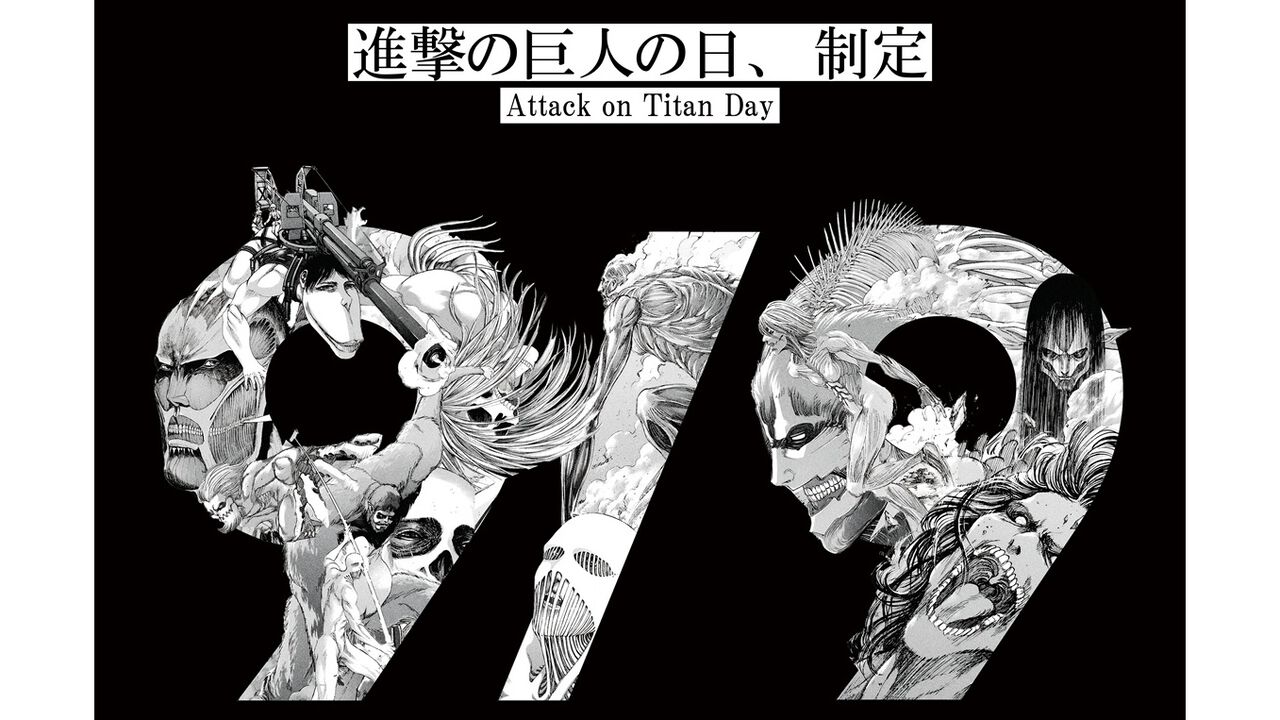
Few background characters in Hajime Isayama’s dark fantasy epic have undergone a critical re-evaluation quite like Hitch Dreyse. When she first stumbled onto the screen during the Stohess District arc, yawning through morning roll call and openly admitting she joined the Military Police Regiment just to slack off in the interior, viewers largely dismissed her as comic relief or petty antagonism. Yet, as the franchise reached a milestone in September 2026 with Kodansha officially registering September 9 as official "Attack on Titan Day" (as detailed in a comprehensive ファミ通 Report), fan discussions across Japanese social media and global communities like Reddit continue to rally around Hitch with the search query "ヒッチ 可愛い" (Hitch cute) persistently trending during franchise retrospectives.
Hitch's appeal defies standard shonen tropes. She does not possess Titan shifting powers, superhuman Ackerman reflexes, or an unyielding ideological drive to save humanity from extinction. Instead, Hitch won over millions by functioning as the narrative’s sharpest anchor to regular human survival, a flawed, self-interested, yet deeply tender realist trapped inside a meat grinder of apocalyptic zealotry.
📌 Key Takeaways:
- The Relatable Outsider: Hitch stands apart from Paradis's suicidal idealists by voicing the unvarnished, self-preserving skepticism shared by ordinary civilians.
- Emotional Grounding: Her understated grief following Marlo Freudenberg’s charge reveals an empathetic core beneath layers of workplace cynicism.
- The Unlikely Confidante: Four years of one-sided conversations with a crystal-bound Annie Leonhart forged one of the series' most authentic human dynamics.
The Ordinary Soldier in an Army of Fanatics
Attack on Titan is crowded with extremists. Eren Jaeger pursues absolute freedom at the cost of billions of lives, Erwin Smith gambles whole regiments on speculative gambits, and Floch Forster embraces radical ethno-nationalism without hesitation. In an environment saturated with suicidal bravado, Hitch Dreyse represents the normal person who simply wanted an easy bureaucratic post with a pension.
Graduating in the top ten of the northern division of the 104th Cadet Corps, Hitch had earned the right to live safely behind the walls of Wall Sina. She never pretended her motives were noble. She openly mocked the institutional rot around her, pointing out Military Police corruption while simultaneously taking advantage of it to sleep in. This transparent self-awareness made her immediately disarming.
Audiences found her refreshing because her sarcastic realism acted as an editorial Greek chorus. When idealistic recruits talked about dying gloriously for the king, Hitch rolled her eyes. Her brand of humor was defensive, built to survive an absurdly cruel military machine where speaking out usually meant ending up dead in an alley or sent to the front lines.
Blunt Wit Masking Devastating Grief: The Marlo Freudenberg Contrast
Hitch’s emotional turning point centers on her dynamic with Marlo Freudenberg. Marlo arrived in the Military Police as an incorruptible reformer, determined to clean up the ranks from within. Hitch teased him mercilessly, calling his bowl haircut ridiculous and mocking his grand ambitions as naive death wishes.
Her mockery, however, was fundamentally protective. Hitch understood the political realities of the capital far better than Marlo did. When Marlo eventually decided to transfer to the Scout Regiment before the operation to retake Wall Maria, Hitch tried desperately to talk him out of it, shedding her casual posture to express raw anger at his recklessness.
Her intuition was tragically validated. During Erwin’s desperate cavalry charge against the Beast Titan in Shiganshina, Marlo caught a boulder fragment to the skull, spending his final seconds regretting his choice and wondering what Hitch was doing at that exact moment, likely sleeping soundly, unaware of the carnage. When the surviving Scouts returned, Hitch approached Floch to ask about Marlo’s final moments. Floch’s brutal honesty, admitting Marlo was terrified and almost certainly regretted throwing his life away, struck Hitch with absolute silence. She walked away without screaming or swearing vengeance. That quiet, suppressed sorrow cemented her status as one of Isayama's most subtly realized figures.
Tracking Hitch Dreyse’s Character Evolution Across Eras
To understand why the broader anime community frequently nominates Hitch as an unsung "best girl" candidate, it helps to contrast her progression against the catastrophic timeline of the Paradis civil war:
| Narrative Phase | Hitch’s Primary Motivation | Defining Character Action |
|---|---|---|
| Stohess District Arc (850) | Personal comfort, shirking duty, self-preservation. | Teasing Annie Leonhart while slacking off patrol duty. |
| Uprising Arc (850) | Discovering the truth about Annie and the MPs. | Assisting the Survey Corps after learning the central government framed them. |
| Post-Shiganshina (850, 851) | Processing Marlo's death and escalating political isolation. | Quietly accepting Floch’s harsh account of the suicide charge. |
| The Final Season (854) | Protecting civilians and aiding a vulnerable former enemy. | Assisting Annie's escape during the chaos of the Rumbling. |

The Underground Cell: Four Years with Annie Leonhart
The core of Hitch’s resurgence during Attack on Titan The Final Season lies in her underground relationship with Annie Leonhart. For four straight years, Annie sat entombed in hardened Titan crystal deep beneath the Stohess District. Armin Arlert visited her out of unresolved affection and inherited memories from the Colossal Titan, but Hitch visited for a simpler reason: loneliness.
Hitch made routine guard shifts her personal escape. She treated the crystalline enemy of humanity like a roommate, venting about annoying senior officers, bad food, and municipal gossip. When the Rumbling began and the hardening shattered, Annie collapsed onto the floor covered in fluid, completely drained.
Hitch subdued her instantly, pinning Annie's hand to the floor. She had the upper hand. Yet, instead of turning Annie over to the Jaegerists or demanding payback for the destruction of Stohess, Hitch listened. She stole civilian clothes for Annie, secured horses, and facilitated her escape. Their interaction revealed two young women broken by a war they never wanted to fight, forging an unspoken pact based on mutual exhaustion rather than political ideology.
Visual Redesign and MAPPA’s Expressive Framing
Production aesthetics played a significant role in Hitch’s surging popularity. When MAPPA took over animation duties for The Final Season, Hitch received a visual update that resonated across social media. Her messy, wavy green hair was smoothed into an elegant shoulder-length cut, and her uniform bore the subtle scuffs of a frontline responder.
MAPPA gave Hitch expressive, cinematic micro-reactions. During the chaos of Wall Sina's collapse, while secondary characters scrambled aimlessly, Hitch was animated carrying injured townspeople through falling debris, maintaining her sharp wit even while lifting concrete blocks. Her combination of casual domestic beauty, world-weariness, and unhesitating competence struck a chord with adult viewers tired of stylized melodrama.
This subtle balance is why fan art, viral animation clips, and search trends labeled "Hitch cute" spiked throughout 2022 to 2026. Fans did not just find her character design visually appealing; they loved that her charm was tied directly to her grounded emotional sanity.
Frequently Asked Questions (FAQ)
Q1: Why is Hitch Dreyse often called the "most realistic" character in Attack on Titan?
A1: Hitch avoids the messianic zealotry that defines characters like Eren or Floch. She admits to being selfish, dislikes manual labor, fears violent combat, and tries to live comfortably. Her reactions to tragedy are characterized by stunned silence rather than grandiose speeches, reflecting authentic human trauma.
Q2: What happened to Hitch Dreyse after the Rumbling ended?
A2: Unlike the members of the Scout Alliance who left on diplomatic missions to the outside world, Hitch remained on Paradis. She is shown in the series finale stationed alongside the surviving military forces, listening to the Jaegerist rallying cries with her signature detached, weary expression, quietly surviving within the new regime.
Q3: Why did Hitch help Annie escape instead of capturing her?
A3: Hitch realized that Annie was exhausted, traumatized, and posed no immediate threat to her. Having spent four years sharing her private thoughts with Annie in the crystal vault, Hitch saw her as an unfortunate human being caught in an international nightmare rather than an unfeeling monster.
The Last Normal Heart Inside the Walls
Hajime Isayama’s narrative concludes on grim, cyclic notes about conflict, deterrence, and historical trauma. In that suffocating ecosystem, Hitch Dreyse endures as an essential human metric. She proves that quiet decency and healthy self-preservation do not make someone a coward. By choosing survival without cruelty, and maintaining empathy without fanatical dogma, Hitch turned sarcasm into a shield and blunt honesty into an art form. That delicate balance is precisely why audiences continue to cherish her long after the walls have fallen.