The Real History of Suga Shrine: Tokyo Sacred Grounds Beyond the Anime Lore
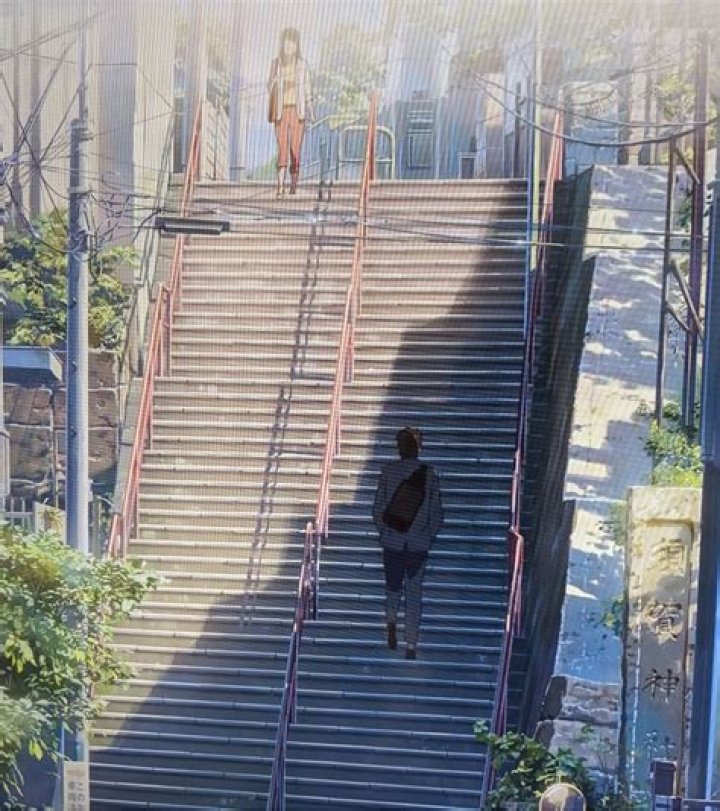
A steep concrete staircase flanked by brilliant crimson handrails descends into the quiet residential alleys of Suga-cho, tucked just ten minutes south of Yotsuya Station. For thousands of international travelers visiting Tokyo each month, this specific urban slope marks the emotional finish line of Makoto Shinkai’s 2016 animated masterpiece, Kimi no Na wa (Your Name). As cataloged in the Atlas Obscura Report on the site's enduring allure, visitors gather daily to recreate the climactic moment when adult protagonists Taki Tachibana and Mitsuha Miyamizu pass each other on the stone steps.
Yet behind the smartphone lenses and posed snapshots lies a Shinto complex that pre-dates modern animation by nearly four centuries. Suga Shrine was protecting the western approaches of Edo long before cinema existed. Understanding the grounds requires stepping past the cinematic framing to uncover the deities, political shifts, and preserved artisan traditions rooted deep within Shinjuku's sacred topography.
📌 Key Takeaways:
- The Pop Culture Catalyst: Shinkai's 2016 film turned the shrine's southern staircase into an international phenomenon, driving Tokyo anime location tours and intense seichi junrei (anime pilgrimage) traffic.
- Sacred Edo Heritage: Founded in 1634 and relocated to its current site in 1644, Suga Shrine originally served as the spiritual guardian of the Yotsuya district, enshrining the storm deity Susanoo-no-Mikoto alongside the grain divinity Ukanomitama-no-Mikoto.
- Hidden Cultural Relics: Beyond the stairs, the shrine houses an exceptional collection of thirty-six Edo-era wooden painted votive panels (kasen-e) designated as Tangible Folk Cultural Properties of Shinjuku Ward.
- Neighborhood Coexistence: Local ward authorities and shrine priests maintain strict visitor etiquette guidelines to balance sacred rituals and quiet residential life with global pop-culture tourism.
The Cinematic Spark: How Shinkai Reshaped Suga-cho
Pop culture tourism operates on emotional resonance. When Makoto Shinkai selected the staircase leading down to Suga-cho for the closing sequence of Kimi no Na wa, he chose an everyday neighborhood scene. The red handrail staircase served as a grounded, mundane contrast to the supernatural comet disasters and time-bending body swaps that dominated the narrative.
When the film grossed over $380 million worldwide during its theatrical run, the quiet staircase instantly transformed into one of East Asia's most recognized urban landmarks.
The surge in visitors spawned a dedicated subsector of Tokyo anime location tours. Fans practice seichi junrei, literally "sacred site pilgrimage", a practice where pop-culture enthusiasts visit real-world locations depicted in animation to bridge screen fantasy and physical reality. On clear weekend afternoons, dozens of travelers line up at the landing. They wait patiently to capture clear shots looking down toward the residential intersection below.
The phenomenon brought economic foot traffic to modest corner stores along the walking route from Yotsuya Station. Simultaneously, it forced neighborhood associations to place quiet-zone warnings across surrounding apartment walls.
Edo Foundations: Four Centuries of Susanoo-no-Mikoto in Yotsuya
Long before animators drafted architectural background plates of Suga-cho, the site served a civic and spiritual purpose for the Tokugawa Shogunate. The shrine traces its origin to 1634, when it was founded near the ancient Yotsuya gate. A decade later, in 1644, urban expansion and fire-prevention planning forced the complex onto its current elevated ridge in Yotsuya.
The shrine represents a historical syncretism of two distinct Shinto houses: Gozu Tenno (associated directly with the powerful storm god Susanoo-no-Mikoto) and Inari (worshipping Ukanomitama-no-Mikoto, the provider of agriculture, grain, and commerce).
Susanoo-no-Mikoto holds a singular position in classical Shinto mythology. Known for slaying the eight-headed serpent Yamata no Orochi and controlling tempests, his presence in Yotsuya served as a spiritual fortress. Tokugawa-era planners positioned protective shrines along key geographical gates to shield Edo Castle from fires, disease, and military insurrection. Suga Shrine protected the commoners living along the Koshu Kaido highway, functioning as the center of civic protection, seasonal festivals, and neighborhood welfare throughout the 17th and 18th centuries.
Four Centuries of Evolution: Faith, Conflict, and Global Visibility
The transition of Suga Shrine from an Edo-period district guardian to a global media landmark reflects broader shifts in Tokyo’s urban and cultural identity.
| Era | Primary Function & Character | Structural & Cultural Milestones |
|---|---|---|
| Edo Period (1634, 1867) | Protective barrier shrine for western Edo along Koshu Kaido. | Relocated to Suga-cho in 1644; 1836 installation of the Thirty-Six Immortals painted screens. |
| Meiji to Postwar (1868, 1989) | Neighborhood parish shrine (Chinju-sama) through wartime reconstruction. | Renamed Suga Jinja during Meiji Shinto restructuring; post-WWII main hall rebuilding. |
| Anime Boom (2016, 2020) | Global pop-culture landmark; international seichi junrei destination. | Release of Your Name; widespread tourist pilgrimage at the red handrail staircase. |
| Contemporary (2021, 2026) | Managed heritage site balancing daily worship, film tours, and historic preservation. | Introduction of multilingual visitor guidance; sustained interest via Shinkai retrospective exhibitions. |
The Thirty-Six Immortals: Hidden Relics Inside the Haiden
While travelers cluster on the concrete steps outdoors, the primary historical treasure of Suga Shrine sits inside the main worship hall (haiden). Hanging within the sanctuary are thirty-six distinct wooden panels depicting the Sanro Kasen, the Thirty-Six Immortals of Poetry.
Created in 1836 during the Tenpo era by court-appointed painters and calligraphers of the Kano school, these painted tablets depict classical Japanese poets such as Kakinomoto no Hitomaro and Ono no Komachi alongside their famous waka compositions. Surviving the allied bombings of Tokyo in 1945, these original wooden panels were officially designated as Tangible Folk Cultural Properties by Shinjuku Ward.
The shrine grounds also maintain smaller sub-shrines dedicated to Otori-sama, celebrating the annual Tori-no-Ichi festival each November. During this market event, local shop owners and corporate executives purchase bamboo rakes (kumade) decorated with gold coins and talismans to rake in business success for the coming fiscal year.
Navigating Seichi Junrei: Etiquette, Transit, and Neighborhood Balance
Suga Shrine is located in a quiet enclave of single-family residences and low-rise apartments. Navigating the site requires observing strict boundaries between film tourism and traditional worship.
Getting to the staircase takes roughly 10 to 12 minutes on foot from Yotsuya Station (served by the JR Chuo-Sobu Line, Tokyo Metro Marunouchi Line, and Namboku Line) or about seven minutes from Yotsuya-sanchome Station. The route winds through residential alleys that lack commercial retail space.
When visiting the site, keep these practical considerations in mind:
- Keep voices low, avoid lingering in front of private driveways, and do not use drones anywhere in Suga-cho.
- The stairs are actively used by local elderly residents and school children. Step aside to let pedestrians pass, and avoid blocking the central handrails with heavy camera tripods.
- The shrine courtyard is active sacred ground. Bow once before passing through the torii gate, perform the hand-cleansing ritual (temizu) at the water pavilion, and toss a 5-yen or 100-yen coin into the offering box before making silent prayers.
- The shrine office issues traditional calligraphy stamps (goshuin) for visitors carrying specialized stamp books (goshuincho). These stamps feature the shrine's historic seal rather than anime motifs, maintaining traditional religious decorum.
Frequently Asked Questions (FAQ)
How long does it take to walk to Suga Shrine from Yotsuya Station?
The walk takes approximately 10 to 12 minutes at an average pace. Follow the signs south toward Shinjuku Dori, cutting through the residential backstreets toward Suga-cho.
Are there official "Your Name" souvenirs sold at Suga Shrine?
No. Suga Shrine operates strictly as an active religious sanctuary. The administrative office sells traditional Shinto amulets (omamori), fortunes (omikuji), and commemorative goshuin seals, but does not stock commercial animation merchandise.
When is the best time of day to photograph the red handrail staircase?
Mid-morning on weekdays generally offers soft natural light and minimal foot traffic. Late afternoon provides lighting similar to the twilight setting of the film's climactic sequence, but crowds are noticeably denser.
Preserving Sacred Heritage in an Era of Pop-Culture Pilgrimage
The enduring popularity of the Suga Shrine staircase highlights how digital cinema intersects with historical urban geography. For casual viewers, the red handrail staircase remains an emblem of Makoto Shinkai's romantic fiction, a monument to chance meetings and unforgotten names.
For those who step up the stairs and into the quiet courtyard beyond, Suga Shrine offers a deeper encounter with old Tokyo. The weathered stones, ancient warding rites of Susanoo-no-Mikoto, and Edo-era poetic screens reflect four centuries of community resilience. The stairs may provide the initial frame, but the sacred grounds above give the location its real, lasting foundation.