The Rise of Japanese Starch: How Global Food Trends Sparked a Worldwide Shortage
Specialty grocery shelves in London, New York, and Sydney are clearing out bags of Katakuriko faster than distributors can restock them. What was once a quiet Japanese culinary pantry staple, tucked away next to mirin and dashi stock in niche Asian markets, has turned into a fiercely contested commodity. Restaurant suppliers report backorders stretching across months, driven by home cooks seeking the ultimate shattered-glass crispness on double-fried chicken and culinary schools swapping out Western thickeners. According to a 24h Report on tuber nutrition and processing, the physical structure of potatoes responds dramatically to cooking mechanics, producing vastly different caloric, textural, and moisture-retention outcomes depending on how their starch granules are extracted and handled.
That molecular reality is precisely what sparked this run on Japanese potato starch. As food lovers abandon wheat flour and standard cornstarch in search of superior frying science, Japan's domestic supply cannot keep up. From small-batch izakayas across Tokyo to viral cooking tutorials spanning millions of feeds, the humble white powder has ignited an international demand shock that exposes the vulnerabilities of single-region agricultural manufacturing.
📌 Key Takeaways:
- The Immediate Catalyst: Viral social media demonstrations of the authentic karaage frying technique drove an unprecedented run on authentic katakuriko across Western retail markets.
- The Agronomic Bottleneck: Unfavorable weather cycles and limited acreage across northern Hokkaido potato crops have restricted raw tuber yields, capping starch refining outputs through 2026.
- The Molecular Difference: A lower gelatinization temperature and expansive granule size give katakuriko superior moisture-barrier frying properties and a clearer sauce gloss and viscosity than commodity cornstarch.
From Izakaya Counters to TikTok: The Viral Spark Behind Katakuriko
The current global shortage did not start in high-end culinary institutions. It began in the crowded, late-night izakayas of Shinjuku and Osaka, where cooks dust marinated chicken thighs in a chalk-white, whisper-light powder before plunging them into rolling peanut oil. The resulting shell is distinct: pale, gossamer, rigid, and completely greaseless. When expatriate chefs and home food creators began deconstructing this specific crust on short-form video feeds throughout 2024 and 2025, search queries for authentic Japanese potato starch skyrocketed.
Viewers quickly realized standard wheat flour produces a heavy, bready crust that softens within minutes. Cornstarch delivers crunch, but with a dusty, chalky aftertaste. Katakuriko offers an ultra-thin crystalline lattice that stays brittle even when soaked in sweet soy reductions. As millions of digital home cooks attempted to replicate authentic izakaya menus, demand bypassed industrial restaurant supply channels and hit regional importers directly. Importers who typically ordered five shipping pallets a quarter suddenly faced demands for entire shipping containers from boutique supermarket chains and independent grocers.
The Science of Crunch: Why Chefs Abandoned Cornstarch for Katakuriko
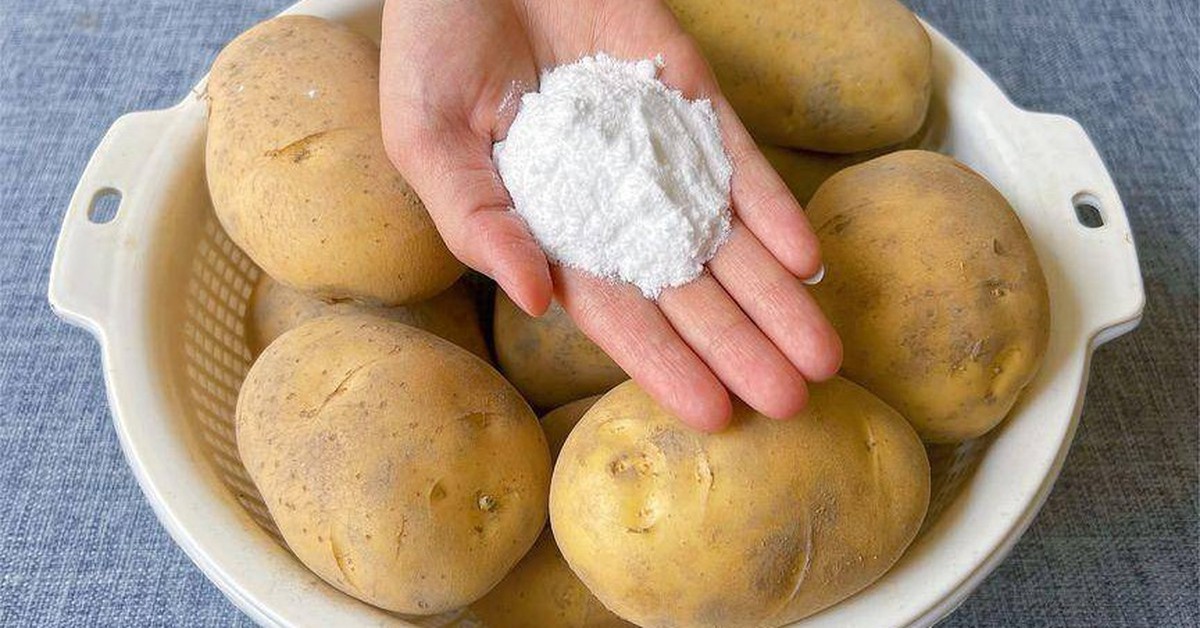
Historically derived from the roots of the wild *katakuri* (dogtooth violet), modern Japanese katakuriko is processed almost entirely from high-grade solanum tuberosum cultivars. Its culinary supremacy over cornstarch and tapioca boils down to starch morphology. Potato starch molecules possess an exceptionally high phosphate group content, which gives the starch a strong negative electrical charge. When exposed to heat and moisture, the granules swell rapidly, absorbing immense amounts of water before breaking down.
Potato starch features a gelatinization temperature between 60°C and 65°C (140°F, 149°F), significantly lower than cornstarch, which requires 75°C to 80°C (167°F, 176°F) to activate. In frying, this allows katakuriko to form an instantaneous moisture barrier frying perimeter. The exterior starch seals before the internal juices of the meat can vaporize and seep out, locking in moisture while leaving the skin dry and blistered. When used as a gluten-free thickening agent in soups and glazes, it yields a sauce gloss and viscosity with absolute optical clarity, avoiding the dull, milky haze typical of American and European cornstarch slurries.
Hokkaido's Agricultural Squeeze and the Global Supply Choke
The supply side of this equation is concentrated in a single agricultural pocket. Hokkaido produces over 80% of Japan’s processing potatoes. For decades, this regional farming system satisfied domestic requirements with modest reserves earmarked for export to neighboring East Asian markets. That balanced ecosystem broke down under compounding climate pressures and unexpected post-pandemic consumption spikes.
Between 2023 and late 2025, unseasonal heatwaves during the crucial tuber-bulking months of July and August severely reduced specific gravity levels in Hokkaido crops. Lighter, water-heavy potatoes yield significantly less extractable dry starch per ton harvested. Refining plants found their processing efficiency slashed just as export inquiries jumped over 200%. The resulting trade imbalance triggered steep price spikes and tight packaging quotas that remain active today.
| Market Factor | Baseline Period (2021, 2023) | Shortage Era (2024, 2026) |
|---|---|---|
| Average Hokkaido Tuber Yield | 42.5 tons per hectare | 34.8, 37.2 tons per hectare |
| Global Export Pricing (Metric Ton) | $1,100, $1,350 USD | $2,400, $3,100 USD |
| Retail Shelf Price (300g Bag) | $2.49, $3.29 USD | $6.50, $8.99 USD |
| Export Lead Time | 14, 21 business days | 60, 90 business days |
| Primary Consumption Vector | Domestic commercial food service | International retail & fusion dining |
The Korokke Craze and the 35-Year Waiting List Phenomenon
The global craze for Japanese potato products is not limited to starches. It reflects a deeper international fascination with Japanese potato craftsmanship. A prime cultural example is the famous Kobe beef croquette from Asadaya butcher shop in Hyogo Prefecture, where eager diners have accepted a staggering 35-year order waiting list simply to taste a masterfully fried potato puck. Japanese culinary culture treats the potato not as cheap bulk starch, but as an ingredient deserving obsessive micro-level manipulation.
Achieving the legendary korokke croquette texture requires a dual application of starch science. Chefs steam varieties like Danshaku (Baron) or May Queen until dry, mash them to a precise velvety density without bursting all individual starch cells, and rely on an exterior dust of fine katakuriko to establish a firm boundary before breading. The powder prevents the internal puree from expanding outward and blowing apart the croquette in the hot fat. As international diners learned about these meticulous techniques, home experiments with korokke and specialized frying batters accelerated the run on Japanese grocery staples.
Kitchen Strategy: When to Use Katakuriko Versus Substitutes
Given the sustained market scarcity, cooks must deploy this scarce ingredient strategically. Misusing authentic Japanese potato starch in culinary applications where generic substitutes work just as well drives up kitchen overhead unnecessarily.
Reserve true katakuriko for dishes that rely directly on its rapid swelling profile and crystalline finish. It is indispensable for authentic chicken karaage, agedashi tofu, and translucent sauce finishes such as ankake. The powder creates a delicate skin that clings closely to irregularly shaped foods without requiring an egg wash or milk dredging. For high-heat flash-frying, no other commercial starch matches its brittle resistance to ambient humidity.
Turn to alternative thickeners for long-simmered dishes. Katakuriko performs poorly during prolonged cooking. Once potato starch reaches its boiling threshold, its extended molecular chains fracture under sustained mechanical agitation. A stew thickened with katakuriko will thin out and turn unpleasantly watery if kept at a rolling simmer for more than twenty minutes. For hearty gravies, pie fillings, or Western-style baked goods, standard cornstarch or tapioca flour remains the superior, cost-effective choice.
Frequently Asked Questions (FAQ)
Q1: Can European or American potato starch replace authentic Japanese katakuriko 1:1?
Yes, in most home-cooking applications. Western potato starch behaves very similarly on a chemical level. However, Japanese katakuriko is milled to an exceptionally fine particle diameter, resulting in an airier, less gummy coating during flash-frying. If using Western potato starch for frying, sift it through a fine-mesh strainer first.
Q2: Why does katakuriko break down and turn thin in slow-cooked soups?
Potato starch granules are physically large and fragile compared to grain starches. When exposed to boiling temperatures (100°C/212°F) or vigorous stirring for long stretches, the swollen granules rupture, shedding their gelatinized bonds and causing the liquid to lose viscosity rapidly. Always stir in katakuriko slurries at the very end of cooking, simmer for thirty seconds to clear the raw starch flavor, and immediately pull the pot off the burner.
Q3: How should I store Japanese potato starch during a shortage to prevent spoilage?
Starch is intensely hygroscopic and absorbs ambient kitchen odors and humidity easily. Keep your katakuriko in a heavy, airtight glass jar or a vacuum-sealed plastic container, stored away from heat and light. Stored properly in cool, bone-dry conditions, pure refined starch will maintain its thickening and frying efficiency indefinitely.
The Structural Shifts Reshaping Culinary Pantries
The international run on Japanese potato starch illustrates how fast decentralized food media can scramble regional agricultural pipelines. What functioned for decades as a regional cooking product is now a permanent international staple. Japanese farming cooperatives in Hokkaido are investing heavily in heat-resilient seed cultivars, automated irrigation, and expanded processing facilities, but agricultural infrastructure moves to seasonal cycles, not internet speed.
As retail prices adjust to this elevated baseline, professional kitchens and home enthusiasts are learning to treat the ingredient with greater respect. Katakuriko is no longer viewed as an interchangeable dusting agent, but as an ingredient valued for its precise physical chemistry. Until production acreage expands and northern harvests normalize, cooks will need to use their supplies thoughtfully, treating every spoonful of Japan’s white gold as the culinary engineering asset it truly is.