The Sudden Rise of Ichiwa Fresh Fish Store Across Social Media Trends
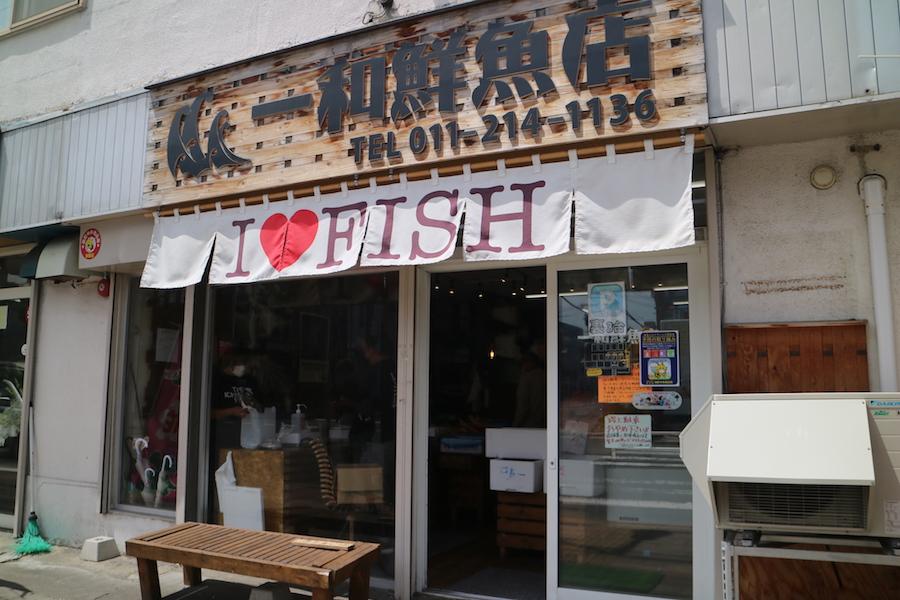
At 6:30 AM on a damp Tuesday, the blue vinyl awnings of Ichiwa Fresh Fish Store rattle as the first morning delivery trucks pull up. While neighboring storefronts keep their metal shutters sealed, a line of twenty patrons is already shivering quietly along the narrow sidewalk. Some hold insulated cooler bags; others clutch smartphones set to record the arrival of line-caught sea bream and glistening blocks of bluefin tuna.
Independent Japanese fishmongers have spent the past three decades fighting obsolescence against nationwide supermarket chains and discount retail giants. Ichiwa Fresh Fish Store dismantled that narrative entirely. By pairing master-level fishmonger craft with unvarnished, high-definition digital broadcasting, the shop evolved from an unassuming neighborhood outlet into an international culinary landmark drawing queues that wrap around the block daily.
📌 Key Takeaways:
- The Phenomenon: Ichiwa Fresh Fish Store reversed the decline of traditional Japanese fish retail by turning daily counter operations into an international social media food sensation.
- The Engine: Visual, towering kaisendon seafood bowls and artisan fish cutting techniques offered at accessible retail prices drove viral organic discovery across global platforms.
- The Industry Impact: The store's hybrid model proves local specialty food mongers can outmaneuver corporate grocery chains by integrating culinary tourism with domestic neighborhood demand.
From Quiet Neighborhood Stall to Global Social Media Sensation
Traditional fishmongers, known locally as sakana-ya, were once the commercial anchor of Japanese residential shopping districts. Ministry of Agriculture, Forestry and Fisheries data recorded more than 50,000 independent fish shops across Japan in the late 1970s. By 2024, that figure had plummeted beneath 11,000. Supermarkets offered pre-cut fillets under plastic wrap, eroding the cultural habit of visiting a neighborhood expert for the day's dinner recommendations.
Ichiwa Fresh Fish Store resisted this decline not by lowering prices to match industrial supermarkets, but by opening its cutting boards to the internet. Short-form video platforms turned the daily arrival of whole fish into theater. Viewers across East Asia, North America, and Europe began tuning in to 45-second clips showing whole seasonal catches broken down within minutes. The sound of high-carbon steel cleaving cleanly through fresh mackerel bones struck an unexpected chord with digital food communities.
The transformation happened rapidly between late 2023 and 2025. International tourists added the storefront to Tokyo and regional culinary itineraries alongside heritage destinations like Tsukiji Outer Market and Toyosu. The tiny counter, built primarily to sell mackerel fillets and clams to local home cooks, suddenly found itself serving travelers who had crossed multiple continents for a single meal.
Precision Cutting and Daily Catch Transparency
The core attraction at Ichiwa Fresh Fish Store rests on physical craft rather than marketing gimmicks. While chain grocers receive pre-processed, vacuum-sealed portions, Ichiwa relies on direct harbor auctions and wholesale relationships to secure whole specimens every morning. The store operates with complete transparency: customers watch the entire preparation process just inches away from the chilled counter.
Master cutters at the shop employ classic Japanese fish-cleaning methods, prioritizing tissue integrity to elevate taste and texture. They process line-caught fish using precise cuts that minimize cell damage in delicate flesh. Patrons witness the complete transformation of an intact flounder into translucent, paper-thin sashimi ribbons within sixty seconds.
This visible skill bridges the gap between high-end culinary artistry and down-to-earth street commerce. Elite sushi counters in Ginza charge upwards of ¥35,000 ($230) for omakase menus where knife work remains shielded behind quiet luxury. Ichiwa delivers comparable slicing precision directly onto takeout platters and dining trays for a fraction of the cost, democratizing access to artisan seafood preparation.
The Visual Power of Overflowing Kaisendon Seafood Bowls
No item accelerated the store's digital footprint faster than its signature kaisendon (seafood rice bowl). today online food culture prizes abundance and brilliant color contrast, Ichiwa perfected an overflowing presentation that practically demands documentation.
The bowls arrive piled high with raw ingredients sourced directly from the morning auctions: sweet Hokkaido sea urchin, cured salmon roe popping against steamed sushi rice, bright red cuts of hon-maguro tuna, and freshly torched seasonal whitefish. The ingredients are stacked so high that servers routinely provide an empty side dish just so diners can deconstruct the tower without spilling seafood onto the table.
Importantly, the visual excess never compromises freshness. Because the store moves inventory at a blistering pace, seafood rarely sits in display cases for more than a few hours. High turnover solves the primary vulnerability of seafood retail: spoilage. Every bowl served at midday features fish purchased, washed, sliced, and assembled that same morning.
Comparing Japanese Seafood Retail Models
The operational divide between traditional neighborhood fishmongers, corporate supermarkets, and the new wave of social-first seafood shops highlights why Ichiwa broke through existing commercial bottlenecks.
| Operational Factor | Traditional Neighborhood Fishmonger | Supermarket Fish Counter | Ichiwa Fresh Fish Store Model |
|---|---|---|---|
| Target Customer Base | Local neighborhood residents, aging home cooks | Broad residential consumers prioritizing convenience | Locals, inbound culinary travelers, digital food enthusiasts |
| Primary Product Offering | Whole fresh fish, raw cooking cuts, salt-cured fillets | Standardized pre-sliced packs, frozen portions | Custom sashimi platters, towering kaisendon, premium seasonal catches |
| Average Spend Range | ¥800, ¥1,800 ($5, $12) | ¥500, ¥1,200 ($3, $8) | ¥2,200, ¥4,500 ($15, $30) |
| Inventory Turnover Speed | Moderate; vulnerable to slow daily foot traffic | Predictable; sustained through chain-wide distribution | Rapid; entire daily inventory sells out within 4, 6 hours |
| Customer Acquisition Channel | Walk-by foot traffic, word-of-mouth habit | Weekly circulars, regular grocery trips | Short-form video platforms, travel forums, viral social threads |
Managing the Realities of Foot Traffic and Community Strain
Viral fame carries real operational friction. When a quiet shopfront attracts hundreds of travelers daily, neighborhood infrastructure absorbs the shock. Narrow residential roads struggle to handle long lines. Noise complaints and discarded takeout packaging can create sudden tension with lifelong residents living next door.
Ichiwa tackled these growing pains by instituting structured crowd control methods throughout 2024 and 2025. The shop launched a physical numbered ticket system distributed each morning at 8:30 AM, capping daily meal services to prevent chaotic sidewalk crowding. Staff members were reassigned from the preparation counter to handle street traffic, ensuring entry lanes and driveways remained clear for neighbors.
There is also the challenge of balancing local community loyalty against the influx of one-time visitors. If a neighborhood fishmonger prices out local elders who buy daily cod steaks, it forfeits its civic foundation. Ichiwa retained dedicated counter space and discounted raw whole fish sales for local residents, preserving its original identity even as its dining counter captured global attention.
Frequently Asked Questions (FAQ)
Q1: What is the best time to visit Ichiwa Fresh Fish Store to avoid sold-out items?
A1: Arrive between 8:00 AM and 8:30 AM to secure a morning numbered entry ticket. Premium seasonal offerings like wild bluefin fatty tuna and fresh sea urchin typically sell out by midday, well before the shop closes its afternoon operations.
Q2: How much should visitors expect to spend on a typical meal or sashimi platter?
A2: Entry-level sashimi sets and standard kaisendon bowls start around ¥2,200 ($15), while deluxe bowls stacked with seasonal luxury catches range between ¥3,500 and ¥4,800 ($23, $32). Whole fresh fish purchases for home preparation are priced based on daily market weight.
Q3: Can visitors purchase raw fish for home cooking, or is the shop now strictly a restaurant?
A3: Ichiwa maintains its dual identity as an active retail fishmonger. Visitors can buy raw, whole fish, custom-sliced sashimi platters for takeout, or dine on-site with prepared rice bowls, provided stock remains available for the day.
What Ichiwa’s Resurgence Signals for Japanese Food Retail
The enduring popularity of Ichiwa Fresh Fish Store demonstrates that modern consumers will enthusiastically seek out independent food craft when it is made transparent and culturally accessible. Supermarket efficiency meets practical daily needs, but it strips away the visceral excitement of watching a master fishmonger handle the ocean's harvest.
Ichiwa unlocked an effective blueprint for traditional merchants facing demographic headwinds across Japan. By turning daily knife skills and auction fresh catches into visual media, the shop proved that age-old retail professions do not need to modernize by abandoning their roots. They simply need to let customers see the craft in action.