The Ultimate Cheap All-You-Can-Eat Guide to Shiga: Best Spots & Hacks
Just ten minutes east of Kyoto by train, the perimeter of Lake Biwa supports a dining subculture running counter to Japan's inflationary restaurant climate. While international tourists crowd Kansai metropolitan centers and pay inflated prices for tightly rationed portions, local workers and university students head to Otsu and Kusatsu for Shiga budget buffets that keep bills strictly capped. As documented in a recent MICHELIN Guide Report tracking evolving consumer appreciation for regional Japanese dining formats, diners increasingly look past urban tourist centers to seek genuine local food traditions. Around Shiga, that culinary identity merges agricultural abundance with ruthless price competitiveness.
The standard Japanese all-you-can-eat format, known as tabehoudai, often suffers from a reputation of trade-offs: cheap cuts, rigid ninety-minute timers, and bland broths. Shiga Prefecture disrupts that dynamic. Anchored by the fresh produce of the Omi basin and competition along highway corridors like Route 1 and Route 8, regional operators offer expansive spreads for well under ¥3,000. From specialty ramen side bars to sizzling grills, navigating this scene requires knowing precisely where local volume dining meets real quality.
📌 Key Takeaways:
- The Price Ceiling: High-volume lunch spreads and full dinner services across Otsu, Kusatsu, and Hikone consistently run between ¥1,400 and ¥2,980, undercutting comparable Osaka and Kyoto operations by roughly 35%.
- The Regional Edge: Shiga leverages direct access to local farmland and regional logistics hubs, keeping fresh produce bars, pork cuts, and rice refills higher in quality than standard urban chains.
- The Strategic Play: Visiting during weekday lunch windows unlocks the deepest markdowns, while combining course tiers with low-cost drink bar passes avoids common upcharge traps.
Tenkaippin and the Cult of Unlimited Shiga Noodle Accompaniments
Ramen lovers across Japan know Tenkaippin for its thick, velvety chicken-and-vegetable broth. The chain originated in Kyoto, but Shiga holds a special status in the brand's identity. Several flagship locations in the prefecture, including the expansive Ueno and Otsu branches, developed a cult following by offering self-serve buffet bars alongside their signature bowls.
For an entry charge typically sitting around ¥1,100, ¥1,400, patrons order their primary bowl of *kotteri* or *assari* noodles and gain full access to an unlimited side station. Counters hold trays of freshly fried karaage, braised pork scraps (*chashu* trimmings), pickled ginger, spicy greens, sweet corn, and steaming vats of Shiga-grown rice. Building custom *chashu-don* rice bowls while dipping fried chicken into thick soup creates an unmatched calorie-per-yen return. The atmosphere is loud, fast, and distinctly working-class.
These locations fill rapidly during the 11:30 AM to 1:00 PM rush. Construction crews, office workers, and students from nearby universities pack the booths. Arriving at 11:15 AM or waiting until 1:45 PM guarantees a seat without standing in parking-lot lines that stretch down the access road.
Sizzling Grills: All-You-Can-Eat Yakiniku Across Otsu and Kusatsu
Grilling meat over an open flame dominates the Japanese buffet imagination. Finding all-you-can-eat yakiniku Shiga venues that stay below the ¥3,000 mark without serving gristly cuts demands strategic ordering. National chains like Yakiniku King operate prominent outposts along Kusatsu's commercial drags, but their weekday lunch course remains the gold standard for budget meat enthusiasts.
Priced at approximately ¥2,178 (tax included), the lunch course unlocks roughly sixty distinct items. Diners select marinated pork kalbi, spicy chicken thighs, sausage links, grilled garlic pots, and limitless stone-cooked bibimbap bowls via tabletop tablets. Orders arrive via automated service lanes within minutes. The operational speed maximizes the standard 100-minute window.
Independent suburban spots outside Kusatsu buffet restaurants take a different approach. Several local mom-and-pop grill rooms serve pork-and-horumon (offal) all-you-can-eat lunches starting under ¥1,800. While authentic Omi beef all-you-can-eat deals typically command upwards of ¥6,000 to ¥9,000 for certified Kuroge Wagyu, budget seekers can locate mixed-cut platters in Hikone and Moriyama where Omi beef trimmings and beef tendon curry sit on the side buffet alongside domestic cuts, delivering premium flavor at a fraction of high-end boutique pricing.
The Lake Biwa Value Matrix: Top Shiga Tabehoudai Compared
Comparing price points, table limits, and menu coverage across the prefecture helps isolate the best value for your itinerary. The following venues represent consistent field-tested performers for Lake Biwa affordable dining.
| Restaurant / Format | Target Hub | Price Window (Lunch/Dinner) | Primary Value Hook |
|---|---|---|---|
| Tenkaippin Side-Bar Branches | Otsu / Central Shiga | ¥1,100, ¥1,500 | Unlimited karaage, rice, and chashu bar with noodle order |
| Syabu-Yo Suburban Hubs | Kusatsu / Moriyama | ¥1,539, ¥2,419 | Pork & vegetable hotpot, DIY dessert bar, no lunch time limit |
| Yakiniku King Lunch Tier | Otsu / Kusatsu Highway | ¥2,178 (Lunch only) | 60+ items including pork kalbi, bibimbap, and side plates |
| Local Nagahama Shabu & Grill | Nagahama / Hikone | ¥1,800, ¥2,800 | Omi rice, farm-direct greens, affordable family course rates |
| Sushiro & Kura Tabehoudai Events | Hikone / Otsu | ¥2,200, ¥2,980 | Time-slotted nigiri feasts during seasonal chain promos |

Broth, Greens, and Sliced Pork: Mastering Shabu-Shabu Buffets Under ¥2,500
Hotpot dining represents the absolute peak of vegetable freshness and balanced eating within the all-you-can-eat category. A shabu-shabu buffet Shiga excursion delivers exceptional value, largely because the prefecture borders key agricultural production zones. Chains like Syabu-Yo, along with regional operators near Nagahama and Hikone budget dining strips, transform thinly sliced pork into culinary gold.
Ordering the basic pork course during a weekday lunch session costs around ¥1,539 to ¥1,759. For this price, diners receive continuous deliveries of pork belly and lean pork loin, sliced paper-thin so they cook within five seconds of swirling in boiling broth. Choose a split pot containing traditional kombu dashi alongside a spicy kimchi or seasonal soy milk broth. The real highlight sits in the center of the dining room: open-air refrigerated islands stacked with fresh Shiga cabbage, mizuna, enoki mushrooms, thinly shredded scallions, and lotus root.
The rhythm here is calm compared to the frenetic energy of yakiniku grills. Diners stack baskets high, craft specialized dipping sauces blending sesame paste, minced garlic, and chili oil, and simmer their ingredients steadily. Crucially, many Shiga locations lift their strict eighty-minute time limit during non-peak weekday afternoons. If you enter between 1:00 PM and 4:00 PM, you can linger across multiple courses without being asked to clear the table.
Sweets, Seafood, and Drink Bars: Expanding the Feast
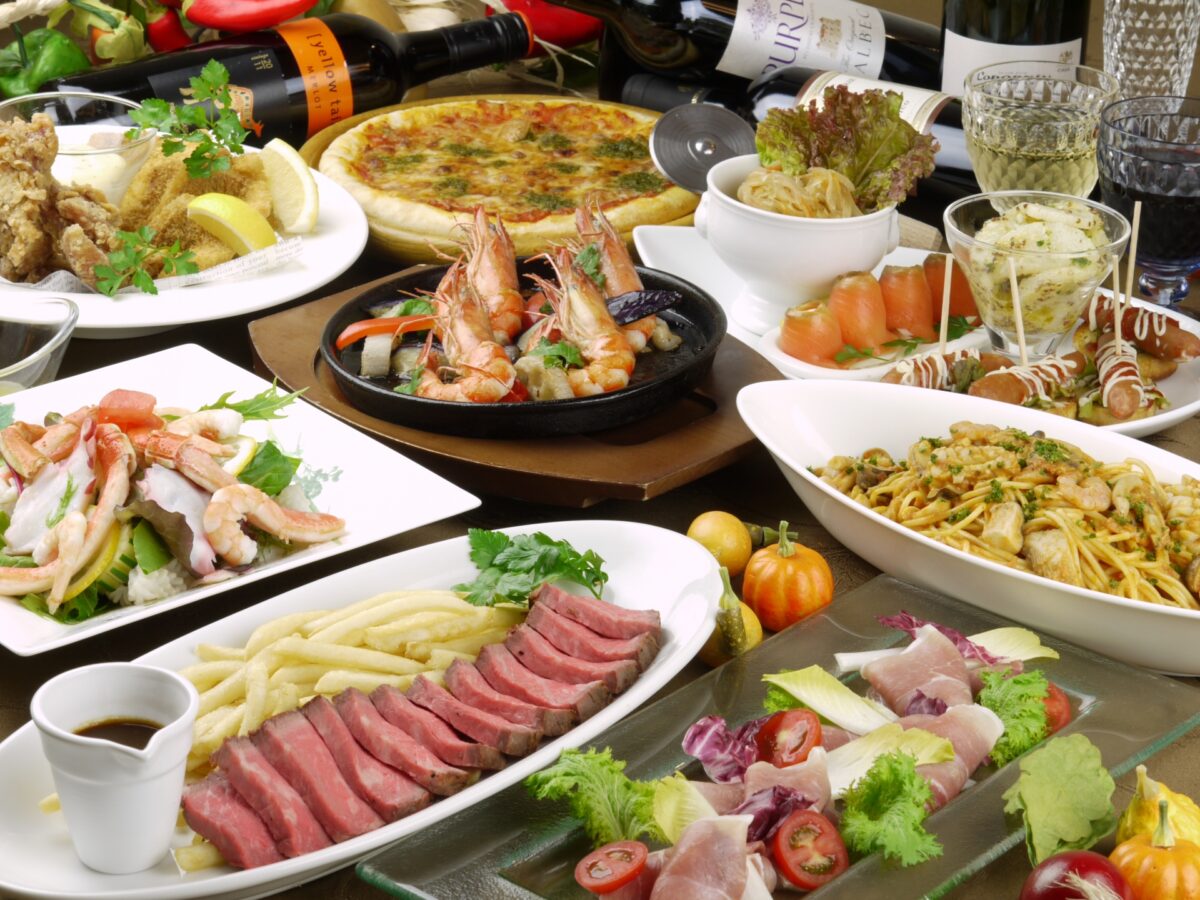
Buffet dining does not stop at red meat. Midday dessert and sweets buffet Shiga spots are common inside mall complexes like Aeon Mall Kusatsu and shopping centers near Otsu Station. While luxury hotel sweet spreads around Lake Biwa often exceed ¥4,500, casual Italian-style buffet kitchens offer pizza, pasta, salad, and a full dessert rotation for roughly ¥1,850. Patrons bake their own waffles, pour fondue chocolate, and scoop soft-serve gelato alongside bottomless coffee.
For seafood fans, discovering true all-you-can-eat sushi Shiga options requires watching for promotional windows. Kaitenzushi chains periodically launch reservation-only buffet days where diners pay a flat fee of roughly ¥2,500 to sample conveyor belts without tallying individual plate colors. Outside of promotional cycles, dedicated buffet cafeterias near Lake Biwa marinas offer lunch courses combining mixed chirashi bowls, tempura, and grilled local river fish alongside bottomless miso soup.
Always examine the nomihoudai drink bar deals before tapping the screen to confirm an order. Most casual buffets charge an additional ¥250 to ¥350 for limitless access to carbonated beverages, seasonal juices, and premium tea selections. If you drink two iced teas and a coffee, the add-on pays for itself. If you only intend to drink iced water or roasted green tea, skip the package; high-grade water and chilled tea are provided entirely free at self-serve dispensers throughout every restaurant.
Logistics, Timing, and Avoiding Tourist Upcharges
Maximizing value in Shiga requires understanding public transport and regional layout. Travel costs can easily wipe out meal savings if you hire taxis to suburban bypass roads. Fortunately, prime locations cluster along accessible railway arteries.
The JR Tokaido-Sanyo Main Line (Biwako Line) connects Kyoto directly to Otsu in just nine minutes for ¥200, and to Kusatsu in twenty-one minutes for ¥420. Cheap lunch tabehoudai Otsu venues sit within easy walking distance of Otsu Station and Ishiyama Station. For travelers exploring northern historical sights, a cheap dinner buffet Nagahama or Hikone stop pairs effortlessly with a castle walking tour. The dining areas around Nagahama Station and Hikone Route 8 are lined with spacious suburban layouts that offer significantly wider booths and friendlier service than cramped downtown Kyoto basements.
Keep these procedural rules in mind to protect your wallet:
- Target Weekday Lunches: Menus identical to dinner courses run 20% to 40% cheaper before 4:00 PM Monday through Friday.
- Beware the Weekend Surcharge: Most suburban venues add a small weekend and holiday surcharge, typically ranging from ¥110 to ¥330 per person.
- Order in Small Batches: Japanese buffets strictly enforce anti-waste rules (*mottainai*). Leaving unfinished trays of raw meat or piles of rice can incur waste penalties of ¥500 to ¥1,000 per table. Order two plates at a time per diner.
- Download Restaurant Apps: Major chains operating in Shiga (such as Skylark Group for Syabu-Yo or the Monogatari series for yakiniku) offer instant app coupons saving 5% to 10% on total table checks.
Frequently Asked Questions (FAQ)
Q1: Can you find authentic Omi beef on an all-you-can-eat menu for under ¥3,000?
A1: No. Pure A4 or A5 certified Omi Wagyu commands premium prices across Japan, with all-you-can-eat wagyu tiers starting around ¥7,000 to ¥10,000. Budget buffets priced under ¥3,000 feature domestic pork, seasoned Australian or American beef, and occasional side dishes like Omi beef tendon curry or broth simmered with local cattle trimmings.
Q2: How far do I need to travel from Kyoto to access these budget buffets?
A2: Very little. Otsu is only two stops and nine minutes from Kyoto Station on the JR Biwako Line. Kusatsu is twenty-one minutes away. Both cities house dense clusters of budget yakiniku, shabu-shabu, and noodle buffets located within walking distance or a short bus hop from their central train stations.
Q3: Do Shiga buffets charge separate fees for non-alcoholic drinks?
A3: Water, hot roasted green tea (hōjicha), and iced water are always free. The dedicated soft-drink bar, which includes sodas, espresso machines, and specialty cold juices, is typically an optional add-on priced between ¥200 and ¥350 per person. Alcohol buffets (nomihoudai) run separately, usually adding ¥1,300 to ¥1,800.
Navigating Shiga's Feast Culture in 2026
Dining well across Japan no longer requires surrendering to urban tourist markups. Shiga Prefecture proves that competitive prices, abundant agricultural supply chains, and generous serving standards can still coexist under the ¥3,000 threshold. By catching a short commuter train out of Kyoto and timing meals to coincide with weekday lunch services, travelers tap directly into an authentic slice of contemporary Japanese dining life.
Whether you are filling up on garlic-spiced pork beside Lake Biwa, scooping fresh greens into simmering shabu-shabu broths in Kusatsu, or crafting your own side-dish rice bowls at an Otsu ramen counter, the culinary rewards of Shiga are immediate. Pack a hearty appetite, watch the clock, and enjoy one of the most generous food regions in Western Japan.