The Ultimate Guide to Making a Paper Plate Pellet Drum: Materials, Steps, and FAQs
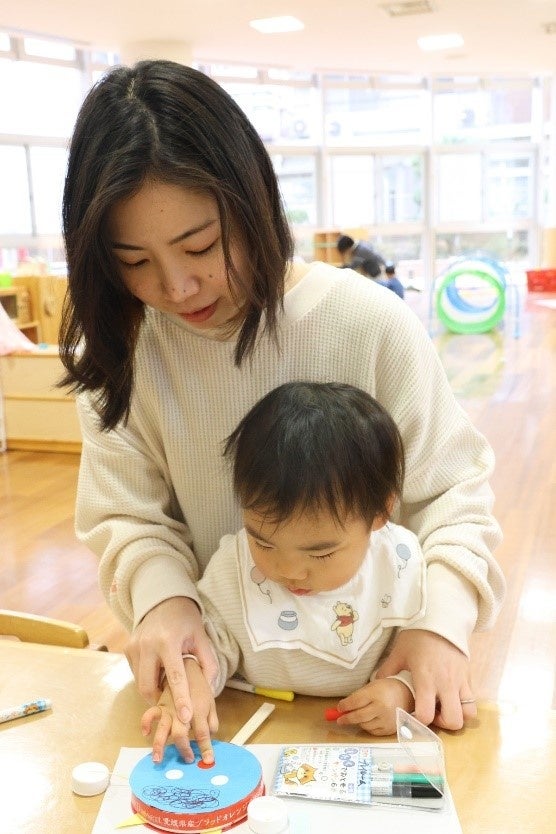
Handcrafted noise toys are experiencing an unexpected renaissance in early childhood education. At the Kangaroo no Mori Childcare Support Center in Takatsuki, Osaka, roughly 30 parent-child pairs gathered to build ogre-themed pellet drums out of repurposed kitchen goods and disposable chopsticks ahead of the annual Setsubun holiday, according to an event bulletin published in a PR TIMES Report. The event showcased how simple household discards can match the sensory appeal of store-bought plastic gadgets.
That DIY approach translates effortlessly to the classic Japanese den-den daiko. By pairing two standard paper plates with yarn, wooden beads, and a chopstick handle, parents and preschool teachers can assemble a balanced percussion rattle in under twenty minutes. The instrument offers immediate acoustic feedback, teaching toddlers the direct mechanics of rotary motion, friction, and percussive rhythm.
📌 Quick Summary:
- Core Mechanism: A two-sided pellet drum rings out when back-and-forth wrist rotations swing dual suspended beads against paper plate acoustic chambers.
- Classroom Proven: Recent early-childhood workshops in Japan verify that upcycled paper goods match commercial toys for tactile motor engagement.
- Safety First: Double-knotting yarn through drill-punched wooden beads and sealing rim seams with high-tack tape eliminates common toddler choking hazards.
The Cultural Heritage Behind Setsubun Rattle Drums
The den-den daiko holds deep roots in Japanese folk traditions, originating as a religious ceremonial drum before evolving into an Edo-period children's rattle. Regional vendors traditionally sold the instruments at shrine festivals to pacify restless infants or ward off misfortune. Its distinctive double-sided strike produces a rhythmic clatter that requires little finger dexterity, making it accessible to infants just learning to manipulate objects in space.
In contemporary preschool cultural crafts, the rattle drum aligns naturally with Setsubun, the early February festival marking the start of spring. Children construct demon-faced (oni) versions featuring red plates, yarn hair, and drawn fangs. As they shake the drums, the clatter symbolically drives away negative energy and welcomes good fortune. Transforming this festive tradition into a recycled materials activity anchors seasonal storytelling in a physical, functional object.
Essential Materials for the Paper Plate Assembly
A durable build depends on selecting components that withstand rapid rotational forces. Standard flimsy party plates buckle after moderate use, while heavy plastic options deaden acoustic resonance. Choosing uncoated, rigid paper plates ensures a sharp, snappy percussion profile.
Gather the following workshop supplies:
- Two sturdy 6-inch or 7-inch uncoated paper plates
- One heavy-duty bamboo chopstick (unsplit) or a 3/8-inch wooden craft dowel
- Two round wooden beads (15 mm to 18 mm diameter with smooth inner bores)
- Cotton baker's twine or lightweight 4-ply yarn (approximately 12 inches total)
- Double-sided tape sealing strips or industrial glue dots
- PVA craft glue or low-temperature hot glue
- Single-hole punch and masking tape
- Non-toxic markers, construction paper, and tempera paints for decoration
Bamboo chopsticks from takeout sets work well, but check them for splinters before handing them to young builders. Lightly sanding the handle surface prevents rough edges and creates grip texture for small hands.
Acoustic and Durability Metrics Across Common Materials
Different household enclosures produce distinct acoustic profiles and safety trade-offs when repurposed into toddler sensory instruments. The table below outlines how common DIY builds compare across standard play metrics.
| Core Resonator Material | Acoustic Output (dB / Tone) | Durability Score (1, 10) | Optimal Age Range |
|---|---|---|---|
| Rigid Uncoated Paper Plates | 72, 78 dB (Crisp, hollow snap) | 6.5 / 10 | Ages 2, 6 |
| Upcycled Plastic Food Tubs | 68, 74 dB (Muffled, low thud) | 8.5 / 10 | Ages 1, 3 |
| Heavy Mounting Cardstock | 76, 82 dB (Loud, sharp pop) | 5.0 / 10 | Ages 4, 8 |
| Plywood Craft Rings & Vellum | 80, 86 dB (Resonant skin tone) | 9.0 / 10 | Ages 6+ |
Step-by-Step Assembly: Calibrating String Length and Centering
Precision during string attachment makes the difference between a crisp percussion strike and tangled threads. Follow this methodical assembly sequence:
Step 1: Prep and Decorate the Plates. Lay two paper plates flat on your work surface, face down. Decorate the convex bottoms before mounting any internal hardware. Draw Setsubun demon faces, brush on traditional Japanese concentric circles (tomoe motifs), or paint abstract color blocks using tempera.
Step 2: Install the Handle. Turn one plate face up. Apply a generous bead of PVA or low-temp hot glue vertically along the bottom third of the plate's inner rim. Press the thicker end of the chopstick handle into the adhesive, extending it 2.5 to 3 inches into the body cavity. Secure it firmly across the center with heavy masking tape.
Step 3: Measure and Attach the Striker Yarn. The striker string must hit dead center on the drum surface. Punch two holes on opposite sides of the plate rim, exactly 90 degrees offset from the handle axis. Cut two lengths of yarn measuring 5 inches each.
Thread one length of yarn through each hole, knotting the interior end three times so it cannot slip through. Thread a wooden bead onto the exterior end. Pull the bead until it reaches the exact center point of the plate's exterior face. Tie off multiple knots beneath the bead at that measurement point, then trim any excess string. Repeat on the opposite flank.
Step 4: Perimeter Sealing. Line the interior rim of the base plate with high-tack double-sided tape. Place the second plate rim-to-rim against the first, enclosing the chopstick anchor and internal knots. Press firmly along the entire perimeter for 30 seconds to establish a tight, resonant seal.
The Biomechanics of Toddler Rhythm and Rotary Sound Making
A pellet drum engages sensory development differently than standard mallet percussion. Most infant drums reward direct vertical downward force. In contrast, the den-den daiko demands rotary supination and pronation, the coordinated twisting of the wrist back and forth.
This kinetic motion activates fine motor stabilization in the forearm. When an eighteen-month-old twists the chopstick, centrifugal force sends the beads outward. As the wrist abruptly reverses direction, inertia slams each wooden bead into the paper face, generating auditory confirmation. The tactile feedback loop helps toddlers connect physical torque to acoustic volume. Softer rotations yield gentle taps, while rapid snaps create loud, rapid-fire percussion.
Classroom Safety Protocols: Mitigating Choking and Pinch Risks
While DIY crafting builds pride of ownership, classroom instruments must meet strict physical safety thresholds. Loose beads represent a severe choking hazard for children under three years old. Educators should reinforce every component before introducing drums into group play.
Anchor beads by dabbing non-toxic white craft glue into the bead bore hole before setting the final double knot. Once cured, the bead cannot slide off even if the outer fiber threads fray. For toddlers who actively mouth toys, substitute the wooden beads with felt craft balls or oversized wooden spools too large to fit inside an airway test cylinder.
Handle integrity requires equal vigilance. Cheap disposable chopsticks can splinter along natural wood grains under heavy torque. Wrapping the exposed bamboo handle in colorful vinyl electrical tape eliminates splinter risks and provides a soft, non-slip rubberized texture for small hands.
Frequently Asked Questions (FAQ)
Q1: What is the optimal string length for a paper plate pellet drum?
The string should measure just long enough for the wooden bead to strike the exact center of the plate face. If the string is too long, the bead wraps loosely around the rim; if it is too short, the striker hits near the rigid edge without producing a full acoustic tone.
Q2: Can hot glue replace double-sided tape when sealing the drum rims?
Hot glue creates a rigid bond, but excessive heat can warp thin paper rims, creating perimeter gaps that deaden acoustic projection. High-tack double-sided tape maintains even tension along the circumference without thermal warping, making it the safer, cleaner option for group builds.
Q3: How can teachers adapt this craft for large groups of 25 or more children?
Prep the plates ahead of time by pre-punching the side holes and pre-cutting string to the calibrated five-inch length. Set up assembly stations where children focus entirely on exterior surface decoration and bead threading, leaving the final perimeter taping to adult supervision.
Creative Adaptations for Modern Childhood Play
The timeless appeal of the den-den daiko rests in its structural simplicity. By stripping away pre-recorded electronic soundboards and flashing LEDs, a paper plate pellet drum invites children to participate directly in the mechanics of noise. As demonstrated in community workshops across Japan, tactile crafting teaches material resilience, cultural history, and auditory physics through accessible household upcycling. With a couple of plates, a chopstick, and secure bead placement, anyone can craft a responsive, resonant folk instrument that withstands hours of energetic play.