The Ultimate Takamatsu Cheap All-You-Can-Eat Guide: Top 10 Value Champions Ranked
Travel guides routinely reduce Kagawa Prefecture to a single starch: Sanuki udon. Travelers sprint through Takamatsu to catch ferries toward the art outposts of Naoshima and Teshima, pausing only to slurp a ¥300 bowl of broth and noodles before boarding. Yet as highlighted in a recent National Geographic Report detailing travel across Chugoku and Shikoku, this coastal transit hub offers far more culinary depth than its commuter terminals suggest. Hidden inside the downtown shopping arcades and retail strips near Takamatsu Station is an intensely competitive budget dining ecosystem where all-you-can-eat (tabehoudai) feasts provide massive portions for pocket change.
Driven by the student population of Kagawa University, dockside logistics workers, and residents navigating nationwide food inflation, Takamatsu’s hospitality sector has engineered astonishingly low-cost communal dining. From high-grade pork shabu-shabu buffets and tabletop yakiniku grills to sprawling hotel breakfast spreads and dessert parlors, competitive operators routinely price multi-course banquets between ¥1,300 and ¥3,500. Finding these genuine bargains requires sorting through confusing booking platforms, navigating Japanese-only ordering kiosks, and understanding hidden pricing tiers.
📌 Key Takeaways:
- Price-to-Volume Benchmark: Midday lunch buffet discounts consistently undercut evening sittings by 35% to 50%, offering base courses starting at ¥1,399.
- Strategic Hubs: The primary density of top-rated value spots clusters along the covered Kawaramachi Shopping Arcade and the Takamatsu Station perimeter.
- Hidden Cost Vectors: Adding nomihoudai (all-you-can-eat drink packages) increases baseline receipts by ¥1,100 to ¥1,650, making soft-drink bar upgrades the preferred tactic for budget travelers.
Beyond Udon: The Economic Engine Driving Takamatsu All-You-Can-Eat Dining
Takamatsu’s food market operates under different economic realities than Tokyo or Osaka. Lower commercial real estate overhead along the city's central shopping arcades allows independent operators and national franchises to keep operating costs remarkably lean. Regional supply lines running directly through the Seto Inland Sea basin deliver pork, poultry, and root vegetables without Tokyo-style wholesale markup. Competition is fierce. When a basic bowl of handmade noodles costs less than a convenience store sandwich, general dining establishments must offer exceptional value to attract walk-in diners.
The result is a hyper-efficient dining scene where volume drives the business model. Establishments rely heavily on automated touch-screen ordering tablets and self-service distribution counters to keep labor footprints minimal. Diners clear their own plates or pick up sliced meats directly from refrigerated central display islands. This operational efficiency directly subsidies menu prices. A diner can spend ¥1,800 in central Takamatsu and walk away with ninety minutes of bottomless grilled pork belly, fresh cabbage, dipping sauces, rice pots, and soft-serve ice cream.
The Top 10 Value Champions Ranked Across Yakiniku, Shabu-Shabu, and Buffets
Every venue on this curated ranking was evaluated on meat quality, broth freshness, side-dish diversity, time limits, and baseline price-to-performance ratio.
1. Shabu-Yo (Takamatsu Matsunawa Branch)
The undisputed monarch of budget hot-pot dining in Takamatsu. Shabu-Yo’s weekday lunch course frequently sits at an unbelievable ¥1,399 to ¥1,699 for limitless sangen pork loin, belly, and chicken mince. Diners select two distinct broth bases, then pillage a sprawling cold buffet featuring over twenty varieties of seasonal vegetables, handmade ramen noodles, curry rice, and DIY waffle stations.
2. Yakiniku King (Takamatsu Kamiten)
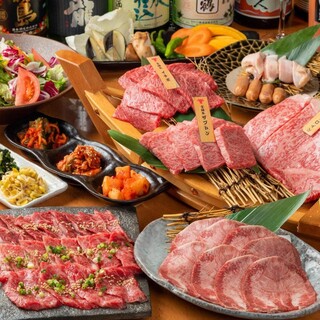
Widely considered the gold standard for mid-tier cheap yakiniku all-you-can-eat. While the premier course hits ¥3,580, their 58-item basic course (¥2,980) offers unbeatable value. The ordering system is digital, delivery is handled by automated conveyor systems or rapid floor staff, and the pork skirt, seasoned offal, and garlic butter chicken thigh punch far above their price category.
3. Gyu-Kaku (Kawaramachi Flag Terminal Area)
Conveniently located for pedestrians traveling without a rental car, this outlet runs localized weekday lunch specials starting at ¥2,480. The marinades lean heavy on sesame oil and fermented garlic paste, pairing well with their unlimited bowls of seasoned scallion rice and kimchi pots.
4. Nabesou (Takamatsu Downtown Arcade)
A beloved independent shabu-shabu buffet Takamatsu locals keep closely guarded. Nabesou eschews flashy touchscreens in favor of direct counter service, ladling rich dashi broths and offering locally raised Shikoku pork. Their 70-minute express lunch course remains an incredible steal at roughly ¥1,450.
5. Sweets Paradise (Kawaramachi Vicinity Outpost / Pop-up Rotations)
For budget diners targeting all-you-can-eat dessert bars, this vibrant venue charges around ¥1,490 for an all-inclusive parade of cakes, mousses, parfaits, and soft serve, supplemented by surprisingly robust savory stations offering piping hot pasta and mild Japanese curry.
6. Takamatsu Washington Hotel Plaza Breakfast Buffet
You do not need to be an overnight hotel guest to access this morning powerhouse. For ¥1,650, walk-in patrons gain full clearance to a lavish spread that functions as an edible Kagawa Prefecture food guide. Expect endless Sanuki side dish buffets loaded with seasonal tempura, local simmered fish, seasoned sea vegetables, and fresh breakfast udon stations.
7. Buffet Style Resort Forest (Outskirts Retail Strip)
A classic family-style multi-cuisine buffet featuring Western, Chinese, and Japanese dishes. At ¥1,850 for weekend lunch, it caters extensively to family crowds, providing custom stir-fry counters, pizza, fried chicken, salads, and customizable dessert bars under a single roof.
8. Yakiniku Anan (Takamatsu Station Perimeter)
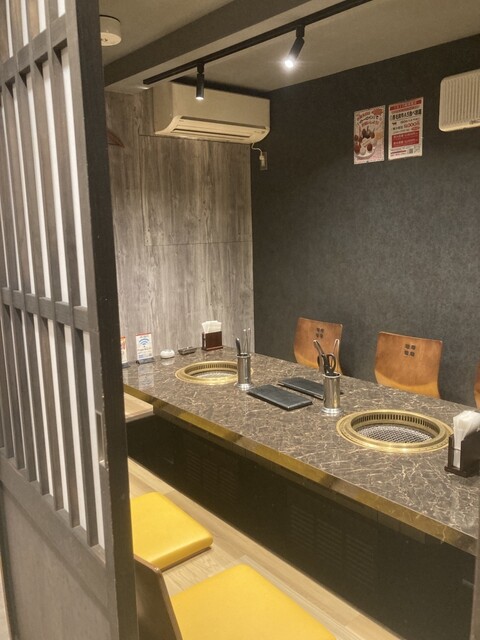
Operating under a low-cost, stripped-back operational model, Anan's basic grill course clocks in at just ¥2,178. The cut selection emphasizes beef kalbi, pork neck, and spicy innards roasted over personal charcoal briquette pots (shichirin), producing serious smoke and deep flavor.
9. JR Hotel Clement Takamatsu (Café Restaurant Ventedor)
Positioned right next to the ferry docks, Clement’s lunch buffet sits at the higher end of the value spectrum at ¥2,600, but justifies every yen with roast pork carving stations, seafood pasta, pastry displays, and harbor views that elevate the standard buffet routine into an upscale experience.
10. Stamina Taro (Takamatsu Fringe)
The chaotic, joyous epicenter of retro buffet culture. Stamina Taro combines sushi counters, yakiniku grills, cotton candy spinners, ramen boilers, and deep-fried pork cutlets under one ticket for roughly ¥1,700 to ¥2,400 depending on the time slot. Quality is industrial, but the pure variety is unmatched.
Tabulating Takamatsu’s Best Tabehoudai Courses
The table below compares baseline adult daytime and early-evening options, highlighting time limits and target specialties across the city's key districts.
| Restaurant Name | Category | Base Price (JPY) | Time Window |
|---|---|---|---|
| Shabu-Yo (Matsunawa) | Shabu-Shabu Hot Pot | ¥1,399, ¥1,899 | 80, 100 Minutes |
| Yakiniku King | Tabletop Yakiniku | ¥2,980, ¥3,580 | 100 Minutes |
| Yakiniku Anan | Charcoal Charcoal Grill | ¥2,178, ¥2,800 | 90 Minutes |
| Sweets Paradise | Dessert & Pasta Bar | ¥1,490, ¥1,890 | 70, 80 Minutes |
| Hotel Clement (Ventedor) | Hotel Lunch Buffet | ¥2,600, ¥3,200 | 90 Minutes |
| Washington Hotel Plaza | Regional Breakfast Spread | ¥1,650 | Morning Open Run |
Navigating Add-Ons: Nomihoudai Upgrades and Sanuki Side Dish Hacks
The sticker price posted on the curbside board is rarely your final bill if you fail to study the course terms. Understanding the relationship between base food courses and add-ons is essential to keeping spending low.
Drink packages require careful calculation. In nearly all Takamatsu establishments, a base all-you-can-eat package includes only tap water and unsweetened hot tea. If you want soda, melon soda floats, juices, or specialty iced teas, you must pay for a soft-drink bar (dorinku baa), usually running ¥250 to ¥400. Alcohol all-you-can-eat packages (nomihoudai) range from ¥1,100 to ¥1,650. Unless you plan to consume at least three pints of draft beer or three highballs during a 90-minute window, paying for drinks à la carte is often the smarter financial move.
Side dish stations hide some of the best culinary surprises in Kagawa Prefecture. Because local diners demand high noodle standards, even generic all-you-can-eat franchises often feature fresh udon kettles and local dipping sauces alongside conventional french fries and fried dumplings. At Shabu-Yo and Stamina Taro, you can construct custom noodle bowls topped with house-simmered curry broth, green scallions, shredded nori, and grated ginger at zero added charge. It turns a standard corporate hot-pot visit into a hyper-regional meal.
Strategic Timing: Lunch Differentials and Student Discount Windows
Timing your meal changes what you pay. The single largest mistake budget travelers make is walking into a yakiniku or shabu-shabu restaurant at 6:30 PM. Evening menus unlock higher-grade cuts of wagyu or specialty offal, but they instantly bump base pricing by 30% to 50%. The exact same kitchen serves lunch courses between 11:30 AM and 2:30 PM for a fraction of the cost.
Take advantage of student discount restaurants near the central academic corridors. Establishments located around Saihocho and along the Kotoden rail line frequently offer gakusei waribiki (student discounts) ranging from 10% to 15% off dinner courses. While foreign student cards occasionally cause confusion, carrying a valid International Student Identity Card (ISIC) often works at major chain franchise registers. Booking apps like Hot Pepper or Retty regularly publish instant-redemption lunch coupons that waive the ¥300 drink-bar charge or shave 5% off weekday meals.
Frequently Asked Questions (FAQ)
Q1: Are solo travelers welcome at Takamatsu all-you-can-eat venues?
A1: Yes. Solo dining (ohitori-sama) is common across Japan, and chains like Shabu-Yo, Yakiniku Anan, and Sweets Paradise offer dedicated counter seats or compact two-person booths with individual induction burners and mini-grills. Independent izakaya buffets may require a minimum of two guests, so verify course restrictions at the door.
Q2: How strictly do these restaurants enforce the 90-minute or 100-minute time limits?
A2: Very strictly. Digital ordering tablets display a visible countdown clock on screen. The system typically cuts off your ability to submit final food and dessert orders roughly 20 minutes before your official checkout time. Floor staff will politely bring the final bill to your table immediately after the cutoff.
Q3: Do I need fluent Japanese to navigate ordering systems and course selections?
A3: Basic English interfaces are standard at large corporate chains like Yakiniku King and Shabu-Yo. Smaller, traditional arcade venues rely on paper ticketing or Japanese-only tablets. Using a smartphone camera translation tool makes navigating cuts, dipping sauces, and soup base selections simple.
The Evolving Economics of Shikoku Budget Dining
The cheap dining scene across Takamatsu proves that visiting western Japan on a budget does not mean subsisting on packaged convenience store rice balls. Even as energy costs and import prices squeeze food operators across the country, Takamatsu’s hospitality sector continues to protect its value dining traditions. The city balances industrial port trade with a steady flow of international modern art tourists, creating an environment where both high-end omakase and budget-friendly, unpretentious dining coexist naturally.
For visitors exploring Shikoku, spending an evening around a sizzling tabletop grill or simmering broth pot in Kawaramachi offers genuine cultural immersion. You dine alongside shipwrights, university rugby squads, and local families celebrating weeknight milestones. The food is plentiful, the hospitality is welcoming, and the bill leaves your travel budget fully intact.