The Ultimate Tokuyama Yakiniku Buffet Guide: Station Picks, Costs, and Booking Tips

Stepping off the Sanyo Shinkansen at Tokuyama Station, the scent of charcoal smoke and rendering fat drifts from the alleyways lining Shunan City's downtown grid. The surrounding industrial coastline runs 24 hours a day, fueling an appetite for fast, high-protein dining that rarely slows down. Price competition across Japanese barbecue buffets has reached an aggressive high, highlighted by recent industry coverage in a マイナビニュース Report on full yakiniku courses paired with unlimited side dishes and drinks starting under 2,000 yen before tax.
For international travelers and domestic visitors heading through Yamaguchi Prefecture, finding the right table means understanding how these menus work. The local dining scene around Tokuyama Station splits between high-volume national chains offering all-you-can-eat Japanese BBQ and independent smokehouses serving local black-haired Wagyu. Navigating the options requires balancing meat grading against time limits, drink bundles, and seat styles.
📌 Key Takeaways:
- Core Price Spectrum: Baseline all-you-can-eat courses run between 2,170 yen and 3,500 yen per person, while domestic Kuroge Wagyu upgrades average 4,800 yen to 6,200 yen.
- Operational Shifts: Smokeless roaster grills and automated counter seating now dominate late-night stations, easing solo dining and reducing wait times.
- Strategic Booking: Securing online table reservations 48 hours in advance avoids weekend line-ups, particularly for groups seeking paired nomihoudai drink packages.
Shunan City's Shift Toward Hyper-Competitive Yakiniku Buffets
Tokuyama acts as the administrative and transit spine of Shunan City, sitting directly opposite an expanse of chemical complexes and shipping docks. That industrial foundation created an intense local culture around casual dining. Shift workers coming off evening rotations demand hearty meals, while students from nearby technical colleges look for maximum volume at minimal cost.
This demographic mix made Tokuyama Station dining an early testing ground for value-driven tabehoudai yakiniku courses. Rather than relying on tourist foot traffic, local grills survive on high customer turnover and steady neighborhood volume. Competition has forced operators to replace old, flat-rate buffets with tiered menus. Diners can select strictly pork and chicken cuts on a shoestring budget, or pay an incremental surcharge to access marbled domestic beef.
Restaurant groups keep profit margins intact through computerized ordering pads mounted at each table. Orders travel directly to the prep kitchen, reducing floor staffing while enforcing strict 70- to 100-minute ordering windows. This systematic setup keeps service fast, cuts kitchen waste, and guarantees that plates hit the grill seconds after ordering.
Decoding the Tabehoudai Tiers: From Budget Plates to Kuroge Wagyu
Entering an all-you-can-eat yakiniku restaurant requires choosing a tier for the entire table. Chains do not allow split tiers at the same grill. Picking the wrong tier means either overpaying for cuts nobody touches, or missing out on the tender beef options that make Japanese grilling memorable.
The standard introductory bracket focuses on pork belly (samgyeopsal), seasoned chicken thigh, and pork neck (tontoro). These cuts cook fast and handle heavy sweet-soy marinades well, making them popular for budget Japanese grill deals. Quality shifts once you step up to the middle tier, which introduces beef cuts like harami (skirt steak) and kalbi (boneless short rib). Harami offers deep, beefy flavor with lower fat content, remaining tender even under direct flame. Kalbi features heavy surface marbling that crisps quickly over the grates.
Top-tier courses introduce domestic Japanese beef (wagyu) or select cuts of A4-grade black-haired cattle. Premium kalbi and harami cuts at this tier show tight, snowy-white fat distribution rather than wide streaks of gristle. Grilling these requires a different touch: sear each side for 15 seconds over medium heat, allowing the fat to soften without dripping into the burners and causing runaway flare-ups.
Tokuyama Station Buffet Pricing and Course Comparison
Pricing across Shunan City restaurants adheres to recognizable tiers based on meat provenance and dining duration. The following comparison highlights what diners receive across different market price points near the station.
| Course Tier | Typical Price (Tax Included) | Primary Meat Cuts | Standard Time Limit |
|---|---|---|---|
| Solo Fast-Grill | 2,170, 2,400 yen | Pork belly, marinated beef plate, chicken | 60 min / Unlimited (select sites) |
| Standard Buffet | 3,200, 3,800 yen | Imported harami, kalbi, beef tongue, offal | 90, 100 min |
| Wagyu Premium | 4,800, 6,500 yen | Domestic Kuroge Wagyu kalbi, sirloin, thick-cut tongue | 100, 120 min |
| Late-Night Set | 2,178, 2,800 yen | Mixed offal (horumon), pork loin, side tapas | 60, 90 min |
The Rise of Solo Roasters and Late-Night Operations
Dining alone at a Japanese barbecue joint used to carry social friction. Large banquette booths and shared charcoal braziers targeted family groups or company parties. That barrier has vanished around transit stations. The rapid expansion of solo dining yakiniku concepts has redefined table arrangements across urban corridors.
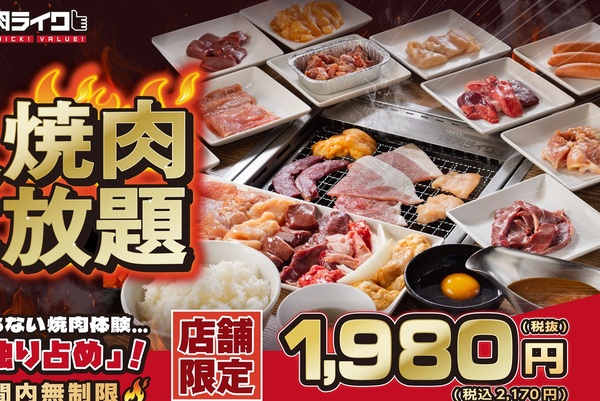
Specialized solo chains like Yakiniku Like began testing unlimited all-you-can-eat single-person formats starting at 2,170 yen, deploying dedicated, individual smokeless roaster grills built directly into personal counters. These down-draft vents draw smoke directly beneath the grate rim before it rises, preventing smells from settling into coats and suits. The format allows solo travelers or commuting workers to sit down, cook at their own tempo, and finish within an hour without reserving a full booth.
Late-night yakiniku dining in the Tokuyama market also bridges the gap between barbecue restaurants and traditional izakayas. Venues clustered near the station's Miyuki-dori and Ginza shopping streets run well past midnight. These kitchens serve late-night workers with combined drinking-and-grilling deals that offer unlimited draft beer, highballs, and offal plates for a flat, pre-calculated fee.
Securing Seats: Online Booking, Discounts, and Nomihoudai Rules
Walking into an all-you-can-eat venue on a Friday or Saturday night without a table reservation often means waiting an hour in the entryway. Most popular grills along the station corridor run on online table reservations via domestic platforms such as Hot Pepper, Gurunavi, or Google Maps integrations. Securing a slot two to three days early secures your seating window and often unlocks exclusive digital coupon codes, such as free soft drink upgrades or small group discounts.
Students studying at nearby campuses should keep university IDs on hand. Major chain buffets frequently post student discounts, knocking 300 to 500 yen off mid-tier plans when presented at checkout. Seniors aged 65 and above often receive automatic discounts of 10 to 20 percent on base menu tiers.
Understanding nomihoudai drink packages avoids unexpected bills at checkout. Drink packages run on strict guidelines:
- Every member at the table must join the drink package; individual opting-out is rarely permitted.
- "Last call" for drinks and meats occurs 20 minutes before your time window expires.
- Leftover food waste draws penalties. Leaving large piles of uneaten raw or cooked beef on the table can trigger a flat surcharge of 500 yen to 1,000 yen per plate.
Frequently Asked Questions (FAQ)
Q1: Are smokeless roaster grills effective at preventing smoke odor on clothing?
Modern down-draft smokeless roasters pull fumes downward into ventilation ducts beneath the table surface. While you will avoid sitting in a visible haze, minor food aromas still settle into fabrics. Most venues provide plastic storage bags under the booth seats to protect outerwear and backpacks.
Q2: Can solo diners easily access all-you-can-eat courses near Tokuyama Station?
Yes. While smaller private Wagyu shops sometimes mandate minimum two-person orders for buffets, mainstream grill houses and counter-style solo venues near the station readily accommodate single customers for tabehoudai menus.
Q3: How do restaurants enforce table time limits?
Table tablets feature a visible digital countdown clock. The screen typically locks ordering privileges 20 minutes before your time expires. Staff then bring the final tab to your table, leaving the remaining minutes for diners to finish cooked food on the grill.
Navigating Tokuyama's Grill Scene
Tokuyama's barbecue market delivers exceptional value if you align your budget with the right venue style. Stick to mid-tier menus if your focus is variety and everyday comfort cuts like tender harami and skirt steak. Move into premium domestic tiers only if you want marbled Kuroge Wagyu and plan to savor individual cuts without rushing through the clock. Solo counters offer unmatched speed for lone travelers, while central station izakaya-grills cater to lively groups sharing drinks late into the evening. Lock in an online reservation, double-check your course conditions, and you will experience one of western Japan's most dynamic regional grilling scenes.