The Ultimate Yokohama Knife-Shaved Noodle Guide: Menus, Heat Levels, and Station Access
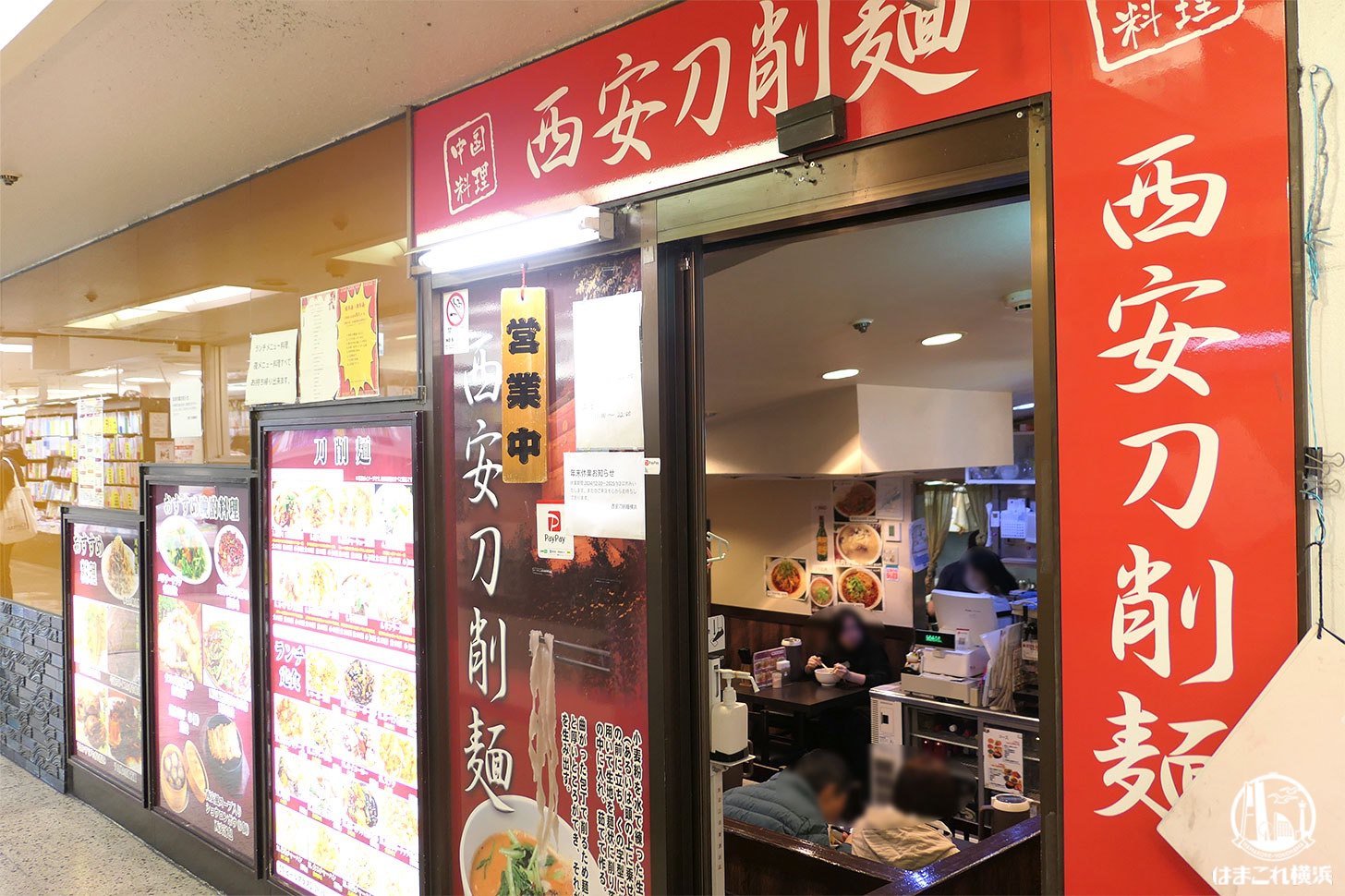
Commuters pushing through the bustling underground concourses of Yokohama Station face hundreds of quick-meal options, yet few dishes match the visceral appeal of freshly shaved Shanxi noodles slicked in crimson Sichuan oil. Known in Chinese as dao xiao mian, these hand-sliced ribbons of dough have migrated far beyond the historic alleys of Yokohama Chinatown, establishing an aggressive culinary foothold in the transit hub's West Exit basement corridors and adjacent dining complexes.
The culinary shift is driven by diners seeking substantial, chewy textures and unapologetic heat over conventional, delicate noodle bowls. Regional reporting underscores this appetite; a detailed Kanagawa Shimbun Report highlighted how premier regional kitchens like Kyokarou satisfy sweltering summer crowds with specialized chilled Sichuan tantan knife-shaved noodles, balancing rich sesame emulsion with minced pork and fermented greens. Local food critics, including Kanagawa gourmet reporter Yo Hashimoto, regularly point to Yokohama's dynamic transit network as a crucible for intense, localized regional Chinese dining.
📌 Key Takeaways:
- The Noodle Profile: Authentic dao xiao mian relies on firm wheat dough shaved straight into boiling cauldrons, yielding ribbons that are thick in the center and feather-thin at the edges.
- Heat Geography: Yokohama Station outposts offer adjustable mala heat levels, ranging from mild sesame profiles to tongue-numbing Sichuan peppercorn broths.
- Transit Efficiency: The premier knife-shaved noodle kitchens sit within a 3- to 8-minute walk from the JR Yokohama Station West Exit ticket gates, offering fast lunch turns under ¥1,200.
The Craft of Shanxi Dough Shaving in Kanagawa Transit Hubs
The hallmark of proper dao xiao mian is its geometry. The cook balances a dense, low-hydration wheat dough block on one shoulder or forearm, flicking a curved rectangular blade downward in rapid succession. Each stroke shaves a ribbon of dough directly into a vat of boiling water.
This technique creates a noodle cross-section resembling a willow leaf: thick and chewy in the center, delicate and ruffled on the edges. The ridged surface catches emulsified sesame sauces, chili oil droplets, and ground pork far better than machine-cut ramen or extruded soba. In Yokohama's fast-paced dining ecosystem, the theatrical craft doubles as a visual guarantee of freshness. The dough is never extruded or held over from the morning shift; it is carved to order.
Navigating the West Exit Corridors: Top Spots and Transit Times
Finding high-caliber knife-shaved noodles around Yokohama Station requires looking slightly past the central concourse ticket gates. Most established Chinese culinary houses concentrate along the West Exit's multi-level shopping matrices, spanning the underground Joinus walkways, the streets behind the Sotetsu line exits, and nearby commercial towers.
Kitchens affiliated with Chinatown royalty, most notably branches tied to Kyokarou, maintain outposts easily reached without braving street-level rain. For diners traveling on the Tokaido Line, Minatomirai Line, or Sotetsu Main Line, prime noodle counters sit within an eight-minute walk. Peak lunch services run from 11:30 AM to 1:30 PM, when office workers from nearby high-rises snap up counter seating for high-speed lunch sets.
Deciphering the Heat: Mala Spice Levels and Flavor Profiles
Ordering knife-shaved noodles without gauging your spice tolerance is a gamble. Sichuan-influenced shops rate their dishes along the traditional ma (the numbing vibration of hydroxy-alpha-sanshool in Sichuan peppercorns) and la (the sharp heat of dried chili peppers). The following operational guide compares staple orders across Yokohama Station's knife-shaved noodle circuit:
| Noodle Style & Profile | Core Broth & Seasoning | Mala Heat Rating | Typical Lunch Price | West Exit Walking Time |
|---|---|---|---|---|
| Sichuan TantanmenClassic rich lunch option | White sesame paste (zhima jiang), rayu chili oil, chicken bone stock | Medium (Level 3/5) | ¥950, ¥1,100 | 4, 6 minutes |
| Mala Beef Knife-ShavedSlow-braised brisket cut | Clear beef bone broth, whole red chilies, roasted green peppercorns | High (Level 4/5) | ¥1,050, ¥1,250 | 5, 7 minutes |
| Chilled Sichuan TantanSummer specialty format | Cold sesame emulsion, Zhenjiang black vinegar, fried garlic crisps | Moderate (Level 2/5) | ¥1,000, ¥1,180 | 3, 5 minutes |
| Tomato & Scrambled EggNon-spicy Shanxi comfort | Simmered fresh tomatoes, soft curd egg, scallion oil, light soy | Zero Heat (Level 0/5) | ¥900, ¥1,050 | 6, 8 minutes |
The Sichuan Blueprint: Yacai, Minced Pork, and Sesame Broth
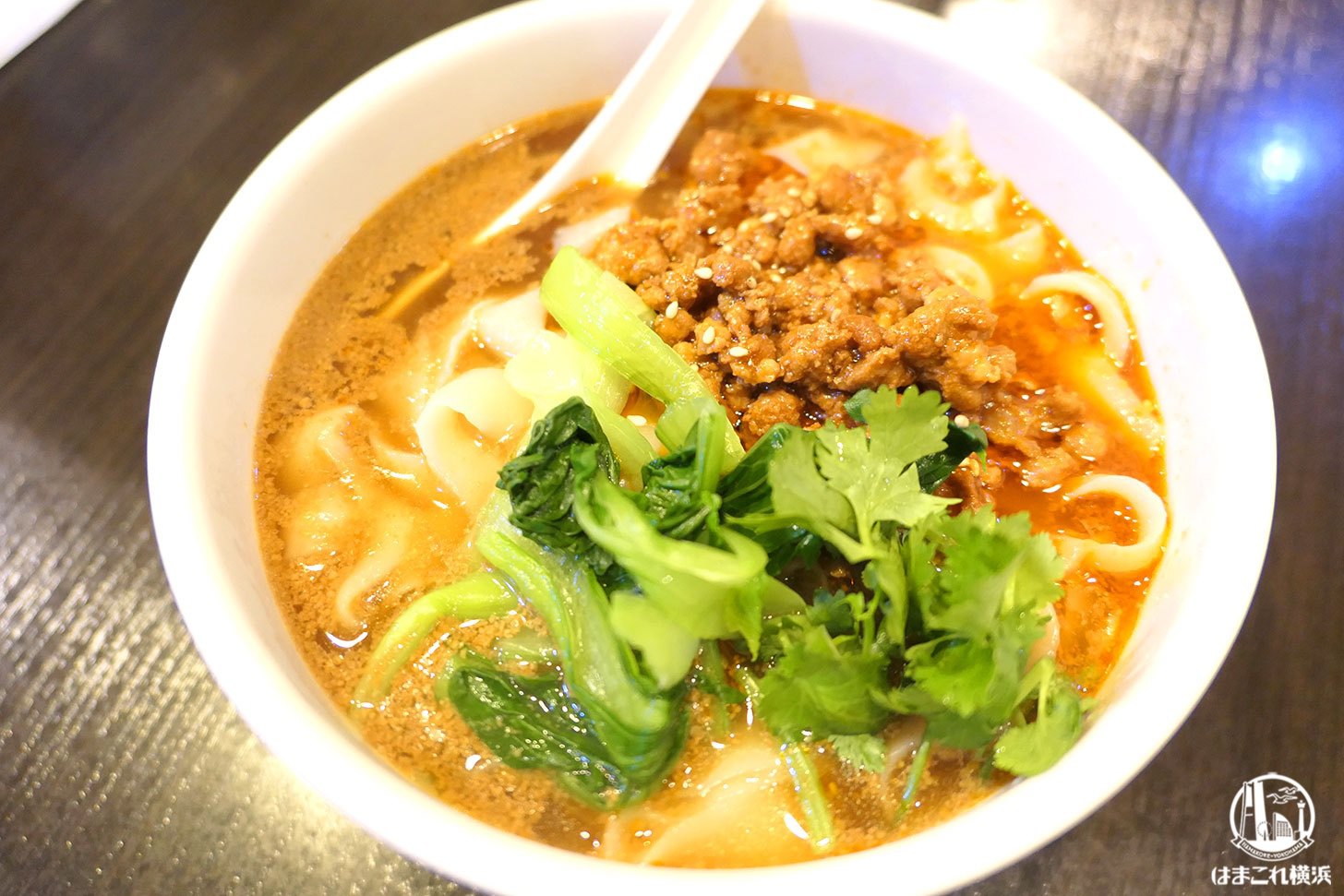
The foundation of Sichuan-style tantan dao xiao mian rests on yacai (芽菜), a fermented mustard green sourced from Yibin in southern Sichuan. To prepare the topping, chefs mince pork belly and brown it over high wok heat until the rendered fat runs clear. They fold in yacai, dark soy sauce, Shaoxing wine, and sweet bean paste, cooking the mixture down into a glistening, umami-dense savory crumble.
The soup base requires precise assembly in the serving bowl. Chefs place dense sesame paste (zhima jiang), crushed toasted sesame seeds, garlic mash, and black rice vinegar directly into the bottom of the bowl before whisking in a clean chicken or pork bone stock. The shaved noodles drop in straight from the boiling water, topped immediately with the spiced pork mixture, blanched bok choy, and house-made chili oil. Every chopstick lift drags creamy broth and pickled mustard greens into the ridges of the dough.
Chilled Summer Specialties vs. Searing Winter Broths
The noodle culture around Yokohama Station shifts dramatically between seasons. During the humid coastal summer stretching from June through September, demand pivots toward cold preparations. To make chilled tantan dao xiao mian, cooks plunge the freshly boiled dough into an ice bath, a process known as shime. Chilling tightens the starches, giving the thick center of the noodle an intensely al dente bite reminiscent of Sanuki udon while keeping the edges delicate.
Winter orders swing sharply toward sizzling earthenware pots. Boiling mala broths arrived bubbling vigorously at the counter, garnished with whole star anise, cassia bark, and unground Sichuan peppercorns. The thermal retention of the stone bowl means the noodles continue to absorb flavor at the table without degrading into mush, an inherent structural advantage of low-hydration shaved dough over delicate wheat ramen.
Smart Lunch Orders and Set-Menu Value Across the Transit Hub
Dining during the weekday lunch rush demands practical strategy. Between 11:30 AM and 1:00 PM, turnover is swift. Most counters offer lunch sets that bundle a full-sized bowl of dao xiao mian with half-portions of fried rice, steamed gyoza, or almond tofu for an additional ¥150 to ¥250.
Solo travelers should seek out shops with automated ticket vending machines (kenbaiki) or digital QR-code ordering systems at the counter. When customizing heat levels on digital panels, selecting chukara (medium spice) delivers an authentic heat profile without overpowering the nuanced sweetness of the sesame broth. Those sensitive to numbing pepper can request sansho hikaeme (light Sichuan pepper) to reduce the mouth-buzzing effect while retaining the aromatic chili oil.
Frequently Asked Questions (FAQ)
Q1: Are Yokohama knife-shaved noodle restaurants accessible for non-Japanese speakers?
Most establishments near Yokohama Station feature bilingual menus with full photographic guides and clear spice indicators. Automated ordering kiosks frequently support English, Chinese, and Korean toggles.
Q2: Can I adjust the noodle texture or oiliness when placing an order?
While noodle hardness is fixed due to the manual slicing process, cooks will adjust chili oil and broth richness upon request. Asking for abura sukame (less oil) results in a lighter broth.
Q3: How do knife-shaved noodles differ from standard Japanese tantanmen?
Japanese tantanmen typically uses thin, yellow, alkaline curly noodles served in an intensely sweet, mild sesame soup. Sichuan dao xiao mian features hand-cut ribbon noodles with wide, ruffled edges, paired with fermented yacai, sharper black vinegar, and authentic numbing Sichuan peppercorns.
Navigating Your Yokohama Noodle Route
Yokohama's knife-shaved noodle counters offer a compelling alternative to standard station ramen. The dish combines theatrical hand-cut craft with the complex aromatics of authentic Sichuan seasoning, surviving the intense commercial competition of Japan's busiest transit corridors. Whether ducking into the Joinus basement for a fast bowl of chilled tantanmen or settling into a neighborhood dining room for a bubbling clay pot of mala beef, navigating the West Exit's noodle counters delivers some of the most satisfying, high-heat dining in Kanagawa Prefecture.