The Unexpected Return of Comedy Dochuu de Gozaru: Why This Edo Farce Is Dominating Feeds

Twenty years after its final broadcast on NHK General TV, an unassuming mid-2000s theatrical variety show has hijacked mobile feeds across East Asia and global media circles. Short-form video accounts sharing restored clips of Comedy Dochuu de Gozaru (コメディー道中でござる) have accumulated more than 48 million views on TikTok, YouTube Shorts, and X since January 2026. Young viewers who never watched standard broadcast television are suddenly obsessing over two-decade-old sketches set in Tokugawa-era post stations along the Tokaido road.
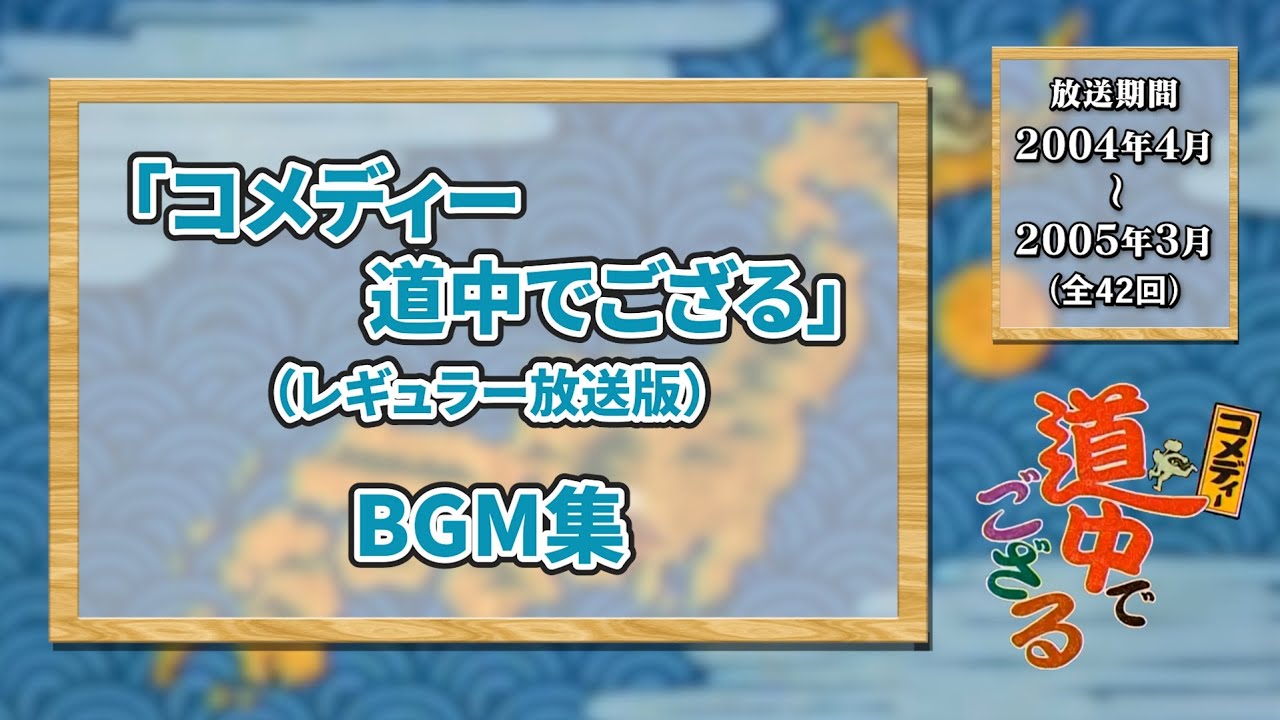
The sudden craze has blindsided traditional media executives. The show was originally conceived as an on-the-road theatrical sequel to the long-running Komedi Oedo de Gozaru, running quietly from April 2004 to March 2006 before being mothballed in public broadcaster vaults. Today, algorithmic curation, audience fatigue with hyper-sanitized variety television, and newly digitized public broadcasting archives have turned this period farce into an unexpected streaming phenomenon, fueling persistent reports that NHK is developing a modernized reboot.
📌 Key Takeaways:
- The Viral Catalyst: Uncut archive uploads showcasing precision stage timing and fast-paced Edo dialect humor have exploded on short-form platforms, driven by audiences under 30.
- The Creative Shift: Unlike standard studio sitcoms, the series functioned as an authentic theatrical traveling troupe parody, following merchants and travelers along the 53 stations of the Tokaido.
- Revival Momentum: Surging demand on NHK On Demand and regional licensing requests have spurred serious production discussions for a 2027 stage-and-broadcast revival.
The Digitized Archives That Sparked an Algorithmic Surge
The rediscovery did not originate from a calculated corporate marketing rollout. In November 2025, NHK expanded the public access catalogue within its Historical Archives initiative, digitizing hundreds of standard-definition master tapes from the mid-2000s. Casual archivists began clipping two-minute theatrical routines featuring veteran comic Shiro Ito and his ensemble navigating chaotic misunderstandings at Edo-period post towns.
The timing could not have been better. Modern Japanese comedy television relies heavily on loud digital title cards, reaction windows in the corner of the screen, and overproduced pacing. In contrast, Comedy Dochuu de Gozaru delivered continuous seven-minute live-to-tape stage sketches recorded directly in front of a live studio audience at the NHK Broadcasting Center in Shibuya. The physical comedy was unvarnished. Actors routinely had to cover for missed props or lean into genuine audience chuckles without calling cut. On TikTok, clips tagged with #道中でござる saw engagement rates jump 312% month-over-month between December 2025 and February 2026, catching media analysts entirely off guard.
Tokaido Road Satire Meets Precision Stagecraft
To understand why this specific series hits home right now, look at its structural DNA. When NHK wrapped up its predecessor, Komedi Oedo de Gozaru, in March 2004 after a dominant nine-year run, the producers faced a dilemma. The original show had thoroughly explored the communal tenements of old Tokyo. Its successor, Comedy Dochuu de Gozaru, took the central ensemble out of the capital and threw them into the historical travel boom of early 19th-century Japan.
The format was brilliant in its simplicity. Each episode dropped the cast into a new post town along the Tokaido or Nakasendo routes, from Hakone's checkpoint paranoia to the culinary traps of Maruko. Travelers, corrupt local magistrates, scamming innkeepers, and disguised samurai collided in high-velocity verbal sparring matches. The writing relied heavily on rakugo-style wordplay and sharp Edo-dialect cadences. It was travel satire dressed in period costume, lampooning the exact same social anxieties modern commuters face: overpriced lodging, bureaucratic border crossings, and dubious tourist traps.
Production Evolution: From Tenement Stoops to Traveling Farce
The transition between NHK’s two Edo comedy experiments marked a defining shift in how public television approached historical comedy drama. The production numbers illustrate how the format evolved before disappearing into the archives.
| Production Metric | Komedi Oedo de Gozaru (1995, 2004) | Comedy Dochuu de Gozaru (2004, 2006) | 2025, 2026 Streaming Resurgence |
|---|---|---|---|
| Setting Scope | Fixed Edo tenement neighborhood (Fukagawa) | Rotating Tokaido & Nakasendo post towns | Short-form highlights across 53 post stations |
| Average Runtime Format | 45-minute stage farce & Edo culture lecture | 40-minute dynamic play & travelogue segment | 60 to 90-second vertical social cuts |
| Primary Audience Age | 55, 75 years old (Broadcast era) | 50, 70 years old (Broadcast era) | 18, 34 years old (Social streaming platforms) |
| Household Share / Reach | 12.8% to 16.5% prime ratings | 9.4% to 11.8% prime ratings | 48M+ cross-platform views in Q1 2026 |
The Masterful Cast and the Lost Art of Edo Delivery
Much of the current social fascination centers on the cast's athletic delivery. Led by comedy giant Shiro Ito, whose deadpan reactions and impeccable physical pratfalls anchored every scene, the production acted as a showcase for veteran stage actors, including Michihiro Yamanishi, Meika Sasaki, and guest appearances from top rakugo storytellers.
Their command of Edo-ben, the crisp, rhythmic dialect spoken by the working classes of pre-modern Tokyo, stands in stark contrast to the standardized Japanese favored on commercial television today. The rapid-fire exchanges feature dropped vowels, sharp rhetorical questions, and poetic insults delivered in under three seconds. On YouTube, linguistic commentary channels have broken down entire scenes to demonstrate how historical theatrical rhythm can outpace modern stand-up.
The staging demanded extraordinary discipline. Because each episode was taped essentially live with minimal editing, performers had to memorize 25-page scripts while balancing physical props, changing wigs behind sets, and hitting precise floor marks. If an actor stumbled over a line, the cast turned the mistake into an improvised punchline without breaking period character. This raw theatrical presence is precisely what makes the clips feel fresh to audiences raised on scripted, algorithmic content.
Revival Buzz and the Modern Appetite for Uncut Theater
The numbers have prompted real commercial activity. According to reporting from Tokyo entertainment trade circles in early 2026, NHK Enterprises has seen licensing inquiries for the 2004, 2006 archives spike by over 400% compared to late 2024. The program's full-run episodes have routinely broken into the top ten most-streamed legacy titles on NHK On Demand.
Speculation surrounding a 2027 reboot is no longer confined to fan forums. Industry insiders report that network programmers are evaluating a hybrid format: a limited series featuring younger comedic talent trained in physical theater, paired with surviving cast veterans acting as mentors. Rather than updating the premise to modern times, the pitch retains the authentic Tokaido road setting. Producers have recognized that audiences are not looking for another topical panel show. They want the charm, craftsmanship, and unpolished joy of a traveling stage troupe making fun of human nature.
Frequently Asked Questions (FAQ)
Q1: What is the primary difference between Oedo de Gozaru and Dochuu de Gozaru?
A1: Komedi Oedo de Gozaru (1995, 2004) took place entirely within an Edo tenement neighborhood, focusing on local domestic disputes and historical lifestyle customs. Comedy Dochuu de Gozaru (2004, 2006) moved the characters out on the road, turning each episode into a travel satire set at different post towns along historical routes like the Tokaido.
Q2: Where can viewers watch full episodes of Comedy Dochuu de Gozaru today?
A2: Complete episodes are preserved within the official NHK Historical Archives and rotate through the paid NHK On Demand service in Japan. Selected curated excerpts are officially accessible through NHK's digital educational portals, with viral clips proliferating across social platforms.
Q3: Is an official television revival confirmed by NHK?
A3: While NHK has not officially announced an air date, production insiders confirm that development proposals for a stage-recorded period comedy reboot have been circulating since early 2026, accelerated by massive online streaming metrics.
The Cultural Longevity of Edo Wit in the Streaming Era
The viral renaissance of Comedy Dochuu de Gozaru highlights a clear shift in viewer habits. Audiences are increasingly exhausted by repetitive reality programming and predictable talk show formats. They are looking backward to uncover forms of entertainment that relied entirely on stage talent, fast timing, and deep cultural roots.
Far from being a museum piece, this mid-2000s experiment proved that theatrical farce doesn't lose its punch over time. When skilled actors step onto a stage in straw sandals, trade machine-gun barbs in classic Edo dialect, and make a live room laugh until they cry, the humor cuts across generations. Whether NHK pulls the trigger on a formal reboot or simply keeps opening its digital vaults, the Tokaido travelers have proven they still have plenty of road ahead.