The Viral DIY Craze: How Parents Transform Plain Indoor Shoes With Easy Hand-Drawn Illustrations
Every spring across Japan, preschool coatrooms witness identical scenes: dozens of cubbies packed with identical white rubber-soled slip-on shoes. Known as uwabaki, these ubiquitous canvas indoor shoes have formed the backbone of Japanese educational dress codes for decades. Yet over the past two years, those sterile toe caps have become prime real estate for a grass-roots design movement. Weary of confusing their children’s belongings in crowded preschool entryways, parents picked up waterproof acrylic paint and textile liners to transform standard-issue footwear into bespoke wearable illustration.
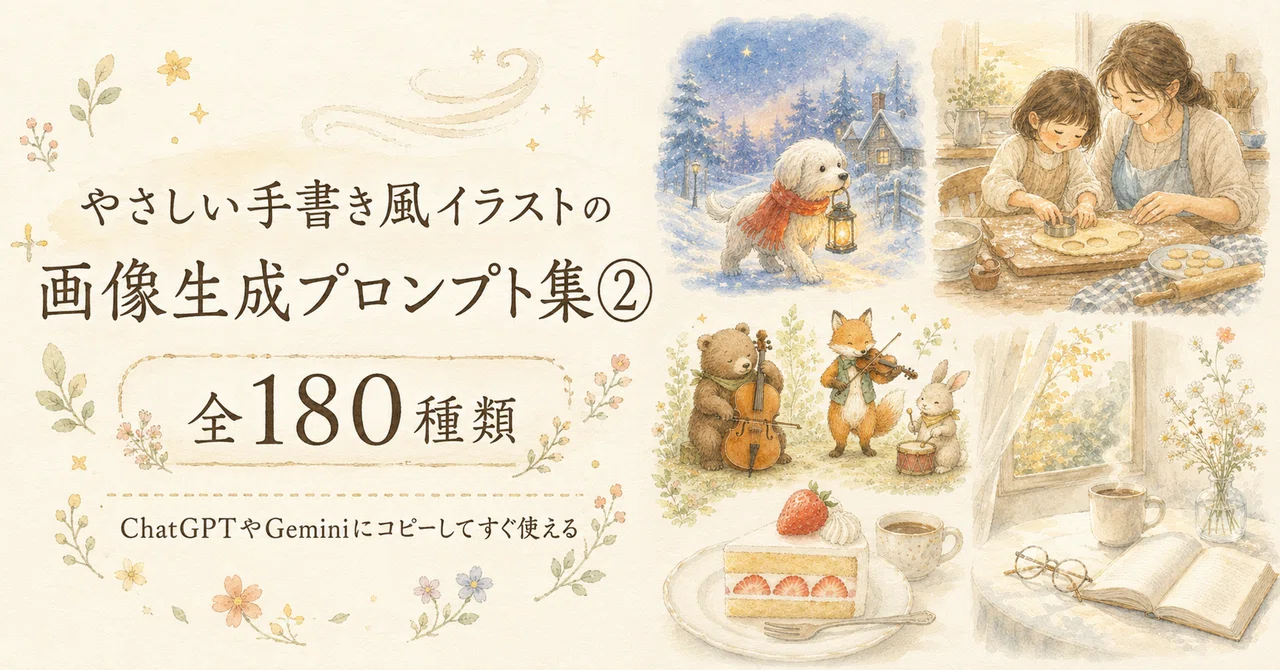
What began as a localized solution for nursery school name labeling has exploded into an international design phenomenon. As tracked by an analytical note Report exploring the surging popularity of warm, hand-drawn illustration aesthetics, the broader creative culture has visibly swung away from sterile factory prints toward the charm of hand-rendered linework. On Instagram, TikTok, and parenting message boards, amateur illustrators and tired parents share transfer methods, chemical sealers, and ink recipes to turn budget white canvas into custom sneakers that withstand playgrounds, spilled milk, and weekly scrubbing cycles.
📌 Key Takeaways:
- The Phenomenon: Hand-drawn uwabaki customization has transitioned from a practical nursery school labeling hack into an international DIY sneaker design movement.
- The Chemistry: Preventing feathered lines on raw canvas requires bleed-proof textile markers or primed acrylic washes rather than standard permanent alcohol markers.
- The Longevity Factor: Finishing painted canvas with Mod Podge shoe sealer or water-resistant clear topcoat protection preserves hand-drawn line art against aggressive weekly brush-scrubbing.
The Nursery School Ritual That Ignited a Global Craft Trend
Japanese daycare facilities (hoikuen) and kindergartens (yochien) mandate soft indoor footwear to maintain clean floors and establish clear boundaries between outdoor grit and communal learning spaces. Standard uwabaki cost between $5 and $12 per pair. They feature a durable rubber sole, a rubberized toe cap, and a plain unbleached or stark white cotton-twill upper. For three-year-olds who cannot read their own names in kanji or hiragana, rows of 30 identical white slip-ons present an immediate logistical hurdle.
Teachers frequently ask families to add visual markers to help children identify their own pairs and learn left from right. While commercial iron-on patches peel off within days and rubber stamps fade under friction, hand-drawn shoe designs emerged as the most durable alternative. Parents started sketching small motifs across the left and right toe boxes, such as half a watermelon on each shoe that forms a whole fruit when the feet press together. That clever spatial hack quickly escalated into intricate homages to storybook characters, native flora, and vintage cartoon aesthetics.
The Physics of Canvas: Stopping Bleed and Fabric Fiber Blur
Anyone who has pressed a standard permanent marker against unprimed cotton knows the disappointment that follows. Capillary action draws low-viscosity alcohol solvent rapidly outward along the twill weave, morphing a crisp 0.5-millimeter pupil into an indistinct dark bruise within seconds. Raw uwabaki canvas is highly absorbent, meaning ink control requires deliberate material selection.
Seasoned DIY customizers rely on two proven paths to stop bleed before it happens. The first involves bleed-proof textile markers, formulated with high-viscosity pigment suspensions that sit on top of woven threads rather than saturating them. Brands like Pebeo Setaskrib, Marvy Uchida Fabric Marker pens, and Posca pens on canvas deliver sharp edges because their water-based acrylic emulsions dry quickly upon contact with the fibers.
The second technique relies on pre-treatment. By lightly brushing the toe box with a 50/50 mix of fabric medium and water, or applying a thin mist of workable fixative, creators freeze the fibers in place. Once dry, the stiffened canvas acts much like hot-press watercolor paper, allowing ultra-fine line work without horizontal wicking.
Marker Chemistry Compared: Choosing the Right Medium for Canvas
Different paints and pens behave drastically differently once wet shoes meet playground puddles or hot utility sinks. The choice of coloring tool dictates line clarity, drying speed, and long-term wash resilience.
| Medium Type | Wash Durability (1, 10 Scale) | Bleed Resistance | Average Supply Cost |
|---|---|---|---|
| Standard Alcohol Markers (Sharpie) | 3 / 10 (Fades to purple, runs quickly) | Low (High capillary spread) | $2, $5 |
| Water-Based Acrylic Pens (Uni Posca) | 7 / 10 (High if sealed properly) | High (Forms a surface polymer layer) | $15, $25 (Multi-pack) |
| Waterproof Acrylic Paint + Textile Medium | 9 / 10 (Binds directly into cotton threads) | Very High (Full viscosity control) | $12, $20 |
| Dedicated Fabric Marker Pens (Pigment-Based) | 8 / 10 (Heat-set resilient) | High (Engineered for unprimed twill) | $10, $18 |

Mastering the Line Art Tracing Method Without Formal Training
Most parents are not trained draftspersons, yet social feeds showcase remarkably precise anime tributes, whimsical woodland creatures, and clean geometric motifs. The secret lies in a low-tech transfer process rather than freehand drawing on an awkward, curved surface.
Tracing begins with a fitted paper template. Crafters lay paper over the rounded toe box, rub the perimeter with a finger to establish the seam contours, and cut out the curved shape. Next, they sketch or print their desired line art directly onto the paper template. Shading the entire backside of the paper with a soft 4B or 6B graphite pencil creates a makeshift sheet of carbon paper.
When taped securely onto the uwabaki canvas, tracing firmly over the front lines transfers faint graphite outlines onto the white fabric. From there, outlining with an archival 0.3mm fabric marker pen locks in the design before any color fill begins. This line art tracing method eliminates proportion errors on the curved shoe surface and gives beginners confidence before putting permanent pigments down.
Locking in Color: Mod Podge and Clear Topcoat Protection
The weekly uwabaki wash is an institution in Japanese households. Every Friday afternoon, children bring their shoes home in cloth bags. Every weekend, parents or kids scrub them in laundry basins with solid bar soap (such as the alkaline staple Utamaro) and stiff plastic bristle brushes. Unprotected ink will not survive this ritual.
Sealing the artwork is therefore the most critical step of the process. Mod Podge shoe sealer or water-resistant outdoor decopatch glues form a flexible acrylic shield over the canvas. Crafters apply two to three paper-thin coats using a flat synthetic brush, waiting 30 minutes between coats. Heavy applications must be avoided; thick layers turn cloudy when exposed to warm water and can crack as the child flexes their foot.
After curing for 72 hours, heat setting provides an added layer of permanence. Running a household hairdryer on high heat over the toe box for two minutes cross-links the polymers in textile markers and paints. For heavy-duty longevity, a final misting of fluorocarbon-free water-repellent spray helps shed mud and dirty water during recess, keeping the underlying illustration vibrant through entire school semesters.
From Japanese Kindergartens to Global DIY Personalized Sneakers
The aesthetic has traveled far beyond Tokyo and Osaka nursery schools. As global fashion leans heavily into customization, casual crafters have realized that budget canvas shoes, from $15 knock-offs to classic Vans slip-ons and Converse chucks, serve as an accessible canvas for customized line art.
Customizer communities on Reddit and maker forums celebrate the low financial risk of the craft. Ruining an expensive pair of leather basketball sneakers with an errant brushstroke is an expensive mistake. Ruining a $6 pair of canvas slip-ons is an inexpensive lesson in paint dilution. Furthermore, uwabaki offer a flat, unbranded forefoot unencumbered by plastic swooshes, eyelets, or overlays, providing an uninterrupted drawing plane rarely found on Western sneakers.
The craze also reveals an ideological pushback against mass-produced apparel. In an era dominated by hyper-fast fashion drops, spending three hours illustrating a child's favorite dinosaur or painting delicate botanical vines creates personal, emotional attachment. The shoes become keepsakes tucked into storage boxes long after small feet outgrow them.
Frequently Asked Questions (FAQ)
Q1: Will hand-drawn uwabaki survive hot water washing with strong soap?
A1: Yes, provided the designs are made with pigment-based textile markers or acrylic paint mixed with fabric medium, then finished with a dedicated sealer like fabric Mod Podge. Avoid soaking the shoes in chlorine bleach or boiling water, which degrades acrylic topcoats regardless of quality.
Q2: Can regular Sharpie markers be used if sealed afterward?
A2: Standard alcohol-based Sharpies are not recommended. Alcohol inks feather aggressively on raw canvas weave and tend to break down into purple or yellowish halos over time. Water-based paint pens, such as Posca, or dedicated bleed-proof textile markers yield far sharper lines and maintain their true colors.
Q3: How do you prevent paint on canvas shoes from cracking when walking?
A3: Apply multiple thin coats rather than one thick layer of paint. Thick paint forms a brittle crust that shears under foot flexion. Blending heavy-body acrylics with a flexible fabric medium preserves the natural stretch and bend of the cotton fibers.
The Enduring Appeal of Wearable Folk Art
The viral spread of custom hand-drawn uwabaki highlights how domestic necessity can spark widespread artistic ingenuity. What began as a practical solution to cubby-room confusion has evolved into a beloved parenting craft and an entry point for aspiring sneaker customizers worldwide. Armed with a basic tracing template, a handful of water-based paint pens, and a reliable protective sealer, parents continue to prove that the most meaningful designs rarely arrive from a factory assembly line, they are drawn at kitchen tables, one shoe at a time.