Tokyo Dome Live Camera Guide: How to Check Gate Lines, Weather, and Crowds
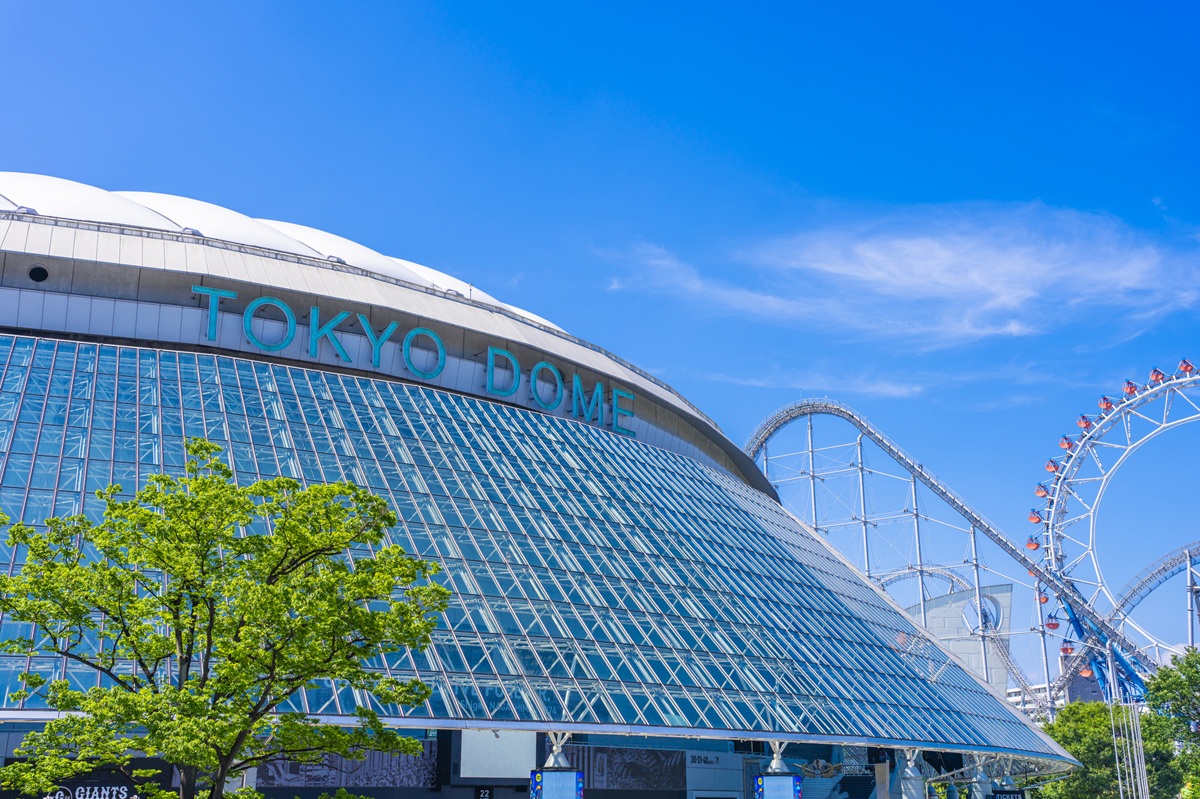
When 55,000 ticket holders converge on Bunkyo Ward for high-profile stadium performances, navigating the concourses around Tokyo Dome can turn into an endurance test. During Arashi’s final stadium concert on May 31, 2026, social platforms erupted as thousands watched the perimeter cameras, stunned by the sheer density of spectators packed outside the gates, an event captured in an ITmedia Report detailing the viral spectacle. Similar surges swept through the plaza during Nogizaka46's 14th anniversary concerts earlier that month and INI’s 100,000-fan, two-day stadium run in September, proving that guessing your arrival timing often leads to hours stuck on crowded pedestrian bridges.
Modern event navigation now relies on real-time visual verification. By tapping into official live stream feeds and surrounding urban feeds, visitors can track entry flow, monitor volatile weather patterns, and avoid stalled pedestrian choke points before stepping off the train.
📌 Key Takeaways:
- Visual Verification: The Tokyo Dome live camera network provides real-time visibility into Gate 22 lines, merchandise plazas, and perimeter walkways.
- Peak Congestion Triggers: Major acts like Arashi, Nogizaka46, and INI trigger massive pedestrian jams at Suidobashi Station up to four hours prior to showtime.
- Actionable Route Planning: Cross-referencing webcams with local radar lets attendees swap congested bridge routes for smoother northern approaches via Korakuen or Kasuga stations.
The Visual Network Surrounding Tokyo Dome City
Tokyo Dome City operates multiple fixed camera feeds that document the district's continuous foot traffic. Unlike static transport advisories that update on delayed schedules, these live streams reveal ground realities in high definition. The main feeds point across the sprawling pedestrian concourses connecting the arena to nearby entertainment complexes, dining pavilions, and transit terminals.
The primary vantage point monitors the central plaza outside the stadium’s main entrance. Secondary angles, including surrounding Korakuen area webcams, track movement across the elevated walkway network that links the complex to shopping hubs and train corridors. Reviewing these vantage points gives fans an unvarnished look at how pedestrian density fluctuates between early morning merchandise drops and late-afternoon gate openings.
Reading the Gate 22 Entrance Queue and Merchandise Logjams
Gate 22 serves as the symbolic and operational focal point of Tokyo Dome. Positioned directly opposite the main pedestrian decks, this entrance handles massive swells of foot traffic on performance days. When doors unlock two hours before curtain call, lines can snake several hundred meters back toward the baseball hall of fame and adjacent restaurant plazas.
A focused check on the Gate 22 entrance queue reveals whether staff have implemented perimeter holding pens. If security barricades are actively dividing crowds into zig-zag switchbacks, clearance times generally run between 25 and 45 minutes. When lines extend beyond the outer ring road into the lower concourses, entering via secondary access points like Gate 20 or Gate 24 often saves significant time, provided ticket conditions permit alternative entry.
Merchandise line status presents an entirely different challenge. For high-demand stops such as IVE's sold-out performances or anniversary tours, fans assemble at dawn. The morning live broadcast quickly reveals whether standard outdoor queues have wrapped completely around Prism Hall. Spotting an immobile merchandise snake on camera is your immediate cue to abandon impromptu queueing and rely instead on post-event mobile order pickups or stadium concourse stalls.
Station Choke Points: Suidobashi Versus Northern Subway Influx
The choice of transit approach dictates whether your arrival feels smooth or claustrophobic. JR Suidobashi Station remains the primary funnel, dumping tens of thousands onto a single elevated bridge spanning the Kanda River. When pedestrian gridlock hits that crossing, the entire southern corridor grinds to a halt.
Foot-traffic monitoring reveals clear disparities across access routes throughout event afternoons:
| Transit Hub & Route | Peak Congestion Window | Typical Walk Time | Camera Visibility |
|---|---|---|---|
| JR Suidobashi (East Exit Bridge) | 15:30, 18:00 | 12, 25 minutes (congested) | High (Southern Plaza view) |
| Mita Line Suidobashi (Exit A2) | 16:00, 18:00 | 6, 12 minutes | Moderate (Street level) |
| Marunouchi / Namboku Korakuen | 16:30, 18:00 | 5, 10 minutes | High (Northern deck cameras) |
| Oedo Line Kasuga Station | 16:45, 18:00 | 8, 14 minutes | Low (Subterranean approach) |
Checking Suidobashi Station pedestrian traffic via live crowd monitoring feeds shows when the bridge reaches maximum capacity. When images show solid walls of people along the JR bridge, rerouting via Kasuga or Korakuen allows you to enter the grounds from the northern perimeter, bypassing thousands of stranded commuters.

Pairing Live Video with Tokyo Dome Weather Radar
Tokyo Dome is an air-supported structure kept inflated by internal air pressure. Strong exterior wind gusts and sudden localized downpours frequently disrupt the open-air concourses. Rain fronts sweeping across central Tokyo can transform outdoor queueing areas into wet bottlenecks within minutes.
Correlating an official live stream feed with local Doppler radar reveals conditions that static forecasts miss. Summer thunderstorms along the Kanda basin create immediate shelter shortages. By watching the cameras, you can observe whether umbrellas have sprouted across the plaza or whether crowds are stampeding toward indoor corridors inside LaQua. If rain approaches on radar while queues remain uncovered outside Gate 22, taking refuge inside the underground shopping complex before heading to the turnstiles prevents a thoroughly soaked concert experience.
Lessons from 2026 Mega-Events
The record crowds of 2026 underscored how quickly outdoor spaces reach physical limits. Arashi’s historic finale on May 31 packed the precinct with tens of thousands of ticketless well-wishers alongside verified attendees. The official camera feeds turned into an essential coordination tool for Tokyo Metropolitan Police, who broadcast live crowd diversion notices as fan numbers surged well past safe limits.
Two weeks earlier, Nogizaka46 celebrated their 14th anniversary with a landmark 50,000-seat stadium performance, generating massive lines around tribute booths and exclusive tour photo walls. In September, boyband INI brought 100,000 attendees to the venue across two days for their City of Lights tour, testing entry infrastructure with complex digital ticketing checks that slowed physical turnstile throughput. In every scenario, remote observers who checked the cameras 90 minutes before gate openings consistently bypassed the longest delays by identifying empty peripheral gates and less crowded side stairs.
Frequently Asked Questions (FAQ)
Q1: Where can I access official Tokyo Dome live cameras online?
A1: Official real-time feeds are hosted directly on the Tokyo Dome City web portal and broadcast platforms, with companion camera feeds maintained by metropolitan weather services and municipal Bunkyo transport networks.
Q2: How far in advance do live cameras show severe entry congestion?
A2: Serious bottlenecks become visible between two and three hours prior to event start times, particularly when merchandise queues converge with early general admission crowds around the Gate 22 promenade.
Q3: Does rainy weather alter which gate entrances move fastest?
A3: Yes. Rain forces outdoor ticket holders under covered balconies, slowing clearance at exposed turnstiles. In wet conditions, covered northern gates accessed via Korakuen Station generally process visitors faster than exposed southern gates near Suidobashi.
Smart Navigation for Your Next Dome Visit
Attending a headline event under the Big Egg should center on the spectacle inside, not endless hours trapped on concrete ramps. Real-time visual tools have changed the game for regular concertgoers and first-time travelers alike. Taking thirty seconds to pull up the cameras while riding the subway gives you the visual intelligence needed to dodge swollen queues, steer clear of station crushes, and stroll straight to your seat.