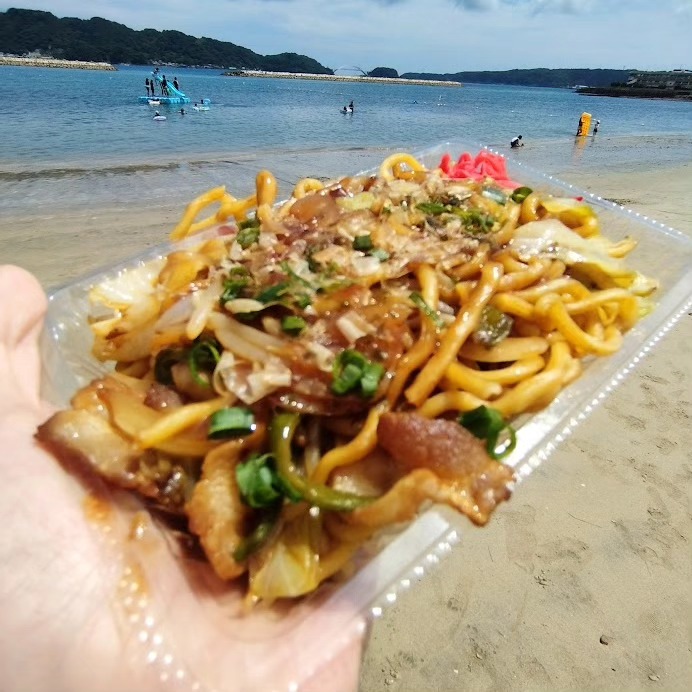
Top Fishing and Camping Locations Featured by Izu no Nushi Tsuri
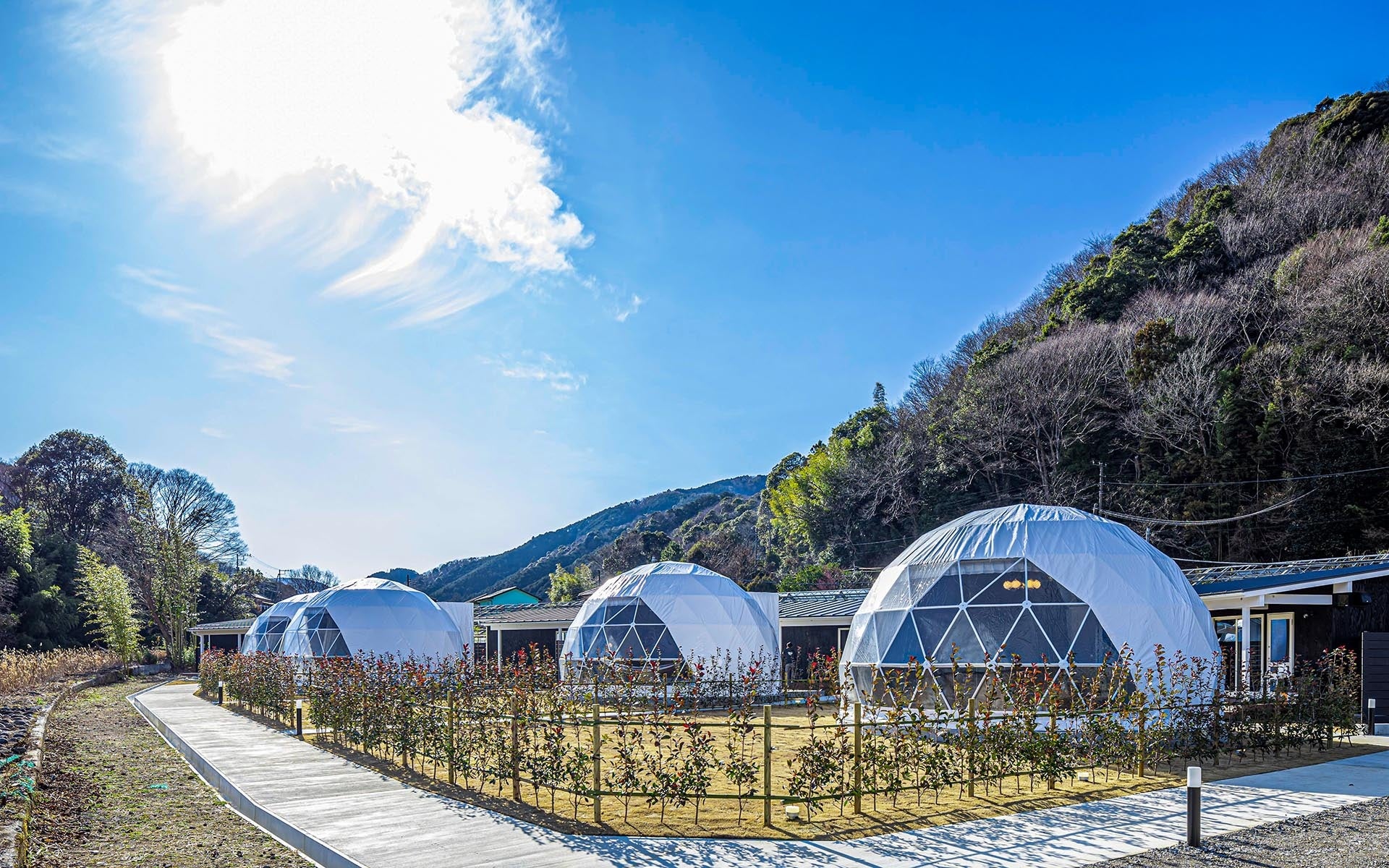
Perched along the volcanic ridges and jagged sea cliffs of Shizuoka Prefecture, the Izu Peninsula has quietly rewritten the rules of modern Japanese camping and angling culture. Much of this cultural resurgence traces back to a creative duo whose cinematic videos turned wet waders, crackling campfire embers, and icy local lagers into an art form. Through the wildly popular Izu no Nushi Tsuri YouTube channel, creators Ryoma and Yamato have moved past sterile tutorial videos, showing viewers how to catch fresh seafood off sheer coastal drops and cook elaborate meals on hand-built campfires deep in the Japanese wilderness.
Their visual storytelling bridges the gap between solitary wilderness bushcraft and camp cooking, pulling millions of viewers into the raw elements of coastal Shizuoka. As highlighted in an investigative MSN Report documenting their regional impact, the pair have redirected national attention away from crowded hot-spring resorts toward isolated headlands, clear mountain streams, and rugged backcountry clearings across the peninsula.
📌 Key Takeaways:
- The Movement: Izu no Nushi Tsuri turned coastal shore angling and minimalist camp feasts into a national lifestyle trend across Japan.
- The Terrain: Prime regional destinations split between turbulent Western Izu rock shores and sheltered Central Izu river corridors.
- The Impact: Regional outdoor tourism is shifting toward low-impact, sustainable ecotourism in Izu that revitalizes local businesses while protecting marine stocks.
How Two Coastal Anglers Transformed Camp Cooking and Shore Fishing
The rise of Izu no Nushi Tsuri coincided with a systemic shift in how Japanese urbanites spend their weekends. For decades, outdoor television in Japan stuck to rigid, corporate-sponsored gear demonstrations. Ryoma and Yamato broke that mold entirely. Their videos showcase dirt under the fingernails, wind whipping across sea stacks, and the sizzle of wild garlic butter in heavy iron skillets. The format strikes an immediate chord: hike into a secluded spot, cast directly from wave-pounded rocks, set up a tarp, and celebrate with craft beer.
Their approach blends bushcraft traditions with modern culinary indulgence. Instead of freeze-dried camp meals, the duo preps multi-course wilderness spreads. They roast whole rockfish over open flames, chop fresh sashimi on rough-hewn cedar planks, and pair their meals with regional brews. This distinct aesthetic sparked the growth of their lifestyle brand, Hills Field, whose titanium outdoor cups and heavy iron cookware routinely sell out within minutes of release. They turned camp cooking into a sensory ritual.
West Izu Coastal Headlands: Rock Shore Casting and Tactical Eging
The western coastline of the Izu Peninsula offers some of the most dramatic geological terrain in mainland Japan. Steep volcanic cliffs drop straight into deep water, exposing anglers to strong oceanic currents that push baitfish right up to the rocks. West Izu stands as the epicenter for rock shore casting and eging, particularly around coastal villages like Kumomi and Matsuzaki.
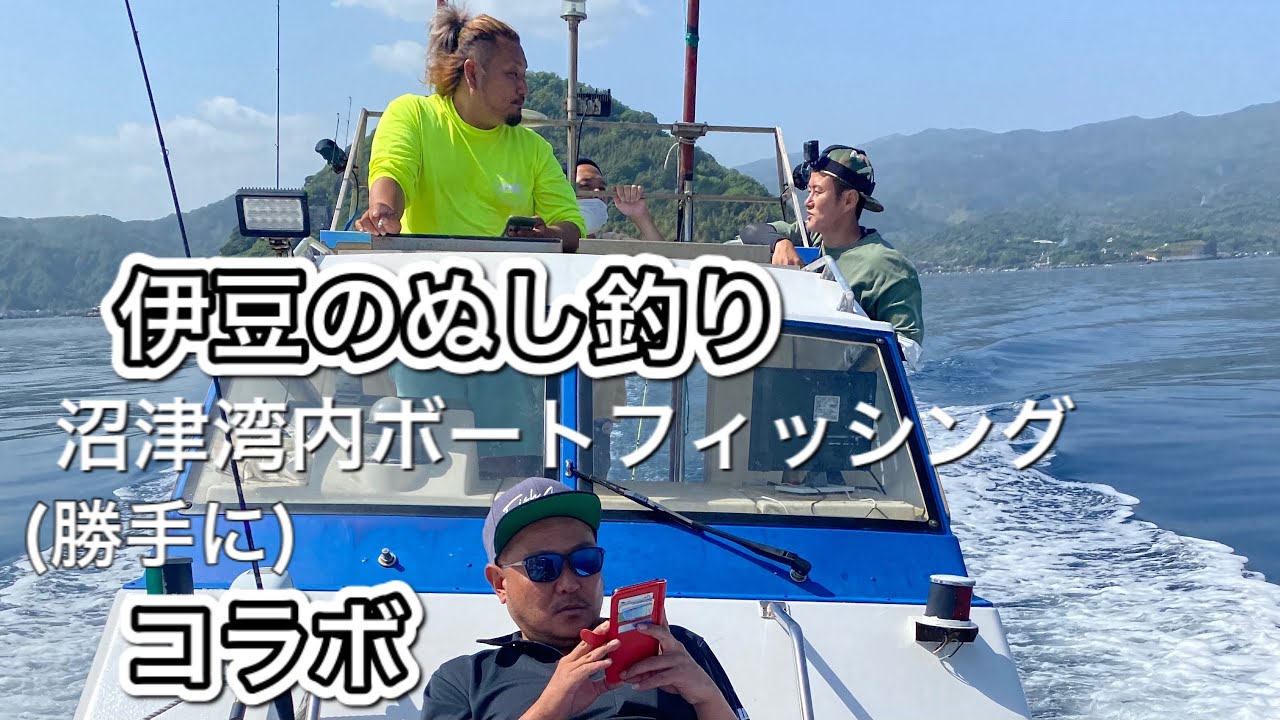
Targeting bigfin reef squid (Aori-ika) requires precision and stamina. Professional anglers like Masataka Yukawa have documented the tactical intensity of this coast during high-stakes fishing exhibitions off Kumomi's outer reefs. Reaching the best ledges often demands an *isowatashi* (rock-hopping ferry charter) to drop anglers directly onto isolated sea stacks. Using specialized 8.6-foot medium-light rods and size 3.5 squid jigs (egi), anglers read tidal rips across submerged rock shelves. The same sheer drops yield hard-fighting yellowtail, amberjack, and red sea bream for those running heavy saltwater bank fishing techniques.
Central Izu Clearings: Riverside Campsite Havens and Bushcraft Baselines
Moving inland from the rocky coast leads into deep cedar forests and rushing mountain waters. Central Izu, particularly around the Kano River drainage and the crystal-clear Omi River, presents a different outdoor environment. This is where freshwater angling and forest basecamps take priority over saltwater surf.
Riverside campsite recommendations across this corridor balance untamed natural clearings with curated outdoor facilities. The Omi River basin in Izu City has seen a surge in riverside eco-campsites and dedicated angler retreats, such as the Nakaizu Fishing Resort Gran In. These destinations allow travelers to pitch canvas tents right next to running water, cast micro-spoons for native amago trout, and relax by riverbanks surrounded by dense mountain laurel. Inland spots offer natural protection when coastal gales make ocean cliffs too hazardous to fish.
Comparing Top Outdoor Spots Featured by Izu no Nushi Tsuri
| Location & Sector | Target Species | Camp Environment | Required Gear Setup |
|---|---|---|---|
| Kumomi Coastal Rocks(West Izu) | Bigfin Reef Squid, Yellowtail, Rockfish | Exposed rock platforms, ferry access only; backcountry day camps | Spike boots, flotation vest, PE 0.8 line, 3.5 egi jigs |
| Omi River Corridor(Central Izu) | Native Amago Trout, Sweetfish (Ayu) | Forested riverbanks, gravel bars, dispersed turf pitches | Ultralight stream rod, 2g spoons, cast iron skillet setup |
| Kawazu Coastal Bluff(East Izu) | Black Seabream, Striped Bonito, Sea Bass | Ocean-view bluffs, developed sites with natural windbreaks | Medium-heavy shore jigging rod (40, 60g metal jigs) |
| Southern Minamiizu(Cape Irozaki Sector) | Greater Amberjack, Moray, Bluefin Trevally | Rugged headland trails, primitive cliffside pitches | Heavy bottom tackle (bukkomi rigs), steel leaders, heavy sinkers |
Mainstream Media Crossover: The Happy Cam Season 50 Feature
The underground bushcraft following of Izu no Nushi Tsuri crossed into mainstream entertainment through their high-profile collaboration with the television series *Happy Cam*. For its milestone 50th broadcast season, the variety show hosted by comedy duo Ogiyahagi invited Ryoma and Yamato to lead a guided expedition across the Izu Peninsula. The broadcast showcased their signature style to television audiences across the country.
Rather than relying on polished production sets, the episodes immersed mainstream entertainers in hands-on firecraft, shoreline casting, and spontaneous outdoor cooking. The show took viewers along remote pebble beaches and steep forestry tracks that regular tourists rarely see. The broadcast confirmed how deeply local content creators can reshape regional travel interest, turning an overlooked fishing corner into a major destination for younger Japanese campers.
Local Tackle Setups and Campfire Menus Built for the Coastal Wild
Recreating the outdoor lifestyle seen on the channel requires a balance between lightweight gear and field-tested durability. Anglers fishing the Izu shoreline face unpredictable wave swells and jagged rock surfaces. Local angling gear and tackle setups rely on abrasive-resistant fluorocarbon shock leaders, spiked wading boots for traction on wet kelp, and manual-inflation life jackets designed for freedom of movement.
For bottom fishing off headlands, many anglers use heavy *bukkomi* tactics, casting cut bait into deep holes to target moray eels and giant reef fish. Once back at camp, those catches become the center of outdoor feasts. The channel popularized an uncompromising camp kitchen: thick-gauge frying pans that hold steady heat over open hardwood fires, accompanied by cold cans of Shizuoka-brewed craft beer. Cooking outdoors here is treated as an active craft, not an afterthought.
Balancing Surging Outdoor Crowds with Peninsula Conservation
The surge of campers heading into the peninsula has brought economic opportunities alongside environmental challenges. Reports from the Nihon Keizai Shimbun point out that regional tourism startups are redefining how visitors experience Shizuoka's natural assets. Companies are moving away from aging bathhouse resorts toward structured marine tours, guided fishery experiences, and low-impact campsites.
With thousands of travelers visiting pristine coastal access points, maintaining clean shorelines has become an urgent local priority. Trash left on rocky shores and overcrowded boat ramps have sparked access restrictions in several sensitive bays across Eastern Japan. In response, regional conservation groups and creator collectives regularly organize coastal cleanups. Sustainable ecotourism in Izu relies directly on individual discipline: hauling out all personal waste, using portable fire pits to avoid scorching the soil, and honoring catch-and-release practices for immature reef species.
Frequently Asked Questions (FAQ)
Q1: What is the best season to fish and camp across the Izu Peninsula?
A1: Autumn (late September through November) offers the best balance. Water temperatures remain warm enough for active squid eging and offshore pelagic runs, while air temperatures drop to comfortable levels for campfire cooking and tent camping.
Q2: Do international visitors need special fishing permits for saltwater angling in Izu?
A2: Coastal saltwater shore fishing in Japan generally does not require a national angling permit. However, specific freshwater rivers (such as the Kano River) require daily recreational fishing permits (yugyoken), and specific bays enforce strict bans on harvesting sea urchins, abalone, or spiny lobsters due to commercial fishery rights.
Q3: How difficult is it to reach the coastal rock fishing spots shown on YouTube?
A3: Many of the prime rock ledges in West and South Izu require challenging hikes down steep, unmarked goat trails or professional rock ferry transport (*isowatashi*). Beginners should stick to established fishing piers or camp at managed seaside facilities before attempting offshore rock platforms.
Exploring the Izu Peninsula Safely and Responsibly
The outdoor movement popularized by Izu no Nushi Tsuri shows how deep regional exploration can be when you step off paved tourist routes. Experiencing the peninsula through their lens requires respect for both the sea and local communities. Pack reliable safety gear, invest in heavy-duty footwear, learn the tides before stepping onto exposed reef shelves, and leave every riverbank and coastline cleaner than you found it.