Tour Schedule Rush: Latest Hamamatsu Madowaku Seating & Entry Updates
Touring artists across Japan frequently route through Shizuoka to bridge the transit gap between Tokyo and Nagoya. At the center of that circuit sits LiveHouse Hamamatsu Madowaku, an intimate staple of the Tokai live music circuit known for raw acoustics and proximity to the stage. With the 2026 national tour calendar packing indie headliners and major label acts into the venue, concertgoers face competitive ticket drops, shifting standing-room rules, and rapid line cutoffs.
Navigating Madowaku requires understanding how its internal space flexes between rowed chairs and an open pit. Securing a prime sightline or clearing the entry doors without losing your coat-check window demands precise timing, especially when nationwide tours pack the floor to maximum capacity.
📌 Quick Summary:
- Capacity Reality: The hall holds roughly 450 to 500 attendees standing, but shrinks down to roughly 150 to 200 seats for reserved seating chart layouts.
- Entry Dynamics: Admission follows strict sequential ticket numbering (seiribangou) called outside along the street sidewalk; missing your digit means forfeiting floor position.
- Facility Logistics: Internal coin lockers are limited and sit beyond the ticket barrier, making station lockers at JR Hamamatsu Station the safer bet for winter outerwear.
Floor Map Architecture and Seating Capacity Realities
LiveHouse Hamamatsu Madowaku operates as a single-room hall with an elevated stage measuring roughly 80 to 90 centimeters above the floor. This elevation gives attendees clear stage visibility and sightlines even from midway back. When configured for high-energy rock acts, the venue eliminates all ground seating. Standing capacity caps out between 450 and 500 patrons, depending on stage extension requirements and console placement.
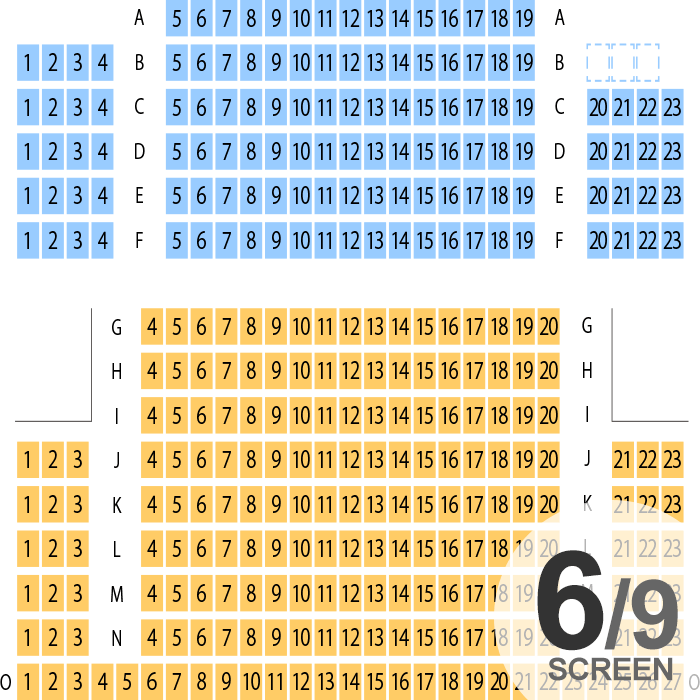
Acoustic and jazz showcases use a seated floor plan. Staff arrange folding chairs into rows labeled alphabetically from Row A at the front barricade back to Row J or L, with a central aisle dividing left and right blocks. This layout trims total capacity to roughly 150 to 200 seats. Because the floor lacks a permanent rake or tier, tall spectators in front rows can occasionally obstruct sightlines from rows E through H. For seated gigs, sound engineers recommend aiming for rows C through F in seats 7 through 14, where audience ears align directly with the primary line-array PA speakers.
Admission Line Order Tips and Entry Ticket Protocols
Admission does not operate on a first-come, first-served queue outside the doors. Your ticket displays an admission number, or seiribangou, typically formatted as A1, A100, B1, B100, followed by general admission numbers. Staff begin calling ticket numbers roughly 15 to 30 minutes before official doors open. They assemble groups on the pavement outside the building entrance along the street curb.
Showing up late creates immediate disadvantages. If staff calls number A45 and you arrive while they summon A80, you cannot push through to reclaim an A45 spot. You must enter behind the current number called. When staff clear your ticket at the front threshold, prepare your standard drink fee in cash. In 2026, the drink counter fee policy remains fixed at ¥600 (exact change accelerates the queue). You receive a token or plastic chip exchangeable at the rear beverage counter for soft drinks, draft beer, or canned beverages.
Evaluating Sightlines, Barrier Spacing, and Acoustic Sweet Spots
The distance between the stage lip and the front row barrier spacing measures barely one meter, giving rail holders direct proximity to performers. Front-row enthusiasts typically reach the barricade with ticket numbers 1 through 30. The rail accommodates roughly 15 to 18 people across before pushing attendees toward the side walls where stage lighting rigs can restrict angled views.
| Viewing Zone | Capacity Range | Sightline & Sound Quality |
|---|---|---|
| Front Rail (Barricade) | 15, 18 people | Unobstructed direct view; stage monitor sound heavy; intense bass pressure. |
| Center Floor (Rows 3, 7) | 80, 120 people | Prime acoustic balance; direct line to vocals; high-density crowd zone. |
| PA Soundboard Perimeter | 40, 60 people | Acoustic sweet spot; balanced stereo mix; slightly elevated view over heads. |
| Rear Floor & Drink Bar | 100, 150 people | High foot traffic near bar; flat elevation challenges visibility for shorter fans. |
For purists prioritizing audio definition over crowd surges, the acoustic sweet spot sits immediately in front of the sound engineer's mixing console, roughly two-thirds back along the central axis. Sound technicians calibrate the room's balance from this position. High frequencies disperse cleanly without the vocal masking often encountered by the front-row barricade, where overhead PA speakers fire slightly past the first rows.

Locker Availability, Cloakroom Logistics, and Entry Rush
Storage space inside Madowaku is notoriously limited. The venue houses roughly 60 small coin lockers costing ¥300 per cycle. These lockers sit inside the venue lobby past ticket inspection. Attempting to claim an internal locker while entering on an early ticket number forces a difficult compromise: stopping to stow a backpack sacrifices five to ten positions on the floor, losing the front rail you drew on your ticket.
During sold-out winter tours when heavy coats overwhelm the coin units, management occasionally runs a temporary cloakroom service for ¥500 per plastic garbage bag. This service remains contingent on staffing levels and is not guaranteed for every performance. Savvy gig goers avoid the venue storage scramble altogether by utilizing the extensive locker banks at JR Hamamatsu Station before walking over to the venue.
Navigating Transit from Hamamatsu Station
Reaching LiveHouse Hamamatsu Madowaku on foot takes roughly 8 to 10 minutes from JR Hamamatsu Station (North Exit) or the Entetsu Railway Dai-Genba Station. Exit the JR concourse through the North Exit, heading past the bus terminal loop toward Act City. Follow the street north toward the Kajimachi commercial district.
The venue exterior features a recognizable narrow frontage with a distinct logo facade. Convenience stores along the route offer quick ATM cash withdrawals for door fees and merch purchases. Entering fans should remember that lines form on narrow public walkways. Venue security directs queues along neighboring building perimeters to keep storefronts accessible, so keeping chatter low and adhering to line marshals prevents neighbor disputes that frequently trouble small downtown venues.
Frequently Asked Questions (FAQ)
Q1: What happens if I miss my ticket number during the door opening call?
A1: You forfeit your numerical priority. Once your number passes, you must report to the door marshal and enter behind whichever group is currently stepping across the threshold.
Q2: Can I pay my mandatory drink fee with digital transit cards (Suica/Pasmo) or credit cards?
A2: Most standard club tours at Madowaku require ¥600 in cash at the door. Some touring productions support digital payment at the merch table, but door beverage tokens remain cash-first operations.
Q3: Is re-entry permitted after checking tickets and paying the drink fee?
A3: Standard venue rules prohibit re-entry once you cross the ticket barrier. Leaving the premises generally terminates your admission, requiring a full replacement ticket if the show is not sold out.
Q4: Are there steps or ramps for wheelchair users?
A4: Madowaku has flat ground-floor entry access from street level, but internal floor transitions and tight front-door corridors require advance coordination. Contact the venue management office at least 48 hours prior to show day so staff can reserve barrier space.
Planning Your Show Day at Hamamatsu Madowaku
Securing a spot at LiveHouse Hamamatsu Madowaku comes down to managing the physical constraints of an independent room. Stash heavy baggage inside the train station concourse, hold exact cash for the drink token before walking up Kajimachi street, and assemble on the curb ten minutes before door time. Whether leaning on the front rail or standing beside the mixing desk, understanding the room's layout transforms a chaotic tour date into a first-rate live music experience.