Ultimate Guide to Tanukiya Bunbuku: Folklore, Meaning, and Must-Visit Destinations
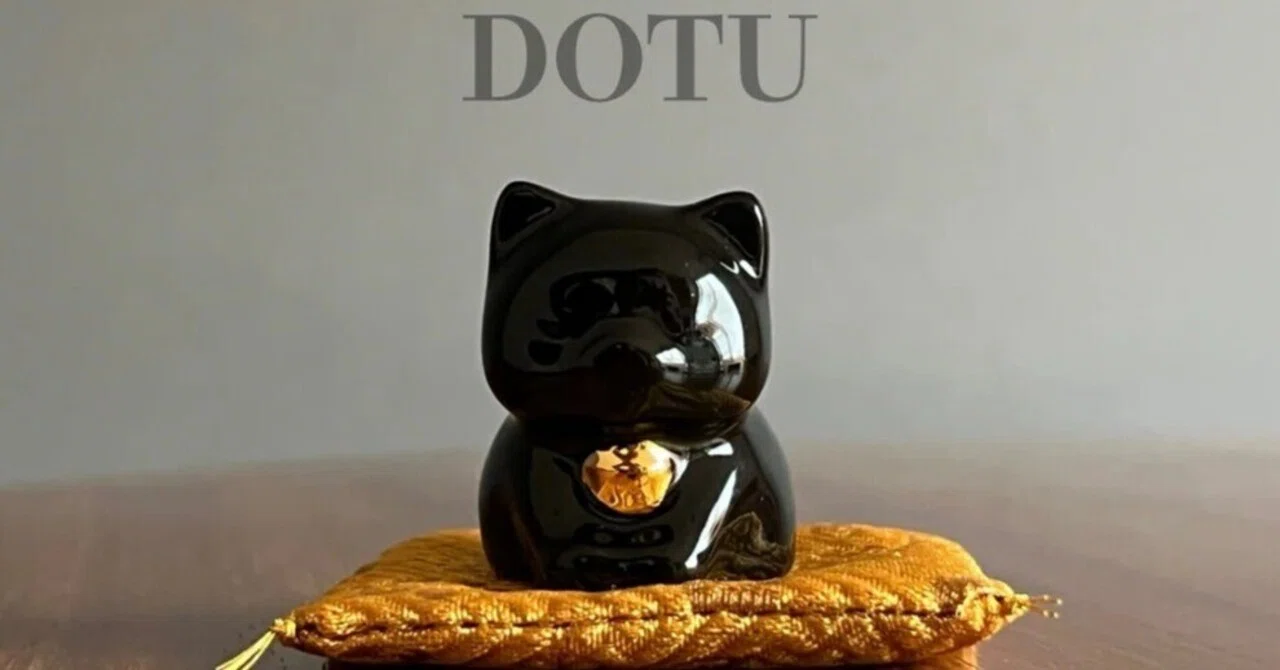
Across Japan, outside smoky yakitori counters, neighborhood soba shops, and countryside inns, a familiar sentinel stands guard: a pot-bellied ceramic raccoon dog clutching an empty sake flask and a promissory note. While Western audiences often mistake these statues for simple garden ornaments, these figures serve as calculated commercial talismans designed to summon financial security and good fortune. Cultural analyses, including a note Report on traditional Japanese storefront iconography, emphasize that the enduring warmth of Shigaraki ware tanuki stems from an explicit design philosophy: disarming customers through humor while anchoring daily enterprise in deep-seated folk psychology.
The phenomenon known colloquially across travel corridors as "Tanukiya Bunbuku" bridges centuries of Japanese raccoon dog mythology, traditional pottery hubs, and quirky local confectionery shops. From the ancient forest kilns of Shiga Prefecture to confectioners tucking bean paste into tanuki-molded wafers in northern Tokyo, this iconic folklore tradition continues to shape how modern Japanese neighborhoods navigate commerce, community, and craft.
📌 Key Takeaways:
- Folklore Foundations: The phrase "Bunbuku" traces directly to Bunbuku Chagama, a centuries-old folk tale where an entrapped tanuki rewards a junk peddler’s kindness by transforming into a tea kettle and sharing perpetual fortune.
- Ceramic Symbolism: Shigaraki ware tanuki embody the Hassō Daiōkū (Eight Virtues), a strict visual code where every item, from the wide bamboo hat to the prominent tail, represents practical merchant ethics.
- Urban Counterculture: Confectionery landmarks like Oji Tanukiya thrive by intentionally contrasting their raccoon-dog identity against historical regional norms, such as Tokyo’s fox-dominated Oji district.
From Mythological Trickster to Storefront Guardian
Japan’s native bake-danuki (transforming raccoon dog) did not begin its cultural life as a cheerful guardian of small businesses. In medieval regional legends from Shikoku and Sado Island, tanuki were sinister illusionists. Folk tales cast them alongside kitsune (foxes) as master shapeshifters that threw spectral pebbles at travelers, imitated Buddhist monks to trick monastery abbots, and used fallen leaves to mint counterfeit gold coins.
The decisive cultural shift occurred during the late Edo period (1603, 1867) and accelerated during the Meiji era. Urban merchants began domesticating the trickster’s supernatural traits into symbolic mercantile assets. If a tanuki could conjure the illusion of bottomless gold or disguise itself to survive hardship, a merchant running a precarious tavern could harness those same survival traits.
The animal's Japanese name, tanuki, also provided a powerful linguistic pun. By reading the syllables as ta-nuki (他抜き), merchants interpreted the word to mean "surpassing others" or outcompeting commercial rivals. Over decades of tavern culture, the fearsome forest shapeshifter was transformed into an affable drinking buddy who promised that customers would leave full, happy, and eager to return.
The Tea Kettle Legend Behind the Word "Bunbuku"
To understand the branding of shops using the name "Bunbuku," one must look to Morin-ji, a Buddhist temple in Tatebayashi, Gunma Prefecture. Morin-ji serves as the historic setting for Bunbuku Chagama ("The Tea Kettle That Shares Fortune"), one of Japan’s most celebrated folklore transformation tales.
According to the legend, a destitute junk peddler bought an old bronze kettle, only to discover that the vessel was an enchanted tanuki that could sprout a head, legs, and a tail, yet could not fully return to animal form. Rather than punishing the creature, the peddler cared for it with compassion. In return, the raccoon dog danced on tightropes and performed acrobatic feats across local markets. The roadside spectacle drew enormous crowds, earning the peddler honest wealth and filling the temple’s coffers.
The name itself, written either as 分福 ("sharing fortune") or 文福 ("literary fortune"), symbolizes communal generosity. The tanuki did not hoard its magic; it split the dividends with the human who showed it mercy. This narrative remains the primary inspiration behind souvenir shops, roadside resting areas, and artisan kilns adopting variations of the name Tanukiya Bunbuku.
The Eight Virtues Encoded in Shigaraki Ceramic Figurines
While the legend took root in temple lore, the physical avatar recognized worldwide emerged from Shigaraki, an ancient ceramic town nestled in Shiga Prefecture. Potter Tetsuzo Fujiwara refined the modern tanuki design in the 1930s. His vision was cemented nationally in November 1951, when Emperor Hirohito visited Shigaraki and composed a poem praising the small ceramic tanuki lining the mountain town’s streets.
Each authentic Shigaraki ware tanuki acts as a visual checklist known as Hassō Daiōkū (the Eight Virtues), outlining the ideal habits of an honest merchant.
| Physical Trait | Symbolic Object / Meaning | Mercantile Translation |
|---|---|---|
| Straw Hat (Kasa) | Protection against unexpected rain and bad weather | Readiness for unexpected economic downturns or crises |
| Large, Alert Eyes | Clear-sighted perception in all directions | Making rational decisions and reading market changes quickly |
| Friendly Smile | A genial, open facial expression | Welcoming customer service that invites trust |
| Sake Flask (Tokkuri) | Purity of character and human virtue | Maintaining personal integrity and moral conduct in business |
| Passbook (Kayoichō) | A credit ledger or trust document | Building absolute financial credibility with creditors and customers |
| Round Belly | Composure, calm endurance, and appetite | Remaining calm and resolute during tough business negotiations |
| Golden Money Bag | A bag of wealth (historically gold leaf hammer skins) | Free flow of capital and continuous financial liquidity |
| Sturdy Tail | A firm base ensuring the statue stands upright | Seeing enterprises through to a sound, solid conclusion |
A common historical misunderstanding involves the figure's oversized anatomy. In Japanese goldsmithing traditions, artisans wrapped gold nuggets inside tanuki scrotum skin because the leather possessed exceptional elasticity, allowing a single coin-sized nugget to be hammered flat across an entire tatami mat. Over time, that metallurgical reality entered folklore as an emblem of financial expansion, which potters integrated directly into their statues.
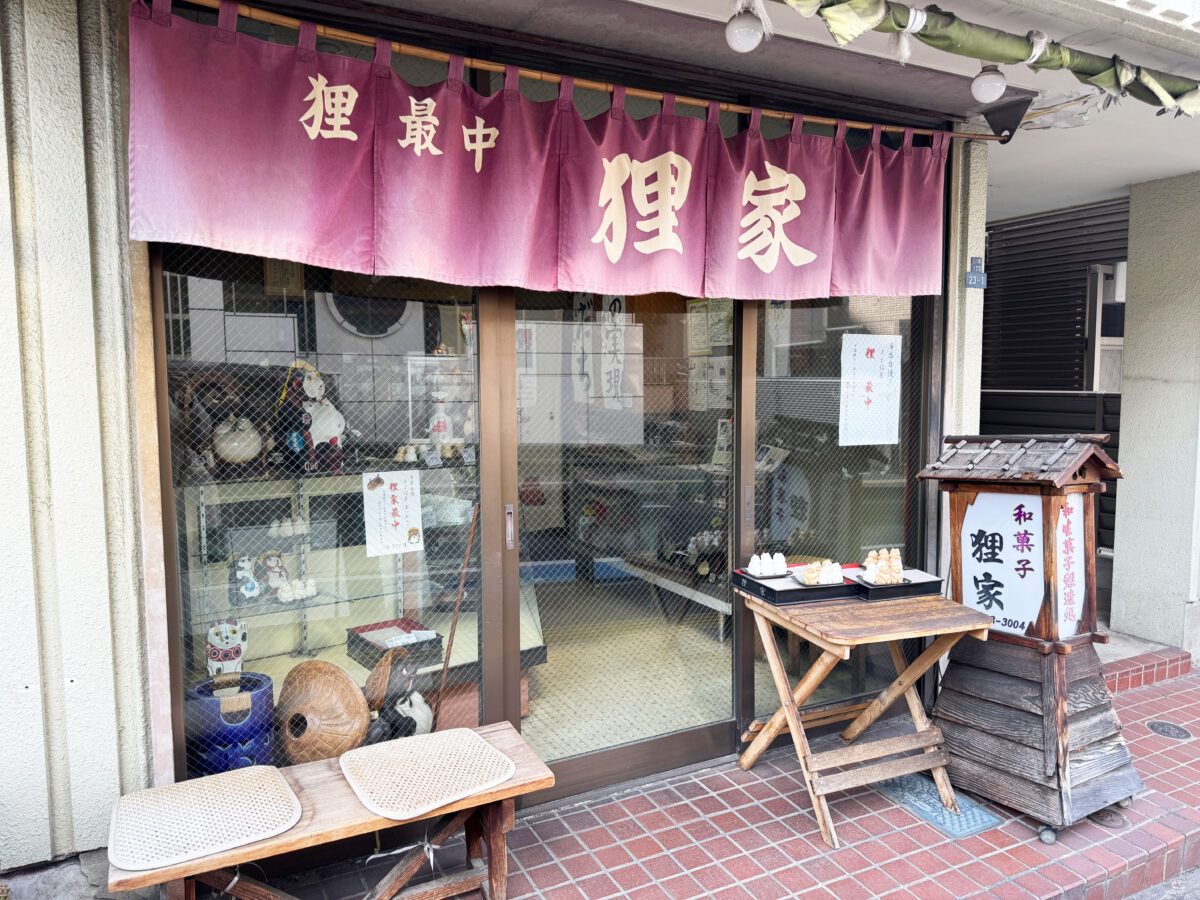
Tokyo’s Oddity: Why Oji Tanukiya Thrives in a Fox Haven
The folklore of Tanukiya is not confined to rural kilns. A unique urban manifestation sits in northern Tokyo’s Kita Ward.
The Oji district has been synonymous with kitsune (foxes) for nearly a millennium. Legend holds that all foxes of eastern Japan gathered beneath an enoki tree near Oji Inari Shrine on New Year’s Eve, disguising themselves in formal robes to pay court. Today, Oji still celebrates this connection with its famous New Year Fox Parade.
Against this cultural backdrop, local food writers and neighborhood chroniclers have long puzzled over one peculiar fixture: the confectionery shop Oji Tanukiya (located at Kita-ku Oji Honcho 1-23 in the Tanukiya Building). The establishment's hallmark product is Tanuki Monaka, a crisp wafer shell filled with rich red bean paste and pressed into the shape of a seated raccoon dog.
The shop’s presence in a fox-dominated district serves as a playful cultural counterweight. By claiming the tanuki mantle in the heart of fox territory, the founding confectioners created a memorable identity. While foxes represent harvest deities and mystical discipline, the tanuki represents approachable hospitality and simple comfort food. Rather than clashing with Oji’s fox heritage, Tanukiya introduced culinary variety, demonstrating how folklore symbols can balance one another within a single Tokyo neighborhood.
Similar commercial experiments pop up across Japan. When the tapioca drink stall TanukiTanukiya (Ponpokoya) launched near Esaka Station in Suita, Osaka, it used the creature's whimsical image to build rapport in a crowded commuter district. While high-turnover beverage stands occasionally pause operations during retail headwinds, the tanuki archetype remains a reliable branding shortcut for indie shops seeking an approachable, friendly image.
Visiting Shigaraki Pottery Town: Kiln Tours and Hidden Workshops
For travelers tracing the folklore back to its physical origin, Shigaraki in Kōka City, Shiga Prefecture, remains the premier destination. As one of Japan's Six Ancient Kilns (Rokkoyō), the town lives and breathes stoneware.
Upon pulling into Shigaraki Station on the Shigaraki Kohgen Railway, visitors meet an enormous five-meter-tall ceramic tanuki dressed in seasonal outfits, from winter Santa hats to train conductor caps.
Exploring the town reveals two distinct pottery styles:
- Sprawling souvenir centers feature terraced yards displaying thousands of tanuki statues. These sites, such as the famous Tanuki-mura, let visitors step inside historical ascending noborigama kilns, try hand-building pottery workshops, and pick out figures ranging from tiny thumb-sized keychains to massive two-meter entrance guardians.
- Independent Ceramic Studios: Beyond mass-produced merchant charms, contemporary ceramic artists craft unglazed wood-fired stoneware using coarse local clay. These refined pieces celebrate earthy flashes of red iron oxidation and natural ash glazes, returning the craft to its wabi-sabi heritage.
For anyone selecting a traditional Shigaraki piece, local potters emphasize one rule: do not simply hunt for the largest statue. Look into the figure’s face. Because each artisan carves facial expressions by hand before firing, no two tanuki feature the same grin. Finding one that naturally brightens your mood is considered the first step in unlocking its fortune.
Frequently Asked Questions (FAQ)
Q1: What is the main difference between kitsune and tanuki in Japanese folklore?
A1: Kitsune (foxes) are primarily connected to Inari, the Shinto deity of agriculture and industry. They tend to be depicted as lean, disciplined, and spiritually formidable messengers. Tanuki (raccoon dogs) belong to secular folk comedy and tavern culture, viewed as plump, easygoing tricksters who bring pragmatic good cheer and everyday retail success.
Q2: How should a Shigaraki tanuki statue be positioned outside a home or business?
A2: Most business owners place the statue outdoors immediately beside the main entrance, facing outward toward approaching foot traffic. This placement invites patrons inside with a friendly smile while conceptually deflecting misfortune before it crosses the threshold. Residential owners frequently set smaller statues in gardens or entry vestibules (genkan) facing the door.
Q3: Are tanuki real animals, or are they entirely mythical creatures?
A3: The Japanese raccoon dog (Nyctereutes procyonoides viverrinus) is a real canid native to the Japanese archipelago. While they share facial markings with North American raccoons, they are an older, distinct evolutionary lineage related to foxes and wolves. Their shape-shifting skills and magical belly-drumming (tanuki-bayashi) belong purely to folklore.
The Living Craft of Shared Prosperity in 2026
The ongoing fascination with Tanukiya and the lore of Bunbuku highlights an enduring side of Japanese culture: the impulse to anchor daily trade in stories of mutual goodwill. The round-bellied statues scattered outside restaurants are not empty superstitions, nor are vintage sweetshops like Oji Tanukiya accidental relics. They represent an unspoken agreement between merchant and patron, honoring the value of shared good fortune.
In an age dominated by frictionless e-commerce and automated checkouts, the ceramic raccoon dog stands as a quiet reminder of an older commercial philosophy. Its broad grin, sturdy tail, and tilt of the straw hat continue to promise that genuine warmth, resilience during economic dry spells, and fair dealing will always outlast the competition.