Ultimate Japanese Curry House Guide: Indie Bistros, CoCo Ichi, and Top Flavors
Few dishes command the emotional devotion of Japanese curry. What began in the late 19th century as an adapted British naval stew has mutated into a culinary obsession spanning hyper-regional six-seat neighborhood counters, industrial mega-chains, and lab-tested shelf-stable pouches. In Tokyo's backstreets, specialized chefs spend four days simmering bone stock for a single ladle of European-style sauce, while major food conglomerates pour millions into engineering restaurant-grade packaged meals. According to a PR TIMES Report tracking consumer trends, the appetite for premium, chef-quality formulations has reshaped both street dining and grocery aisles across Japan in 2026.
The gap between a quick chain lunch and an artisan counter plate is vast, yet both represent authentic Japanese curry house culture. Understanding where to eat, what to order, and how these distinct flavor profiles are constructed requires looking past superficial classifications. Whether you are tracking down boutique operators, dissecting the engineering of global icons, or stocking a home pantry with high-end retorts, this guide maps the entire spectrum.
📌 Key Takeaways:
- The Flavor Divide: Boutique bistros lean heavily on European demi-glace foundations and proprietary aging, while mass chains rely on high-fluidity umami broth bases engineered for fried cutlets.
- The Retort Leap: The packaged curry sector crossed an artisan threshold in 2026, with major manufacturers deploying 29-spice blends and record meat volumes to match boutique kitchen benchmarks.
- Ordering Strategy: Mastering Japanese curry requires choosing the right stylistic lane: dense slow cooked beef curry at legacy counters, customized spice ladders at commercial stalwarts, or dry spice variations in indie hubs.
The Soul of the Counter: Inside the Indie Curry Bistro Movement
Step through the noren curtain of an independent Tokyo curry house like the intimate, neighborhood-focused counters typified by operations such as Curry House Chez Tetsuo, and the sensory shift is immediate. The air smells of caramelized alliums, toasted fenugreek, and scorched butter. These boutique bistros do not serve fast food. They operate on culinary rhythms closer to classical French sauce stations than roadside diners.
Indie chefs typically champion European style Japanese curry, locally known as yoshoku curry. The foundation rests on a dark, laborious roux cooked over hours until the flour reaches a rich hazelnut or chocolate hue. Stock production is equally intensive. Instead of hot water and commercial cubes, chefs draw from slow-simmered veal bones, beef tendons, roasted chicken frames, and mirepoix. The resulting sauce carries a glossy sheen, clinging to the back of a spoon with velvety weight.
House spice blend techniques define each chef's signature identity. While commercial curry relies on turmeric, cumin, and coriander in predictable ratios, indie masters toast whole botanicals in small batches. Star anise, green cardamom, clove, and mace are bloomed in clarified butter, then combined with aged vegetable purées. Acidity plays an essential role; chefs balance the unctuous beef collagen with grated green apples, red wine reductions, or pickled mango pastes. When slow cooked beef curry arrives at your seat, often with beef brisket so tender it yields under the dull edge of a brass spoon, the complexity hits in sequential waves: first sweet caramelized onion, then deep roasted meat savors, finished by a lingering, dry botanical heat.
Deconstructing the CoCo Ichibanya Flavor Profile
At the opposite end of the stylistic spectrum sits Curry House CoCo Ichibanya. Known ubiquitously as CoCo Ichi, the chain has built an international empire on an entirely different structural thesis. Where boutique bistros serve heavy, decadent reductions, CoCo Ichi intentionally strips the sauce down to a lighter, highly fluid medium.
The CoCo Ichibanya flavor profile is an engineering triumph designed for maximum customization. The standard pork-based roux is relatively thin, carrying a sharp vegetable sweetness and a clean, non-cloying profile. This deliberate restraint solves a crucial mechanical problem: the base sauce must never overpower deep-fried toppings. Pouring a heavy, gelatinous demi-glace over a golden breaded pork cutlet turns the meal leaden within four bites. CoCo Ichi's savory umami broth base acts as a vibrant condiment rather than a heavy stew, keeping the panko breading crisp.
The dining ritual relies on granular control. Diners select rice quantities down to the gram, dial in spice levels from mild to the tongue-numbing Level 10, and combine proteins, stewed vegetables, and melted cheeses. As food analysts documented throughout 2026, this modular flexibility has insulated the chain from passing culinary fads. CoCo Ichi delivers an unmistakably consistent baseline of comfort food, proving that commercial ubiquity does not require sacrificing distinct flavor architecture.
Tokyo Specialty Curry Shops and Regional Lineages
Tokyo's geography reflects its diverse curry lineages. Neighborhoods like Jimbocho, often crowned Japan's secondhand book capital, double as the epicenter of historic curry houses. In Jimbocho, establishments founded in the mid-20th century continue serving dense, pitch-black sauces in silver gravy boats alongside steamed potatoes and pats of salted butter. These venues preserve the Showa-era European lineage, prioritizing French culinary mechanics over South Asian heat.
Cross the city to Shimokitazawa or Koenji, and the landscape transforms into an experimental testing ground. Here, younger cooks turn their backs on the dark roux entirely, embracing Kansai-style "spice curry." This modern movement treats curry as an expressive spice canvas: vivid turmeric gravies, dry-fried minced chicken keema, and vibrant side garnishes of pickled mustard greens, spiced daikon, and dal lentils.
Between the rigid traditions of Ginza's historic dining halls and the freewheeling experiments of western Tokyo, the Japanese palate accommodates immense variety. What binds them together is the rice. Regardless of the shop's background, chefs source short-grain domestic varieties cooked slightly firmer (katame) than typical table rice. The starch retains its structural integrity when drenched in boiling curry, providing the necessary chew to counter the sauce's viscosity.
The Retort Revolution: The Evolution of Packaged Curries
For decades, shelf-stable retort pouch curry was viewed as convenience food reserved for busy weeknights or emergency pantries. That perception collapsed as technical processing advances met surging consumer demand for luxury convenience. Manufacturers now capture the nuance of restaurant stocks inside multi-layer aluminum packaging, transforming grocery shelves into genuine extensions of the dining counter.
Commercial milestones reached throughout 2026 highlight this market shift. On April 14, 2026, House Foods announced that its meat-forward line Curry de Niku-ru surpassed 1,000,000 units sold within approximately twelve months of launch, setting a corporate record for protein volume in a retort offering. The product was deliberately designed by young development teams to challenge bistro-level beef and pork ratios. Later in the year, on August 10, 2026, the brand rolled out Kariya Curry EX, deploying a blend of 29 individual spices to recreate the botanical depth once exclusive to specialty spice restaurants.
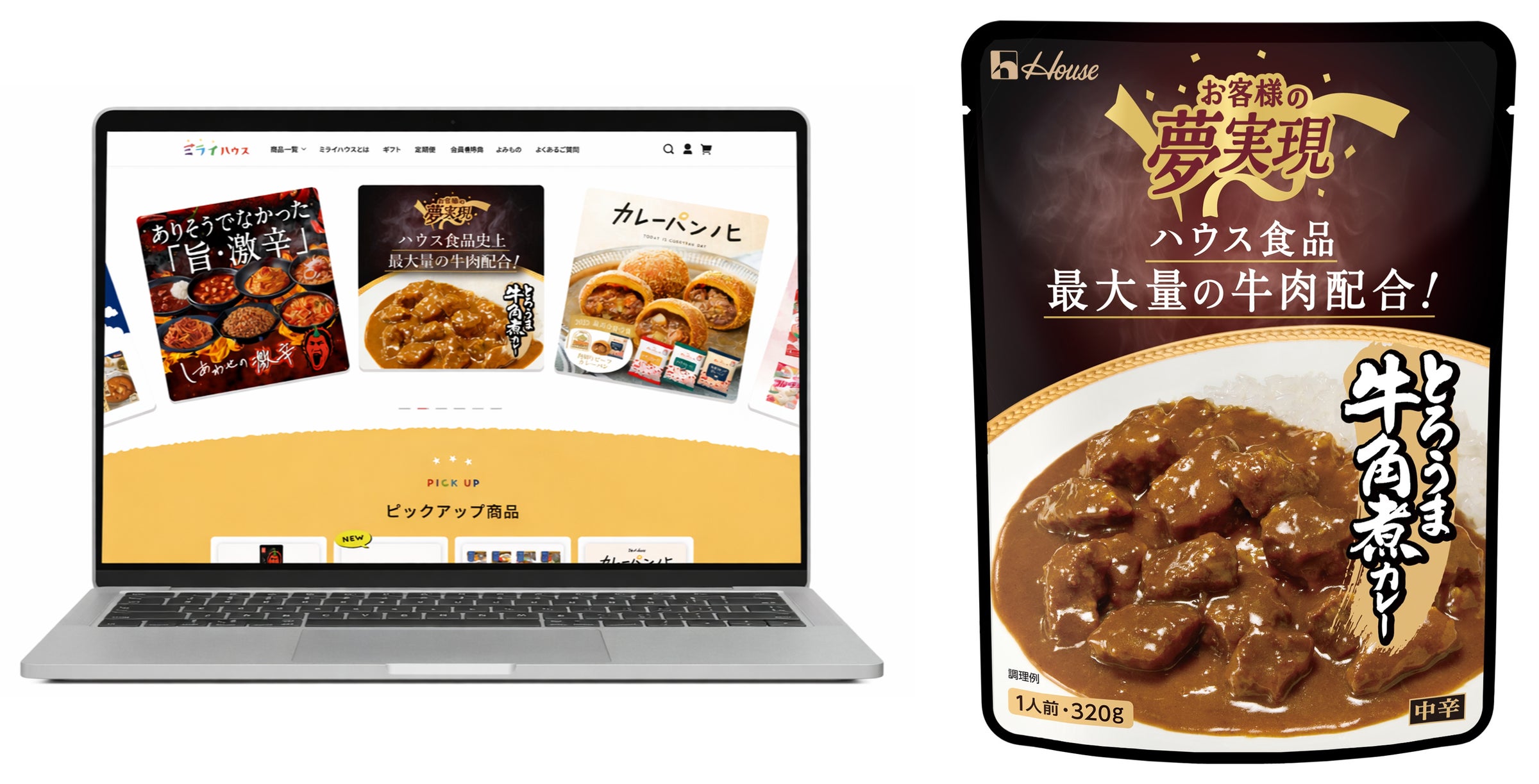
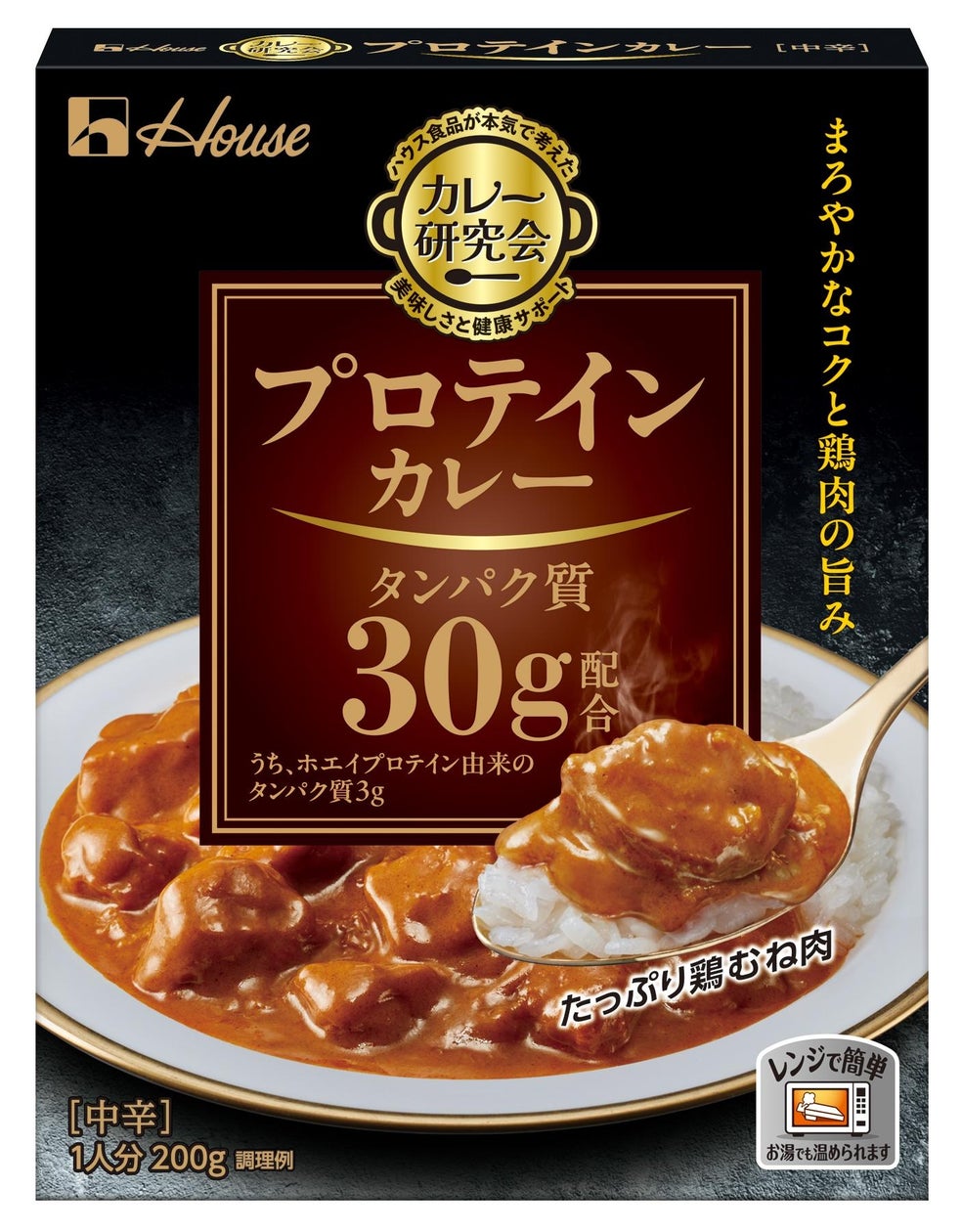
Direct-to-consumer pipelines have followed suit. On May 29, 2026, House Foods replaced its legacy retail hub with the Mirai House platform to showcase experimental and high-end formulations directly to consumers. Concurrently, institutional health priorities yielded novel functional entries, including the Amazon-exclusive Curry Kenkyukai high-protein curry formulated by certified nutritionists, which debuted on June 15, 2026.
| Category Tier | Core Characteristics | Typical Price Range (JPY) | Primary Target Occasion |
|---|---|---|---|
| Indie Bistro Counters | Multi-day stock reductions, whole-spice bloom, rich demi-glace base | ¥1,200, ¥2,500 | Destination dining, culinary exploration |
| National Chains (CoCo Ichi) | Light pork-broth foundation, modular heat scale, crisp topping pairings | ¥850, ¥1,600 | Quick-service, customizable comfort meals |
| Premium Retort Pouches | Extracted bone broths, 20+ botanical spices, heavy meat portions | ¥350, ¥850 | Gourmet home dining, pantry stockpiling |
| Everyday Standard Retort | Standard roux, diced root vegetables, balanced mild/medium heat | ¥130, ¥250 | Budget-conscious everyday convenience |
Mastering the Craft: Artisan Roux and Broth Architecture
Recreating boutique curry at home requires abandoning the standard instructions printed on supermarket roux boxes. Standard blocks provide convenience, but they rely on palm oil and shelf-stable thickeners that mute volatile aromatics. Elevating the dish requires building a layered foundation before any roux touches liquid.
The process starts with onions. Slice them paper-thin and cook them in butter or tallow over low heat for at least 45 minutes until they collapse into an amber paste. This reduction provides natural sweetness, neutralizing the need for processed sugar. In a separate pan, prepare an artisan curry roux: whisk equal parts clarified butter and all-purpose flour over medium-low heat until the mixture turns copper. Whisk in a customized spice blend, heavy on coriander, cumin, turmeric, black pepper, and fenugreek, toasting the spices off the heat for thirty seconds to preserve their top notes.
Liquid selection determines the sauce's mouthfeel. Replace tap water with a combined stock of roasted chicken wings, beef shanks, and a sheet of dried kombu. Simmer the meat in this liquid until completely tender, strain the broth, and whisk it incrementally into the roux paste. Finishing touches define the plate: a splash of soy sauce for fermented glutamates, Worcestershire sauce for acidity, and a touch of dark chocolate or freshly ground coffee for bitterness. Rest the sauce overnight in the refrigerator; 24 hours of cold storage allows the gelatin to stabilize and the spices to integrate fully.
Frequently Asked Questions (FAQ)
Q1: What separates Japanese curry from Indian or Thai curries?
A1: Japanese curry relies on a wheat flour and fat roux base, producing a thick, stew-like sauce poured over short-grain sticky rice. Unlike Thai curries built on coconut milk and fresh herb pastes, or Indian curries centered around tempered spices, ghee, and tomato gravies, Japanese curry emphasizes caramelized onions, umami-rich broths, and a distinct sweet-savory balance.
Q2: How should international travelers navigate spice levels at Japanese chains?
A2: Japanese baseline heat is conservative. A standard "Regular" or "Medium Hot" (Chukara) corresponds roughly to mild in South Asian or Southeast Asian cooking. Chains like CoCo Ichibanya use a numbered system: Levels 1 through 3 offer moderate, warm heat, while Levels 5 through 10 feature concentrated habanero or ghost pepper extracts that require caution.
Q3: What makes premium retort curry pouches taste significantly better than entry-level versions?
A3: High-end retorts use vacuum pressure cooking that prevents volatile spices from evaporating, paired with separate vegetable and meat sterilization times to preserve texture. Premium versions also feature whole chunks of brisket or shoulder rather than trimmings, along with authentic beef stock reductions instead of synthetic flavorings.
Navigating the Modern Japanese Curry Spectrum in 2026
Japanese curry remains one of the world's most versatile comfort foods precisely because it refuses to remain static. The modern landscape allows boutique six-seat counters, mass customizers, and high-tech food labs to coexist without undermining one another. Each format answers a distinct culinary need.
When tracking down the finest experience, matching setting to style is everything. Seek out historic independent bistros when you want the depth of a multi-day slow simmered beef sauce paired with vintage dining room hospitality. Choose chain stalwarts like CoCo Ichi when you want a crisp katsu meal engineered for rapid customization and precise heat control. And look to modern retort pouches when building a gourmet pantry at home. By understanding the broth foundations, spice dynamics, and cooking methods behind each style, you can appreciate Japanese curry as the complex culinary discipline it has rightfully become.