Viral Mental Health Trend: Top 7 Clever Ways to Brush Off Baseless Slander

When false rumors and personal jabs circulate, the instinct to fight back is almost universal. Yet escalating an argument or pleading innocence rarely silences an aggressor; it frequently gives them exactly what they want. Clinical data and counseling practices highlighted in an MSN Report detailing analysis by psychiatrist Dr. Tomy confirm that attempting to clear misunderstandings with chronic gossipers often plays directly into their psychological traps. Aggressors thrive on emotional volatility, turning sincere justifications into fresh fuel for interpersonal conflict.
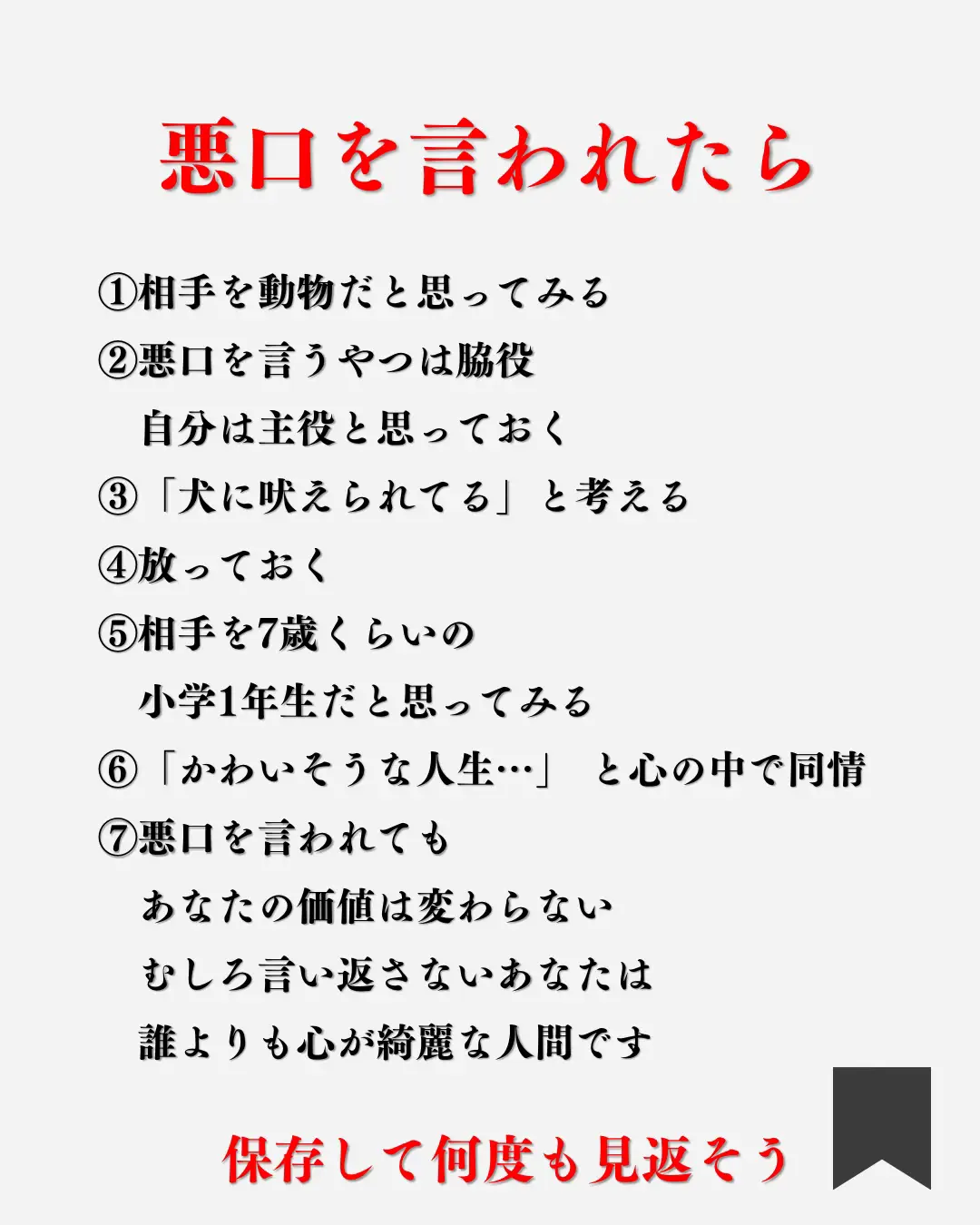
The conversation around verbal self defense tactics shifted dramatically following a viral presentation by counselor and author Ryota on his Coco Yowa channel on September 15, 2026. Ryota laid out seven specific behavioral pivots designed to help targets become entirely unbothered by hostile commentary. By swapping moral outrage for comedic subversion, targets can neutralize toxic behavior instantly. Modern behavioral psychology shows that the most effective way to neutralize bad faith attacks is not aggressive counterpunching, but strategic, witty deflation.
📌 Key Takeaways:
- The Provocation Trap: Explaining yourself or defending your reputation against malicious gossip grants the aggressor social leverage and prolongs the confrontation.
- Humor as a Shield: Brushing off slander humorously strips insults of their social power by refusing to validate the speaker's hostile intent.
- Strategic Indifference: Combining clever retorts for rude people with the grey rock communication technique creates an impenetrable psychological boundary.
Why Defending Yourself Against Gossip Usually Backfires
Hostile gossip functions on an unbalanced dynamic. When an insecure coworker or acquaintance launches an insult, they seek a visible emotional payout. Dr. Tomy points out that victims often commit the tactical error of treating bad-faith slander like an honest misunderstanding. They supply explanations, show hurt, or maintain contact out of fear that pulling away will worsen the rumors. That behavior feeds the instigator's ego.
Defensiveness sends a clear signal: the jab landed. An immediate emotional counter-argument validates the aggressor's premise, signaling to bystanders that the target feels threatened. Psychologists specializing in disarming verbal toxicity emphasize that genuine slander thrives on drama. Denying an absurdity with trembling earnestness makes observers wonder why you are so rattled. Reframing the entire interaction through witty comebacks for insults flips that script. It casts the provoker as socially clumsy rather than dominant.
The Seven Viral Tactics for Disarming Verbal Hostility
Counselor Ryota's framework rests on cognitive decoupling: separating your internal self-worth from someone else's verbal provocation. His seven psychological comeback techniques do not involve trading vulgarities. Instead, they weaponize calm wit, mild absurdity, and absolute emotional detachment.
1. Intentional Literalism: Take a sarcastic, bad-faith remark at complete face value. If an antagonist sneers, "Did you dress in the dark today?", reply calmly: "No, I actually turned on the 60-watt overhead light at 6:45 AM. The visibility was fine." By deliberately bypassing the hostile subtext, you force the speaker to either abandon the jab or explain their malice aloud, which makes them look petty.
2. Extreme Agreement (The Judo Flip): Agree with the criticism and amplify it to the point of ridiculousness. When targeted with trash talk about your ambitious pacing, respond with: "You caught me. I'm actually aiming to break three world records before lunch." Agreement removes all resistance, leaving the aggressor with nothing to push against.
3. The Curious Clarifier: Responding to passive-aggressive remarks with flat curiosity dismantles them instantly. Ask, "What an interesting thing to say out loud. What reaction were you hoping to get from me?" This shifts social scrutiny back onto the instigator.
4. Playful Disqualification: Treat the attack as an amusing amateur critique. Smiling and replying with, "I appreciate the unsolicited performance review, I will file it directly into the archives," signals that their judgment holds zero institutional or personal authority.
5. The Monotone Grey Rock Pivot: When humor feels like too much energy, deploy the grey rock communication technique. Offer an unblinking, three-second pause followed by an indifferent "Noted," before returning immediately to your previous activity. It starves the instigator of emotional engagement.
6. The Absurdist Non Sequitur: Disarm verbal toxicity by offering an answer so completely unrelated that the conversational gears grind to a halt. When hit with unsolicited gossip, remark: "Fascinating perspective. Speaking of atmospheric pressure, did you know humidity affects cello strings?" It renders their provocation useless.
7. Radical Compassion Dismissal: Deliver psychologist advice on handling haters through deadpan faux-empathy: "You seem really focused on my schedule today. Everything alright at home?" It highlights their obsession without escalating hostility.
Evaluating Verbal Self Defense Tactics in Action
Choosing the right response depends heavily on the social setting, the seniority of the aggressor, and the severity of the remark. The table below outlines how conventional reactions compare to modern psychological deflection across key communication benchmarks.
| Tactic Category | Standard Response Style | Psychological Mechanism | Social Outcome |
|---|---|---|---|
| Direct Defense | "That is completely untrue, let me explain..." | Validates the accusation; reveals distress | Prolongs drama; aggressor gains perceived power |
| Sarcastic Counterattack | "Look who's talking, you made five errors yesterday." | Mutual escalation; creates symmetrical hostility | Draws disciplinary risk or mutual reputational loss |
| Clever Subversion | "I love how invested you are in my daily routine." | Reframes harassment as weird fixation | Dismantles tension; positions target as unbothered |
| Grey Rock Deflection | "Understood. Back to the quarterly projection." | Sensory deprivation; eliminates emotional payoff | Bores the aggressor into abandoning the target |
Diffusing Passive-Aggression in High-Stakes Workplaces
Handling trash talk in personal relationships is one thing; navigating toxic barbs in corporate environments carries real professional risk. Outright retaliation can trigger formal HR reprimands, while quiet compliance breeds resentment. Diffusing workplace gossip with humor strikes the necessary balance, disarming backhanded compliments while maintaining professional composure.
Consider the classic meeting undermine: an insecure peer says, "Surprised you had time to pull this presentation together given your usual pace." A defensive response ("I worked all weekend on this!") highlights vulnerability. A sharp counterattack creates workplace tension. A clever response defuses the moment: "Efficiency is an art form. Glad you noticed." The room registers the confidence, the snide remark evaporates, and the meeting proceeds without a scene.
The Neuroscience of Emotional Detachment and Ego Decoupling
Why do psychological comeback techniques work so reliably? The answer lies in how human brains process social rejection. Insults are designed to trigger an immediate fight-or-flight response, flooding your system with cortisol and adrenaline. When you tense up, your amygdala takes over, compromising your prefrontal cortex.
Adopting emotional detachment strategies protects executive function. Humor acts as a neurological circuit breaker. Finding the absurdity in an attack activates dopamine pathways, blunting the stress response before it takes hold. You stop viewing the speaker as a credible threat, seeing them instead as an insecure individual seeking reassurance. Once that mental shift happens, witty comebacks for insults flow effortlessly because you are no longer operating from fear.
Frequently Asked Questions (FAQ)
Q1: What separates a witty psychological comeback from petty escalation?
A1: A witty psychological comeback targets the context of the attack, exposing its absurdity without attacking the instigator's personal traits. Escalation trades insult for insult, dragging both participants into mutual mudslinging. Clever retorts for rude people stay composed, focused on humor, and emotionally detached.
Q2: Does using the grey rock technique make someone look weak or submissive?
A2: No. Submission involves apologizing or shrinking to appease an aggressor. The grey rock method uses intentional emotional neutrality. Paired with firm eye contact, deliberate brevity demonstrates supreme self-control, signaling that the provocateur's words carry zero weight.
Q3: How should someone handle persistent, damaging slander that impacts their career?
A3: Wit and humor work best for casual banter, petty remarks, and low-level social jabs. When bad-faith rumors cross into professional defamation, shift from verbal subversion to administrative documentation. Keep objective, date-stamped records of incidents and escalate through official channels rather than relying on informal banter.
Mastering Composure in an Era of Cheap Noise
Social interactions frequently test our boundaries, but another person's spite only holds the power you grant it. Dr. Tomy's clinical warnings and Ryota's viral tactics converge on an essential truth: you cannot control someone else's impulse to talk, but you completely control how much their noise costs you.
Cultivating quick wit rooted in unshakeable emotional detachment turns verbal hostility into harmless background chatter. Next time someone drops an insult, skip the defensive explanations. Smile, lean into the absurdity, drop a calm line, and let them sit with the silence they created.