Visiting Kami-Itabashi Kamon: Essential Guide to Hours, Queues, and Ordering Rules
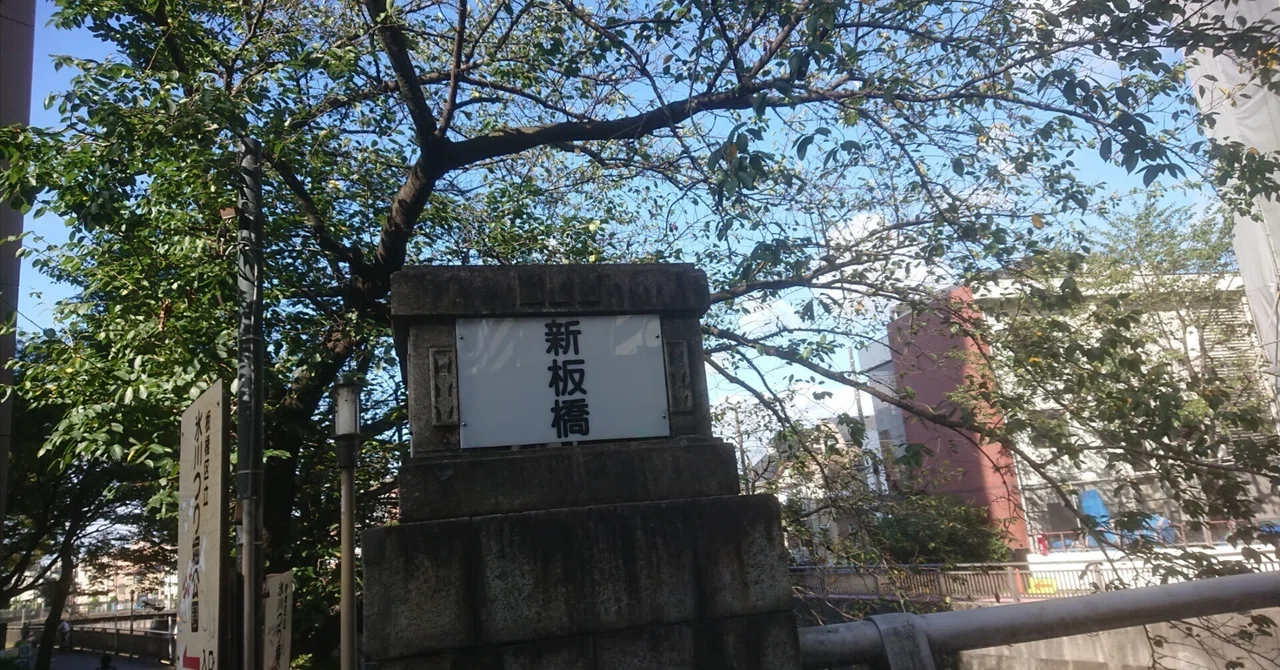
A quiet residential stretch along the Tobu Tojo Line hides one of the most improbable dining institutions in the capital. While mainstream travel itineraries shepherd visitors into the neon mazes of Shinjuku or Shibuya, seasoned food explorers know that local transit corridors tell a completely different story. Urban walkers tracking the unique geography of northern Tokyo, a district where rail stops retain distinct working-class identities, as highlighted in this note Report, inevitably discover that Kami-Itabashi Station houses an izakaya operating entirely outside standard market logic.
That venue is Izakaya Kamon. Run by Mansour Komijani, an Iranian artist who moved to Japan decades ago, this modest tavern serves volcanic portions of classic pub fare at rock-bottom prices. Dishes arrive on platters designed to feed small families rather than solo diners, yet most items hover around the ¥400 to ¥500 mark. For travelers seeking authentic Japanese tavern hidden gems and legendary cheap eats Tokyo has to offer, Kamon represents an unforgettable collision of cultural warmth, community resilience, and staggering culinary volume.
📌 Key Takeaways:
- The Core Draw: Massive, family-sized portions of Japanese comfort food sold at pocket-change prices, presided over by an Iranian-born master who fills the interior with original oil paintings.
- The Essential Strategy: Never arrive alone without a strategy; booking by phone weeks in advance is mandatory for groups, and requesting takeaway containers is an established dining standard.
- The Etiquette Rule: Food prices function as a gift to patrons, meaning guests must support the house through generous drink orders rather than treating the venue as an all-you-can-eat buffet.
The Iranian Master Redefining the Tokyo Tavern
Mansour Komijani arrived in Japan during the late Showa period, establishing deep roots in Tokyo’s working-class northern wards. Rather than conforming to the hushed, minimalist aesthetic often associated with contemporary Tokyo dining, Kamon is loud, chaotic, and brimming with personality. Original oil paintings line the walls from floor to ceiling, executed by Mansour himself in vibrant hues that evoke both Persian artistic motifs and Tokyo streetscapes.
Mansour runs the floor and the kitchen with infectious energy. His hospitality philosophy rejects modern cost-optimization models entirely. While commercial restaurant chains trim serving weights by grams to survive inflation, Kamon continues to load platters until ingredients threaten to spill over the rims. Mansour routinely greets tables with cheerful banter, checking whether guests have managed to clear their plates and laughing boisterously when they surrender.
This dynamic has earned Kamon regular features on Japanese television broadcasts covering deka-mori (mega-portion) phenomena. Yet despite its viral fame, the tavern remains fundamentally an Itabashi neighborhood anchor. Regulars sit elbow-to-elbow with college students and curious travelers, sharing counter space in an environment free of pretension.
Navigating Transit to Kami-Itabashi Station
Reaching Kamon requires stepping outside the central Yamanote loop. Board the Tobu Tojo Line from Ikebukuro Station, taking a local train directly to Kami-Itabashi Station. The local run takes roughly **12 to 15 minutes**. Express trains bypass this stop, making train selection critical during evening rush hours.
Exit via the North Exit of Kami-Itabashi Station. The walk takes under five minutes through narrow residential alleys lined with bicycle parking, laundromats, and traditional shotengai shop fronts. The izakaya sits tucked away in a quiet building, its entryway marked by a glowing red lantern and a clutter of handwritten notices.
Operating hours typically run from **6:00 PM until 11:00 PM**, though doors occasionally open slightly earlier or close when key ingredients run out. Tuesdays are traditionally dark, alongside occasional irregular holidays that Mansour posts on local noticeboards or announces directly to regulars. Checking operating calendars prior to making the trek prevents wasted journeys.
The Omurice Challenge and Menu Extremes
Ordering at Kamon requires an immediate recalibration of portion expectations. A standard dish here weighs between **800 grams and 1.5 kilograms**, easily tripling the portion size of typical Tokyo izakaya fare. The kitchen produces a broad roster of Japanese pub staples, ranging from towering chicken karaage pyramids to skillet-sized okonomiyaki.
The undisputed centerpiece of the menu is the omurice challenge. While upscale Ginza establishments serve delicate, soft-set eggs over modest mounds of chicken rice, Kamon delivers an absolute leviathan. A mountain of seasoned fried rice is swaddled in a golden egg blanket, zig-zagged with ketchup, and flanked by shredded cabbage. The dish regularly tips the scales at over one kilogram, posing a daunting task for even the hungriest patrons.
| Signature Menu Item | Typical Tokyo Izakaya Baseline | Izakaya Kamon Standard | Tactical Survival Advice |
|---|---|---|---|
| Signature Omurice | ¥900, ¥1,200 (approx. 250, 350g) | ¥400, ¥500 (approx. 1,000, 1,200g) | Do not order for fewer than three diners unless planning immediate takeaway. |
| Tori no Karaage (Fried Chicken) | ¥600, ¥800 (4, 5 pieces, 200g) | ¥400, ¥500 (10, 12 massive cutlets) | Eat fresh for crunch; packs exceptionally well into takeaway foil. |
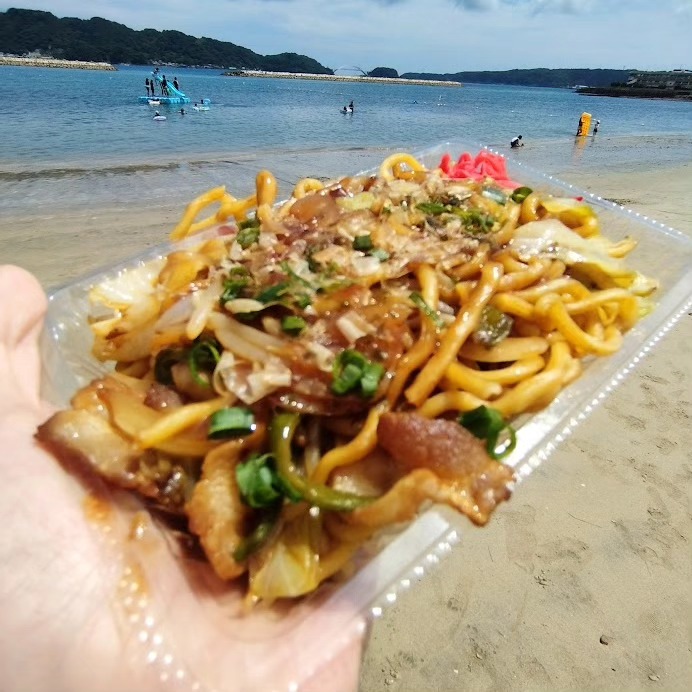
| Yakisoba (Stir-Fried Noodles) | ¥700, ¥900 (single noodle cake) | ¥400, ¥500 (multiple noodle packs, pork, cabbage) | Heavy on sodium and carbs; best shared across a party of four. |
| House Daikon Salad | ¥500, ¥700 (side bowl) | ¥400, ¥500 (serving bowl resembling a punch bowl) | Provides essential acidity to balance fried dishes, but consumes enormous table space. |
Booking Protocols and Queue Etiquette
Securing a seat requires methodical preparation. Because seating is limited to a small tatami section and a compact counter, the venue fills instantly upon opening. Unplanned walk-ins frequently face multi-hour waits or outright turnaways when the house reaches full capacity.
Reservations open via direct telephone calls to the shop. Calling during afternoon prep hours between **2:00 PM and 4:30 PM** yields the highest response rates, as calling during prime dinner service interrupts cooking. Basic conversational Japanese is necessary to confirm the date, headcount, and arrival time. For international visitors lacking Japanese language proficiency, asking a hotel concierge or utilizing booking services represents the most reliable path.
Queue etiquette outside Kamon demands strict consideration for neighboring tenants. The tavern occupies a dense residential corridor where noise carries swiftly. Patrons waiting outside must line up single-file against the building facade, refrain from smoking outside designated zones, and keep conversation volume muted. Blocking neighboring doorways or loitering on the road brings immediate friction with area residents.
The Doggy Bag Protocol and Tavern Economics
The fundamental rule of dining at Kamon is simple: you will not finish your food on-site. Unlike many traditional Japanese establishments that strictly prohibit carrying out leftovers due to food hygiene liabilities, Kamon actively expects it. Mansour keeps stacks of clear plastic pack containers and plastic bags ready by the counter.
When plates inevitably overwhelm your group, simply ask the staff for a pack (*"Pakku o kudasai"*). Guests pack their own leftover karaage, yakisoba, or omurice directly at the table. This practice turns dinner at Kamon into next-day lunch and dinner, cementing its status as an unparalleled marvel of Tokyo budget dining.
Understanding the tavern’s financial viability requires recognizing unwritten izakaya conventions. Mansour loses money on raw ingredient costs for dishes priced at ¥400. The entire business model hinges upon alcohol consumption. Ordering a single food dish and drinking tap water constitutes severe bad form. Respectable guests order multiple rounds of draft beer, highballs, or shochu, ensuring the venue generates sufficient beverage margin to sustain its legendary culinary charity.
Frequently Asked Questions (FAQ)
Q1: Can solo diners realistically eat at Izakaya Kamon?
A1: Solo dining is permitted at the counter, but ordering multiple dishes is physically impossible without wasting food. Solo visitors should order exactly one food item alongside their drinks and immediately request a takeaway container to pack the remainder.
Q2: Does the tavern accept credit cards or digital payments like Suica and PayPay?
A2: Kamon operates strictly on a cash-only basis. Ensure you bring sufficient Japanese Yen banknotes, particularly in smaller denominations, as the shop frequently runs short of change during peak rushes.
Q3: How far in advance should reservations be placed?
A3: For Friday and Saturday evenings, reservations should ideally be locked in two to four weeks ahead of time. Weekday slots offer slightly more flexibility, but calling at least one week prior remains strongly recommended.
Preserving the Community Spirit of Itabashi Dining
Kamon represents a living relic of a Tokyo dining culture that prioritizes human warmth over operational efficiency. In a hospitality landscape increasingly dominated by automated ordering tablets, standardized portioning scoops, and corporate margins, Mansour Komijani’s tavern operates on the straightforward conviction that abundance brings people joy.
Visiting Kami-Itabashi to experience this feast requires respect for the house rules. Plan your train connections, book ahead with patience, order your drinks generously, and carry out your leftovers with gratitude. In doing so, diners help sustain one of the most remarkable neighborhood institutions surviving in metropolitan Tokyo.