Visual Pattern Blueprint: Turn Colored Plastic Bags into Stunning Hats
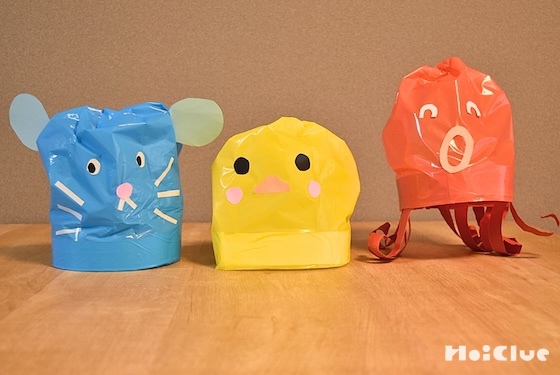
Every October and February, early-education teachers face the same logistical nightmare: outfitting three dozen children for school recitals and sports day rallies on an annual budget that barely covers poster board. Commercial polyester accessories run anywhere from $8 to $20 per child, shedding microplastics before the opening curtain even falls. The solution quietly dominating classroom communities from Tokyo to Toronto costs less than thirty cents per pupil and sits inside standard janitorial supply closets.
Known across Japanese early-childhood programs as karaa pori bukuro boushi, the art of turning vibrant high-density and low-density polyethylene trash bags into tailored stage headwear has broken out into a global maker movement. By combining simple poly bag folding techniques with controlled thermal fusing, educators, parents, and community theater technicians are assembling durable, waterproof wearable crafts that survive humid gymnasiums and chaotic backstage changes.
📌 Key Takeaways:
- The Origin: Originating in Japanese kindergarten sports days (undokai), the technique transforms 45-liter colored trash bags into lightweight, stage-ready headpieces.
- The Technique: Low-temperature heat fusing between silicone baking sheets bonds seams without toxic melting, replacing messy liquid glues.
- The Economics: Schools cut annual theatrical headwear costs by up to 92% compared to commercial party store props while allowing children to participate in the assembly.
From Tokyo Gymnasiums to Global Maker Classrooms
Japanese preschools (hoikuen) established the benchmark for ephemeral performance art decades ago. When thirty four-year-olds need matching pirate hats or animal ears for an energetic gym performance, heavyweight cardstock tears within minutes of sweaty dancing. Rigid plastic party hats slide off slippery hair. Soft 0.03mm polyethylene film offers an uncommon balance: it flexes without ripping, holds vivid pigments under auditorium floodlights, and weighs practically nothing on a child’s forehead.
The method began showing up on western DIY feeds around 2023, but the 2025, 2026 school cycle saw its formal adoption across North American preschool districts. Maker spaces have latched onto the medium as an accessible bridge between upcycled material education and industrial prototyping. A standard 45-liter bag yields two wide-brimmed pirate hats, three berets, or four pointed party cones with zero specialized tooling required.
The Structural Science: Heat Fusing Plastic Film and Safe Adhesion
Polyethylene presents an immediate adhesive challenge: almost nothing sticks to it permanently. Liquid PVA glue beads up and rolls off the slick surface. Standard solvent-based adhesives eat through the film, leaving brittle holes and harsh fumes. Successful construction relies on two mechanical principles: high-tack double-sided acrylic carpet tape and controlled thermal welding.
Thermal fusing requires low-density polyethylene (LDPE) bags, two sheets of silicone baking parchment, and an ordinary domestic clothing iron set to its lowest synthetic setting (roughly 110°C to 120°C). Sandwiching the bag edges between parchment allows the polymer chains to soften and interlock in three to four seconds without adhering to the iron's soleplate. The result is a clean, air-tight seam with higher tensile strength than the original sheet.
For fast classroom settings where hot irons pose supervision hazards, teachers use 15mm heavy-duty double-sided acrylic tape. Applying the tape along pre-folded hems creates reinforced structural ribs. These stiffened edges prevent the thin film from collapsing under its own weight, keeping floppy shapes like sun visors and wide royal crowns upright through rigorous dance routines.
Engineering the Five Classic Stage Silhouettes
Mastering this medium requires understanding how planar film converts into three-dimensional volume. A few disciplined cuts turn standard flat trash bags into structured child costume accessories:
The Gathered Beret: Lay a square 40cm section of colored film flat. Fold a 1.5cm hem around the entire outer perimeter, inserting a strip of soft 6mm elastic or elasticized cotton yarn through the channel. Cinching the cord pulls the plastic into soft, uniform radiating gathers, mimicking heavy wool felt without the suffocating heat.
The Regal Crown: Cut a 60cm by 15cm band from a yellow or gold poly bag. Fold the strip in half lengthwise over a strip of lightweight recycled Bristol board for internal rigidity. Cut alternating triangular peaks along the top edge, secure the back circumference with hook-and-loop dots, and flare the plastic points outward. Stage lights pass through the semi-translucent film, creating an internal glow that opaque cardboard cannot replicate.
The Puffed Baker’s Toque: Seal the bottom hem of a pristine white bag. Create sharp 2cm accordion pleats around the base, taping them tightly inside a 5cm headband made of folded cardstock. The top chamber traps ambient air naturally, standing 20cm tall above the child’s head without requiring foam inserts or internal wiring.
The Wide-Brimmed Buccaneer: Fuse two circular rings of black polyethylene around a flexible craft wire hoop. Slit the center to fit the head circumference, then fold three sides upward and tack them to the base with heavy-duty brass paper fasteners. The hoop holds tension, while the bag provides the dramatic, textured drape of weathered leather.
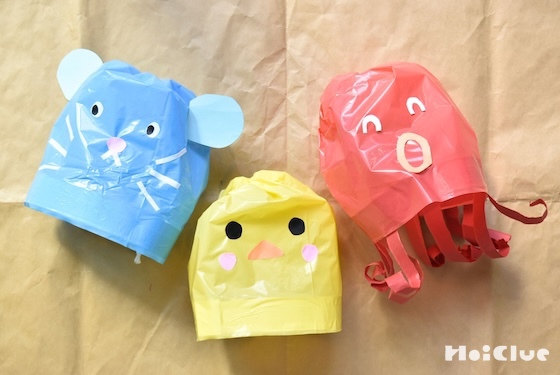
The Animated Ear Hood: Utilizing the natural sealed bottom corner of an unopened poly bag yields an instant conical hood. Invert the tip inward, secure two curved plastic bag cutouts colored with contrasting permanent markers, and you have lightweight animal ears that bounce naturally as the performer moves across the stage.
Material Comparison: Classroom Costume Headwear (2026 Benchmarks)
| Metric / Criterion | Colored Poly Bag Hats | Store-Bought Polyester Props | Cardstock / Paper Hats |
|---|---|---|---|
| Material Unit Cost | $0.15, $0.35 per piece | $8.50, $18.00 per piece | $0.40, $0.90 per piece |
| Moisture & Sweat Resilience | 100% waterproof; zero structural loss | Moderate; traps heat, retains odor | Low; wilts rapidly from forehead sweat |
| Weight on Forehead | 12, 18 grams | 85, 140 grams | 35, 55 grams |
| Child Modification Role | High; safe cutting, pleating, and taping | Zero; pre-assembled finished goods | High; coloring, gluing, and folding |
| Post-Performance Footprint | Recyclable via film collection streams | Landfill bound; composite microplastics | Curbside recyclable or compostable |
Essential Breathability and Safety Protocols
Working with flexible film on children requires strict safety discipline. Thin plastic film poses suffocation risks if mishandled, meaning uncut trash bags must never be distributed directly to young children without constant adult oversight. Every functional pattern must account for heat retention and internal air circulation.
Because polyethylene is entirely non-breathable, headpieces that cover the full cranium trap forehead perspiration within minutes. Combat this by punching hidden 6mm ventilation eyelets along the rear crown using a standard single-hole paper punch. Reinforce the punch zone with a small square of clear packing tape first so the hole does not propagate into a split during play.
Internal sweatbands are non-negotiable for performances lasting longer than five minutes. Line the interior rim that touches the child's brow with medical paper tape (such as Micropore) or a 2cm strip of soft absorbent cotton twill. This simple barrier absorbs forehead moisture, prevents friction chafing, and keeps the hat seated firmly without sliding down over the eyebrows.
Advanced Surface Texturing and Theatrical Accents
Stage visibility demands contrast. Raw flat plastic can look cheap under bare fluorescent lights, but strategic physical manipulation completely changes its reflective properties. Running sheet plastic through a paper crimper creates micro-ridges that scatter spotlight glare, giving the piece a rich, satin-like finish from ten rows back.
Teachers use contrasting scraps to craft decorative elements without adding heavy attachments. Fringe cuts along a folded 5cm strip of orange or green film curl naturally when gently pulled over the dull edge of a ruler, exactly like curling ribbon. These light spirals mimic royal feathers, floral stamens, or jester tassels. Because they share the exact chemical composition and mass of the main cap, they bond instantly with small adhesive tabs and won't detach when children run.
Frequently Asked Questions (FAQ)
Q1: Does heat fusing colored plastic bags release hazardous fumes?
A1: Heating LDPE plastic beyond its smoke point (above 200°C) releases hydrocarbon vapors. However, standard synthetic iron settings (110°C, 120°C) only soften the polymer without charring or decomposing the material. Always keep parchment paper between the iron and the plastic, and operate in a well-ventilated classroom away from direct student clusters.
Q2: Can standard white craft glue or hot glue guns be used instead of tape?
A2: Liquid school glue cannot bite into non-porous polyethylene and peels off cleanly once dry. Standard hot glue guns will instantly melt holes straight through 0.03mm plastic. If glue guns are necessary for attaching heavy gems or felt patches, use only low-temperature mini guns fitted with specialized multi-temp or foam-safe adhesive sticks.
Q3: How do you adjust one template for varying head sizes across an entire class?
A3: Avoid closed cylindrical designs. Leave the back 5cm of the headband split, inserting a short 4cm section of elastic band or interlocking notch tabs. This allows a single uniform template to flex between 48cm and 54cm head circumferences without individual custom fittings.
The Expanding Role of Ephemeral Wardrobes
Early childhood performance is transient by nature. A pirate crew exists for twelve minutes during a Friday morning showcase, then disbands forever. Investing departmental funds in synthetic, store-bought accessories that gather dust in storage closets makes little financial sense. Reclaiming colored utility bags transforms performance prep from an administrative supply run into an educational engineering project.
Children gain firsthand experience with material physics, learning how flat planes fold into structural volumes and how scrap film can be salvaged into vibrant stage characters. When the final bow ends, the accessories don't clog landfills as mixed-material textile waste. Stripped of their internal wire or cardstock supports, the clean polyethylene films feed back into localized plastic drop-off streams, ready for another life.