Visual Proof: 6 High School Birthday Surprises That Succeeded on a Teenager's Budget
High school corridors have become the ultimate testing ground for creative, low-budget stagecraft. Teenagers across Tokyo, Seoul, and North American suburbs are skipping mass-market store gifts in favor of tightly coordinated, hyper-visual classroom celebrations engineered for short-form video. The phenomenon, often cataloged across social media under the Japanese tag tanjoubi sapuraizu (誕生日サプライズ), turns homeroom desks into wrapped gift monuments and transforms mundane hallways into momentary festival grounds. What makes these setups remarkable is their financial restraint: most operate on pocket change pooled between three or four classmates.
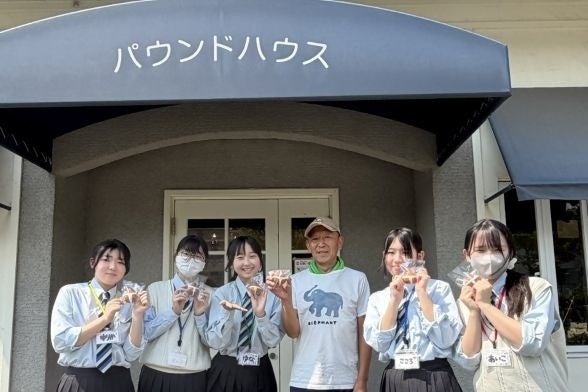
This hands-on resourcefulness mirrors a broader surge in student-led craft culture. As documented in a recent PR TIMES Report detailing how students at Saidaiji High School in Okayama co-developed anniversary sweets with regional patisserie Pound House Saidaiji, teenagers increasingly prefer tactile, edible, and bespoke creations over commercial merchandise. When translated into birthday surprises, that collaborative energy yields paper craft, confectionery bouquets, and hallway staging that look expensive on camera while costing less than the price of a takeout dinner.
📌 Key Takeaways:
- The Financial Model: Most viral high school birthday displays cost between $8 and $22 total, split across friend groups using dollar-store materials.
- The Aesthetic Driver: Setups prioritize visual contrast, symmetry, and rapid unboxing dynamics engineered to photograph clearly under fluorescent classroom lighting.
- Administrative Reality: Successful stunts rely on rapid three-minute installations and clean removals during morning homeroom to avoid school disciplinary write-ups.
The Micro-Budget Aesthetic Sweeping High School Hallways
Teenagers have figured out something professional visual marketers often miss: density creates perceived value. An individual candy bar looks like an afterthought, but thirty snack packs taped into a wearable armor sash registers as an event. The viral rise of school desk birthday decor stems directly from this principle.
Instead of splurging on designer items, student organizers rely on cheap bulk materials like butcher paper, washi tape, metallic balloons, and multipack confectionery. The objective is total surface transformation. When the birthday student arrives at 7:55 AM, their standard wooden desk has vanished beneath metallic wrapping, framed instant photos, and towering stacks of Japanese potato snacks or chocolate wafers. It costs roughly $12 to execute, requires fifteen minutes of early-morning stealth, and delivers an immediate emotional reaction that plays exceptionally well on camera.
Engineering the School Desk Transformation Before Morning Homeroom
The classroom birthday surprise requires precise timing. High school homeroom teachers generally enforce strict rules regarding classroom decorum, leaving organizers an eight-to-ten minute window before the morning bell rings.
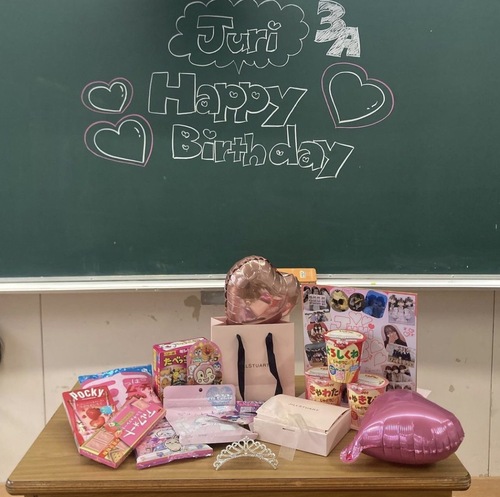
Preparation happens off-site. The night before, organizers measure standard desk dimensions, typically 24 by 18 inches, and precut wrapping paper, pre-attaching double-sided adhesive strips. Desk surfaces are sheeted in under ninety seconds. Next comes the perimeter: pastel paper streamers or balloon garlands tied to the metal chair legs. The centerpiece consists of a handwritten chalkboard mural or a tabletop cardboard tier displaying shared memories. Because tape residues can trigger administrative complaints, experienced students use painter's tape or non-marking putty. The result is a vibrant, personalized workstation that brightens the recipient's entire school day without damaging public property.
The Architecture of the Snack Bouquet and Candy Sash
Florists charge upwards of $50 for fresh cut flowers that wilt inside a locker by third period. In response, high schoolers invented the snack bouquet tutorial format, turning savory chips, gummies, and biscuit boxes into sculptural floral arrangements.
The construction mechanics are straightforward:
- The Core Structure: Wooden barbecue skewers taped securely to the backs of snack bags using heavy-duty clear tape.
- The Stepped Silhouette: Taller items like cylindrical chip tubes and long wafer sticks sit at the back, flanked by lighter candy bags layered down toward the front.
- The Outer Wrap: Inexpensive tissue paper folded into triangular fans, bound at the base with ribbon or brown kraft twine.
A companion format is the wearable candy sash or necklace, a continuous garland of wrapped treats heat-sealed or taped inside clear cellophane tubing. Worn through the hallways between periods, it serves as a walking badge of celebration. Friends and passing acquaintances pull snacks off the sash throughout the day, turning an inexpensive gift into an interactive social ritual.
Hallway Locker Makeovers That Survive Strict Administration Rules
Lockers present unique structural challenges. Magnetic latches, narrow corridors, and zero clearance between neighboring doors mean decorations must be compact yet visually punchy. Successful locker decoration ideas steer clear of wet glues or heavy items that slide down painted metal.
Magnetic sheets from dollar stores provide the ideal foundation. Cut into small squares, they hold up lightweight cardstock banners, instax film strips, and handwritten notes without leaving sticky residue. Battery-powered fairy lights taped inside the locker door frame create dramatic illumination the moment the locker swings open between passing periods. To complete the setup, students often hang lightweight paper crepe fringe just behind the door, creating an immediate curtain reveal that conceals small presents and snacks stacked inside the top shelf.
Hands-On Keepsakes: The Exploding Photo Box and Memory Scrapbook
Physical photographs carry unexpected emotional weight for digital natives. While teenagers store thousands of pictures on their phones, they rarely print them. This makes the handmade memory scrapbook and the DIY photo collage box standout gifts.
The explosion box looks like a modest gift box when closed. Once the recipient lifts the lid, the scored cardboard walls fall open outward, revealing nested layers covered in accordion photo folds, hidden pull-out tabs, and handwritten inside jokes. Printing thirty small square prints at a local pharmacy kiosk costs around $4.50, while cardstock paper runs roughly $3.00. When built collaboratively during lunch periods, the box functions as a permanent time capsule of the group's school year, outlasting temporary food gifts while keeping expenses manageable.
Comparing High School Birthday Surprise Formats
Choosing the right celebration method depends on available cash, homeroom rules, and how many friends participate. The table below outlines real-world execution metrics compiled from standard student supply runs and viral community setups.
| Surprise Format | Estimated Cost (USD) | Prep Time | Setup Window |
|---|---|---|---|
| Desk Wrap & Chalk Mural | $7, $12 | 45 mins | 8, 12 mins |
| Custom Snack Bouquet | $10, $18 | 60 mins | Instant handoff |
| Magnetic Locker Curtain | $5, $10 | 30 mins | 3, 5 mins |
| Exploding Photo Box | $8, $14 | 120 mins | Instant handoff |
| Wearable Candy Sash | $6, $11 | 25 mins | Instant handoff |
Group Coordination Tactics That Prevent Hallway Chaos
Poor planning ruins otherwise brilliant surprises. When six people buy supplies independently, duplicates happen, budgets inflate, and cleanup falls on one unlucky person. Effective friend group party planning requires distinct roles assigned forty-eight hours in advance.
One person manages the shared cash pool using micro-transfer apps or physical cash envelopes, capping individual contributions at $3 to $5 per person. A second person sources materials from local 100-yen shops or discount retailers. A third oversees the physical setup and morning distraction maneuver, ensuring the birthday person remains stalled in the school courtyard or cafeteria while decorations go up. Crucially, a clean-up pact must be established before homeroom ends: all tape, wrappers, and debris must disappear into recycling bins before fifth period to keep homeroom teachers on your side.
Frequently Asked Questions (FAQ)
Q1: How do students keep classroom desk surprises secret before the morning bell?
A1: Successful groups employ a designated "distractor" who intercepts the birthday student outside school grounds, walking them slowly through the cafeteria or library while two team members install the pre-cut desk wraps in under seven minutes.
Q2: What is the safest adhesive to use on school furniture without getting fined?
A2: Blue painter's tape and removable mounting putty are the gold standard. Never use duct tape, packing tape, or standard double-sided craft tape on painted lockers or wooden desks, as they strip enamel and leave gummy residues.
Q3: How much money should each friend contribute to an affordable group gift?
A3: Pooling between $3 and $6 across four to six friends generates $15 to $30. This covers all bulk wrapping, skewered snacks, and photo printing costs without putting financial pressure on any individual teenager.
What Classroom Celebrations Reveal About Modern Teen Community
The persistence of elaborate school surprises highlights a distinct shift in how young people express affection. In an environment saturated with digital notifications and automated greetings, taking forty-five minutes to fold cardstock, arrange snacks on wooden dowels, and sketch homeroom chalkboards represents genuine physical investment. These micro-celebrations prove that high-impact memories require coordination and creative craft, not deep pockets.