Visual Proof: The 2,200 Storyboards Revealing Harry Potter's Funniest Cut Scenes
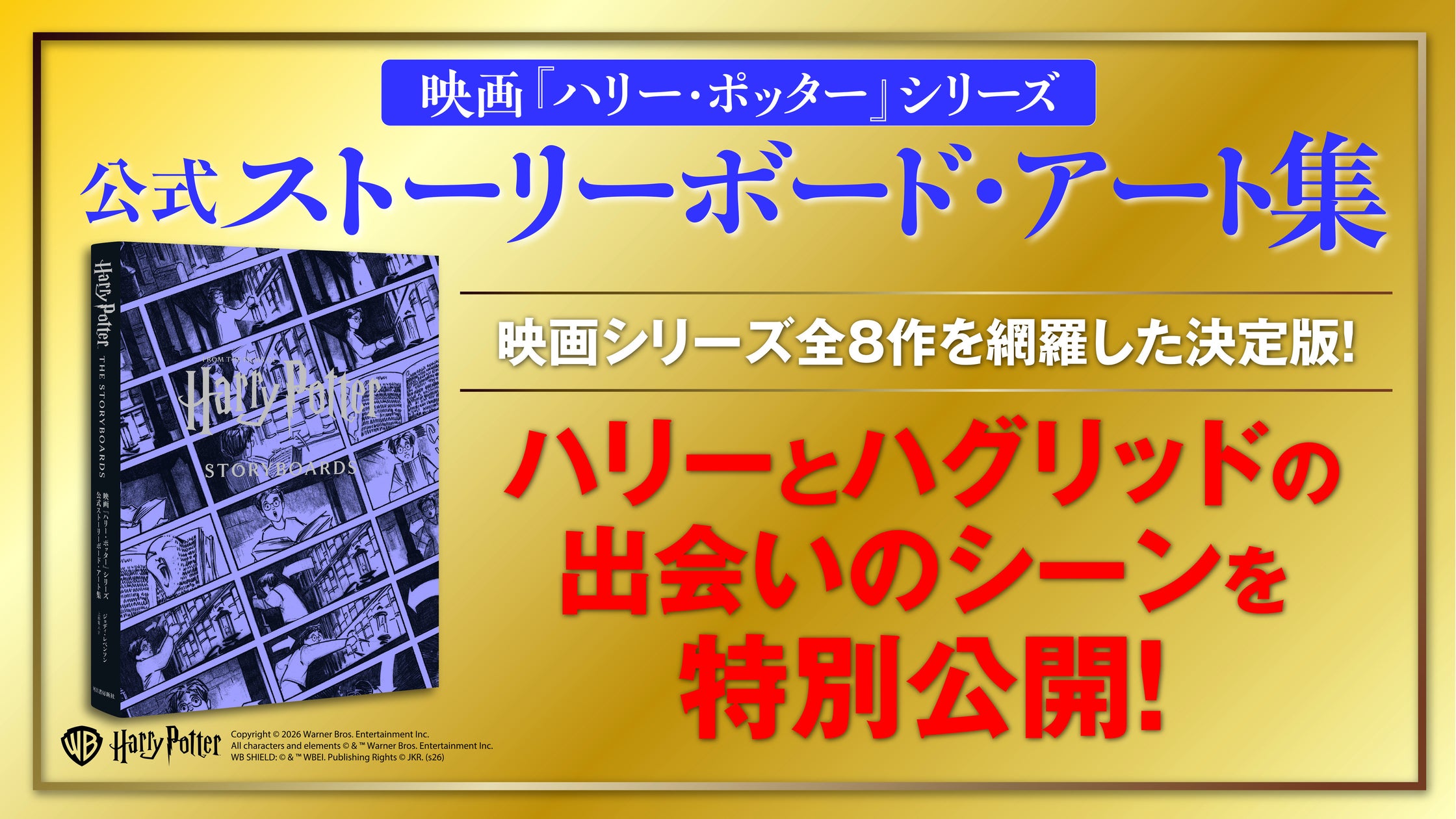
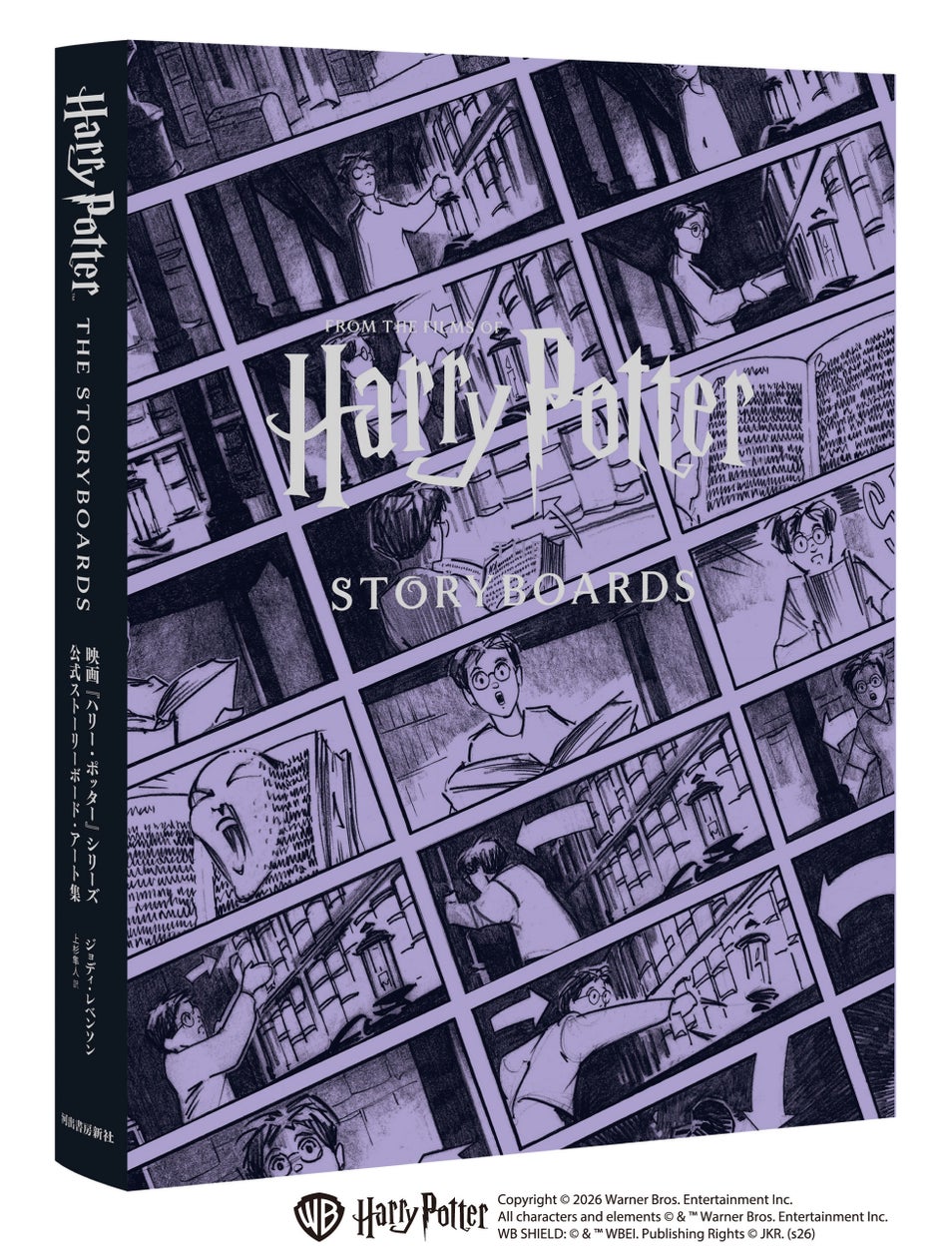
Twenty-five years after Chris Columbus brought J.K. Rowling’s wizarding world to theaters, the archival paper trail behind the franchise's humor has finally surfaced. A massive visual record curated by author Jody Revenson and translated by Hayato Uesugi is slated for release on October 9 by Japanese publisher Kawade Shobo Shinsha. As detailed in a [リアルサウンド Report](https://realsound.jp/book/2026/07/post-2451182.html), the official storyboard collection compiles more than 2,200 production drawings across all eight films, exposing how directors originally mapped out slapstick sequences, physical gags, and character quirks that never made the theatrical cut.
The timing coincides with a major global celebration. Marking the Sorcerer's Stone 25th anniversary, Warner Bros Studio Tour Tokyo in Nerima launched a dedicated spring-to-autumn showcase running from March 18 through September 6, 2026. Between the interactive installations in Tokyo and the release of production art archives, audiences now have direct visual evidence of how early filmmakers engineered the franchise's funniest beats, and why so many scripted jokes ended up on the cutting room floor.
📌 Key Takeaways:
- The Archive Release: Kawade Shobo Shinsha will publish a 2,200-drawing production archive on October 9, 2026, illustrating dozens of unreleased Hogwarts sequences and cut scenes from the 8 films.
- The Tokyo Showcase: Warner Bros Studio Tour Tokyo is staging its "Letters from Hogwarts" exhibition through September 6, 2026, displaying rare concept sketches and original sorting ceremony rigging.
- Character Dynamics: Archival pencil sketches demonstrate that Ron Weasley comedic timing was meticulously blocked on paper before Rupert Grint's set improvisations reshaped the finished movies.
The 2,200-Sketch Archive That Resets Hogwarts Humor
Production illustrators spent a decade drawing camera movements, sight gags, and stunt beats frame by frame. The upcoming publication of the official storyboard collection marks the first time Warner Bros. has opened the full chronological art vault to the public. Authored by veteran franchise archivist Jody Revenson, the volume gathers over 2,200 original hand-drawn sketches that served as the architectural skeleton for Columbus, Alfonso Cuarón, Mike Newell, and David Yates.
Early storyboards reveal that humor in the first two films was planned with theatrical, almost vaudevillian precision. Drafts for the Dursley household sequences in The Sorcerer’s Stone show extreme wide-angle sketches designed around Vernon Dursley’s physical collapses as Hogwarts acceptance letters flooded 4 Privet Drive. While the theatrical cut retained Dudley’s pig-tail panic, several elaborate visual gags involving Uncle Vernon wrestling with the fireplace grate and Aunt Petunia swatting flying envelopes with a frying pan remained strictly on paper.
The illustrations solve long-running fan debates about how much humor was planned on paper versus generated spontaneously on set. Animators mapped out every eye-roll, spilled potion, and broomstick wobble to budget expensive visual effects shots. When jokes were dropped, it was rarely because they failed to work on the page. They were trimmed to prevent 150-minute family films from ballooning into three-hour theatrical marathons.
From Scripted Slapstick to Rupert Grint's Improvised Timing
A closer look at the pre-visualization artwork highlights a stark divergence between written slapstick and what actors delivered on soundstages. The early production art archives show that Ron Weasley was initially conceived as a traditional comic-relief archetype prone to wild, exaggerated physical falls. Drafts for The Chamber of Secrets show multiple panels of Ron tumbling over desks during Gilderoy Lockhart’s disastrous Cornish Pixie lesson.
On set, however, Rupert Grint replaced broad clowning with quiet, deadpan underplaying. Former crew members noted during anniversary retrospective panels that Grint’s instincts altered the tone of director Chris Columbus's blocking. Instead of having Ron scramble across the floor as scripted, Columbus let the camera linger on Grint's frozen terror and muttering skepticism. That choice transformed Ron from a cartoon sidekick into an anchor of relatable adolescent dread.
The behind the scenes bloopers preserved in studio vaults tell a complementary story. Unseen movie outtakes reveal that Daniel Radcliffe and Emma Watson often broke character during tense sequences because Grint inserted subtle facial reactions between takes. In scenes like the Boggart class in The Prisoner of Azkaban, Cuarón actively incorporated Grint’s nervous pauses, bridging the gap between stylized storyboard art and natural adolescent camaraderie.
Tracking Harry Potter's Comedy: A Production Timeline (2001, 2026)
Over a quarter of a century, the humor in the series evolved from bright physical comedy to dry, situational gags tailored to an aging cast and an increasingly bleak narrative arc.
| Production Phase | Storyboarded Comedic Beats | Theatrical Reality | Archival Status (2026) |
|---|---|---|---|
| Columbus Era (2001, 2002) | Slapstick Dursley pranks, chaotic flying lessons, detailed Peeves antics | Focused on wonder; Peeves cut entirely; physical humor tightened | Peeves sketches featured in Revenson's October compendium |
| Cuarón / Newell (2004, 2005) | Awkward teenage dances, bumbling Divination mishaps, shrunken head banter | Shift to deadpan comedic timing and character-driven awkwardness | Yule Ball outtake boards preserved in Studio Tour Tokyo galleries |
| Yates Era (2007, 2011) | Slug Club social blunders, Felix Felicis euphoria, tent bickering | Radcliffe’s drunken-pincers improv kept; romance awkwardness highlighted | Full storyboard sets included in Kawade Shobo Shinsha collection |
| 25th Anniversary (2026) | Public release of 2,200+ original scene sketches and drafting notes | Exhibited physically at Tokyo Tour; published internationally | Full commercial publication across Japanese and English presses |
Tokyo's 25th Anniversary Exhibits Bring Storyboard Gags to Life
The practical artifacts behind these scenes have found a home in Japan. At Warner Bros Studio Tour Tokyo, The Making of Harry Potter, the sprawling facility built on the former Toshimaen amusement park grounds in Nerima, the 25th-anniversary program has placed production sketches side by side with surviving props.
The centerpiece attraction, running through September 6, 2026, is "Letters from Hogwarts." Visitors enter an expanded Great Hall installation that showcases original sorting ceremony animatronics and early mechanical tests for the Sorting Hat. Beside the physical hat, curators have mounted original concept sketches depicting discarded comedic interactions where the hat loudly insulted background Gryffindors before settling on their house.
Interactive displays reveal the mechanics of the 4 Privet Drive letter blast. Production notes show that special effects supervisor John Richardson built custom pneumatic cannons to fire hundreds of lightweight parchment envelopes through the living room mail slot. Columbus had initially storyboarded an extended sequence where Vernon attempted to swallow a letter to hide it from Harry. The practical test caused actor Richard Griffiths to choke on fake paper, prompting Columbus to abandon the stunt in favor of the flying envelope storm seen in the finished movie.
Why Warner Bros. Cut Crucial Comedic Sequences
Every minute of film in a massive franchise represents millions of dollars in visual effects and sound mixing. When editors cut scenes from the 8 films, comedy was often the first casualty. A prime example preserved in Revenson’s book is the phantom poltergeist Peeves, portrayed by the late British comedy legend Rik Mayall. Mayall shot two full weeks of material for The Sorcerer’s Stone, dropping chandeliers, stuffing chewing gum into keyholes, and making child actors break into uncontrollable laughter.
The storyboards reveal complex interaction shots combining Mayall’s live-action performance with translucent CGI layers. Columbus ultimately cut the entire plotline because Mayall’s chaotic presence derailed the story's rising narrative stakes. Adding ten minutes of spectral pranks slowed Harry’s journey to the third-floor corridor. When pacing clashed with comedic anarchy, the script’s mystery structure always won.
Later in the series, the shift toward darker themes squeezed out lighter moments. Director David Yates trimmed several deleted comedic moments from The Half-Blood Prince involving Weasleys' Wizard Wheezes to preserve a brooding, thriller atmosphere. Sketches for Fred and George testing U-No-Poo candy on younger students were fully illustrated but never lensed. Yates realized that over-indexing on practical jokes blunted the emotional shock of the climactic Astronomy Tower sequence.
Frequently Asked Questions (FAQ)
Q1: What is included in the new 2026 official Harry Potter storyboard collection?
The volume, authored by Jody Revenson and translated into Japanese by Hayato Uesugi, contains more than 2,200 original production storyboards spanning all eight films. It includes preliminary pencil concept art, cut action sequences, discarded slapstick moments, and handwritten directorial annotations from the Warner Bros. archives.
Q2: When does the 25th-anniversary exhibition run at Warner Bros Studio Tour Tokyo?
The special anniversary feature, titled "Letters from Hogwarts," runs from March 18 through September 6, 2026, at the Tokyo facility in Nerima. It features authentic props, early sorting ceremony designs, and interactive set reconstructions focused on the franchise's debut film.
Q3: Does the storyboard book verify the deleted Rik Mayall Peeves scenes?
Yes. The production sketches document the planned camera angles, visual effects placements, and slapstick pranks designed for Rik Mayall’s Peeves before the character was removed from the theatrical cut of The Sorcerer's Stone.
The Enduring Resonance of Hogwarts Comedy in 2026
The enduring popularity of the Harry Potter films relies on an element that high-fantasy projects frequently neglect: warmth. While elaborate Quidditch matches and wand duels provided visual spectacle, the domestic, awkward moments within the Gryffindor common room kept audiences invested across a decade of theatrical releases.
Revisiting these 2,200 production drawings demonstrates that making audiences laugh required just as much structural planning as staging a dragon chase. From the mechanical ingenuity of pneumatic letter launchers to the subtle, unscripted pauses that Rupert Grint brought to Ron Weasley, comedy served as the emotional foundation of the series. As the 25th-anniversary exhibits in Tokyo and the worldwide release of the storyboard archives make clear, the wizarding world captured generations not merely because of its magic, but because its heroes were allowed to be clumsy, imperfect, and genuinely funny.