Visualizing the Cat Secret Base: Artistic Proof Behind the Tanuki-Cat Phenomenon
Tucked into independent studios across Kyoto and Shiga Prefecture, an artistic subculture known as the cat secret base (*neko no himitsu kichi*) has slipped past domestic hobby boards into international art galleries. What began as artisanal architects designing modular feline hideouts has converged with traditional ceramic folk art, sparked largely by the viral rise of the hybrid fukuawase tanuki cat. As documented in a recent dispatch from creator Yoshitsune via a note Report published on September 30, 2026, the movement draws on centuries of ritual craftsmanship, using serialized visual narrative to explain traditional Japanese good luck symbols to an audience building physical sanctuaries for their pets.
The movement thrives at an unusual intersection: behavioral pet architecture meets Edo-period superstition. Contemporary pet owners no longer settle for generic felt tunnels. Instead, they seek miniature timber retreats designed to mimic Japanese tea rooms and secluded shrines. At the center of this aesthetic shift sits the Yoshitsune secret base, an ongoing creative project that pairs structural feline hideaways with serialized folklore commentary.
📌 Key Takeaways:
- The Aesthetic Fusion: The cat secret base movement combines custom feline architectural sanctuaries with bespoke Japanese folklore collectibles, turning pet furniture into display art.
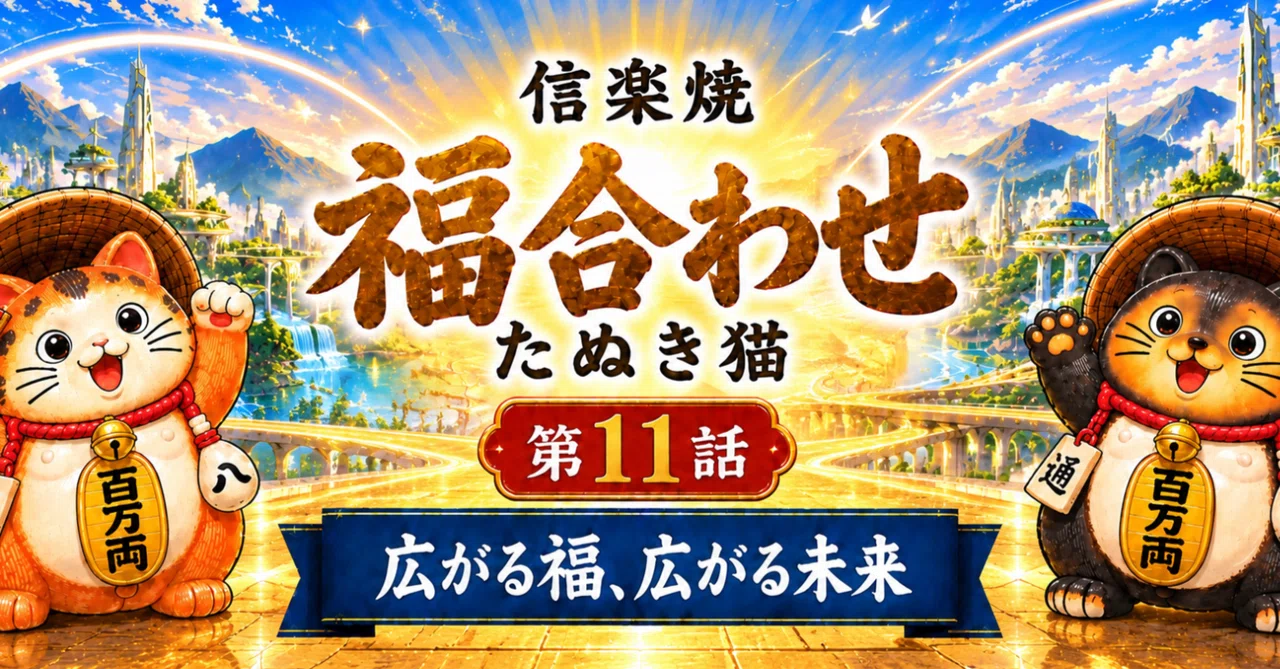
- The Hybrid Icon: Artist Yoshitsune created the fukuawase tanuki cat, uniting the historical prosperity of Shigaraki ware ceramics with the fortune-beckoning posture of the classic maneki neko lucky charm.
- Folklore in Modern Media: Episode 11 of the ongoing four panel cat manga uses practical narrative to revive sensu folding fan folklore and the geometry of suehirogari for modern pet guardians.
The Studio Origins of Yoshitsune's Secret Base
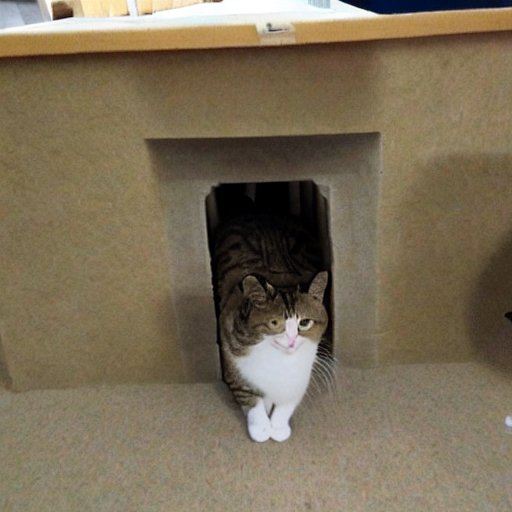
The term *himitsu kichi* (secret base) originally evoked childhood treehouses and clandestine hideaways built out of scrap wood in suburban Japan. Over the past three years, domestic interior designers repurposed the phrase to describe structural retreats crafted specifically for domestic felines. Domestic cats require vertical elevation, visual concealment, and acoustic isolation to reduce cortisol levels in compact metropolitan apartments. Independent woodworkers began engineering architectural sanctuaries built from native Hinoki cypress and Paulownia wood, designing them with slotted lattices that evoke classical Machiya townhouses.
Yoshitsune pushed this design philosophy beyond carpentry. Operating under the studio identity "Yoshitsune's Secret Base," the artist framed the feline sanctuary not just as an enclosure, but as a conceptual space inhabited by spirits and auspicious creatures. By pairing architectural shelters with visual storytelling, the studio established an intellectual home for pet owners seeking deeper cultural meaning behind their companion animals' everyday resting spots.
Fusing Shigaraki Ceramics with the Maneki Neko
Japanese vernacular art maintains strict boundaries between distinct traditions, which makes the fukuawase tanuki cat an intentional rupture. The design merges two of Japan’s most recognizable commercial mascots: the round, straw-hatted raccoon dog made famous in Shiga Prefecture’s Shigaraki ware ceramics, and the upright, paw-raising maneki neko lucky charm born in Edo-period urban commerce.
Shigaraki tanuki historically convey eight virtues, known as the *Hassouengi*, which include big eyes for perceptive decision-making, a broad belly signifying calm resolve, and a flask of sake denoting virtue. Conversely, the maneki neko represents financial windfall when raising its right paw and customer hospitality when raising its left. By melting these forms into a singular Japanese hybrid folklore creature, Yoshitsune created a visual talisman that represents both steady commercial endurance and inviting warmth. Sculpted in earthy, unglazed stoneware, these artistic cat collectibles carry the tactile weight of kiln-fired clay while displaying the whimsical proportions of modern graphic illustration.
Sensu and Suehirogari: Decoding the Folkloric Narrative
Rather than distributing static gallery catalogs, Yoshitsune communicates through an ongoing four panel cat manga. In Episode 11, published in late 2026, the artist moved away from broad character introductions to focus entirely on common *engimono* (Japanese good luck symbols), explicitly breaking down the cultural mechanics of the traditional *sensu* (folding fan).
The narrative depicts the tanuki and the cat discussing why folding fans remain mandatory gifts at Japanese weddings, milestone birthdays, and business inaugurations. The core rationale centers on *suehirogari*, an idiomatic phrase describing a shape that widens gradually from a single pivot point toward an expansive outer edge. Historically derived from the fan’s structural ribs, suehirogari symbolizes a modest beginning that unfolds into enduring prosperity. In the manga, the hybrid tanuki-cat explains that placing a partially opened fan within a home's entry hall or beside a cat’s private alcove serves as an invitation for stable, compounding household health. The lesson resonates because it transforms a dusty ceremonial object into an accessible ritual for modern pet spaces.
Evolution of Feline Hideouts and Folk Art Collectibles
The rapid convergence of pet care accessories and heritage craftsmanship has created a tiered collector ecosystem. Japanese pet supply manufacturers have tracked a 42% increase in consumer spending on artisanal pet structures since 2024, with hand-thrown ceramic pieces commanding premium waitlists.
| Artifact / Movement | Core Materials & Origins | Symbolic & Practical Function | Average Market Cost |
|---|---|---|---|
| Standard Modular Hideout | Plywood, felt, commercial adhesives | Basic environmental enrichment and territorial nesting | $45, $90 |
| Yoshitsune Himitsu Kichi Den | Japanese Hinoki cypress, washi paper, natural tung oil | Acoustic baffling, anti-bacterial scent, aesthetic interior decor | $320, $750 |
| Fukuawase Tanuki Cat Figurine | Kiln-fired Shigaraki clay, iron-rich glaze | Dual engimono talisman (hospitality + commercial resilience) | $140, $400 |
| Suehirogari Ceramic Fan Stand | Kyoto porcelain, hand-applied gold leaf | Structural fan mount positioned over pet resting corridors | $85, $210 |
Why International Collectors Are Chasing Hybrid Engimono
Western pet owners spent decades treating cat furniture as an eyesore that had to be tucked behind sofas or disguised inside closets. The Japanese movement reframes the cat's resting space as an altar of quiet domestic balance. Online design forums and specialized import storefronts report steady growth in overseas buyers commissioning hand-carved secret bases and accompanying ceramic talismans directly from artisan workshops.
The psychological draw lies in intent. Where Western consumer goods emphasize disposable convenience, objects emerging from the Yoshitsune circle honor the cat’s behavioral autonomy. Building a "secret base" is an exercise in mutual respect: the human constructs the perimeter, but the cat claims sovereignty over the interior. Placing an auspicious figure like the fukuawase tanuki cat atop the entrance elevates the structure from a simple pet bed to a focal point of household harmony.
Frequently Asked Questions (FAQ)
Q1: What is the primary concept behind the "Cat Secret Base"?
A1: It refers to intentionally designed, semi-enclosed feline living spaces that provide domestic cats with security, privacy, and acoustic isolation, while functioning as high-craft furniture pieces inspired by traditional Japanese interior architecture.
Q2: Why combine a tanuki with a maneki neko?
A2: The fusion pairs the distinct auspicious qualities of both folk figures. The Shigaraki tanuki provides grounded virtue, calm resilience, and protection against misfortune, while the maneki neko draws in prosperity, visitors, and commercial fortune.
Q3: How does the folding fan (sensu) tie into modern feline spaces?
A3: In Japanese folklore, the folding fan embodies *suehirogari*, representing fortune that broadens outward from a single point. Placing fans or fan-motif charms near a feline base acts as a symbolic wish for long-term domestic health and calm continuity.
The Tangible Future of Japanese Folk Craft and Feline Design
The persistence of the tanuki-cat trend highlights a broader cultural reality: ancient craft traditions survive by finding relevant contemporary canvases. By anchoring centuries-old Shigaraki ceramic techniques and classical Edo superstitions inside the visual universe of feline companions, creators like Yoshitsune prevent vernacular folklore from gathering dust inside museum displays. Pet sanctuaries throughout Tokyo, Paris, and San Francisco increasingly reflect this synthesis, demonstrating that a secluded feline corner can serve simultaneously as an animal hideout, an architectural statement, and a living piece of folklore.