Was Kokin-chan Always There? Fact-Checking the History of Anpanman's Rebel
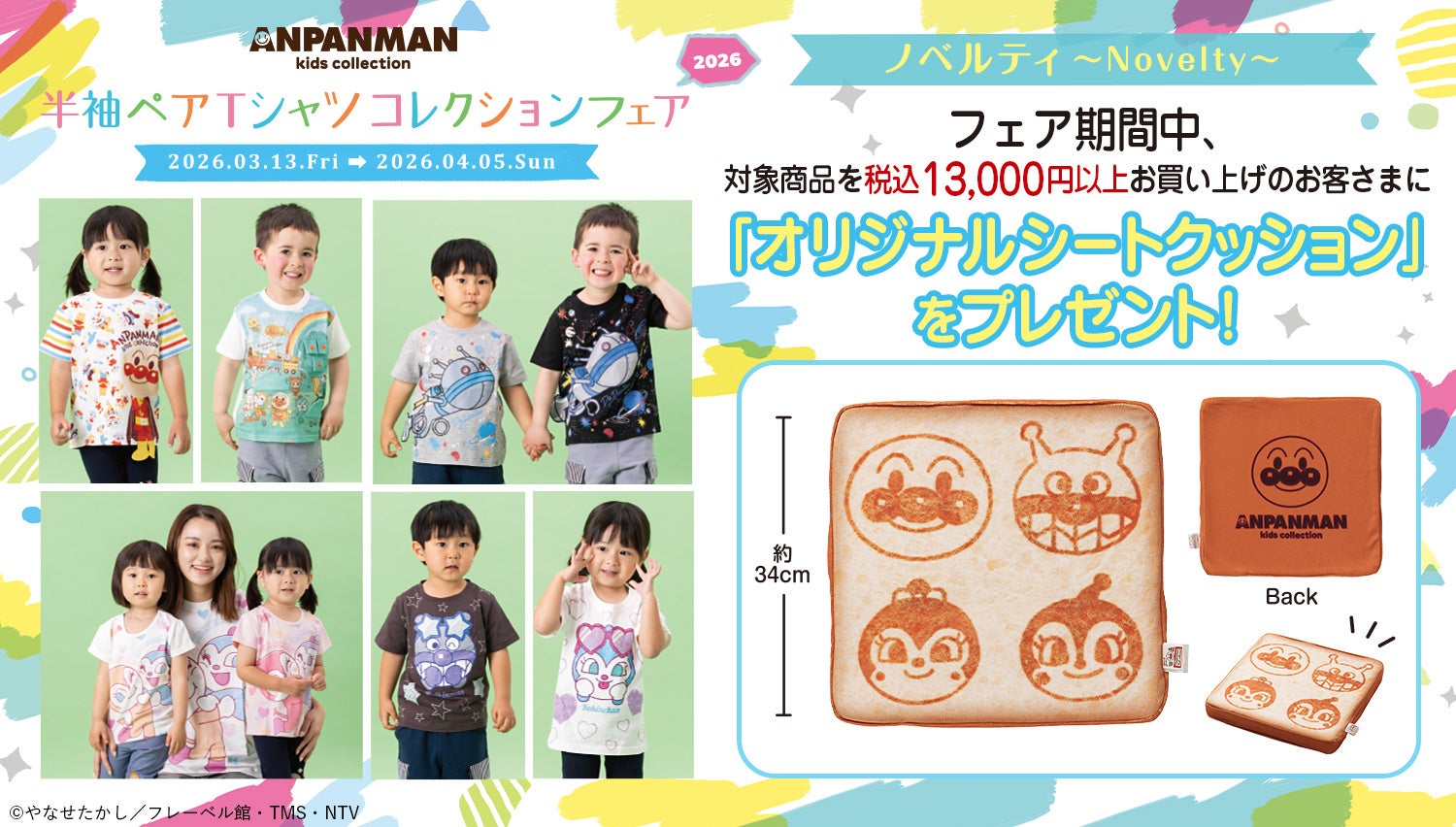
When LE SSERAFIM’s Sakura Miyawaki posted a photo holding character bread from the Takashi Yanase franchise to Instagram, her bewildered caption triggered a wave of nostalgia and confusion across Japanese social media: "Wait, was Kokin-chan always around?" For millions of adults who grew up watching Soreike! Anpanman during the 1990s, the tearful blue imp feels like she has occupied the fringes of Baikinman’s lair since time immemorial. Yet, as commercial demand reaches fever pitch in 2026, cemented by apparel drops highlighted in a PR TIMES Report on the Anpanman Kids Collection, the archival record reveals a very different timeline.
📌 Key Takeaways:
- Origins: Kokin-chan debuted in the 2007 theatrical short film Kokin-chan and the Blue Tears, nearly two decades after the anime's 1988 broadcast premiere.
- Festival Impact: The annual Kokin-chan Hinamatsuri episode serves as the narrative cornerstone that transformed her from a one-off movie guest into a seasonal TV staple.
- Market Realities: Limited-edition releases, from rare Kokin-chan chocolate merchandise to matching adult apparel, have propelled her commercial footprint beyond classic franchise leads.
The Instagram Post That Shook Millennial Memory
Sakura Miyawaki’s casual bakery snapshot struck a nerve because it exposed a collective blind spot in Japanese pop culture memory. Adults who aged out of preschool programming before the mid-2000s remember Dokin-chan, Baikinman’s hot-tempered, Shokupanman-obsessed cohort, as an only child figure. Kokin-chan arrived decades later, yet retrofitted herself so completely into the universe that casual viewers assumed she was an original 1980s creation.
Her identity centers on a unique relationship dynamic: she is introduced as Dokin-chan’s younger sister, or more specifically, her impostor-like relative hailing from the Germ Planet (Baikin-sei). Unlike Baikinman’s heavy machinery or Dokin-chan’s temper tantrums, Kokin-chan carries an unpredictable biological weapon. Her blue tears force anyone they touch into uncontrollable, weeping fits. This emotional disruption routinely derails Baikinman schemes while charming the denizens of the Anpanman world, establishing a dynamic that traditional heroes and villains could never replicate.
Fact-Checking the Franchise Timeline: From 2007 Movie Guest to Core Cast
Archival records from Nippon Television and TMS Entertainment show that Kokin-chan did not exist during the golden age of Showa-era picture books. Takashi Yanase created her in the 2000s, leading directly to her formal screen debut on July 14, 2007, in the theatrical short Kokin-chan and the Blue Tears (Kokin-chan to Aoi Namida), directed alongside the main feature Shabon-dama no Purun.
The transition from cinematic guest to regular broadcast television was swift. After striking an immediate chord with younger toddlers, she made her television series premiere in episode 909, broadcast in 2007. Voice actress Aya Hirano lent Kokin-chan a distinctive, shrill innocence that set her apart from Hiromi Tsuru’s sharper Dokin-chan. What began as an experimental sidekick rapidly evolved into an indispensable plot driver for seasonal specials, shifting the traditional good-versus-evil balance of the series into domestic comedy.
| Milestone | Release / Air Date | Narrative Significance |
|---|---|---|
| Theatrical Debut | July 14, 2007 | Introduced via Kokin-chan and the Blue Tears; established crying mechanics. |
| TV Broadcast Premiere | September 2007 | Officially entered series canon in Episode 909 as Dokin-chan's sister. |
| First Hinamatsuri Role | March 2008, 2010 Run | Integrated into annual Girls' Day doll festival narratives alongside Princess Nagabina. |
| Modern Merchandising Boom | 2024, 2026 | Parity with Anpanman in premium apparel, confectionery lines, and puzzle sets. |
Why the Hinamatsuri Episodes Turned Her Into a Cultural Staple
Every March, Japanese television schedules align with the Hinamatsuri peach blossom festival, also known as the Girls' Day doll festival. For an episodic show entering its fourth decade, seasonal rituals prevent storytelling fatigue. The traditional Anpanman Hinamatsuri setup involved Princess Nagabina and Prince Dairisama visiting from the Hina Village, only for Baikinman to steal the festive peach rice cakes (hishimochi) or festival treats.
Kokin-chan disrupted this predictable formula. In the canonical Kokin-chan Hinamatsuri episodes, her selfish desire to dress up as an Empress doll or eat the ceremonial sweets throws both camps into disarray. She invades the scene in her Blue UFO, disregards Baikinman’s orders, and runs straight to Uncle Jam’s bakery or the festival grounds. When Dokin-chan scolds her, the ensuing fountain of blue tears levels the playing field, reducing villainous robots and flying bread defenders to sobbing heaps. This recurring March narrative showcase cemented her status as an annual television fixture, ensuring every generation of toddlers since 2008 views Hinamatsuri as Kokin-chan’s personal showcase.

Retail Scarcity: The Rare Chocolate Craze and Adult Fashion Lines
Her television visibility has triggered a secondary phenomenon: unprecedented merchandising demand. In recent months, candy buyers across Japan sparked widespread social media discussions hunting for rare Kokin-chan chocolate merchandise. While standard characters like Baikinman, Dokin-chan, and Anpanman dominate production runs of the iconic stick-mounted lollipop chocolates (Anpanman Pero-pero Choco), Kokin-chan remains notoriously elusive. Shoppers reporting search times spanning anywhere from six weeks to ten months turned convenience store candy aisles into treasure hunts.
This consumer frenzy extends beyond candy. Bandai’s Lifestyle Division pushed Kokin-chan into high-end retail via the Anpanman Kids Collection. The brand introduced coordinated "peek-a-boo" graphic T-shirts offering matching designs for children and adults, pricing children’s apparel at 5,390 yen and adult variants at 8,250 yen. Concurrently, Sega Fave expanded its licensed puzzle merchandise in March 2026, positioning Kokin-chan alongside legacy powerhouses Akachanman and Dadandan in specialized bento box puzzles. She is no longer merely a supporting foil; she is a primary revenue generator.
The Dokin-Kokin Sister Dynamic: Subverting the Takashi Yanase Moral Code
Takashi Yanase built the Anpanman universe on stark existential philosophies born from his wartime experiences: hunger is the ultimate enemy, and true heroism requires physical self-sacrifice, as demonstrated when Anpanman feeds his own face to the starving. Dokin-chan introduced hedonism and self-interest to that universe, driven by unrequited romance and comfort. Kokin-chan strips away even those pretenses.
The Dokin-chan sister dynamic operates on pure childhood id. Kokin-chan does not plot world conquest, nor does she care about feeding the hungry. She wants fun, attention, and sweets immediately. When denied, her tears do not represent genuine suffering; they act as an emotional cudgel. This creates an ironic reversal where Dokin-chan, ordinarily an antagonist, is forced to act as the exhausted, responsible older sister dealing with an uncontrollable sibling. Parents watching the broadcast identify directly with Dokin-chan’s exasperation, while children see their own unrestrained impulses reflected in the blue visitor.
Frequently Asked Questions (FAQ)
Q1: Is Kokin-chan officially Dokin-chan’s biological sister?
A1: Official franchise materials define Kokin-chan as Dokin-chan's "妹分" (little sister figure or younger sister relative) who traveled from the Baikin Planet. While referred to colloquially as sisters, their connection mirrors an unruly cousin or adoptive younger sibling dynamic rather than a standard human family tree.
Q2: Why are Kokin-chan chocolates so difficult to find in Japanese supermarkets?
A2: Character allotments in assortment boxes for items like Fujiya's Anpanman Pero-pero Choco are unevenly distributed. Standard characters occupy the bulk of production, making Kokin-chan a chase item that consumers routinely report hunting for months across convenience stores.
Q3: Did Takashi Yanase design Kokin-chan himself before his passing?
A3: Yes. Takashi Yanase conceptualized and illustrated Kokin-chan in the 2000s, overseeing her movie introduction in 2007 before his death in 2013. She represents one of the final major character additions created under his direct supervision.
Generational Memory and the Franchise in 2026
The confusion surrounding Kokin-chan’s origins exposes how fluid pop-culture legacies become once corporate franchising hits critical mass. Because Soreike! Anpanman avoids linear progression, new characters integrate seamlessly into the perpetual three-year-old worldview of its audience. For anyone turning thirty today, Kokin-chan is an interloper who arrived long after childhood television rituals ended. For anyone under twenty, an Anpanman universe without her blue tears is unimaginable.
Her sustained popularity through seasonal television staples and sell-out retail collections highlights a subtle evolution in children's media. Audiences no longer gravitate exclusively to the spotless, selfless hero who surrenders his own sustenance, nor do they fully root for the mustache-twirling villain. They embrace the agent of domestic chaos who weeps loudly, takes the biggest piece of Hinamatsuri cake, and flies away without cleaning up the mess.