What If We Were Lovers? The Unexpected Cultural Trend Sweeping Modern Romance Media
The conditional phrase "if I became your lover" has quietly transformed from an old pop music lyric into the defining emotional cadence of 2026 romance media. Across television pilots, streaming scripts, and viral social threads, audiences have grown exhausted by manufactured melodrama and endless cynical swiping. Instead, cultural attention has swung toward the friction of the near-miss: two people standing right at the edge of an established bond, paralyzed by what happens if they cross it.
This storytelling pivot gained renewed industry weight following an official broadcast preview highlighted in a WOW! Korea Report, which detailed how the KBS 2TV series A Romance Other Than You built its entire premise around a grueling, tender ten-year emotional tether between characters played by Seo Kang-joon and Ahn Eun-jin. Rather than relying on instant attraction or convenient contrivances, modern romance dramas are interrogating the psychological weight of transition. They ask a simple, terrifying question: when familiarity turns into romance, what do both parties stand to lose?
📌 Key Takeaways:
- The Shifting Trope: Pop culture dating tropes have moved away from fairy-tale meet-cutes toward agonizing, long-term emotional intimacy shifts where friendship risks destruction.
- Screen Adaptations Driving Numbers: High-profile productions like KBS 2TV's *A Romance Other Than You* and MBS's late-night drama *Pouring Rain: Mellow Rain* highlight how creators rely on prolonged emotional history to hook viewers.
- Digital Reality: Relatable romance narratives now dominate viral feeds because younger demographics seek definitive confessions over the exhausting ambiguity of open-ended situationships.
The Death of the Fast Burn and the Rise of Emotional Stamina
Audiences no longer buy instant soulmates. Dating app burnout has altered psychological relationship expectations across the board, making the trope of strangers locking eyes across a crowded bar feel hollow. Viewers in 2026 gravitate toward history. They want shared inside jokes, established routines, and the unbearable friction of two people who already understand each other's worst habits.
This explains the rapid resurgence of the friends to lovers trope in scripted television. The narrative tension does not rely on an external antagonist or an absurd family secret. The obstacle is internal. The fear of ruining a comfortable friendship often outweighs the potential ecstasy of romantic fulfillment. When a character asks themselves what life looks like after stepping over that line, they face the reality that there is no walking back. It is this specific vulnerability that keeps audiences locked in week after week.
Escaping Situationships Through Confession Culture
Outside of scripted entertainment, the yearning for clear romantic boundaries dominates personal social discourse. For years, digital dating encouraged detached ambiguity, normalizing non-committal situationships where neither partner was allowed to express earnest desire. That social experiment has largely frayed.
Confession culture has re-emerged as an act of radical clarity. Stating "if I became your partner, this is who I would be" rejects modern casualness. It trades aloof detachment for clear intent. This relatable romance narrative resonates deeply with an audience tired of guessing games. Unrequited love psychology shows that uncertainty breeds chronic anxiety, whereas a direct declaration, even one that risks outright rejection, delivers psychological closure. Viewers reward narratives that treat emotional honesty as bravery rather than a social misstep.
Tracking the 2024, 2026 Evolution in Romance Media
The thematic shift from surface attraction to deep-rooted emotional history reflects measurable creative changes in production pipelines across East Asia and global platforms.
| Production / Cultural Moment | Release Window | Core Relational Dynamic | Structural Narrative Focus |
|---|---|---|---|
| A Romance Other Than You (KBS 2TV) | September 2026 | Decade-long companionship (Seo Kang-joon, Ahn Eun-jin) | Deconstructs the quiet dread of breaking a 10-year platonic status quo. |
| Pouring Rain: Mellow Rain (MBS) | November 2026 | Complex post-crisis co-dependency (Asahi Ito, Jun Muto) | Literary-rooted examination of emotional reliance turning domestic. |
| Viral Micro-Memoir Trend (Social Feeds) | Mid-2026 | Intimate everyday oddities shared between genuine partners | Elevates authentic quirks over polished, performative relationship ideals. |
Intellectual Intimacy and Everyday Absurdity
The modern hunger for authenticity also manifests in how real couples communicate. Polished date-night pictures have lost social currency. Audiences care far more about the bizarre, unfiltered ways two minds mold together when personal boundaries vanish.
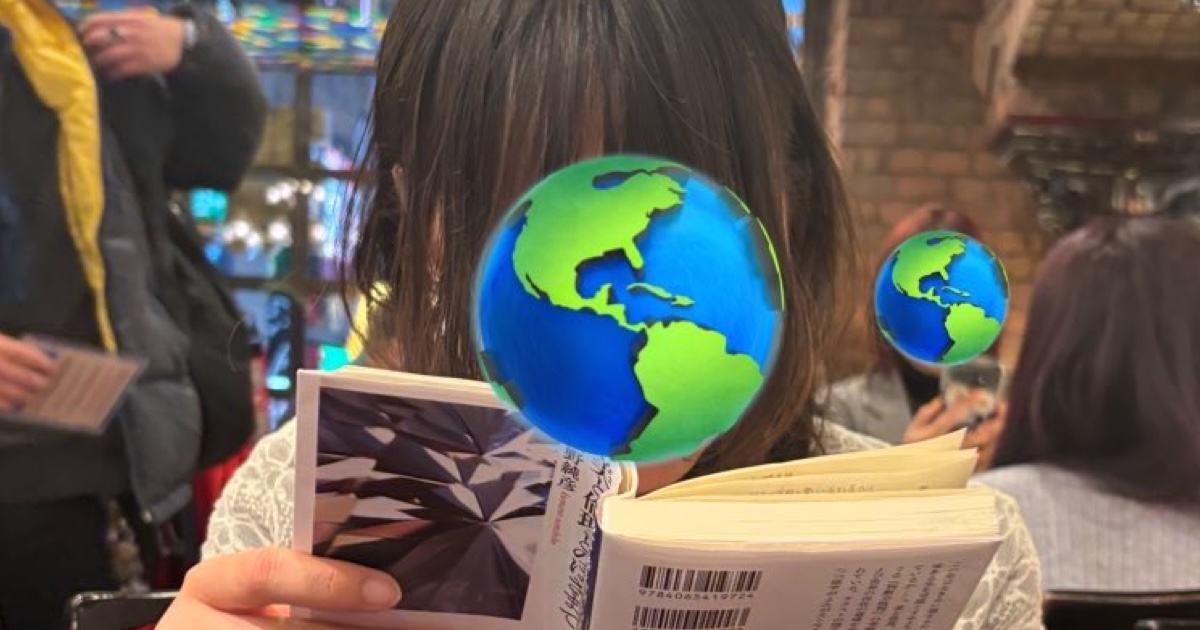
Consider an internet phenomenon that gripped Japanese social media in May 2026, documented by ITmedia. A university student posted about giving their partner an introductory book on the philosopher Immanuel Kant. Almost immediately, their everyday messaging thread turned into a series of dense, comical philosophical treatises. Instead of typical casual texts, their partner began dissecting mundane domestic dilemmas through rigorous deontological ethics and critiques of pure reason.
The exchange went viral not because of academic interest, but because it captured true intimacy. True romantic partnership means giving someone your thoughts and watching them play with them. It showed that when you truly let someone into your life, they reshape your everyday language in unexpected, hilarious ways.
Literary Depths in Romance Television Adaptations
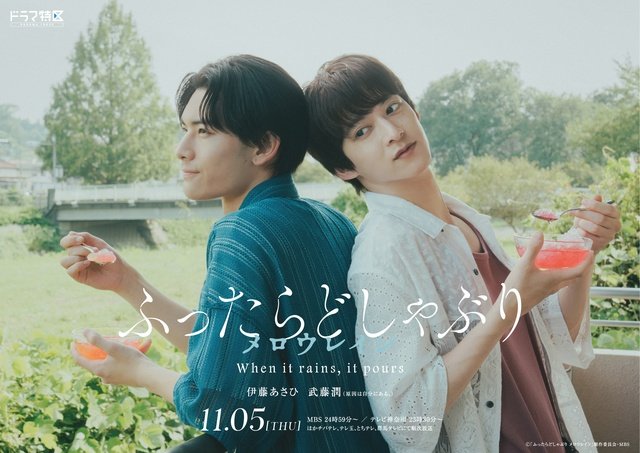
Screenwriters are increasingly turning to substantive, award-winning literature to ground these relational stakes. In Japan, MBS announced that actors Asahi Ito and Jun Muto would reprise their roles for the November 2026 premiere of Pouring Rain: Mellow Rain, the sequel to their critically acclaimed late-night drama.
The project draws its literary pedigree from source material crafted by an author honored with the prestigious 171st Naoki Prize for Tsumidemic. By anchoring television scripts in serious prose, studios have abandoned cheap romantic tropes in favor of grounded, messy interpersonal dynamics. Characters in these series do not merely ask what happens if they become lovers. They navigate physical proximity, unresolved trauma, and the silent renegotiation of space. The focus rests squarely on behavioral subtleties rather than grand speeches.
Frequently Asked Questions (FAQ)
Q1: What does "君の恋人になったら" mean in modern pop culture?
A1: Translating to "If I became your lover," the phrase symbolizes the mental threshold between casual friendship and full romantic commitment. It represents the hypothetical exploration of crossing an emotional boundary without guarantees.
Q2: Why are friends-to-lovers storylines surging in 2026?
A2: Widespread fatigue with quick-matching apps and superficial dating tropes has created a strong appetite for relationships rooted in history, trust, and shared emotional vulnerability.
Q3: How are contemporary romance dramas altering traditional formulas?
A3: Modern series focus heavily on internal psychological stakes rather than outside interference. High-profile 2026 releases highlight characters navigating long histories together, turning quiet domestic decisions into the primary dramatic engine.
The Lasting Pull of the Unspoken
Romance media works best when it honors the terror of vulnerability. Audiences do not need idealized protagonists who navigate love effortlessly. They crave characters who hesitate, weigh the cost of their words, and recognize that asking for someone's heart always involves putting an existing bond on the line.
As long as human beings struggle to define their feelings in a fractured world, the hypothetical question will retain its power. Picturing what life looks like beside someone you already trust is an irresistible fantasy. Crossing that bridge takes nerve, and watching someone finally take that step will always command our attention.