What Staying at Wapa di Ume Ubud Really Looks Like: Room Tours & Scenic Views

Central Ubud has spent the last decade battling its own popularity. Traffic crawls past the sacred monkey sanctuary, motorized scooters crowd the narrow lanes, and travel writers frequently seek quiet enclaves beyond the main grid. As highlighted in a recent SMH.com.au report exploring whether Bali can ever recreate Ubud's original rural charm, travelers are increasingly discerning about where they drop their bags. Just two kilometers north of the town center, along Jalan Suweta, sits an early pioneer of high-end Balinese hospitality that claims to preserve that elusive calm: Wapa di Ume Ubud.
Operating long before mega-resorts flooded Gianyar regency, this boutique hideaway positions itself as an unpretentious counterweight to commercialized retreats. It balances working agricultural land with boutique hospitality, drawing couples, solo travelers, and wellness seekers looking for an authentic base. Examining its layout, accommodations, pricing, and amenities reveals whether this property still lives up to its serene reputation.
📌 Quick Summary:
- The Setting: Situated five minutes north of Ubud Palace, Wapa di Ume blends terraced paddies and tropical forest along the rushing river valley.
- The Layout: Accommodations span traditional lanai rooms, elevated suites, and detached pool villas with unobstructed views.
- The Bottom Line: Room rates range between $180 and $450 per night, providing an intimate boutique feel with standard perks like daily yoga classes and afternoon tea.
The Jalan Suweta Ubud Location and Architectural Heritage
Location dictates everything in Ubud. While southern properties contend with heavy commuter traffic along Jalan Raya Ubud and Jalan Hanoman, Wapa di Ume enjoys a distinct geographic advantage along the Jalan Suweta Ubud location. The road heads directly north toward the farming hamlets of Sambahan, acting as a natural buffer between the bustling town market and rural farming communities.
The resort’s entrance is deliberately understated. Rather than an imposing concrete atrium, guests arrive at a discreet, open-air pavilion carved out of local paras stone and aged teak. Traditional Balinese architecture anchors the structural footprint. Rooflines rely on natural alang-alang thatched grass, which keeps interior temperatures cool even during peak midday humidity. Pathways wind between living water features, miniature stone shrines, and active irrigation canals that feed the surrounding rice terraces. This property was built into the landscape, stepping gently down toward the riverbank rather than flattening the contours.
Inside the Accommodations: From Lanai Rooms to Private Pool Villas
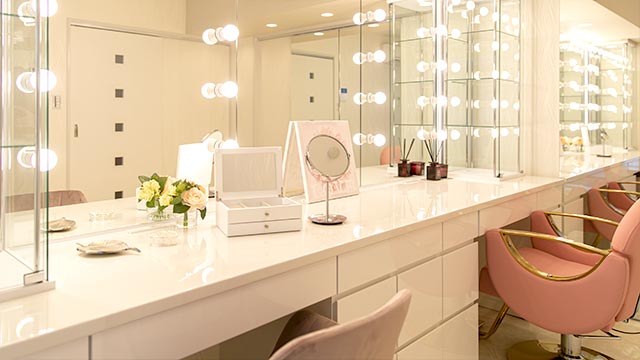
The property offers 33 thoughtfully distributed keys, split between multi-level terraced suites and standalone pool villas. Walking through the entry door of a Di Ume Suite immediately reveals the brand's design language: polished terrazzo floors, sunken stone bathtubs, and expansive sliding glass doors that open toward the greenery. The rooms do not rely on excessive digital panels or wall-mounted touchscreens. Instead, they lean into natural materials, woven rattan accents, and ceiling fans that complement subtle climate control.
The pinnacle of the inventory is the pool villa with rice field views. These freestanding structures feature private plunge pools built alongside working paddies, where local farmers tend crops on rotational cycles. Sunken outdoor living pavilions provide shade, while open-sided master bedrooms frame panoramic sunrises. For couples researching romantic getaways, honeymoon suite reviews consistently highlight the deep soaking tubs positioned over the valley edge and absolute visual isolation from neighboring guest villas. The private outdoor decks serve as breakfast platforms, reading corners, and late-night stargazing decks untouched by street lighting.
Room Categories, Specifications, and Nightly Pricing
Understanding Wapa di Ume room rates requires looking closely at unit size, view direction, and layout perks. Below is an overview of the typical room tiers, dimensions, and current 2026 average market rates during the dry and shoulder travel seasons.
| Room Category | Total Footprint | Average Rate (USD/Night) | Key Architectural Features |
|---|---|---|---|
| Lanai Room | 58 sqm | $180, $230 | Garden-level patio, outdoor shower, polished terrazzo flooring |
| Di Ume Suite | 75 sqm | $240, $290 | Upper-floor views, oversized sunken stone tub, private balcony |
| One-Bedroom Pool Villa | 120 sqm | $330, $410 | Private plunge pool, rice paddy outlook, outdoor cabana lounge |
| Two-Bedroom Family Villa | 180 sqm | $480, $620 | Dual master suites, central lap pool, private dining terrace |
Nightly pricing typically includes daily breakfast, afternoon Balinese sweets, and complimentary shuttle transfers running into central Ubud on fixed hourly schedules until 9:00 PM. High season (July through August and late December) drives prices up roughly 20% to 35% above shoulder-season baselines.

The Two-Tiered Infinity Pool and Rainforest Sanctuary Grounds
The centerpiece of this Ubud boutique luxury resort is its striking two-tiered infinity pool. Engineered to echo the cascading topography of the surrounding subak rice fields, the pool’s upper level flows quietly over a stone retaining wall into the deeper swimming basin below. Swimming to the edge places guests eye-level with the palm canopy and the river gorge.
Unlike massive international chain hotels where guests battle for loungers at dawn, Wapa di Ume retains a quiet, low-density rhythm. Timber sundecks hold a dozen cushioned loungers shaded by frangipani blossoms. The lower tier remains shaded for most of the afternoon, making it a welcome spot for a cool dip after hiking nearby trails. Birds, fruit bats, and dragonflies dart across the water surface, reinforcing the feeling of staying within an active Ubud rainforest sanctuary rather than a manicured resort bubble.
Culinary Encounters: Tahana Restaurant Dining and the Floating Breakfast
On-site dining centers on Tahana Restaurant dining, an open-sided multi-level pavilion framed by raw bamboo trusses and volcanic stone tiles. The kitchen focuses on regional Indonesian recipes, alongside a tightly curated selection of Western dishes for guests craving familiar comfort food. Signature offerings include slow-braised Balinese duck (bebek betutu), spiced vegetable parcels, and fresh river fish paired with home-pounded sambals.
Morning dining offers another popular ritual: the floating breakfast experience. Available to guests staying in private pool villas, staff set out woven wooden trays bearing fresh dragon fruit bowls, poached eggs on sourdough, fresh juices, and Bali coffee directly into the plunge pool. While widely photographed for social media, the setup is well-prepared, with hot dishes delivered under cloches to keep food fresh until you are ready to eat.
Wellness Rhythms: Complimentary Yoga Classes and Balinese Spa Packages
Health and wellness programs at Wapa di Ume are woven into the daily itinerary without feeling rigid or clinical. Each morning begins with complimentary yoga classes held inside an elevated bamboo shala. Elevated high above the undergrowth, the open-air studio catches the early morning breeze as an instructor leads guests through 60 minutes of Hatha and Vinyasa flows. Both beginners and experienced yogis join, and mats, blocks, and straps are provided on-site.
Steps away, the wellness center offers structured Wapa di Ume spa packages designed around native botanicals, virgin coconut oils, and sea salts. The signature two-hour ritual begins with a traditional floral foot bath, moves into a deep-tissue Balinese massage using rhythmic thumb and palm pressure, and finishes with a warming herbal scrub (boreh) alongside a soak in an outdoor stone tub filled with fresh petals. Pricing remains reasonable compared to global luxury competitors, with full two-hour restorative treatments priced around $45 to $65 per guest.
Frequently Asked Questions (FAQ)
Q1: How far is Wapa di Ume Ubud from the center of town?
A1: The resort sits approximately 2 kilometers north of Ubud Palace on Jalan Suweta. The drive takes 5 to 7 minutes by car or scooter, and the hotel runs a scheduled complimentary shuttle bus several times throughout the day.
Q2: Is the resort suitable for travelers with mobility limitations?
A2: The property is built along a steep river hillside featuring stone steps, winding garden paths, and terraced levels. While main pavilions are easy to reach, navigating down to the river suites and the lower pool tier can be challenging for guests with severe mobility concerns.
Q3: Are the rice fields around the pool villas always green?
A3: Because the paddies are actively farmed by local families using traditional rotational cycles, the views change through the seasons. Expect emerald-green shoots during planting, golden stalks before harvest, and flooded reflective water mirrors during replanting cycles.
Navigating Ubud's Shifting Hospitality Landscape
As Bali grapples with mounting infrastructure pressures and shifting tourism dynamics, properties that balance cultural heritage with quiet privacy are becoming rare. Wapa di Ume Ubud holds its ground by prioritizing natural contours, traditional Balinese architecture, and unhurried service over trendy novelties. For travelers seeking the lush river gorges and emerald rice terraces that first put Ubud on the global map, this quiet sanctuary along Jalan Suweta still delivers the real thing.