Where Is the Gold Clock? Step-by-Step Nagoya Station Navigation and Photo Guide
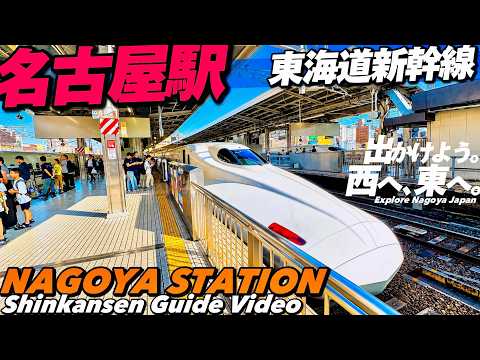
Nagoya Station processes over 1.2 million commuters every day across a labyrinth of rail networks, department stores, and subterranean shopping malls. For travelers arriving by bullet train or transferring across regional lines, the primary landmark for meetups is Kin no Tokei, the iconic Nagoya Station Gold Clock. Yet the sprawling layout of the complex routinely turns a simple rendezvous into a disorienting search. Detailed visual mapping highlighted in the YouTube (MIRU tube JAPAN 【Route Guide】) Report demonstrates that reaching this gleaming fixture takes less than four minutes once you understand the station's central geographic axis.
Navigating this transit nexus requires zeroing in on directional sightlines rather than wandering through multi-level underground corridors. By learning the position of the east-west concourse, identifying the correct ticket barriers, and recognizing the critical markers of the Sakura-dori side, you can bypass rush-hour bottlenecks and find your party effortlessly.
📌 Key Takeaways:
- Exact Location: Anchored at the eastern Sakura-dori Exit concourse directly at the foot of the JR Central Towers escalators.
- Primary Orientation: Walking eastward through the Nagoya Station Central Walkway from the bullet train gates leads directly to the Gold Clock.
- The Common Error: Travelers frequently confuse the Gold Clock with the Silver Clock, which sits on the exact opposite side of the terminal.
The Geography of Kin no Tokei Inside JR Central Towers
The Gold Clock stands as an architectural centerpiece on the ground floor of the JR Central Towers complex. Rising several meters above the concourse floor, the golden spire features an ornate, four-faced analog timepiece surrounded by circular bench seating and wide pedestrian passages. It functions as the gateway between the station's primary railway operations and the upscale commercial sector housing the JR Nagoya Takashimaya department store.
Positioned right inside the Sakura-dori Exit, the clock captures natural light spilling through massive multi-story glass curtain walls. Because it sits directly between the station's main JR ticket barriers and the street-level taxi ranks, foot traffic around the base stays relentless throughout the day. Commuters use it as an orienting landmark when heading toward the business districts of Meieki, the underground shopping arcades of Gate Walk, or the high-rise office towers across the street.
Spotting the installation from a distance is straightforward if you keep your eyes elevated. The spire extends well above head height, catching the reflection of concourse lighting. During seasonal promotional events or holiday periods, the base frequently hosts floral arrangements or civic installations, making it an unmistakable beacon inside the terminal.
Navigating the Central Walkway from Shinkansen Platforms
Arriving passengers stepping off the Tokaido Shinkansen disembark on the western side of the complex. The high-speed rail platforms feed directly into the Taiko-dori Shinkansen gates, placing visitors at the western perimeter. Exiting these turnstiles drops you into a busy hall that looks nearly identical to the eastern side, which causes immediate confusion for first-time visitors.
To reach the Gold Clock from the Shinkansen concourse, avoid taking any stairs downward into the underground arcades. Instead, locate the broad Nagoya Station Central Walkway. This wide pedestrian thoroughfare cuts straight through the building along an east-west axis, running uninterrupted for roughly 250 meters.
Walk past the central JR Tokaido Line gates on your left and right. Keep proceeding east toward the signs pointing directly toward the Sakura-dori Exit and JR Central Towers. As the ceiling vaults open up and the entrance to the Takashimaya department store appears in front of you, the Gold Clock will stand immediately in your line of sight. Walking this route at a normal pace takes approximately three to four minutes.
| Feature | Gold Clock (Kin no Tokei) | Silver Clock (Gin no Tokei) |
|---|---|---|
| Station Concourse | East Side (Sakura-dori Exit) | West Side (Taiko-dori Exit) |
| Nearest Transit Lines | Higashiyama Subway, Meitetsu, Kintetsu | Tokaido Shinkansen, JR Highway Buses |
| Surrounding Landmarks | Takashimaya, Gate Tower, Towers Plaza | Bic Camera, Esca Underground Mall |
| Pedestrian Volume | Heavy local foot traffic & shoppers | Tour groups & long-distance commuters |
Gold Clock vs. Silver Clock: Avoiding the Classic Mix-Up
The single most common mistake made at Nagoya Station is mixing up the two clocks. Nagoya Station features twin timepieces stationed at opposite ends of the Central Walkway. On the west sits the Silver Clock (Gin no Tokei), while the east hosts the Gold Clock. Both serve as Nagoya tourist rendezvous points, but showing up at the wrong one means navigating a quarter-kilometer through dense crowds to correct your error.
The Silver Clock features a modern metallic box design set into a square pillar. It sits adjacent to the Shinkansen turnstiles, right above the entrances to the Esca subterranean retail complex and opposite the famous Bic Camera electronics outlet. Commuters boarding bullet trains or cross-country highway express buses rely heavily on the Silver Clock because of its proximity to long-distance boarding gates.
The Gold Clock is taller, slender, and distinctly classical in finish. If you see high-speed train ticket gates within 20 yards of where you are standing, you are at the Silver Clock. If you see luxury boutique storefronts, towering department store escalators, and a glass-enclosed atrium overlooking the downtown skyline, you have reached the Gold Clock.

Transfer Pathways from Meitetsu, Kintetsu, and the Subway Network
Commuters arriving via regional private rail lines face a different challenge. Both Meitetsu Nagoya Station transfers and the Kintetsu line connection feed into lower subterranean levels located south of the main JR complex. Travelers emerging from these platforms must climb up to ground level to access the Gold Clock.
If arriving via the Meitetsu line, exit through the Central Ticket Gate, ascend the escalators to the ground floor, and turn right toward the JR line concourse. Moving from the Kintetsu terminal follows a similar sequence: pass through the main surface transfer gates and proceed north through the indoor corridors connecting the private railways to the main JR atrium.
Travelers using the city municipal transit system will arrive via the Higashiyama subway route or the Sakura-dori subway line. From the Higashiyama Line platform, head toward Exit 8 or follow overhead signage reading "JR Lines / Sakura-dori Exit." Ascending the main stairs brings you directly into the lobby space right beside the Gold Clock base. If you reach the Sakura-dori subway gates, follow the underground signage leading toward the Gate Walk shopping corridor, then take the central escalators up to the JR concourse level.
Smart Rendezvous Tactics for Tour Groups and Travelers
Because the Gold Clock is universally recognized across central Japan, hundreds of people congregate around its perimeter at peak hours. Between 5:00 PM and 7:00 PM on weekdays, finding an individual friend among the sea of waiting commuters can be frustrating. Smart travelers apply specific protocols to avoid standing around blindly.
Designate a specific corner of the installation rather than agreeing to meet "at the clock." Agreeing to stand near the "Takashimaya entrance side" or the "escalator base toward the 12th-floor dining terrace" narrows the visual search area significantly. If you are joining organized day excursions heading north toward Takayama and Shirakawa-go, tour leaders often assemble near the outer perimeter edges to prevent blocking the Central Walkway thoroughfare.
For photography, early mornings between 6:30 AM and 8:00 AM provide the best conditions. During these hours, natural dawn light filters through the eastern glass facades, illuminating the gold plating without the heavy shadows cast by afternoon crowds. Position your camera low near the base of the escalators facing west to capture the full vertical scale of the clock spire against the vaulted ceiling architecture.
Frequently Asked Questions (FAQ)
Q1: How far is the walk from the Shinkansen gates to the Gold Clock?
A1: The walk takes roughly 3 to 4 minutes along the Central Walkway. The distance is approximately 250 meters along a straight, flat indoor corridor with clear overhead signage pointing toward the Sakura-dori Exit.
Q2: Is there free public Wi-Fi available around the Gold Clock?
A2: Yes. The JR Central Towers concourse offers access to "JR-Central_Free_Wi-Fi" as well as Nagoya City's municipal wireless network. Signal strength is consistently reliable directly beside the clock pillar and near the Takashimaya department store entrance.
Q3: What should I do if my meetup group is at the Silver Clock instead?
A3: Walk straight through the station concourse. Turn your back to the Gold Clock and walk west along the broad Central Walkway past the JR Tokaido Line gates. You will reach the Silver Clock at the Taiko-dori Exit in under five minutes without changing floors.
Mastering the Flow of Nagoya Station in 2026
Nagoya Station serves as a central engine of transit for central Japan, blending high-speed regional rail with urban commercial hubs. The Gold Clock remains its most dependable visual anchor. Keeping your orientation anchored to the eastern Sakura-dori Exit eliminates transit headaches, whether you are transferring across regional railway operators or meeting fellow travelers for a day excursion into Gifu Prefecture.
Check directional signs overhead before rushing down underground stairwells. By staying on the central ground-level walkway and remembering the eastern placement of the JR Central Towers, you can navigate the busy corridors with total confidence and reach the iconic golden timepiece without missing a beat.