Who Is Tyke in Tom and Jerry? The Secret Lore Behind Spike's Innocent Pup
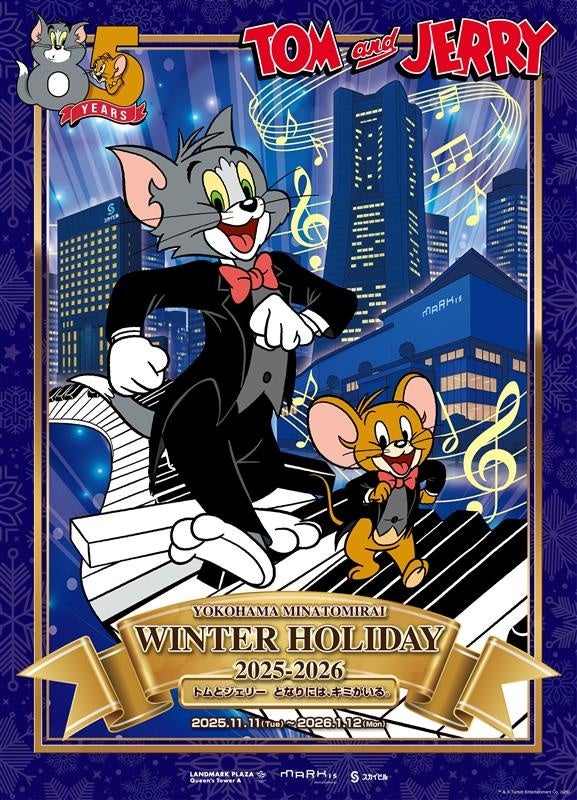
Across nationwide exhibitions and commercial campaigns celebrating the franchise's 85th anniversary, an unexpected character has captured public fascination: Tyke, the small, mute bulldog puppy who first wandered across theater screens in 1949. While global retail activations, including the collaborative winter holiday rollout detailed in the PR TIMES Report by Warner Bros. Japan, highlight Tom Cat and Jerry Mouse, archival pop-up displays and new vinyl merchandise consistently sell out of Tyke figurines first. The pint-sized pup has outgrown his supporting roots to become a standalone licensing powerhouse.
Tyke operates as a crucial narrative stabilizer inside the chaotic universe created by William Hanna and Joseph Barbera. Rather than participating in the manic, predatory violence that defines the central cat-and-mouse feud, Tyke represents pure, defenseless innocence. Whenever he appears on screen, the dynamic changes instantly: the slapstick shifts from mutual torment to high-stakes parental protection, elevating his father, Spike, into an unstoppable comedic force.
📌 Key Takeaways:
- The Debut: Tyke was introduced by William Hanna and Joseph Barbera in the Oscar-nominated 1949 theatrical short Love That Pup to expand the emotional stakes of the series.
- The Formula Shift: Unlike Jerry, who actively plots counterattacks, Tyke never instigates violence; his mere presence turns Tom's carelessness into guaranteed retribution from Spike.
- The Spinoff Legacy: MGM attempted to build an independent franchise around the father-son duo in 1957 with Give and Tyke, just before the studio shuttered its original animation unit.
The 1949 Golden Age Debut That Reshaped MGM's Slapstick Engine
By the late 1940s, directors William Hanna and Joseph Barbera faced a creative hurdle at Metro-Goldwyn-Mayer. The basic chase formula between Tom and Jerry risked growing repetitive after nearly a decade of production. While the creators had previously introduced Spike, the brutish, gravel-voiced English bulldog voiced originally by Billy Bletcher and later by Daws Butler, Spike was primarily an environmental hazard, tied to a leash or guarding a yard.
That changed on October 1, 1949, with the theatrical release of Love That Pup. Animators Ed Barge, Ray Patterson, Irven Spence, and Kenneth Muse drafted a miniature, rounded version of Spike: a cream-and-grey puppy with oversized jowls, a single baby tooth, and silent barks resembling squeaky toys.
Tyke introduced an asymmetric emotional dynamic. Spike was no longer just an angry backyard brawler; he was an intensely devoted, doting father willing to pulverize anyone who disturbed his child's afternoon nap. Tom's objective shifted from simply catching Jerry to navigating the yard without waking, nudging, or startling the sleeping puppy. The resulting physical comedy turned ordinary domestic noises, a squeaking floorboard, a rolling milk bottle, a snapped twig, into moments of sheer terror for the cat.
Why Spike and Tyke Redefined Fatherhood in Classic Theatrical Shorts
Classic cartoon bulldog characters in the 1940s and 1950s were almost exclusively cast as dumb muscle, bouncers, or one-dimensional adversaries. Warner Bros. used Hector the Bulldog and Marc Antony in similar tough-guy roles, but Hanna-Barbera approached Spike and Tyke through tender family domesticity. Spike builds elaborate doghouses, prepares balanced cutlets, and teaches Tyke the basics of barking and burying bones.
In the 1953 short That's My Pup, Spike coaches Tyke on how to corner a cat up a tree, physically forcing a terrified Tom to participate as a cooperative training prop. The comedy stems from the sheer contrast between Spike's violent threats toward Tom and his sweet, cooing praise for Tyke ("That's my boy!").
In 1954's Hic-cup Pup, the narrative tension tightens further: Tyke develops chronic hiccups, and Spike threatens to tear Tom limb from limb if the cat makes even a fraction of a sound. In each encounter, Tyke remains entirely unaware of the lethal violence swirling inches above his head. He barks happily, waddles into danger, and showers affection on everyone, presenting an uncorrupted view of the world that forces Tom into increasingly desperate, pretzel-like contortions to suppress household noise.
The Theatrical Trajectory of Tyke Across MGM's Classic Catalog
Tyke's appearance in the original theatrical run was concentrated across the peak Technicolor period of the studio. Below is the historical production record of his appearances during the Hanna-Barbera Golden Age:
| Short Title | Release Year | Narrative Function & Franchise Impact |
|---|---|---|
| Love That Pup | 1949 | Debuted Tyke; established the protective father premise; later remade in CinemaScope as Tops with Pops (1957). |
| Slicked-up Pup | 1951 | Spike baths Tyke in clean starch; Tom must avoid muddying the pup while chasing Jerry through the laundry yard. |
| That's My Pup! | 1953 | Introduced pedagogical comedy; Spike trains Tyke on how to chase cats, using Tom as an unwilling training dummy. |
| Hic-cup Pup | 1954 | Centered on acoustic slapstick; Tom goes to ridiculous extremes to prevent stray sounds from interrupting Tyke's nap. |
| Pup on a Picnic | 1955 | Expanded the scope outside the backyard; Jerry hides in Spike and Tyke's picnic basket to trigger defensive strikes on Tom. |
| Give and Tyke | 1957 | Sole standalone theatrical release under the short-lived Spike and Tyke series; completed before MGM shut down the studio. |
The Short-Lived 1957 Spinoff: How Studio Politics Derailed Give and Tyke
By 1956, MGM executives recognized that the bulldog duo possessed enough star power to warrant an independent series without Tom or Jerry. William Hanna and Joseph Barbera received approval to launch an official Spike and Tyke theatrical spinoff in widescreen CinemaScope.
The first entry, Give and Tyke, hit theaters in March 1957. The plot followed Spike trying to obtain an official dog license within a 24-hour deadline while protecting Tyke from a stray alley dog and an overzealous dogcatcher. The short demonstrated sharper character dialogue and showcased Tyke's role in grounding Spike's volatile temper. A second theatrical short, Scat Cats, was rushed into production shortly after.
The spinoff abruptly died due to corporate restructuring rather than poor box office performance. In mid-1957, MGM management decided to liquidate its internal theatrical animation division to cut costs, opting instead to reissue older catalog shorts. Hanna and Barbera were let go, leading them to form their own independent television production studio, Hanna-Barbera Productions. The Spike and Tyke standalone series vanished after just two completed installments, turning original production cels of Tyke from this era into rare collector items.
From Television Syndication to Warner Bros. 85th Anniversary Icon
When Warner Bros. took custody of the classic MGM catalog through corporate mergers involving Turner Entertainment, Tyke transitioned smoothly into syndicated television. He reappeared in The Tom and Jerry Comedy Show (1980), Tom & Jerry Kids (1990, 1993), and direct-to-video features throughout the 2000s and 2010s. In Tom & Jerry Kids, Tyke was given a juvenile speaking voice for the first time, though purists widely regard his silent, expressive 1949, 1955 era as his creative peak.
As the franchise marks its 85th anniversary in 2026, Tyke has found a massive second life in Asian and European retail markets. In Japan, character exhibitions spanning Tokyo, Yokohama, and Osaka have framed Tyke as the ultimate "iyashi-kei" (healing-type) mascot. Retail data indicates that consumers aged 18 to 35 frequently purchase Tyke stationery, apparel, and miniature plush charms over the lead characters due to his round silhouette and gentle expressions. What began as a narrative plot device to raise the comedic stakes on Tom Cat has become a distinct, enduring symbol of classic animation craftsmanship.
Frequently Asked Questions (FAQ)
Q1: Does Tyke ever speak in the original Hanna-Barbera cartoons?
A1: In the original 1949, 1957 MGM theatrical shorts, Tyke never utters spoken dialogue. He communicates strictly through expressive facial animation, quiet whimpers, and high-pitched, squeaky barks. He was first given an intelligible speaking voice decades later during the 1990 television series Tom & Jerry Kids.
Q2: Why was Tyke sometimes called "Junior" in early television airings?
A2: When older theatrical prints were transferred to 16mm syndication packages in the 1960s, occasional promotional materials and title cards conflated Tyke with minor incidental bulldog characters. However, original MGM copyright registries and the theatrical short Give and Tyke (1957) confirm his canonical name has always been Tyke.
Q3: Is Spike Tyke's biological father, and who is Tyke's mother?
A3: Spike is canonically Tyke's father, confirmed across dialogue in shorts like That's My Pup where Spike repeatedly refers to him as "my boy." Tyke's mother has never appeared on screen or been identified in official studio lore, leaving the duo as a dedicated single-father household throughout animation history.
The Lasting Cultural Value of Hanna-Barbera's Little Bulldog
Eighty-five years into the history of Tom and Jerry, Tyke stands as evidence of how subtle character engineering can preserve an animated franchise. Rather than piling on louder slapstick or faster pacing, William Hanna and Joseph Barbera simply dropped an innocent baby animal into the crossfire.
That single creative choice injected genuine stakes into an otherwise relentless cycle of cat-and-mouse violence. Tyke remains a masterclass in classic animation design: round, completely silent, and eternally protected by a father's iron jaw.