Why Everyone Is Obsessed With the Viral 'My Blythe Doll' Test and How to Try It
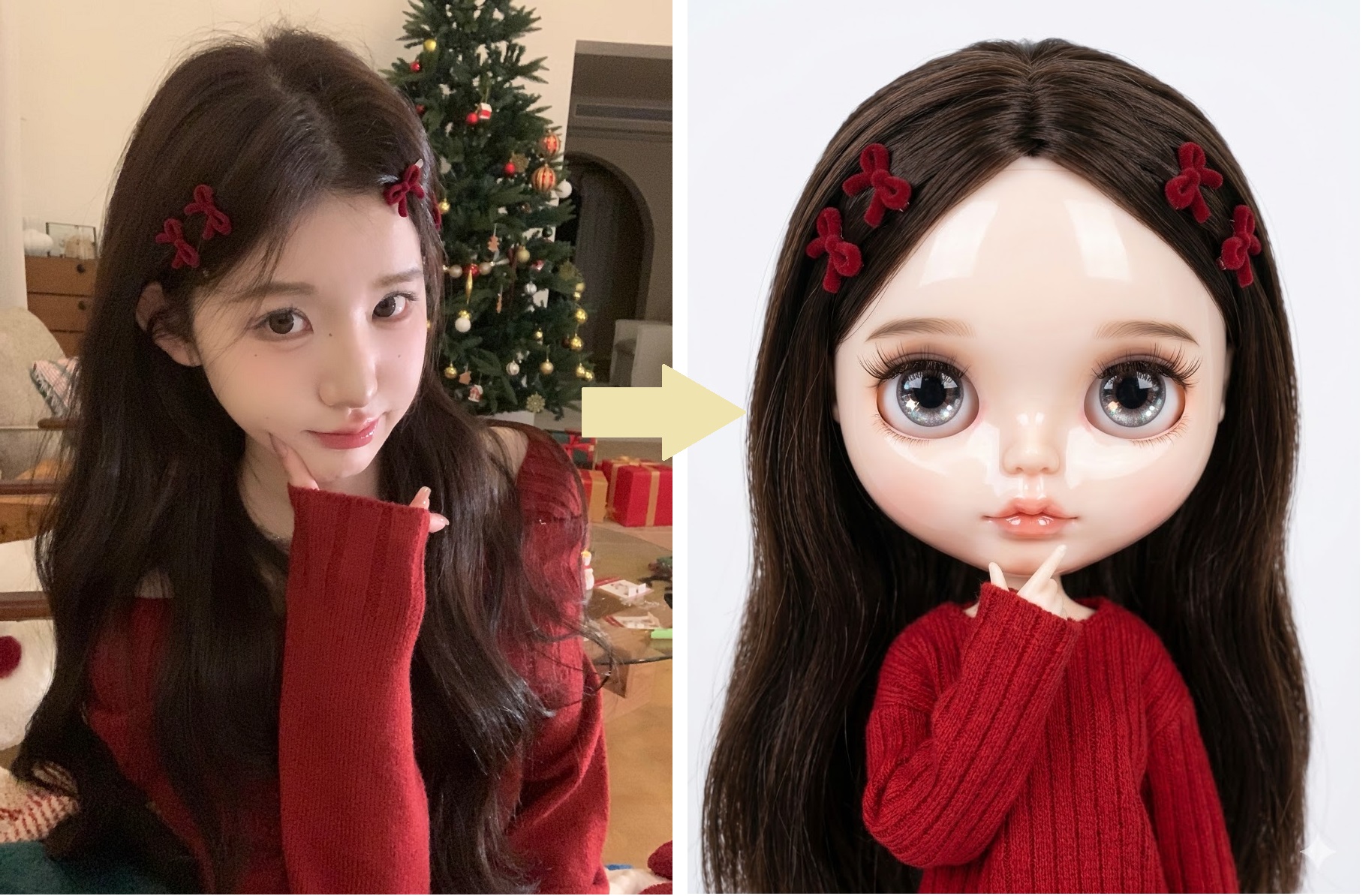
A fresh micro-identity quiz has taken over TikTok, Instagram Stories, and X, turning an eccentric 1970s fashion doll into the internet’s newest digital mood ring. Driven by the recent release of an interactive diagnostic published by media giant BuzzFeed, social feeds are currently inundated with pastel-toned cards, oversized craniums, and glossy pull-string eye-mechanisms. According to the original buzzfeed.com Report, the test categorizes users into hyper-specific aesthetic archetypes based on everyday choices, prompting millions of participants worldwide to search for instructions on how to participate and decode their personalized match cards.
The cultural spike crossed borders almost instantly. Searches for the test's execution method, frequently queried across East Asia and Western collector spaces as "my blythe doll 診断 やり方", surged as users raced to generate high-resolution results cards. Behind the seemingly playful online questionnaire sits a rich fifty-year subcultural history that bridges American toy design, Japanese high fashion, and high-stakes doll customization communities.
📌 Key Takeaways:
- The Viral Ignition: A diagnostic quiz published in late January 2026 ignited millions of short-form video shares, matching users to vintage, Neo, and custom Blythe archetypes.
- The Aesthetic Driver: Participants are drawn to the doll's signature uncanny look, oversized foreheads, changing eye chips, and mod-couture styling, as an alternative to polished digital filters.
- Access and Mechanics: Taking the test requires answering ten rapid-fire lifestyle prompts to generate an aesthetic profile card ready for vertical video formatting.
The Pull-String Nostalgia Powering the Trend
To understand why this diagnostic spread so quickly, you have to look at the peculiar legacy of the Blythe doll itself. Created in 1972 by designer Allison Katzman for toy manufacturer Kenner, the doll was originally pulled from American store shelves after just one year. Children found her oversized head and the string mechanism that clicked her gaze across four distinct colors, pink, blue, green, and orange, unsettling. For nearly three decades, Kenner Blythes languished in thrift shops and clearance bins.
Her resurrection began in 2000, when American photographer Gina Garan showcased the doll’s haute-couture potential in her seminal photo book This is Blythe. Japanese department store chain Parco immediately selected the doll for a major television campaign, sparking an international revival. Takara secured the manufacturing license in 2001, launching the Neo Blythe line to an eager adult collector base. By the time Good Smile Company took over production duties in 2021, Blythe had completed a transformation from failed children's toy to high-end artistic canvas.
The current viral surge relies directly on that tactile history. In an era dominated by smooth, synthetic AI visuals, social media audiences have swung back toward physical oddities. Blythe’s large, reflective eyes and plastic quirks offer an analog antidote to homogenous digital self-expression.
Step-by-Step Guide to Taking the Test and Exporting Your Card
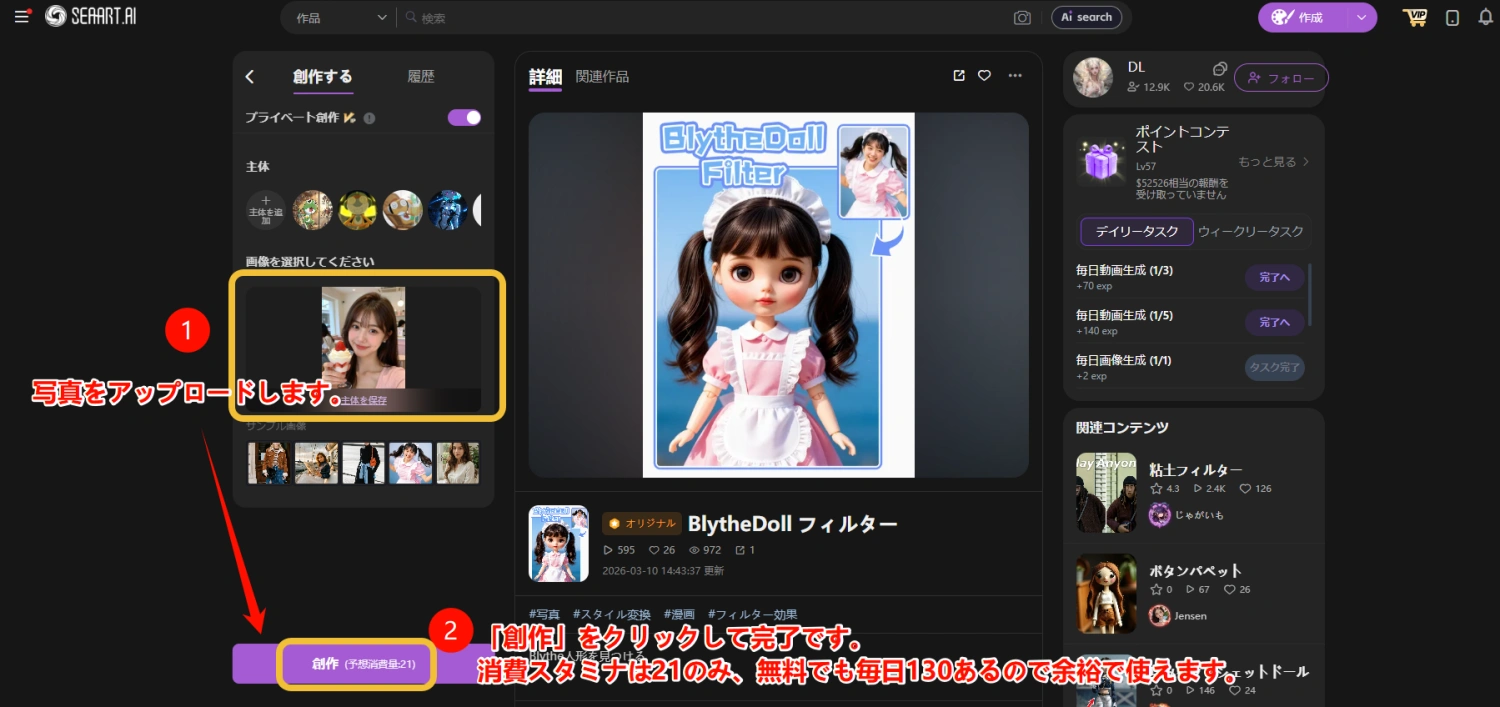
Finding your aesthetic match does not require speaking Japanese or navigating niche message boards, despite the high volume of search queries using bilingual phrasing. The diagnostic can be completed on mobile or desktop browsers within two minutes.
Here is the exact method to take the quiz and generate your visual identity badge:
1. Access the Diagnostic Hub: Navigate to the official interactive feature on BuzzFeed or access community-built mirrors hosted on quiz platforms like Shindanmaker and uQuiz. On mobile, launch the page directly within your native browser rather than an embedded in-app browser to ensure graphic assets render without compression artifacts.
2. Complete the Question Sequence: You will encounter between 8 and 12 forced-choice prompts. Rather than asking clinical personality questions, the quiz measures sensory preferences: your preferred vintage textile, your go-to weekend coffee order, an architectural era, and your reaction to unexpected social confrontations.
3. Wait for the Algorithmic Processing: The platform tallies your answers against a database of historic releases, dividing personality scores into temperament axes: Introverted/Artistic, Bold/Theatrical, Nostalgic/Whimsical, and Avant-Garde/Collector.
4. Capture and Format the Shareable Card: Once your result appears, long-press the generated doll portrait to save it. If you plan to post to TikTok or Instagram Reels, take a 9:16 screenshot that preserves the doll's release year, color palette, and character summary. Many creators layer their result over ambient Japanese shoegaze or 1970s acoustic folk tracks before posting.
Archetype Breakdown: Vintage Models Versus Neo Releases
The test assigns participants to one of several foundational eras in the doll’s history. Each profile comes with distinct psychological traits, palette recommendations, and styling notes.
| Doll Category | Aesthetic Archetype | Key Visual Signatures | Collector Valuation |
|---|---|---|---|
| Original Kenner (1972) | The Unfiltered Rebel | Glossy face mold, side-parted rooted hair, heavy orange and green eye chips | $1,800, $3,500 |
| Takara Parco Neo (2001) | The Y2K Nostalgist | Matte finish, mod mini-dress, pastel pink eyelids, structured bangs | $600, $1,100 |
| Custom OOAK Artist Doll | The Moody Creative | Carved philtrum, replaced glass eyes, airbrushed freckles, mohair wig | $450, $2,000+ |
| Middie Blythe (2010, Present) | The Quiet Observer | Smaller scale (20 cm), tiltable head, single-direction side-glance mechanism | $150, $350 |
Participants matched with the Original 1972 Kenner receive descriptions celebrating independence, dry humor, and resistance to modern trends. Those paired with a Custom OOAK (One-Of-A-Kind) result are flagged as detail-oriented introspectives who curate their personal environments with precision. The cards serve as badges of taste, blending psychological self-diagnosis with high-fashion credentials.
Why Micro-Identity Quizzes Dominate Modern Feeds
Identity quizzes are not new, but their function has changed. Where early web quizzes sorted fans into Hogwarts houses or romantic comedy tropes, modern diagnostics act as personal fashion moodboards. Platforms like TikTok reward users who package their personality traits into neat visual categories.
The Blythe test thrives because it bypasses generic lifestyle photography. Instead of matching users to a basic color palette or a celebrity, it assigns them an object that carries artistic weight. The doll’s distinctive features, disproportionate limbs, interchangeable eyes, and vintage apparel, give users permission to celebrate their personal eccentricities.
Community commentary reflects that dynamic. In a popular discussion thread on the r/Blythe subreddit, users noted that the influx of newcomers wasn't just chasing a fleeting meme. Commenters highlighted how the test opened doors to miniature fashion styling, doll photography, and resin customization. The diagnostic serves as a top-of-funnel entry point into an artisanal hobby that values hands-on craft over digital passive consumption.
Navigating the Market: Replicas Versus Authentic Collectibles
Inevitably, viral visibility creates commercial side effects. Since the diagnostic took off, secondhand marketplaces have seen an influx of casual buyers looking to purchase the physical doll matching their test results. This sudden demand exposes newcomers to a complicated collector market filled with misleading listings.
First-time buyers frequently fall into the trap of purchasing "Blythe-style" factory knockoffs. Online marketplaces like AliExpress and Amazon carry hundreds of unbranded dolls priced between $30 and $60. While these items are widely used by hobbyists for carving and airbrush practice, they are mass-produced unauthorized clones, not authentic releases from Hasbro, Takara, or Good Smile Company.
Collectors looking for genuine pieces should watch for specific markers:
Genuine releases feature trademark engravings on the back of the neck and head plate. Original Kenner dolls are stamped with "KENNER PRODUCTS CO., CINCINNATI, OHIO © 1972" across multiple lines. Neo Blythe models produced by Takara or Good Smile carry licensed copyright text along the lower edge of the skull seam. Authentic dolls maintain balanced weight in the torso and feature smooth pull-string mechanics that switch eye positions without jamming or requiring excessive force.
Frequently Asked Questions (FAQ)
Q1: What is the official link to the viral Blythe doll diagnostic?
A1: The primary trending quiz is hosted on BuzzFeed’s lifestyle section under the title "Which Blythe Doll Are You?". Alternative fan-made diagnostic generators can be found by searching the Japanese phrase "Blythe 診断" on Shindanmaker, which provides text-based variations.
Q2: Why are authentic Blythe dolls so expensive?
A2: Factory stock runs for authentic Blythe releases are strictly limited. Production licenses are held exclusively by Good Smile Company in partnership with Hasbro. Vintage 1972 Kenner originals command prices between $1,800 and $3,500 due to extreme scarcity, while custom artist dolls reflect hundreds of hours of manual sculpting, face carving, and custom makeup work.
Q3: Does the test cost anything or require an app download?
A3: No. The test runs entirely through standard web browsers and is free to use. Beware of third-party mobile apps charging subscription fees to generate customized doll avatars, as these are unaffiliated with the genuine collector community or the viral BuzzFeed quiz.
The Evolution of Niche Aesthetic Culture
The sudden explosion of the Blythe doll diagnostic shows how internet culture continuously rescues historical designs from obscurity. A plastic doll rejected by American consumers in 1972 has found a second life as an avatar for modern digital identity. The quiz is simple, but the community it reflects is built on decades of photography, craftsmanship, and countercultural fashion.
As internet users grow tired of generic lifestyle trends, eccentric subcultures will keep stepping into the spotlight. Whether someone keeps their quiz result as a temporary Instagram story or uses it as an excuse to buy their first vintage doll, the pull-string icon continues to gaze forward, changing its colors with every click.